Arden Courts Tampa is consistently described as a memory-care–focused community with a staff base trained in dementia care. Reviewers emphasize a strong clinical presence: 24/7 nursing coverage, regular on-site physician and nurse-practitioner access, and caregiving teams that many families find compassionate and experienced. The facility’s approach and staffing model are frequently cited as tailored to cognitive impairment, with staff who know residents by name and who prioritize safety and routine.
Dining and daily living elements receive positive commentary across reviews. The dining program is characterized by nutritious menus, a qualified chef, and flexibility for dietary needs; the dining room and meal service are generally described as spacious and accommodating. Activities programming is extensive—socials, outings, therapeutic engagement, and enrichment events are regularly scheduled—and many families report that these offerings improve resident quality of life. That said, a pattern emerges where activity participation can be uneven: while programming is plentiful, some residents do not engage consistently.
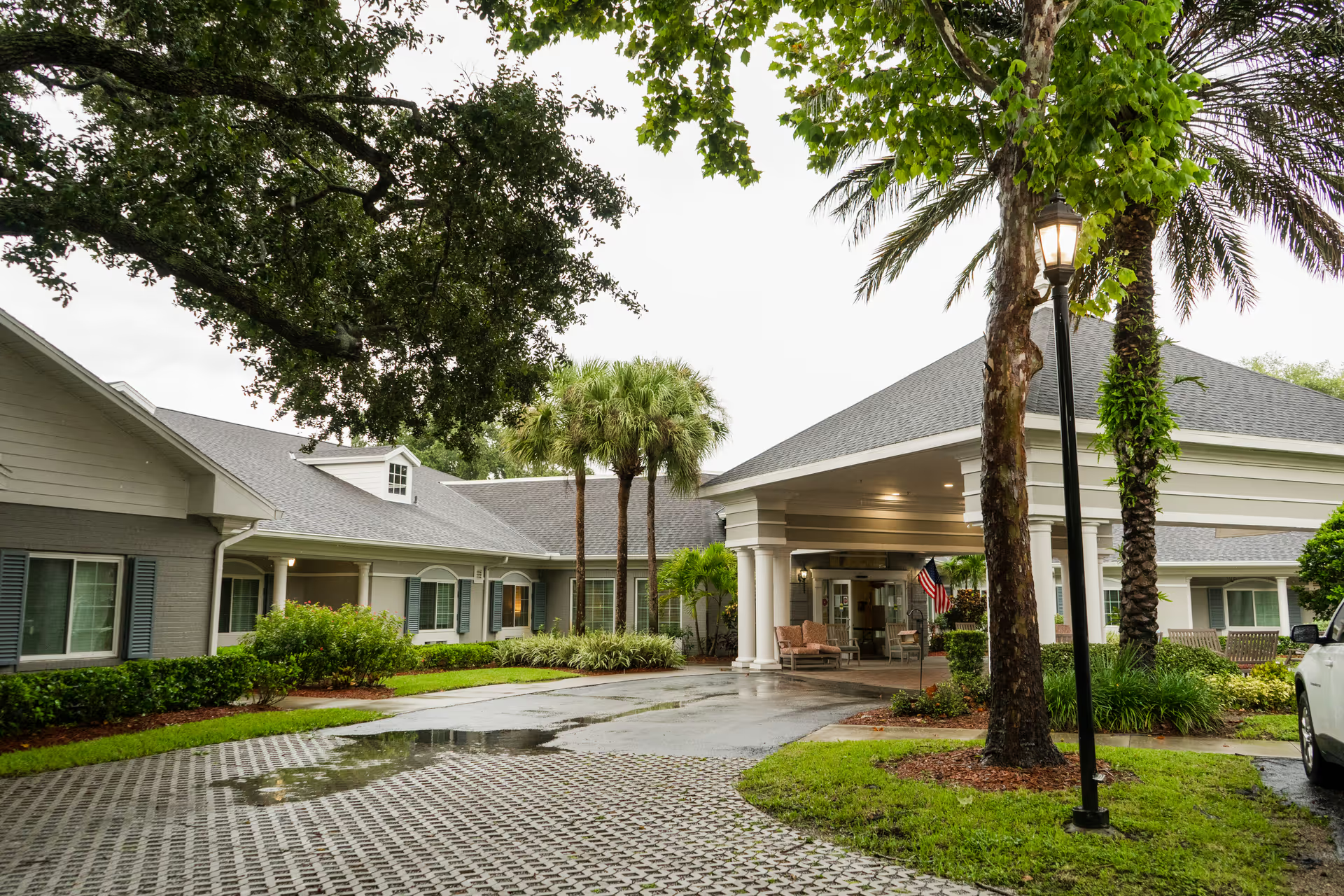
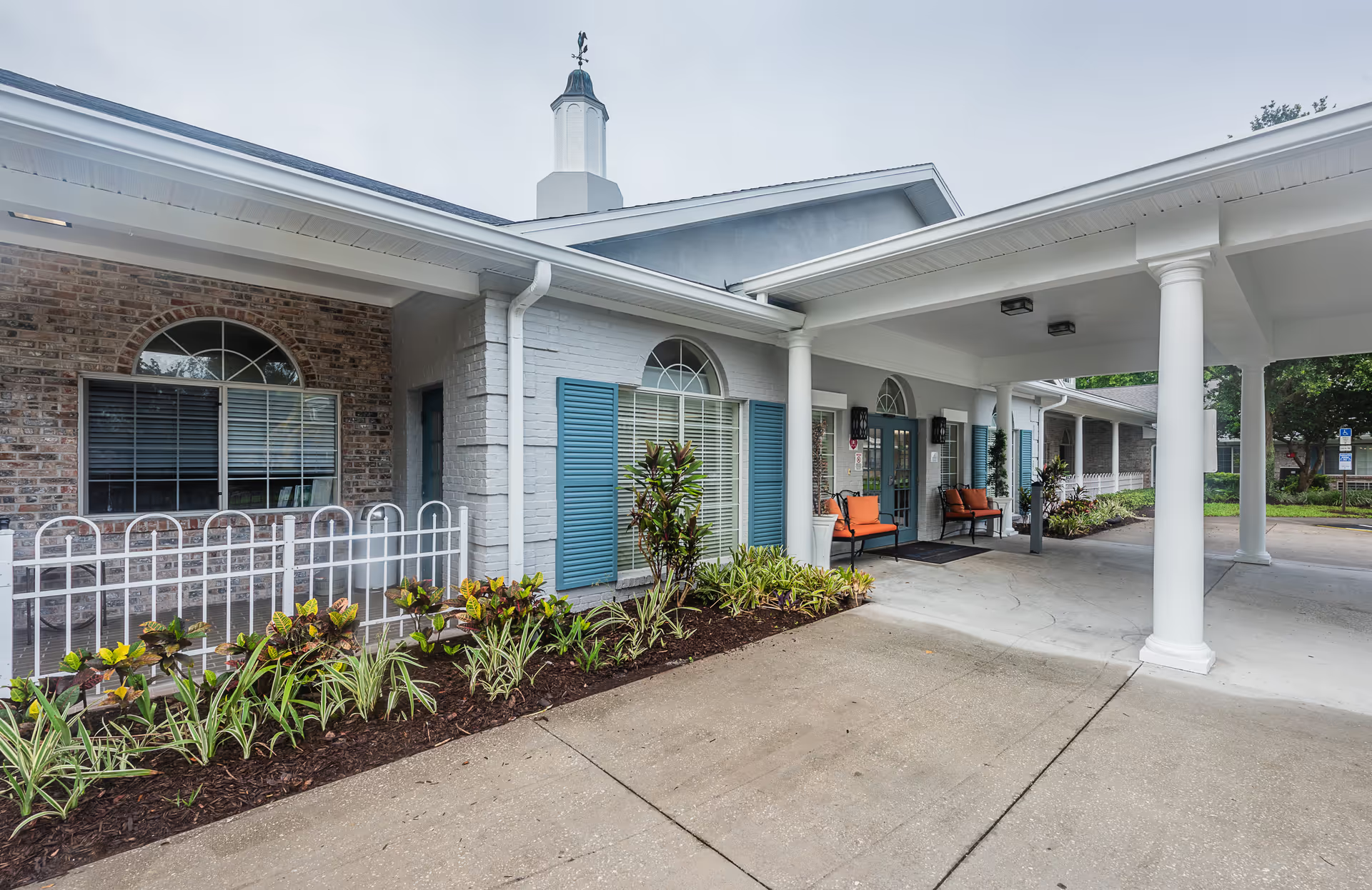
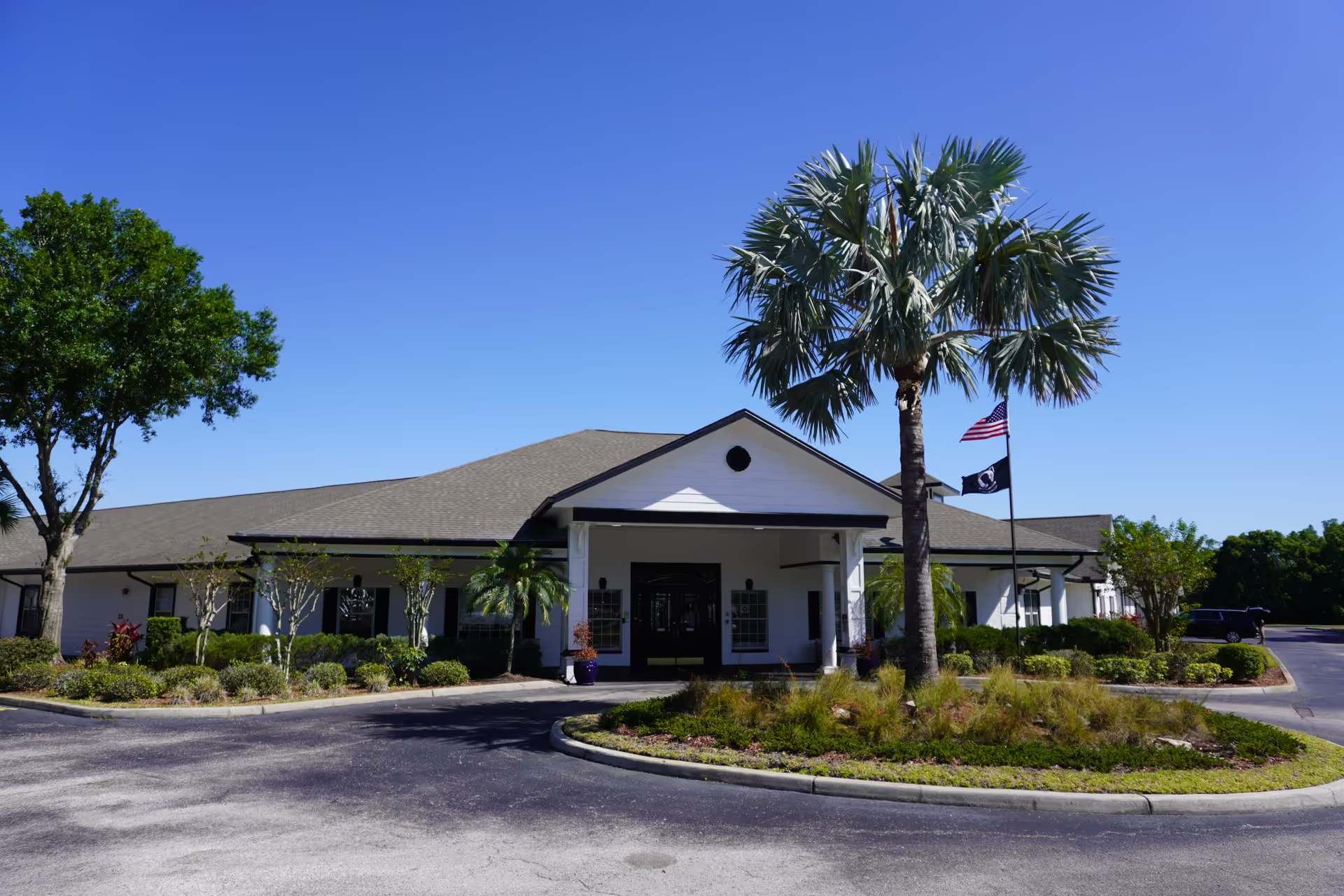
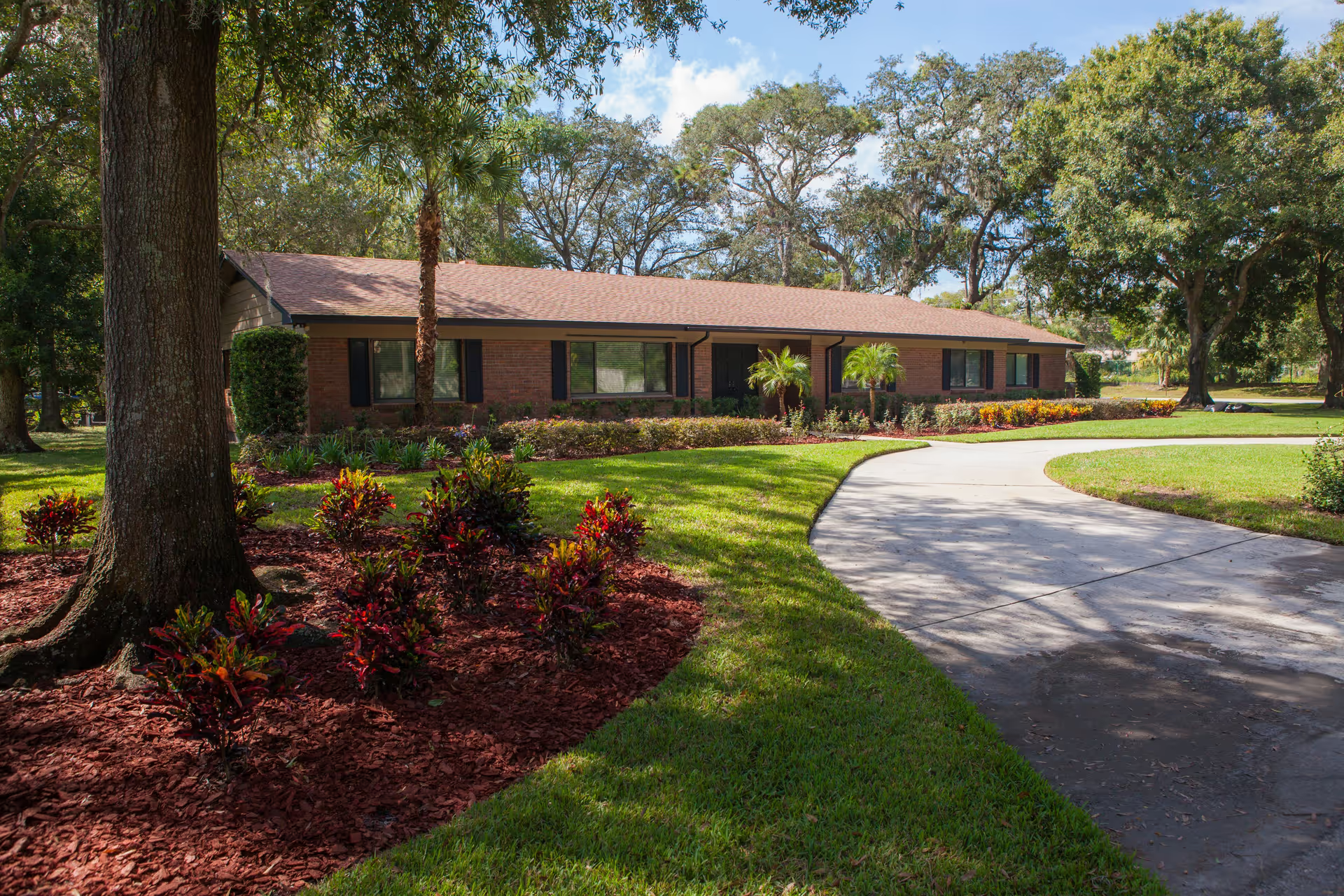
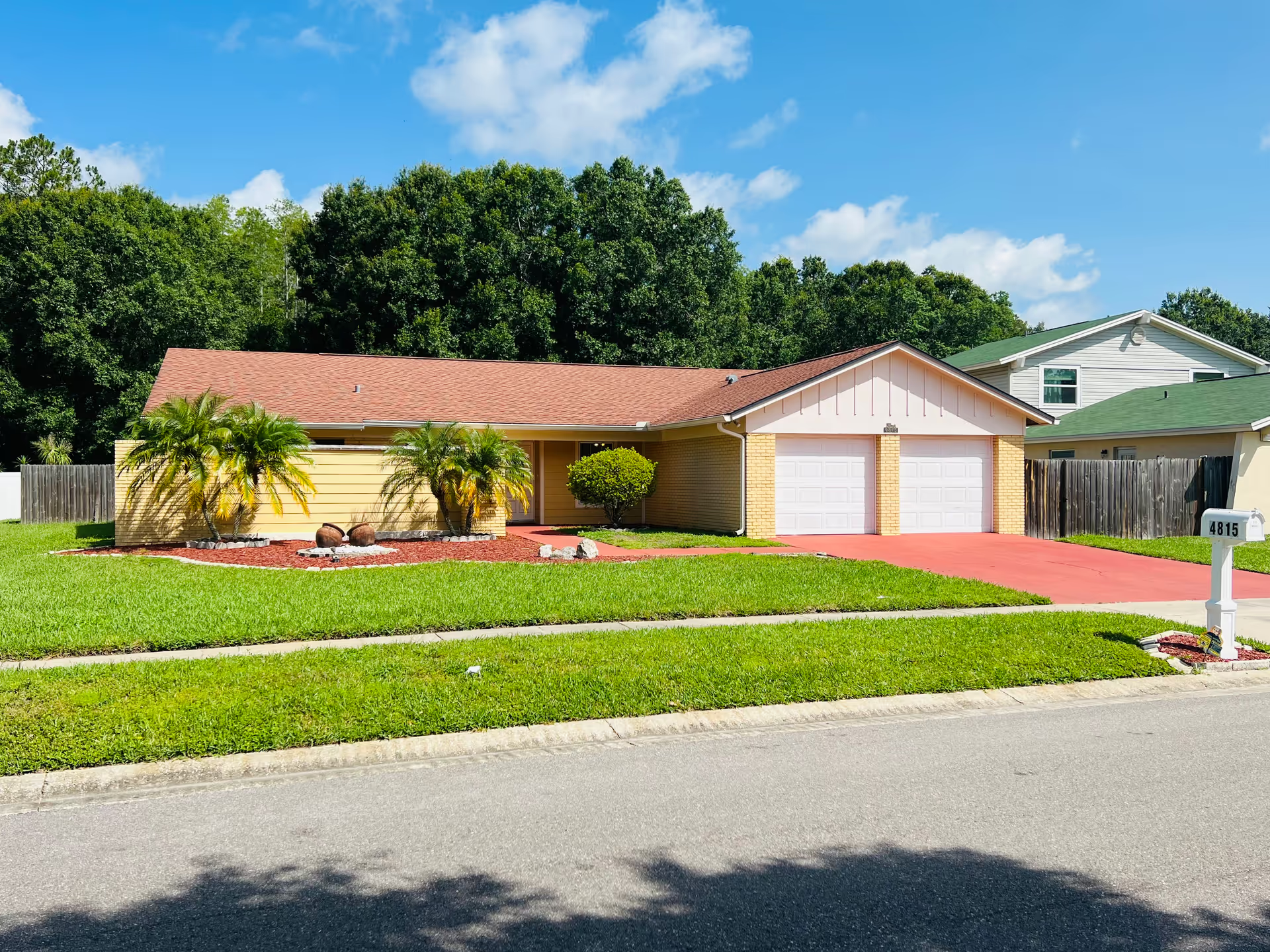
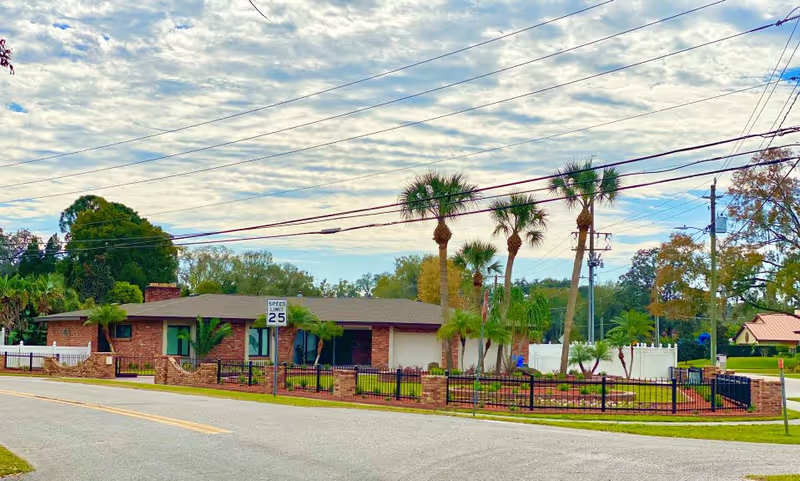
The physical environment and amenities are another strong point. The campus is described as attractive and well maintained, with a secure courtyard, walkable grounds, private bathrooms, and a winged, home-like layout that supports wandering and small-group living. Interior common spaces are roomy and inviting, and cleanliness and upkeep are repeatedly noted. A minority of comments reference an older building footprint or smaller rooms in some units, but the general impression is of a tidy, landscaped community.
Despite broadly positive impressions, there are operational concerns prospective families should probe. Multiple reviewers raised staffing adequacy as a recurring issue—especially on evening and night shifts—along with related concerns about falls prevention and transfer safety. There are also a few references to medication- and drug-safety worries, and isolated accounts of gaps in clinical follow-up and family communication after adverse events. Additionally, some families expressed unease about admissions messaging and privacy practices, and cost was raised as a barrier by some.
Management and leadership receive mixed but largely favorable assessments: many reviewers praise administrators for responsiveness, education events, and family outreach, while a small number describe shortcomings in transparency or tone during difficult transitions. Overall, Arden Courts Tampa is portrayed as a specialized memory-care provider with strong everyday caregiving, clinical support, and an engaging environment. Prospective families should verify current staffing ratios and shift coverage, inquire about fall-prevention and medication-management protocols, ask how the facility documents and communicates clinical incidents, and review contract and privacy policies to ensure alignment with their expectations.