Sodalis Tampa elicits strongly mixed impressions with a consistent pattern of thoughtful, resident‑focused programming alongside operational weaknesses that prospective families should evaluate closely.
Care and clinical oversight: Many families praise the hands‑on caregivers and nursing staff for being attentive, familiar with residents, and responsive. The community provides memory‑care and hospice support and has on‑site therapy/rehab resources. However, multiple narratives describe lapses in medication handling, delayed or missed medication administrations, and problems tracking medications and personal supplies. These issues suggest uneven clinical controls and inventory procedures; prospective families should ask for specifics about medication‑administration protocols, nurse staffing ratios, and recent incident follow‑ups.
Staff and leadership: A dominant positive theme is the compassion and engagement of direct care staff and activity personnel; reviewers repeatedly highlight staff who know residents by name, enthusiastic activity directors, and leadership who are present and responsive. At the same time, reviewers frequently mention staffing shortages and turnover that stretch employees thin and sometimes require staff to cover multiple roles. Management changes and ownership transitions have been identified as a source of disruption in operations, with some observers crediting recent leadership for improvements and others noting ongoing instability.
Dining and activities: Dining is a clear selling point for many—restaurant‑style service, freshly prepared entrees, and unique offerings such as an ice‑cream parlor and snack bar earn high marks. Contrasting reports note occasional bland or inconsistent meals and variable portioning. The activities program is robust and varied (gardening, dance, outings, religious services, creative programming, family nights), but accessibility varies for residents with mobility or sensory limitations and some desired outings or programs were curtailed during operational disruptions.
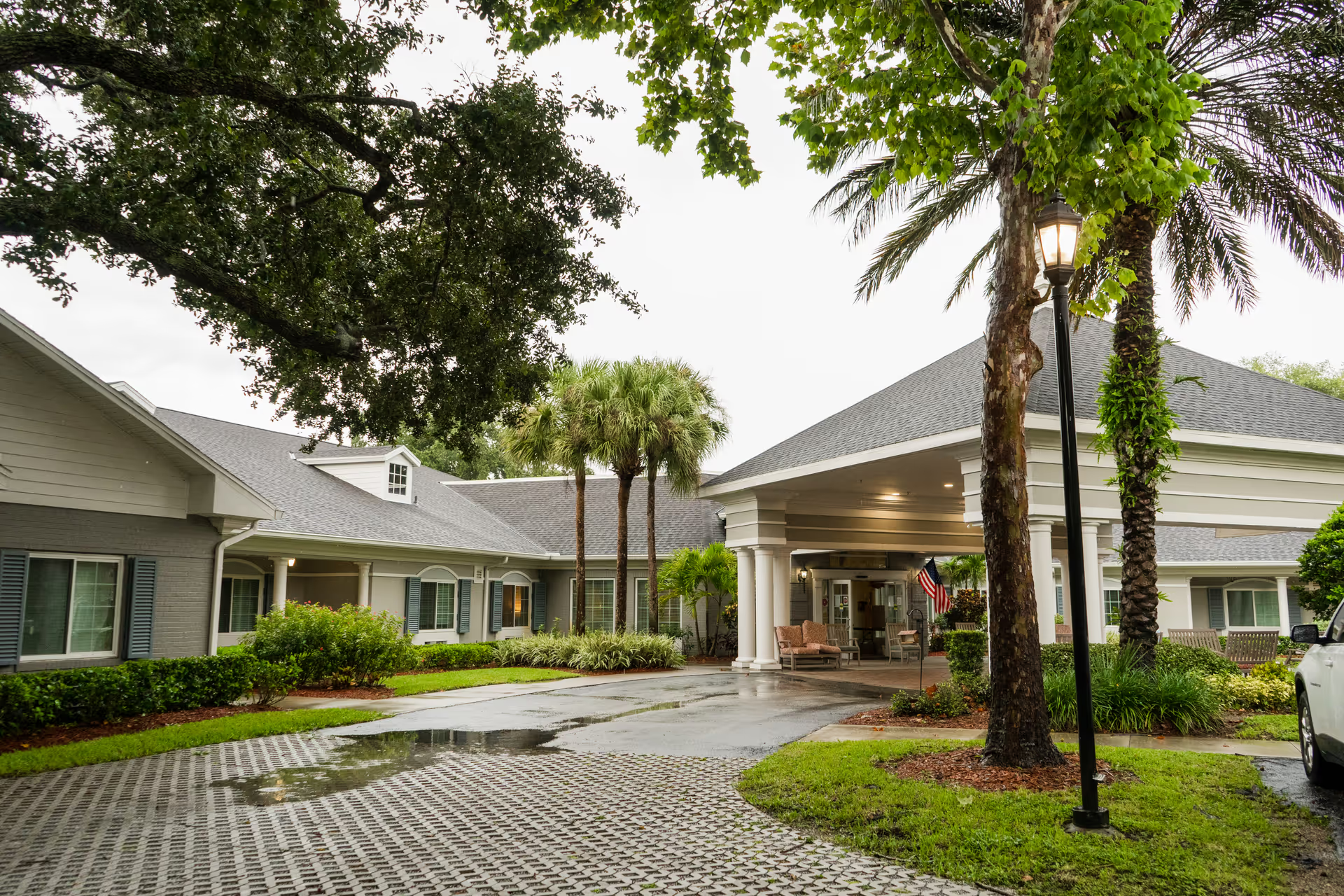
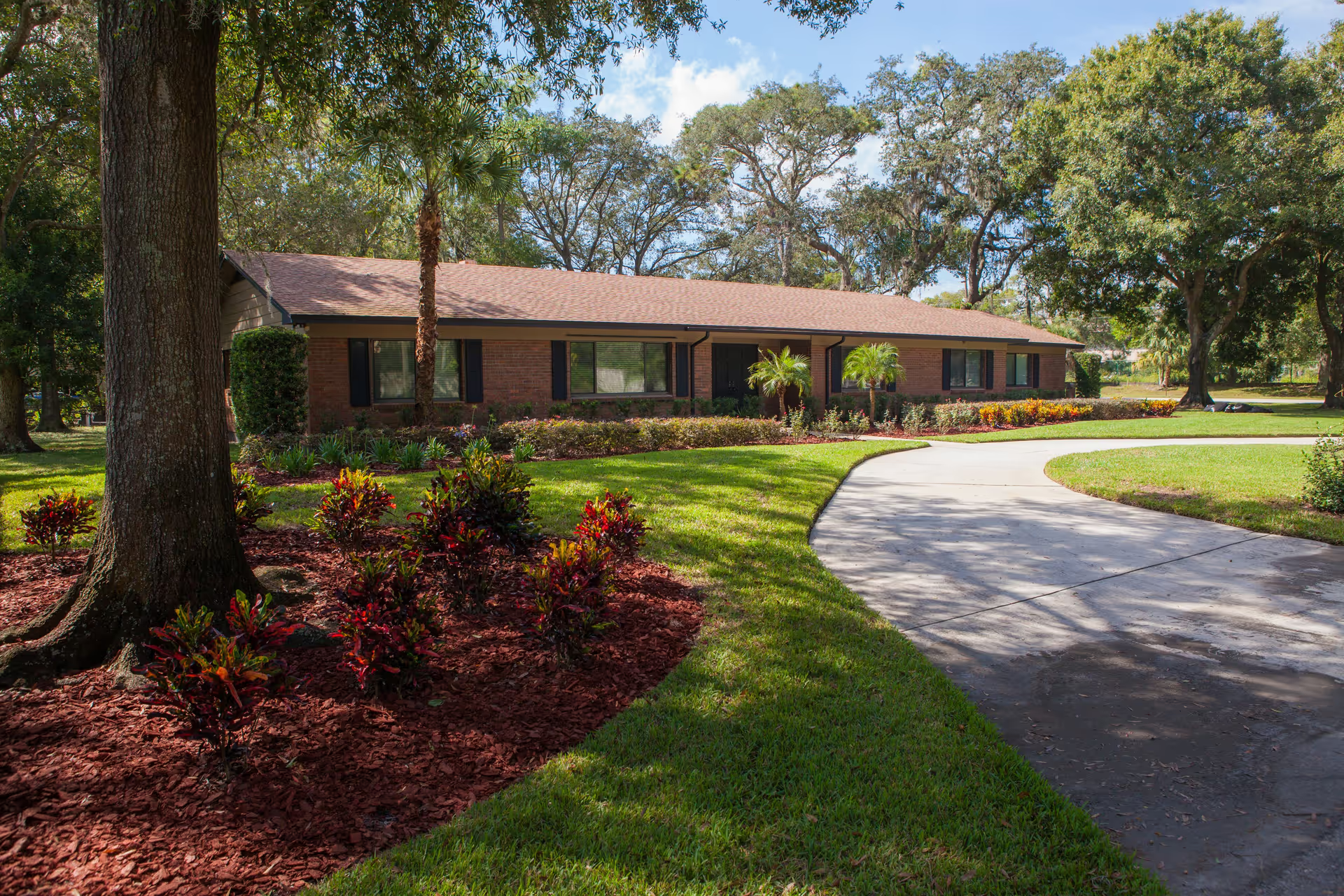
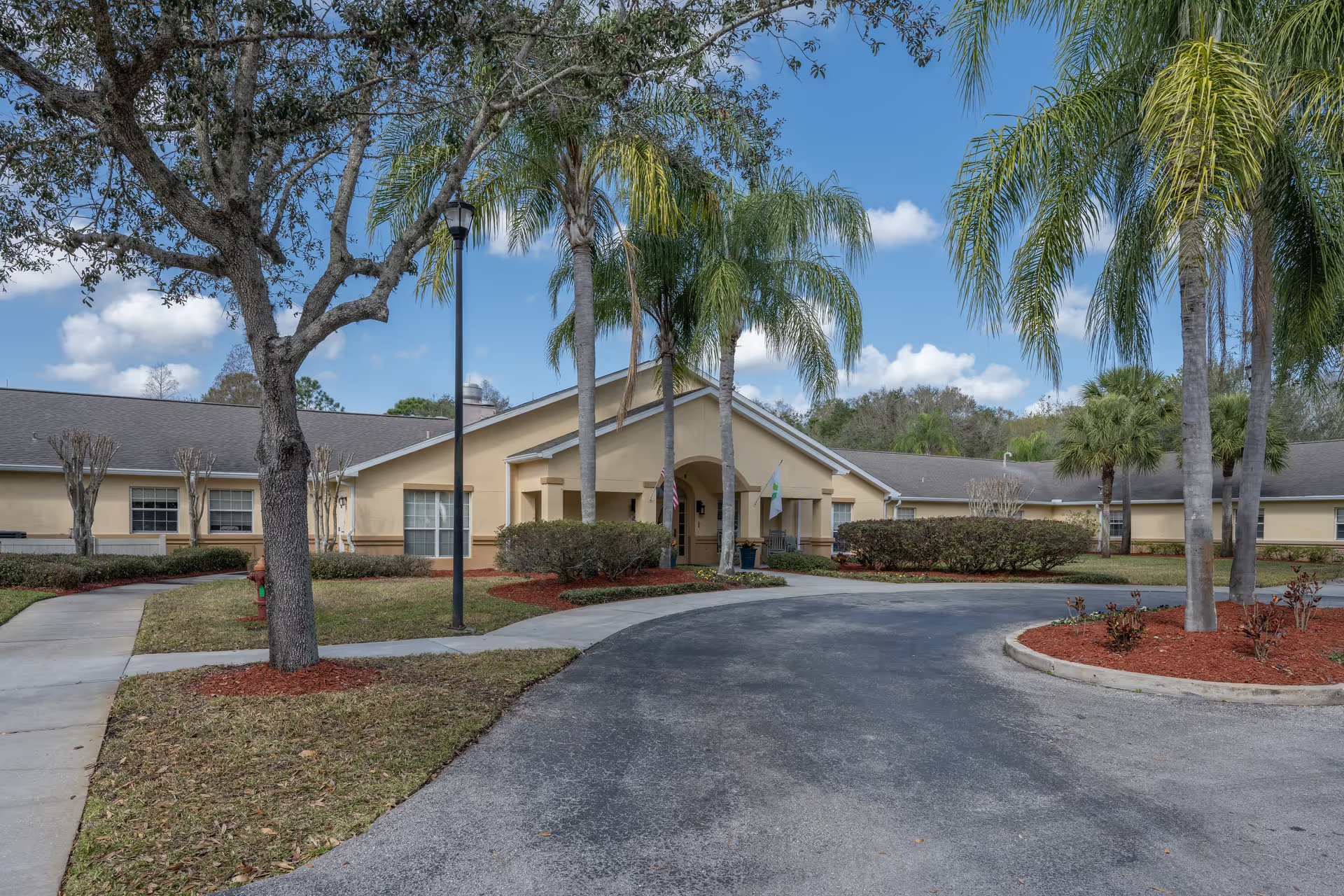
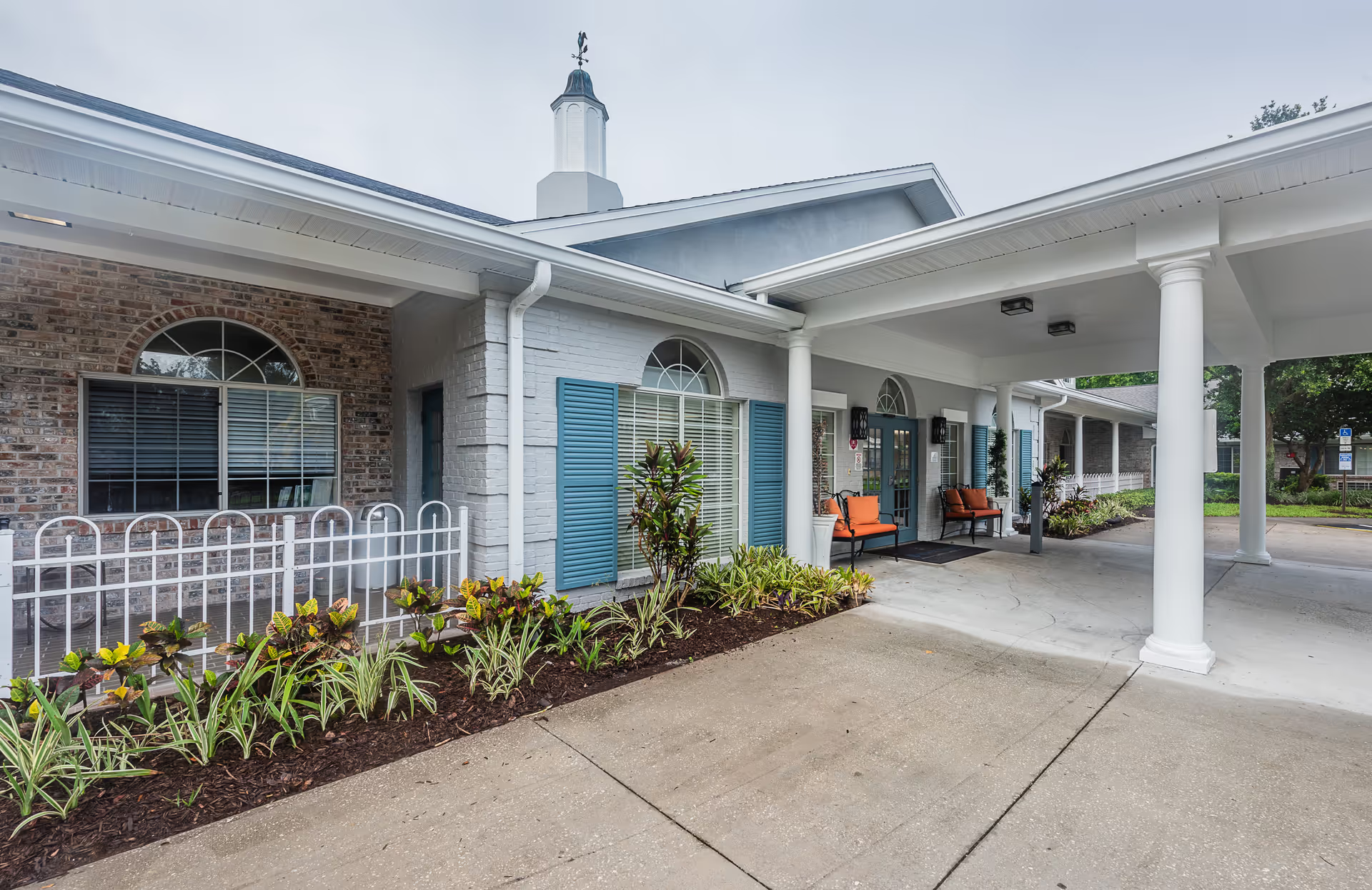
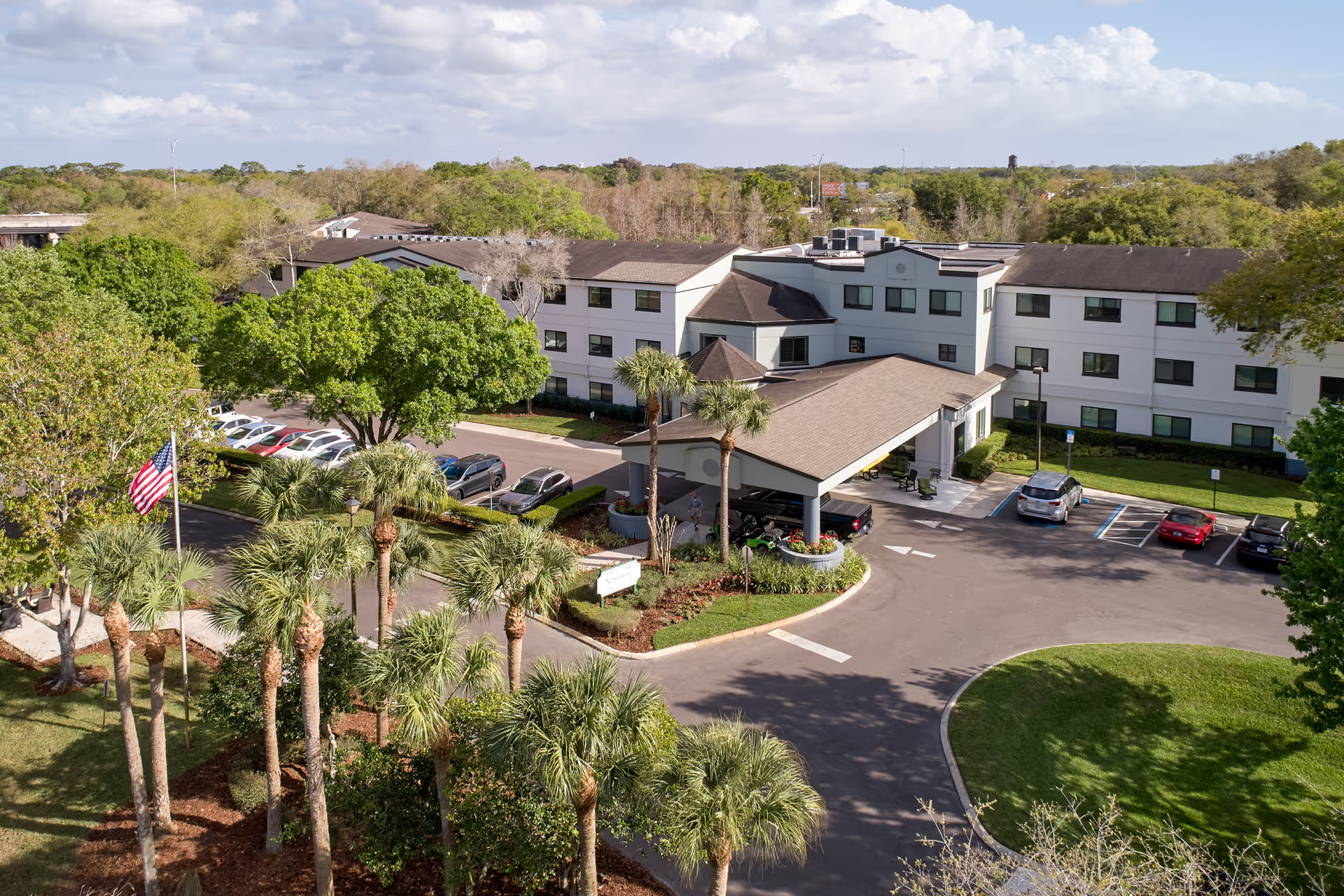
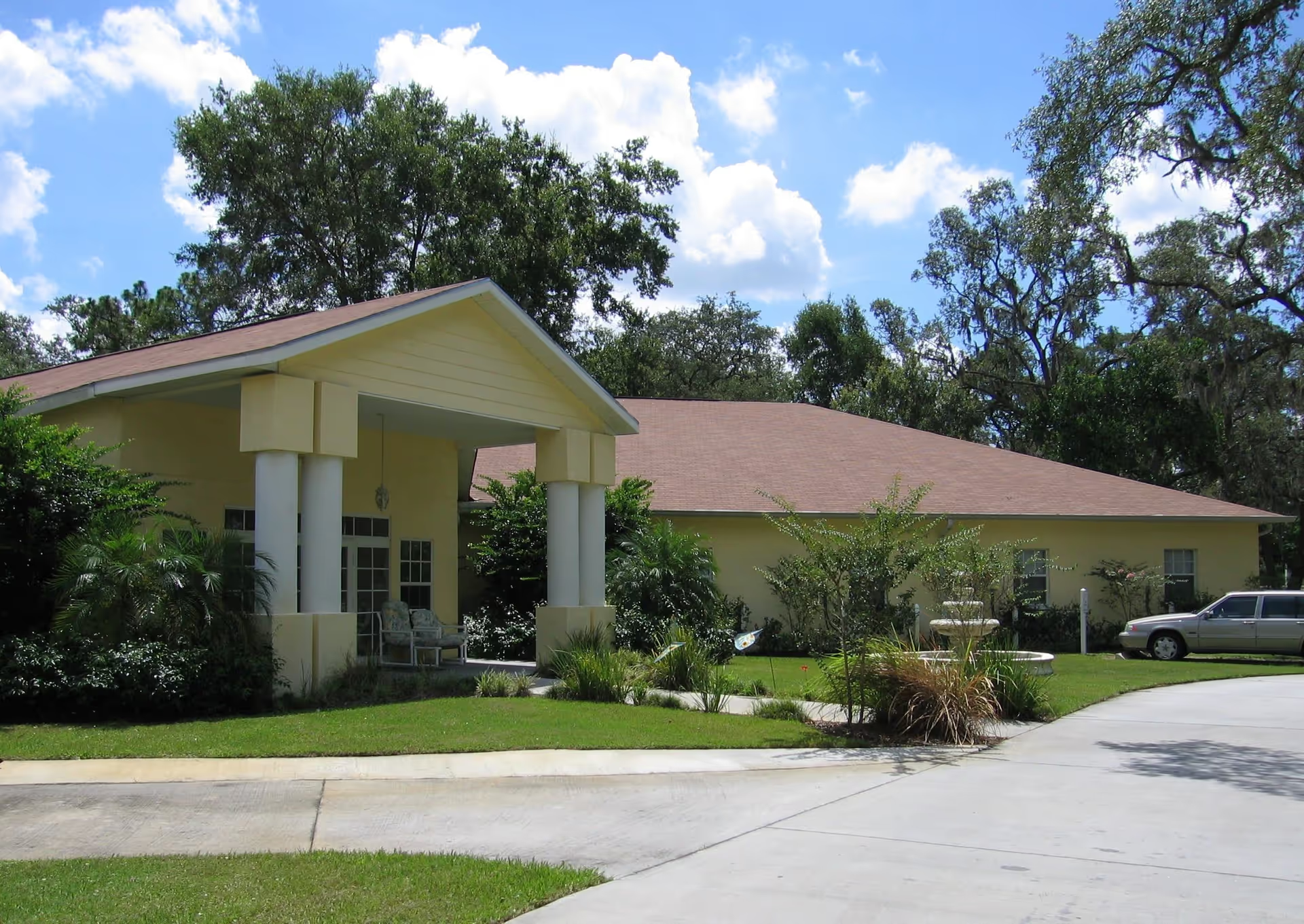
Facilities and amenities: The single‑story layout, spacious rooms, accessible bathrooms, salon, library, and attractive courtyard/putting green are repeatedly praised. The property is generally described as clean and well cared for, though some reviewers report localized maintenance and housekeeping shortfalls—scuffed hallways, carpeting concerns, and occasional messy walkways. Security impressions are mixed: while locked entry and controlled access are noted, inconsistent front‑desk coverage and access control gaps were also raised.
Management, operations, and notable patterns: Reviewers show polarized experiences. Many emphasize a family‑like culture, excellent direct care staff, and high satisfaction with activities and dining. Conversely, operational patterns emerge around inconsistent medication management, staffing shortages, variable sanitation practices, security coverage gaps, and unclear billing or add‑on fees. These are facility‑level traits inferred from accounts rather than single events, and they have practical implications for safety, continuity of care, and cost predictability.
Recommendations for prospective families: During a tour and follow‑up inquiries, ask for current staffing ratios (including night and weekend coverage), a description of medication‑administration safeguards, written housekeeping and infection‑control procedures, examples of recent management changes and their outcomes, billing and fee schedules with itemized add‑ons, and references from families whose loved ones reside in both assisted‑living and memory‑care wings. Observing meal service, an activity session, and front‑desk staffing at differing times of day can help validate the consistency of the strengths many reviewers cite and reveal whether the operational concerns have been addressed.