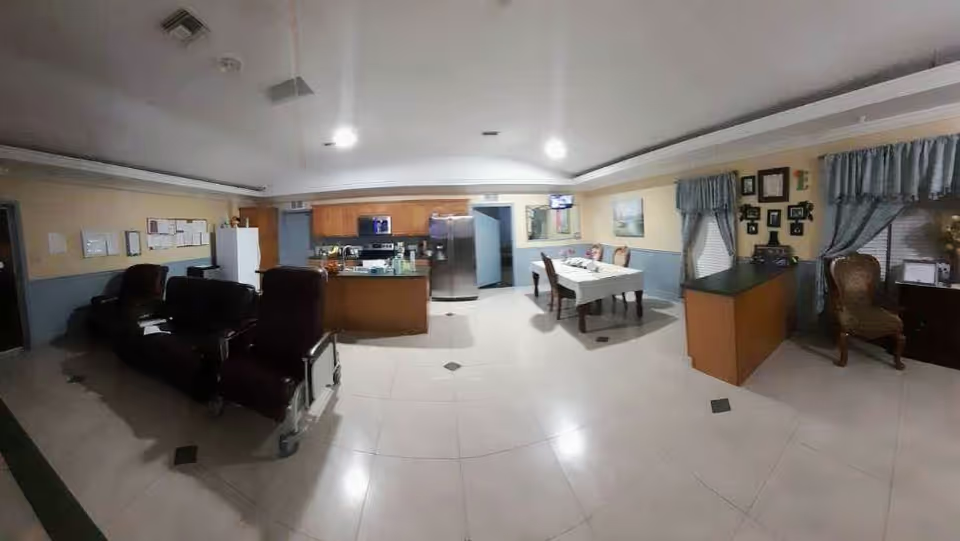
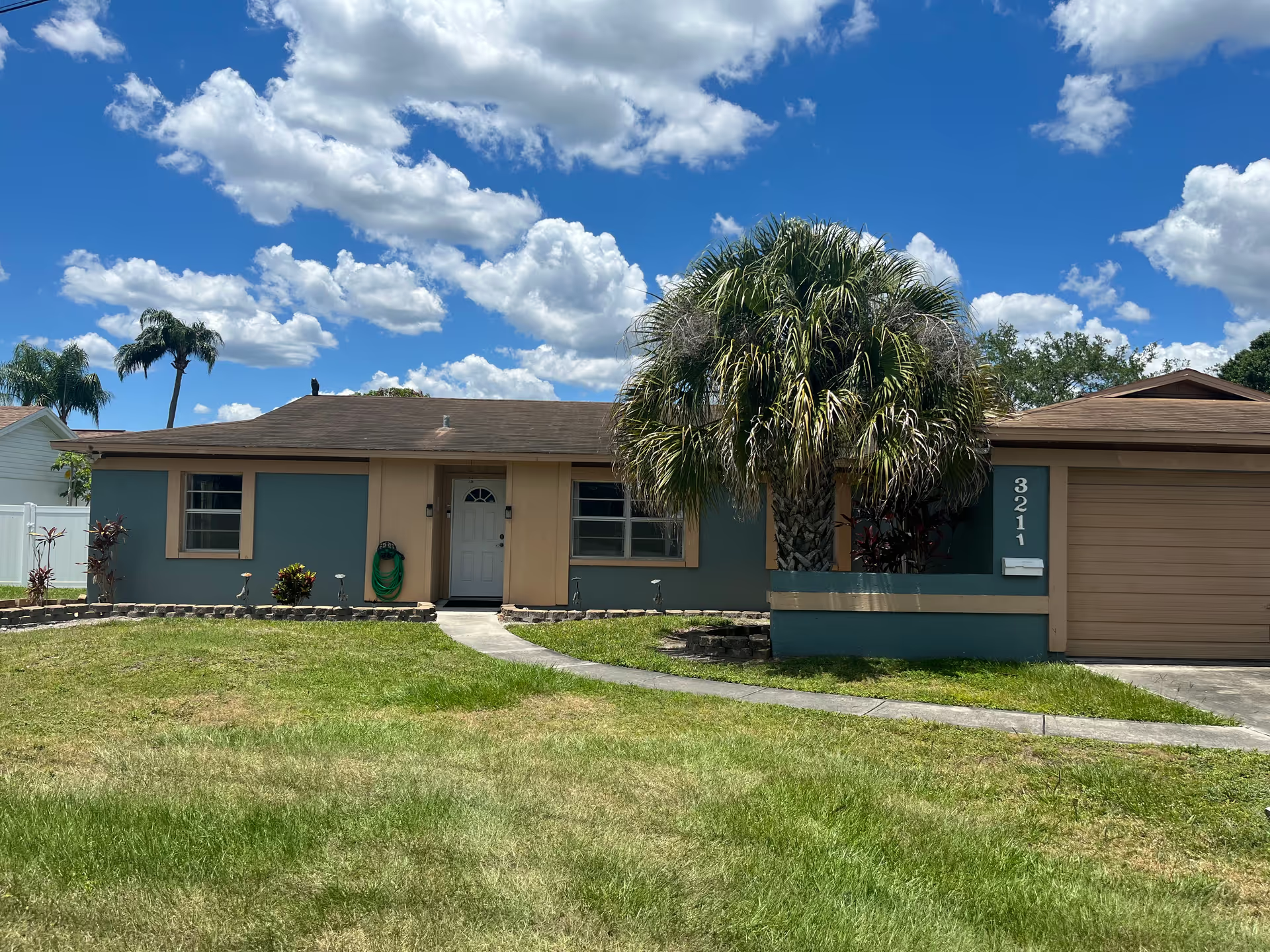
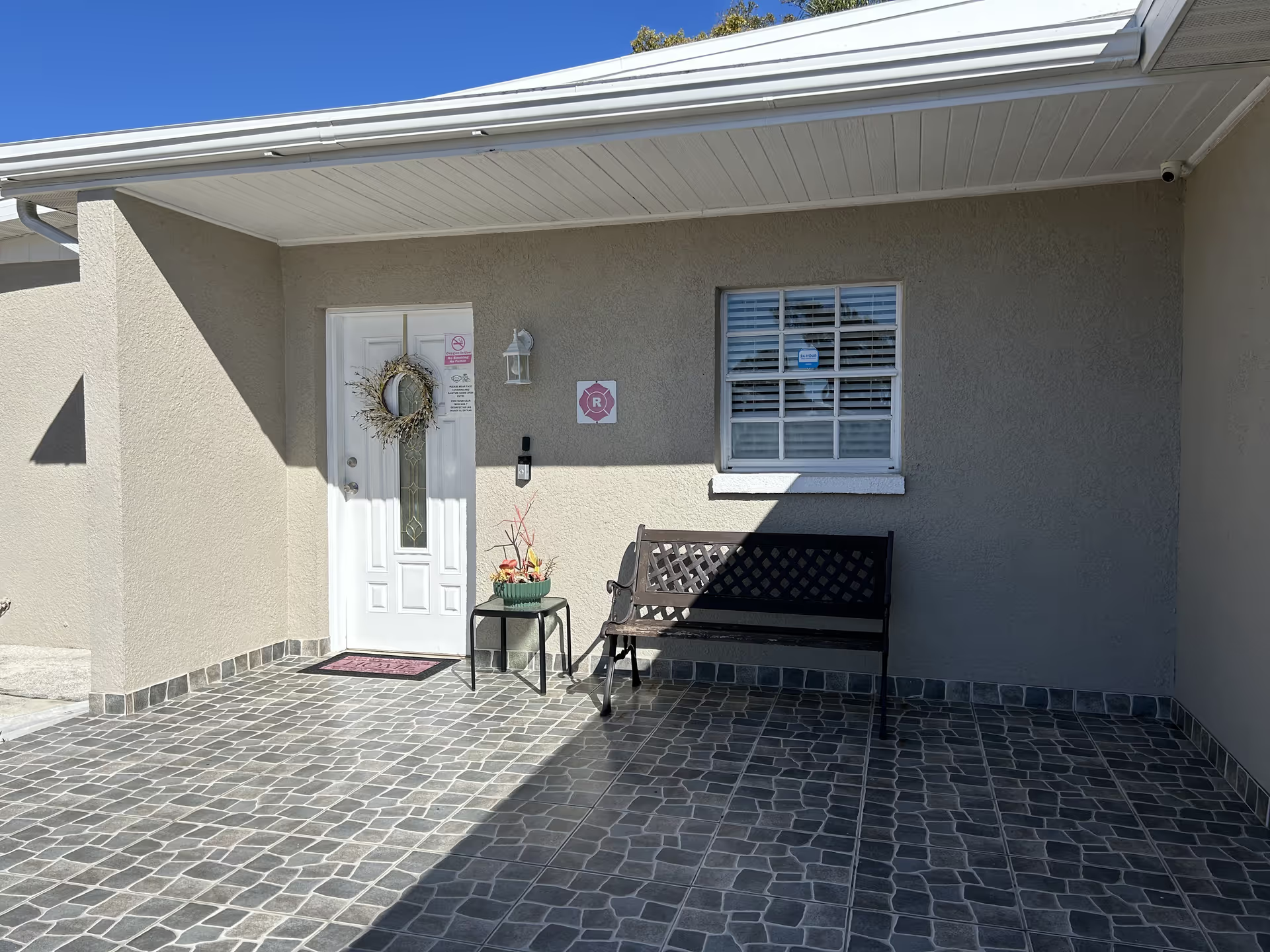
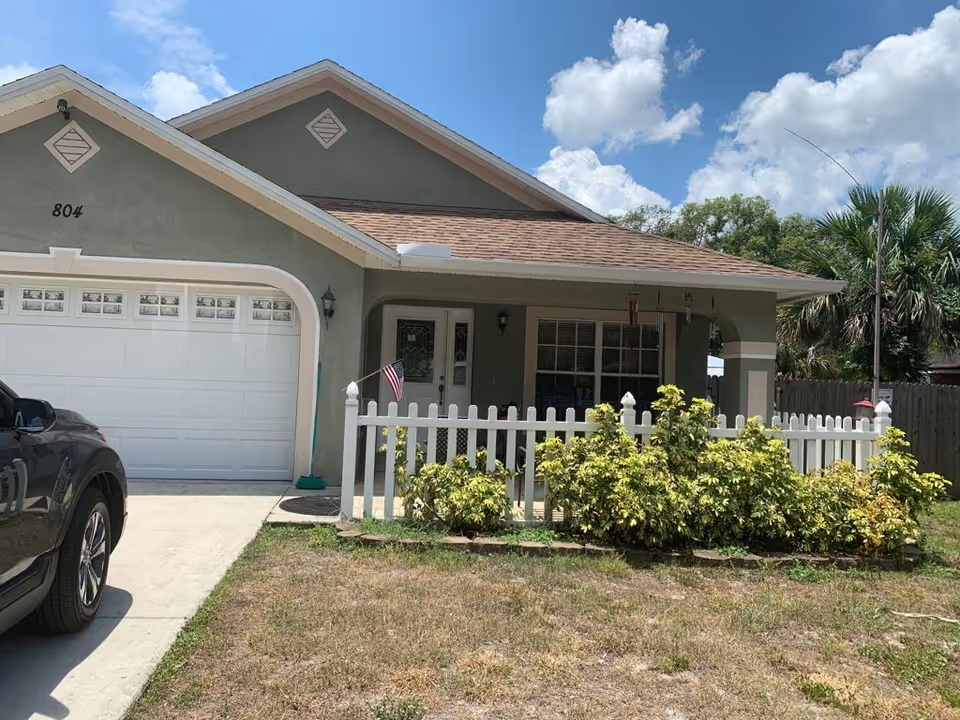
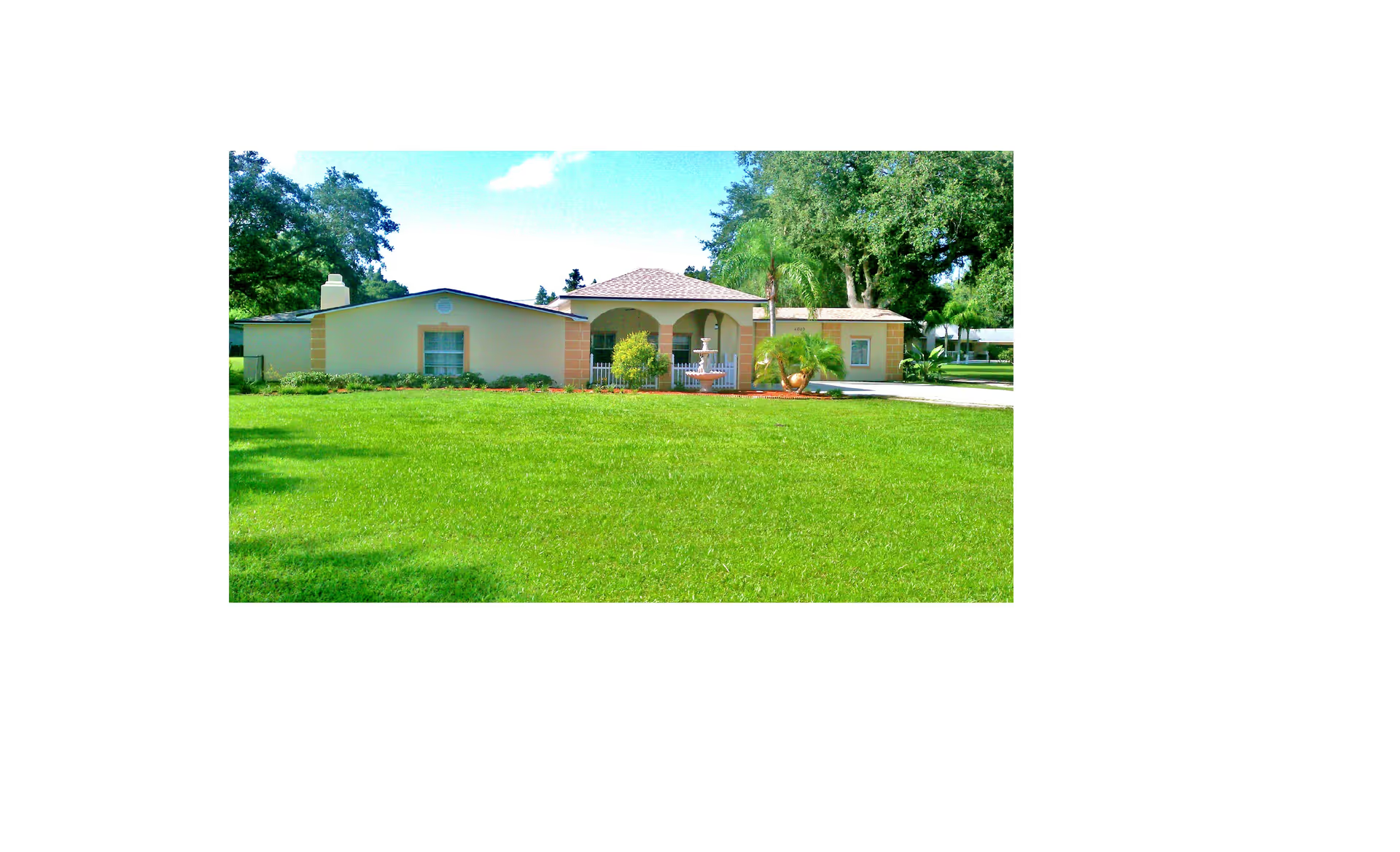
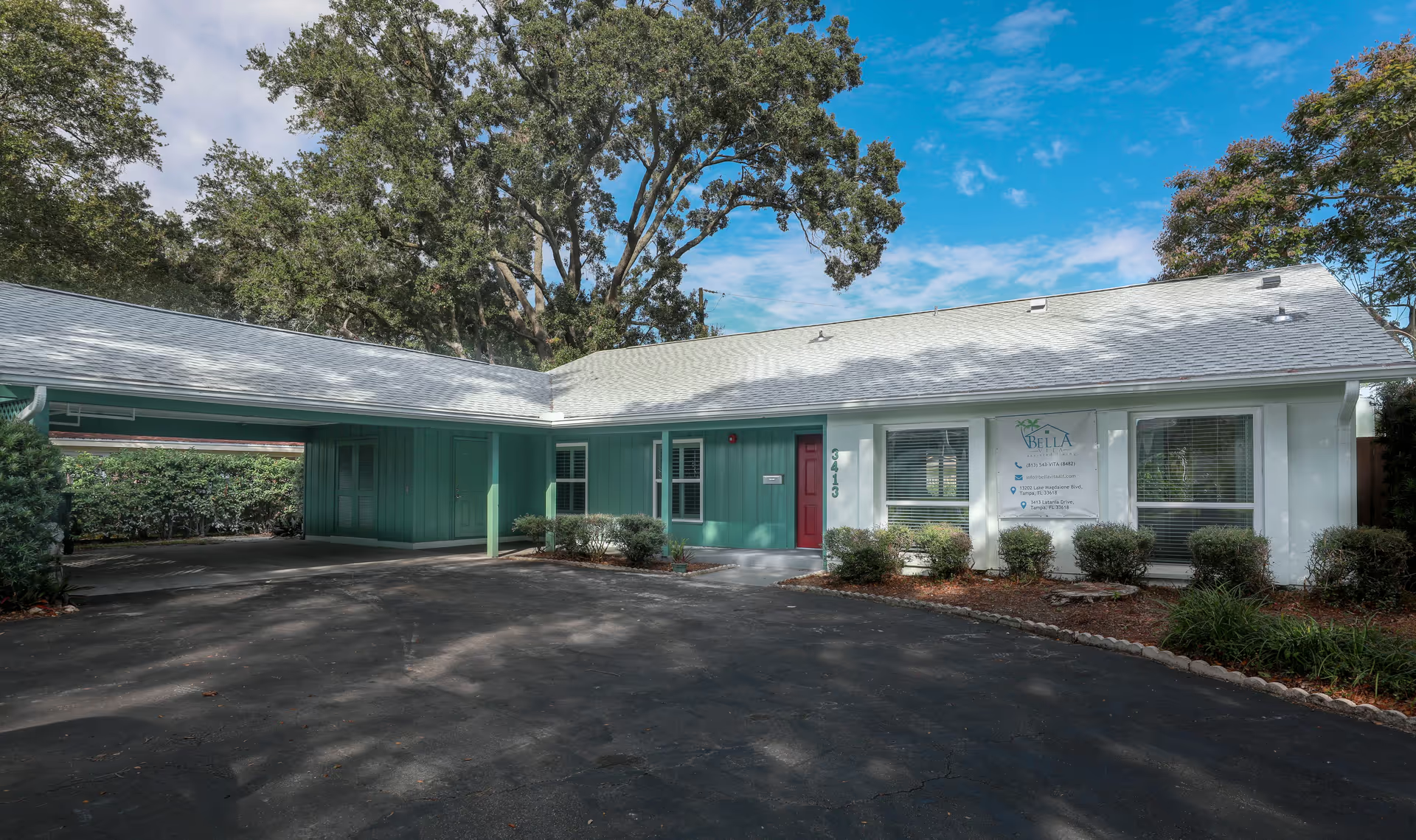
Overall impression Santa Lucia ALF Inc is described as a small, home-like assisted living setting with a clean interior and a pleasant odor. Review summaries emphasize an attentive, professional caregiving team, individualized care approaches, and cordial interactions with family members. Ownership and management presence is noted to be hands-on and accessible, and the facility is presented as affordable relative to alternatives. The environment is characterized as calm and comfortable for residents.
Care quality and clinical concerns While many observations point to strong day-to-day personal care and a comforting atmosphere, at least one summary described clinically significant events—including pressure ulcers and missed two-hour turning or changing intervals—that indicate gaps in basic skin- and incontinence-care routines. These descriptions suggest variability in routine clinical practices (repositioning, toileting schedules, wound monitoring) and possible inconsistencies in clinical oversight for residents with higher acuity needs. Families touring this facility should ask for details on staffing ratios, training, documented protocols for repositioning and incontinence care, wound-care procedures, and how the facility responds to clinical incidents and communicates with families.
Dining, activities, and social programming The provided summaries do not include specific information about dining quality, meal accommodation, or the scope of activities and social programming. Given the small-home model, programming may be more informal and individualized; prospective families should request sample menus, details about dietary accommodations, a typical weekly activity schedule, and examples of social engagement opportunities during a visit.
Facilities and management Physical-maintenance indicators in the summaries are positive: cleanliness, an agreeable scent, and a tranquil atmosphere. Management is described as honest and consistently present, which can support timely family communication and a stable caregiving culture. At the same time, hands-on ownership does not appear to have fully addressed some clinical protocol gaps noted above. Prospective families should review licensing and inspection records, ask to see care plans and clinical protocols, and clarify who provides clinical oversight when residents have escalating medical needs.
Notable pattern and recommendation The notable pattern across these summaries is a contrast between a warm, small-home environment with attentive staff and specific clinical-care concerns related to skin integrity and routine incontinence/repositioning practices. This combination suggests strong interpersonal care but potential unevenness in clinical procedures. During an in-person visit, focus questions on documented care routines, wound-care and incontinence protocols, staff training, on-call clinical support, and how the facility manages higher-acuity or end-of-life needs. Obtaining recent inspection reports and speaking with current families about clinical responsiveness can help balance the positives observed in the environment with the operational concerns identified.