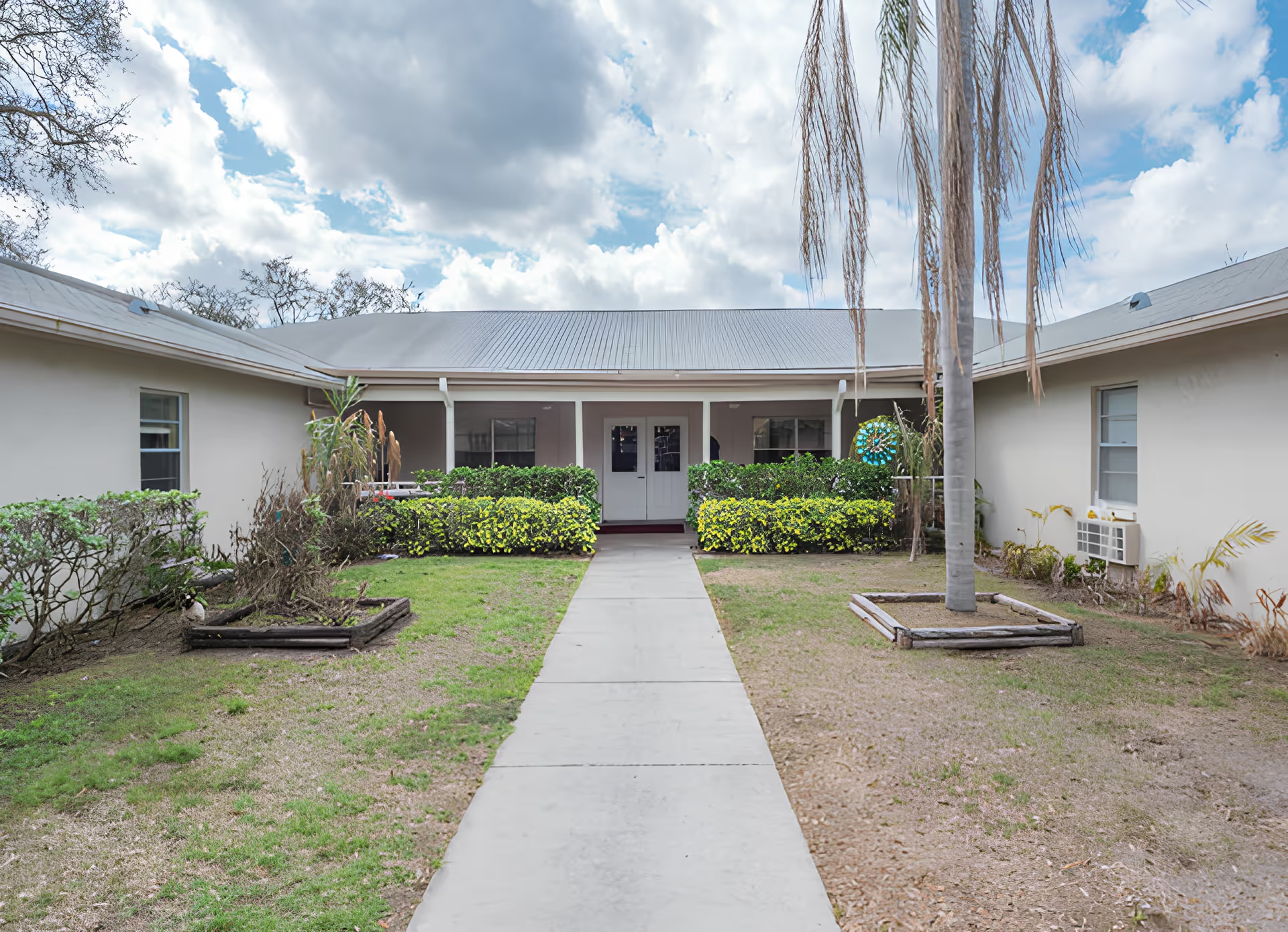
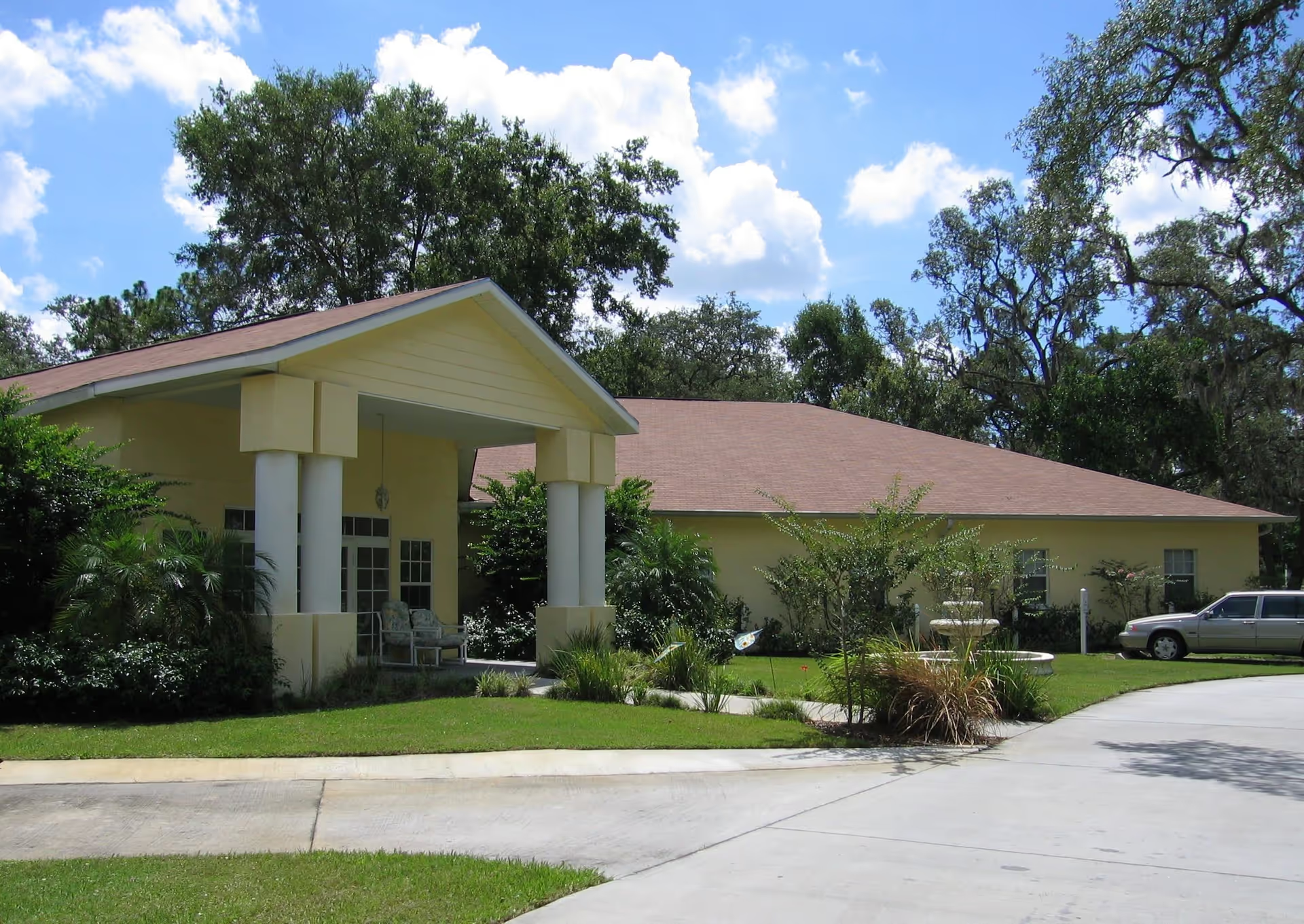
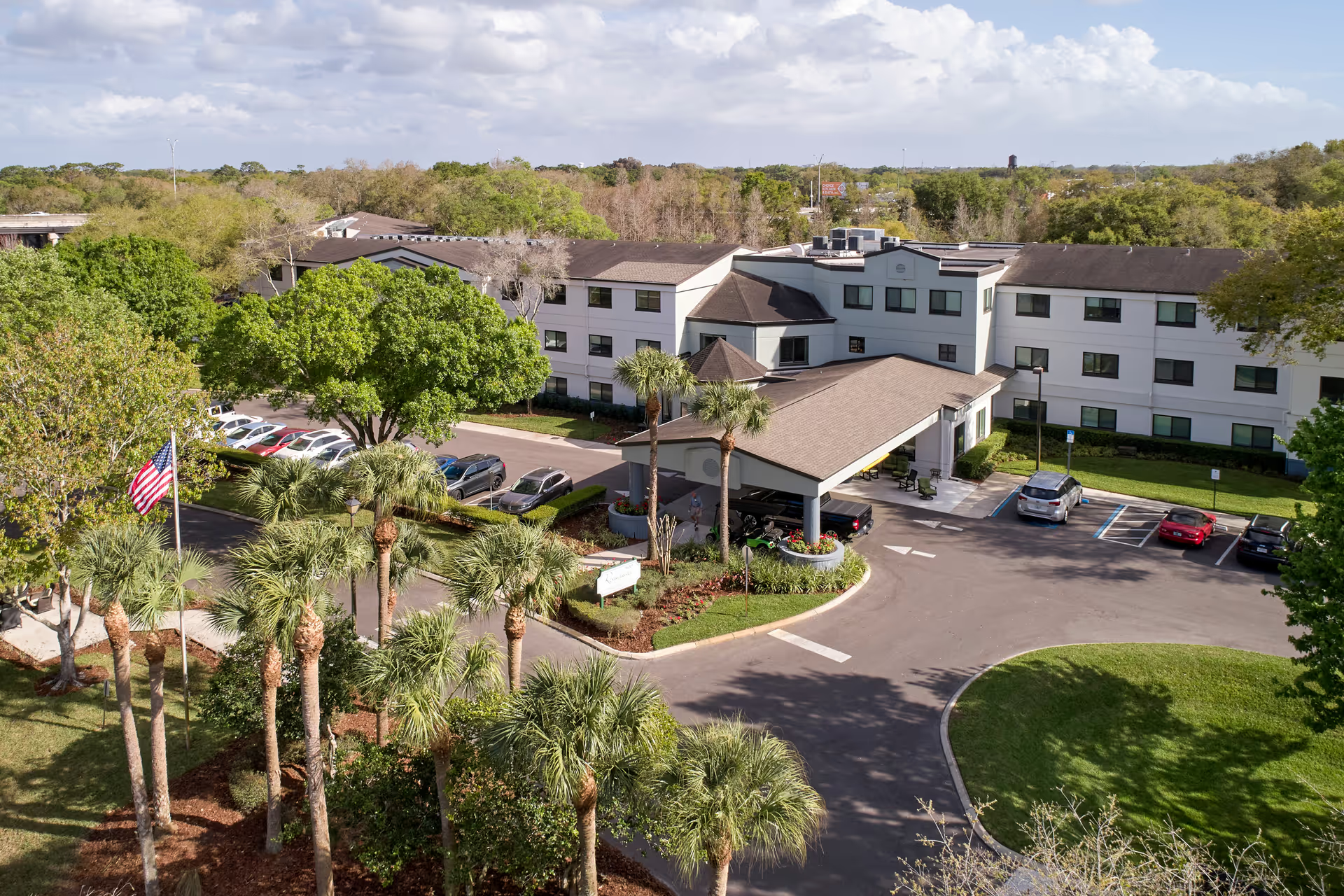
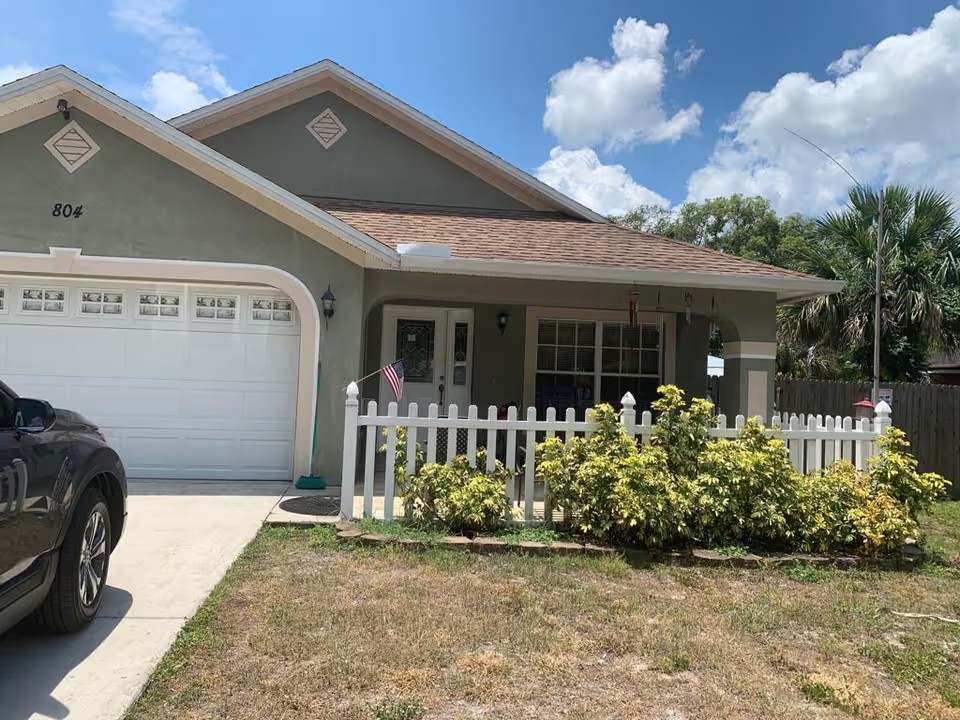
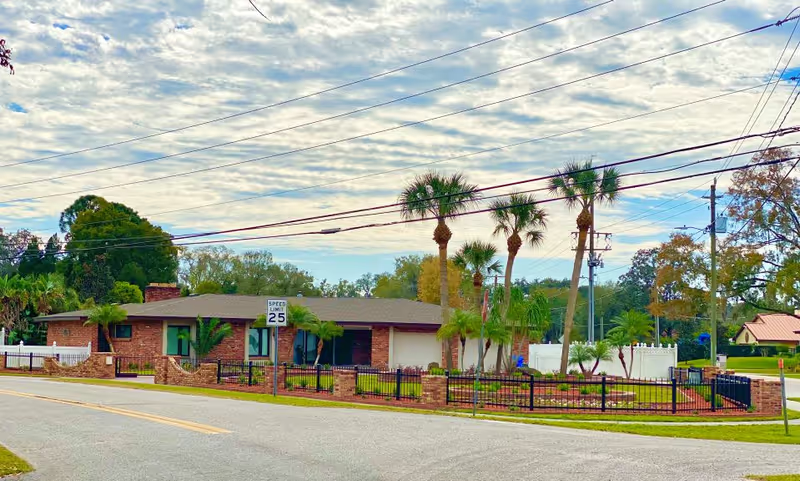
SeaCoast at Uptown Oaks presents a mixed profile: many families praise the staff and community programming, while a set of operational issues recurs across reviews. Strengths include a consistently described culture of caring among direct-care staff, med-techs, receptionists, and maintenance team members who are frequently characterized as friendly, helpful, and willing to go beyond their duties. Residents and families commonly note spacious, apartment-style units with private bathrooms and kitchenettes, accessible outdoor space, and an active Life Enrichment program that offers outings, games, classes, and frequent social opportunities.
Dining and activities are visible anchors of community life. Several reviewers described restaurant-style service, three daily meals, attractive dining rooms, and engaging meal presentation; others, however, described variability in meal quality and consistency. The facility's activity programming, including outings, group classes, and volunteer involvement, earns positive remarks for keeping residents engaged and socially active.
Care quality and clinical operations show a dual pattern. Many accounts highlight compassionate nursing and hands-on assistance that improved residents' well-being after transitions such as rehab. Concurrently, there are documented concerns about inconsistent caregiving responsiveness (including personal-care assistance), medication-administration lapses, and uneven staff training. These operational gaps have led to situations that families found troubling; several reviewers specifically urged probing the facility's medication protocols and staffing qualifications during tours.
Facility condition and maintenance are uneven. Positive comments note clean, attractive common areas and efficient maintenance response in many units. Counterbalancing this, reviewers describe deferred cosmetic maintenance (peeling wallpaper, scuffed floors, temporary door and window coverings), HVAC/window problems, and pest-control concerns in some residential areas. These issues suggest variability in routine upkeep and environmental controls across the building.
Management and communication are another area of contrast. Some families praise transparent communication, timely updates, and an informed admissions process. Others reported significant breakdowns in incident reporting, changes in visiting policies, and problematic handling of end-of-life notifications and personal belongings. Those concerns are operational in nature—indicating gaps in protocols for clinical incidents, family notification, and property safeguards—rather than isolated interpersonal complaints.
In summary, SeaCoast at Uptown Oaks offers many of the positive attributes families seek in a senior community: engaged caregiving staff, roomy apartment options, an active activities calendar, and generally appealing dining environments. Prospective residents and families should weigh these strengths against documented operational weaknesses—particularly maintenance consistency, dining reliability, clinical protocol adherence, and incident/notification procedures. Recommended next steps for prospective families: request recent maintenance and pest-control records, review medication-administration policies and staff qualifications, ask about end-of-life and incident-notification protocols, and tour multiple apartments and common areas at different times of day to assess consistency in staffing, dining, and cleanliness.