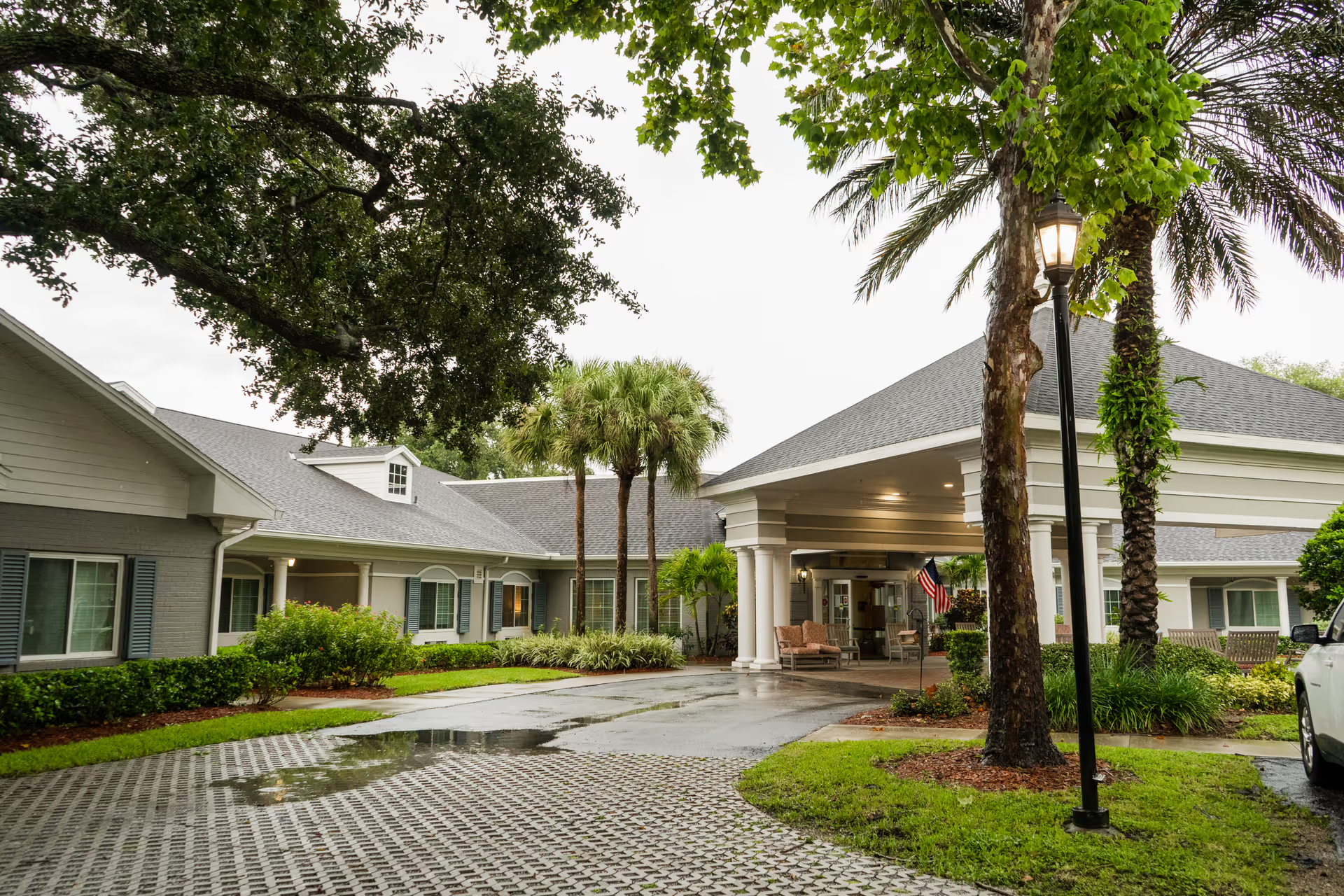
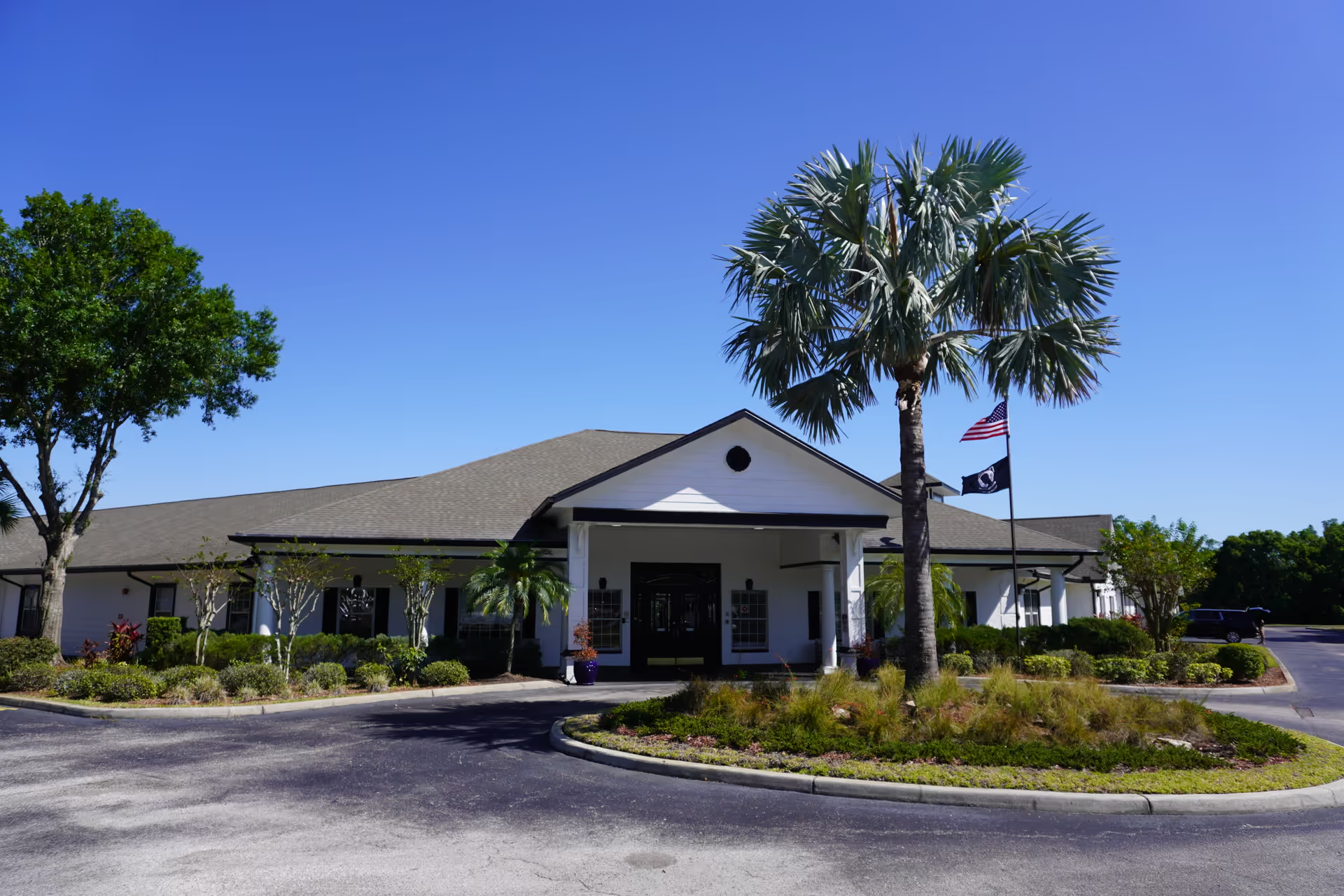
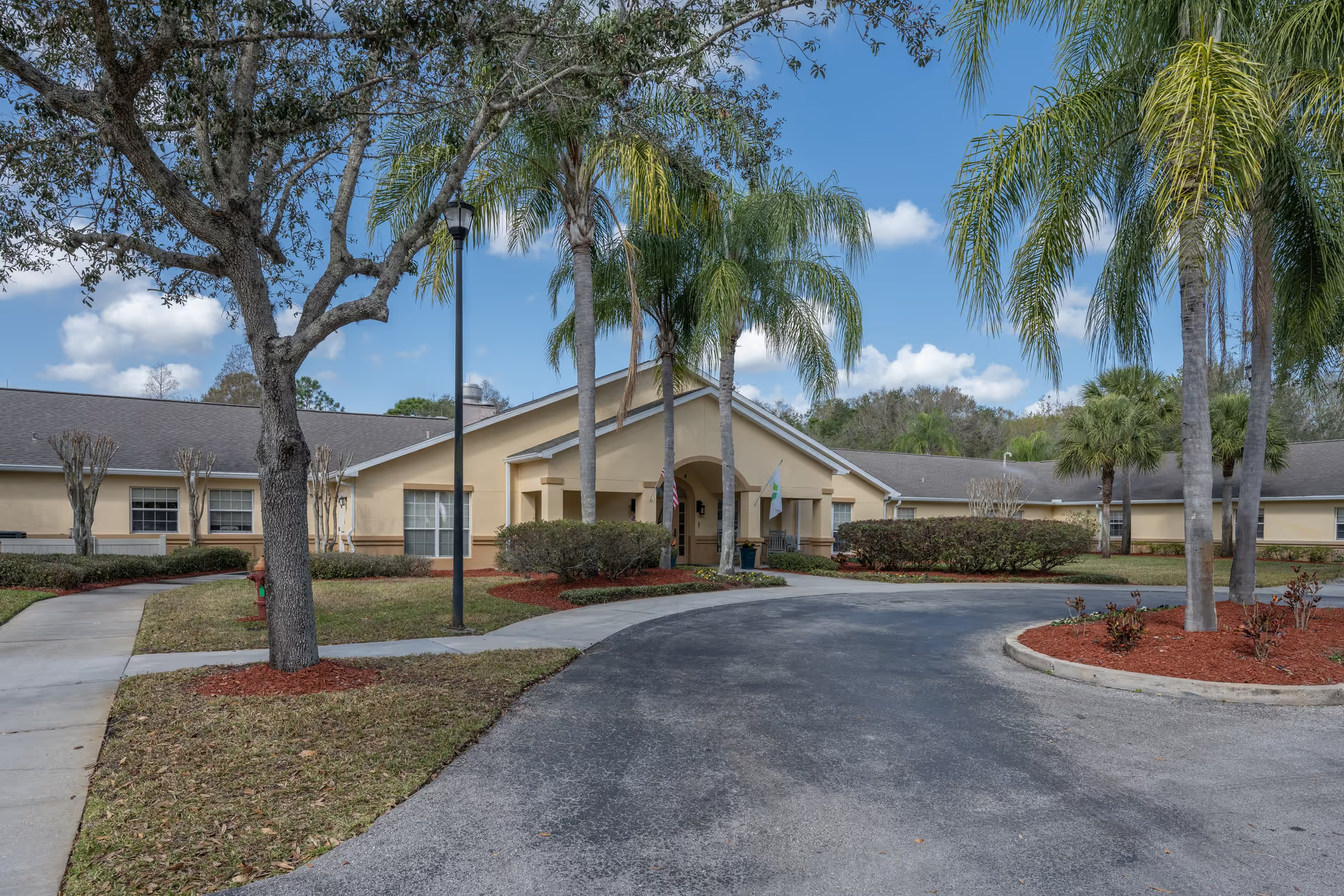
Tampa Gardens Senior Living elicits strongly polarized impressions: many families praise its caregiving teams, social programming, attractive facilities and restaurant‑style dining, while other accounts describe operational gaps that have impacted care continuity. Positive feedback centers on long‑tenured nurses and aides, memory‑care competence, attentive one‑on‑one support, and an active calendar that includes live music, outings, arts and crafts, and holiday events. Reviewers also frequently describe a bright, recently renovated building with pleasant grounds, a welcoming dining room, and staff who provide hands‑on move‑in assistance and personalized transition support.
Care quality and staff conduct are a mixed picture. Numerous reviews commend caring, patient staff and specific employees who provided timely, compassionate care; memory‑care residents and those in rehabilitation are often cited as benefiting from skilled therapy and individualized plans. However, other accounts identify operational weaknesses: elevated staff turnover and inconsistent shift coverage, uneven responsiveness to call lights, variability in bathing and ADL assistance, and intermittent delays in medication administration. Several reviews describe a decline in consistency after a change in ownership and leadership, with families noting reduced clinical continuity and less proactive communication from administration.
Dining and activities are frequently highlighted as strengths but with variability. Many residents and families appreciate restaurant‑style meals, plated service, dietary accommodations, and social dining with entertainment. At the same time, there are recurring concerns about inconsistent food quality or temperature and periodic reductions in outings and group programming — issues attributed to staffing pressures and infection‑control restrictions. The activity program remains a clear asset when fully staffed and supported, offering creative events, transportation for trips, and frequent on‑campus entertainment.
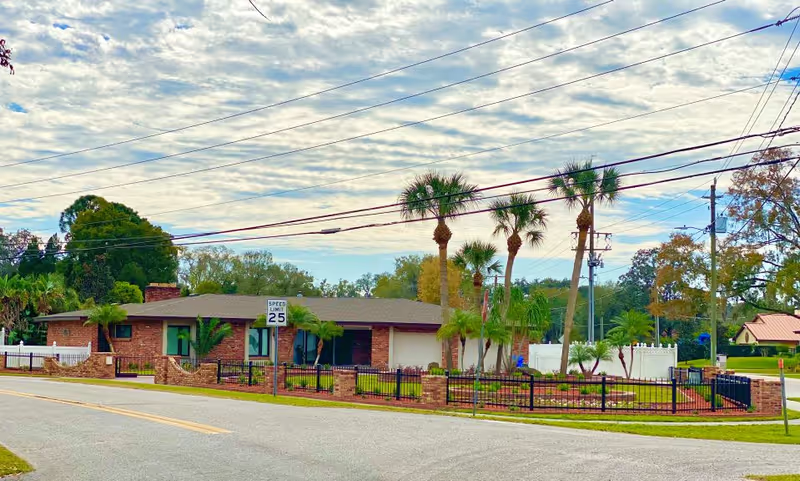
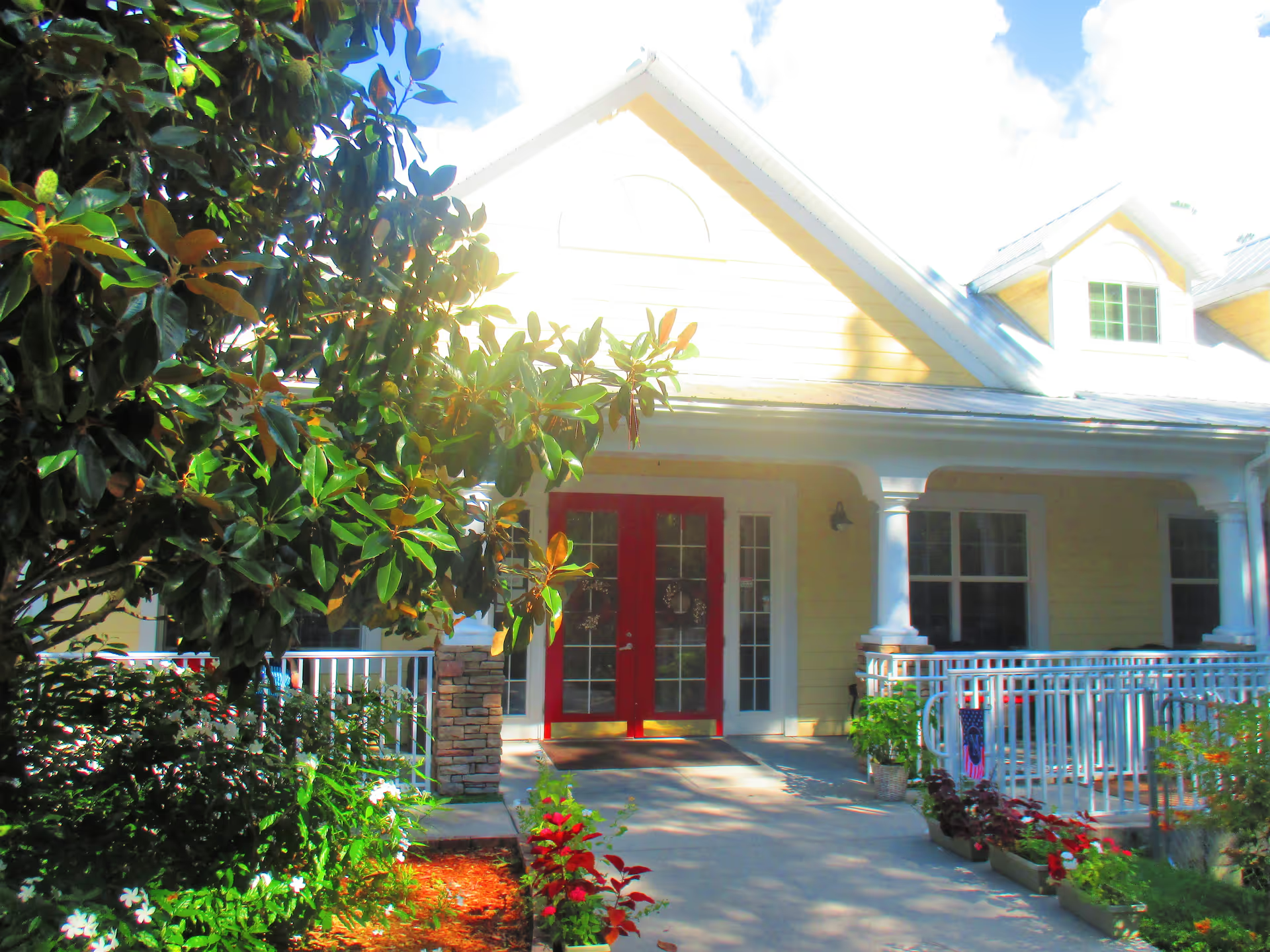
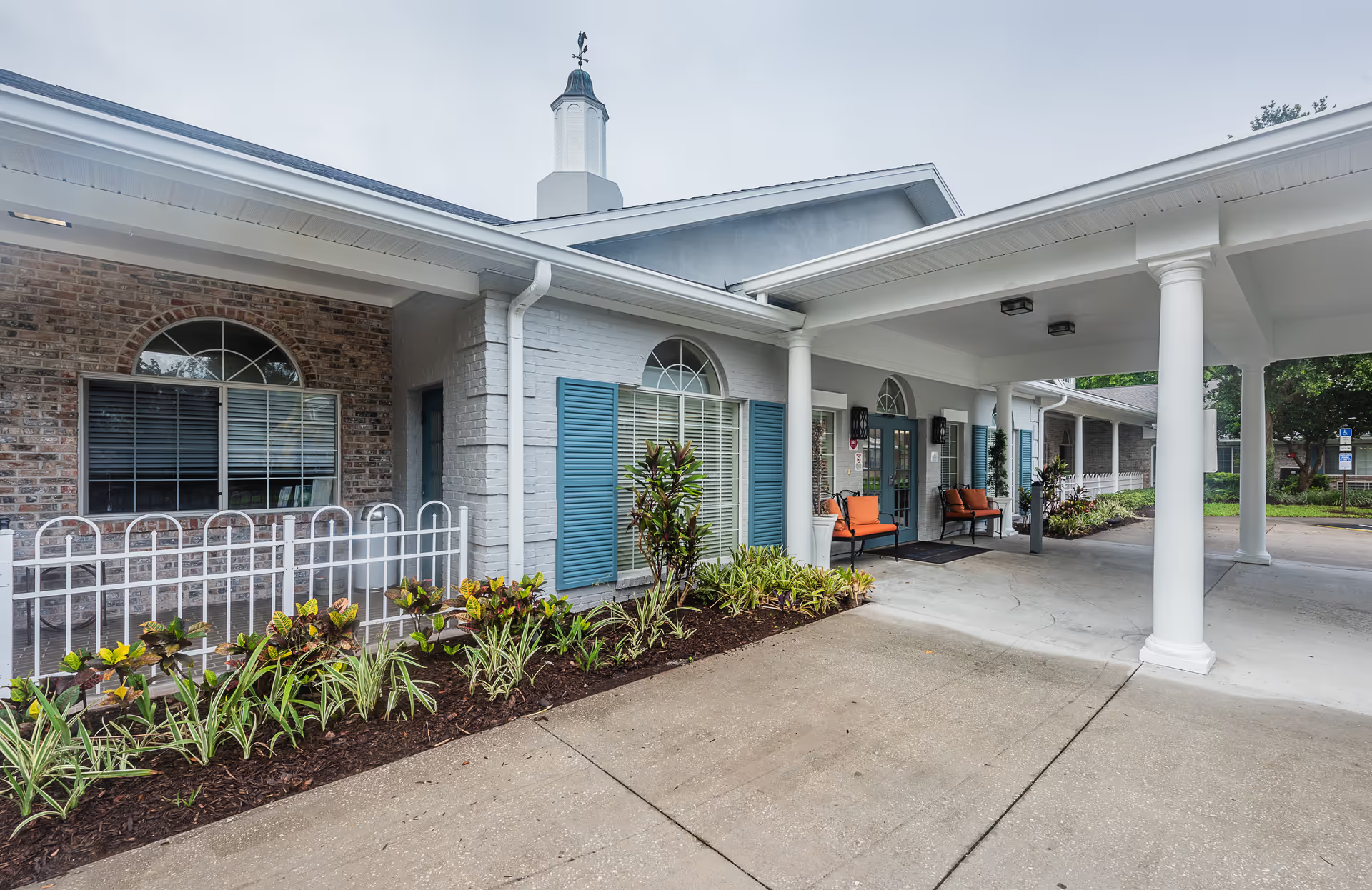
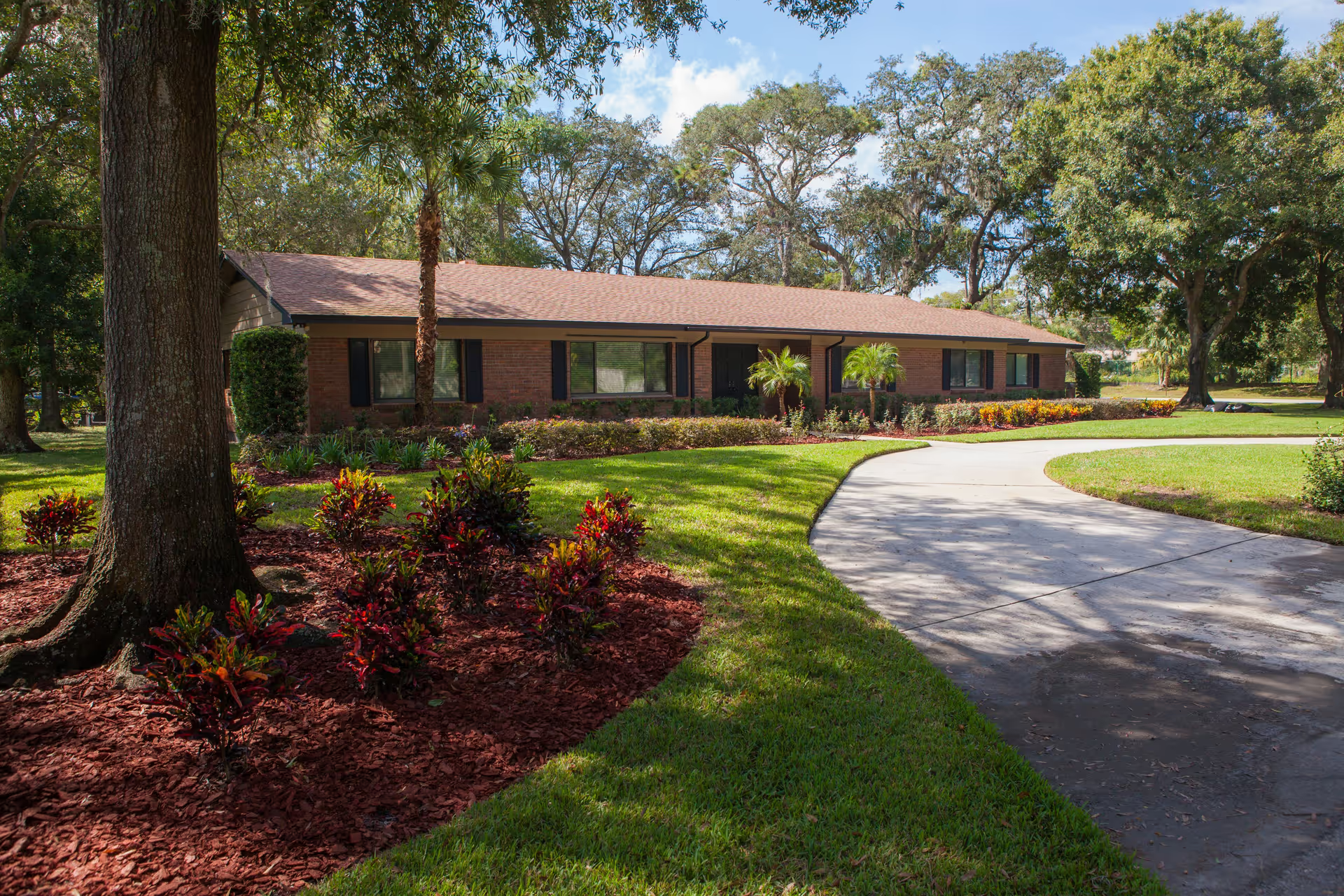
Facility condition and safety observations are similarly mixed. The campus, common areas and many apartments receive positive comments for cleanliness, renovations, natural light and outdoor spaces. Conversely, some reviews cite sanitation concerns in specific bathrooms or common areas, elevator or accessibility problems, security‑door/keypad failures, and back‑entry configurations that may present mobility or safety challenges. Pet‑friendly policies add to community life for many residents but have also been associated with occasional odor or hallway issues in a minority of accounts.
Management, operations and administrative issues are the clearest recurring patterns of concern. Several reviews reference a change in ownership that coincided with senior‑staff turnover, reduced communication, and altered service levels. Transportation availability is frequently inconsistent relative to marketing claims — reviewers describe the advertised bus or wheelchair lift as unreliable or discontinued, creating out‑of‑pocket ride costs for families. There are also repeated mentions of billing discrepancies, laundry or personal‑property handling problems, and at least one set of allegations concerning theft and financial mishandling that families elevated to formal complaints.
What this pattern means for prospective residents: Tampa Gardens shows many of the qualities families seek — engaged staff, strong memory‑care experience, active social programming, and an upgraded physical environment — but the facility also displays operational fragilities that can affect day‑to‑day living. Families touring the community should ask targeted questions about current staffing ratios and turnover, recent ownership or leadership changes, transportation availability and contract language, sanitation protocols and housekeeping schedules, medication‑administration safeguards, laundry/property procedures, and how the facility communicates with families about incidents and care changes. Verifying recent state inspection results and speaking directly with current resident families can help clarify whether the positive aspects are stable and whether the operational concerns have been addressed.