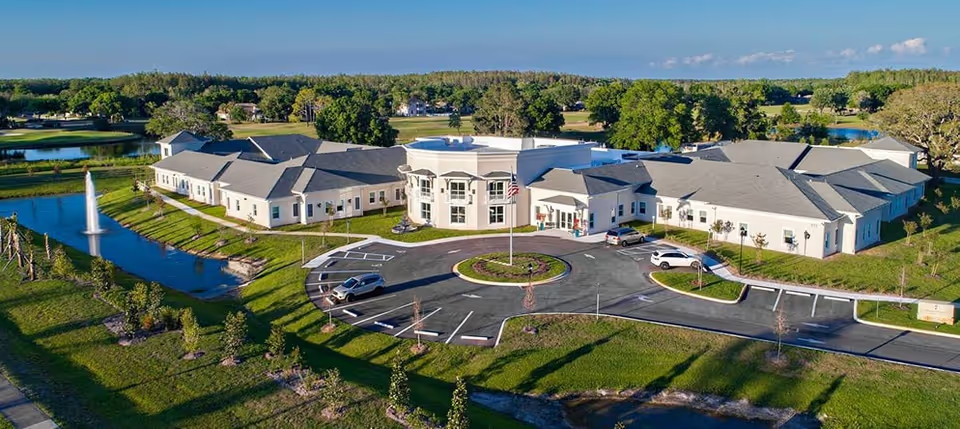
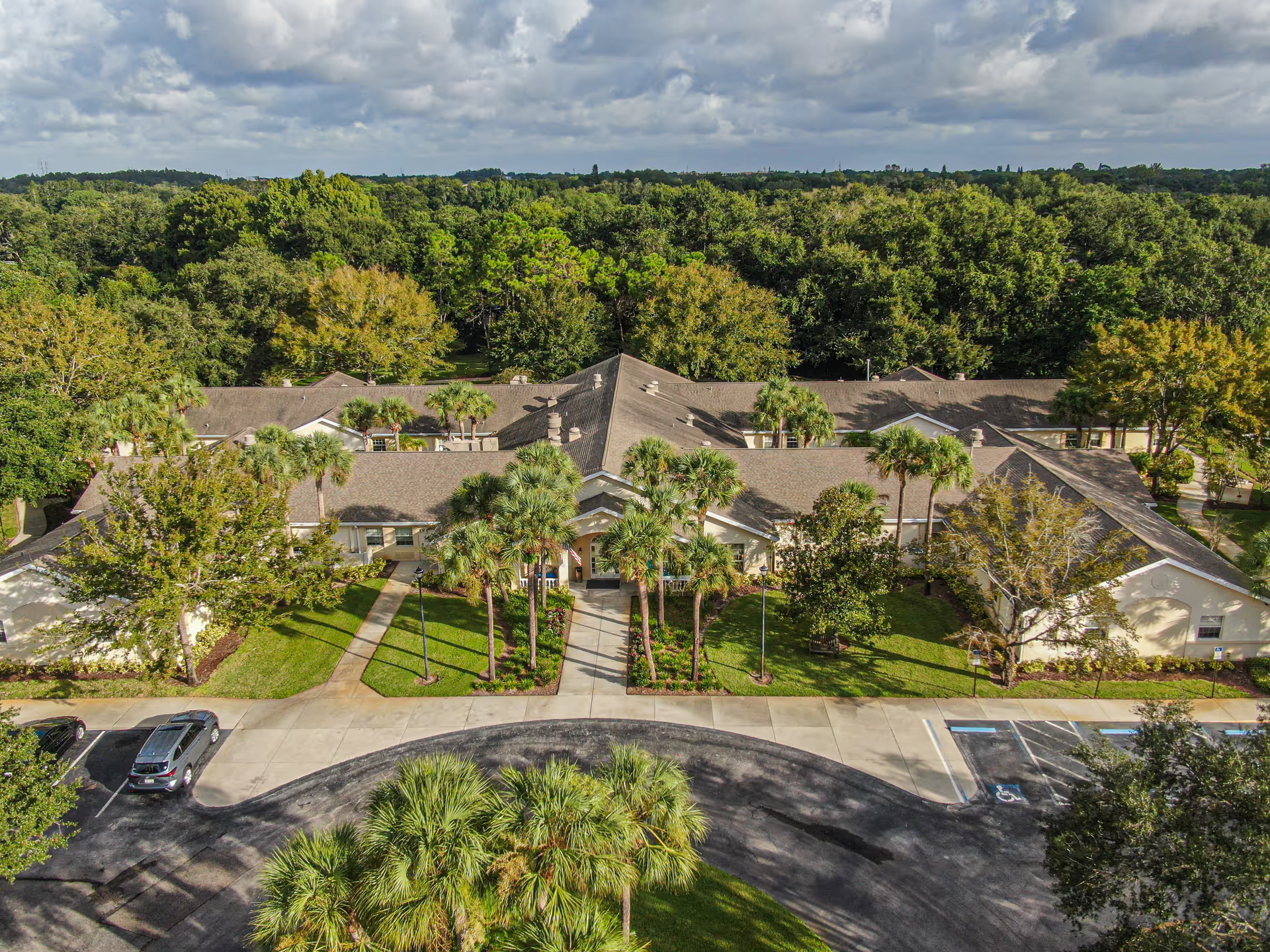
Overall impression: Feedback indicates a facility that delivers warm, personalized assisted-living care within a small, home-like setting. The most consistent strengths described are the caregiving staff and the resident-focused culture: front-line staff are described as visible, caring, and attentive, and many families emphasize a sense of individualized attention and relationship-building. The community’s one-level layout, private studio units with kitchenettes, and accessible grounds support residents with mobility needs and contribute to a comfortable, familiar environment.
Care and clinical services: Clinical supports are generally viewed positively. On-site therapy (OT/PT/SLP) and routine clinician visits are available, and reviewers frequently cite effective rehabilitation and stabilization of residents. Housekeeping, nursing, and kitchen staff are often characterized as compassionate and capable; however, persistent concerns about staffing levels and turnover suggest variability in responsiveness and continuity of care. A number of comments point to delays in service or gaps in coverage during weekends or off-hours, which can affect timely assistance.
Staff and management: Staff–resident interactions are a clear strength, with many reviewers highlighting long-tenured activity staff, friendly nursing aides, and engaged reception/concierge personnel. At the same time, administrative themes are mixed: several comments describe helpful, hands-on leadership and smooth move-ins, while others cite leadership turnover, inconsistent communication (unreturned voicemails, closed offices), and occasional unfriendly or temporary staff. Billing and invoicing practices also emerge as an operational pain point, including confusion over charges, classification of stays (respite vs move-in), and post-entry rent or fee increases.
Dining and culinary program: Dining is a prominent positive overall. The facility emphasizes restaurant-style service, family dining options, and made-from-scratch meals under a highly regarded chef; themed family dinners and flexible dietary accommodations are noted. That said, food quality appears to be somewhat dependent on culinary staffing—several comments praise exceptional meals, while others describe declines after staffing changes or note lighter evening offerings. Overall, dining is a differentiator for the community but has occasional variability.
Activities and social programming: Programming receives consistent praise. Residents have access to a broad mix of activities—happy hours, live music, art classes, exercise (Bfit), trivia, bus outings, movie nights, and social events—and the activities director is frequently singled out for engagement and promotion of events. The small-community scale supports social cohesion and visible participation, though pandemic-related restrictions have at times limited outings and group events.
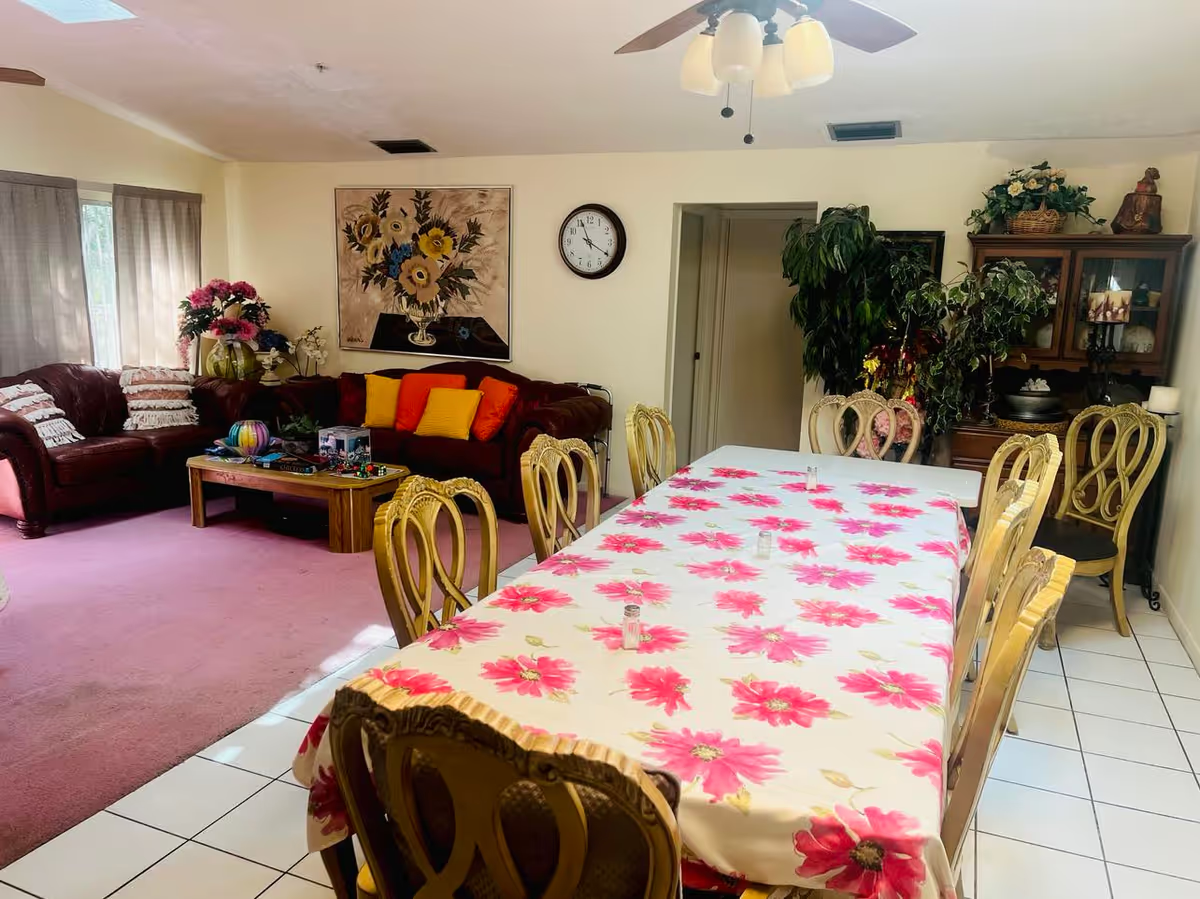
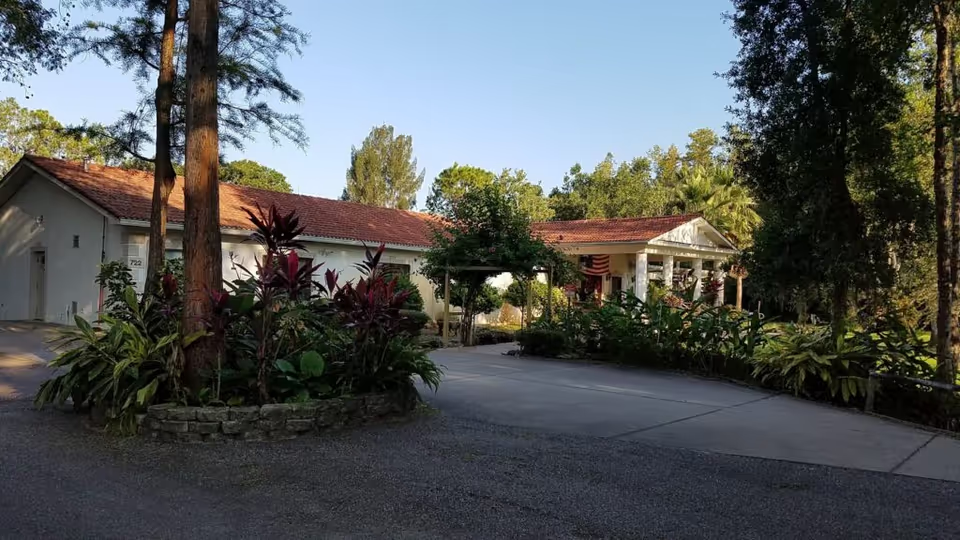
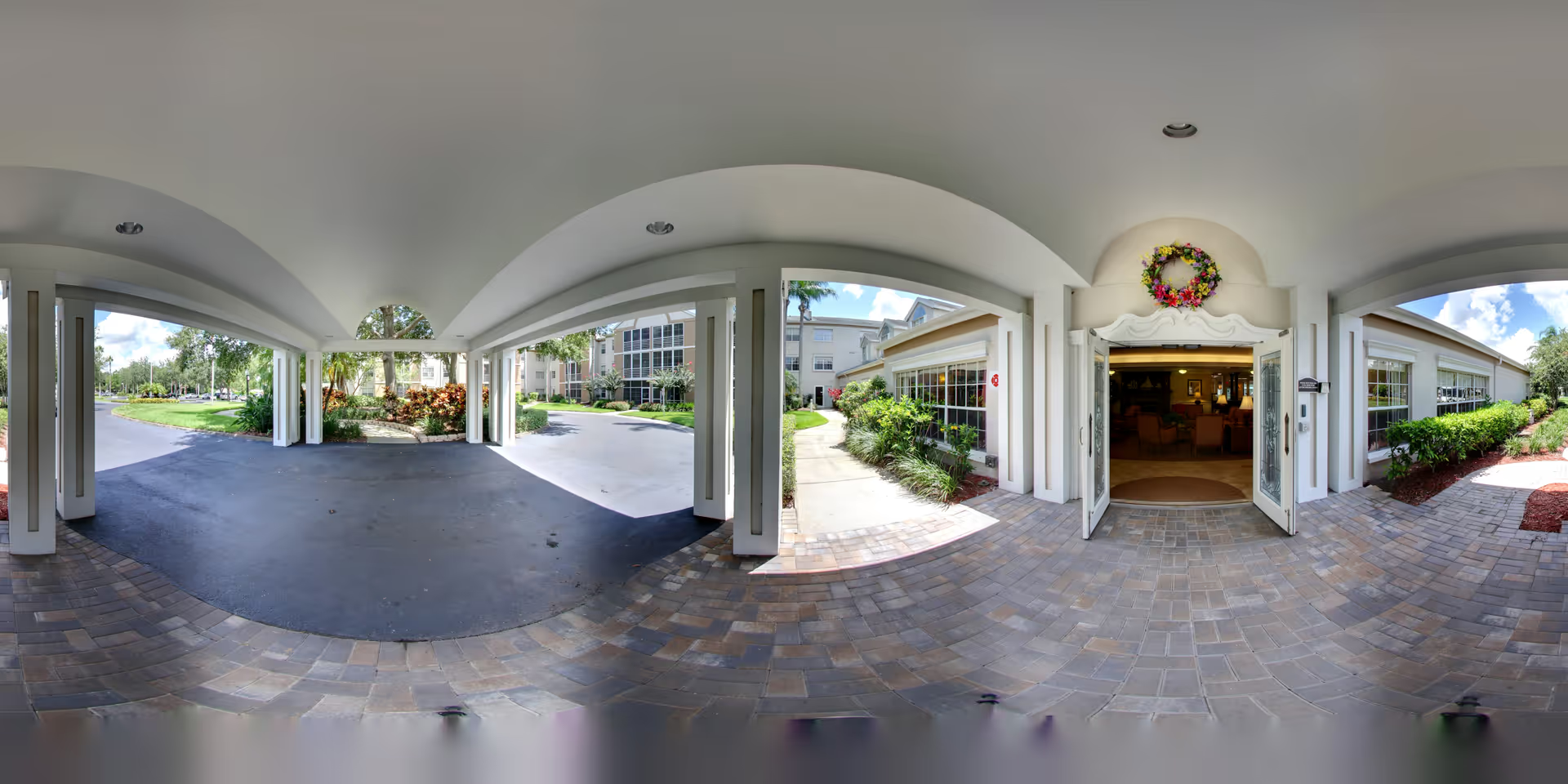
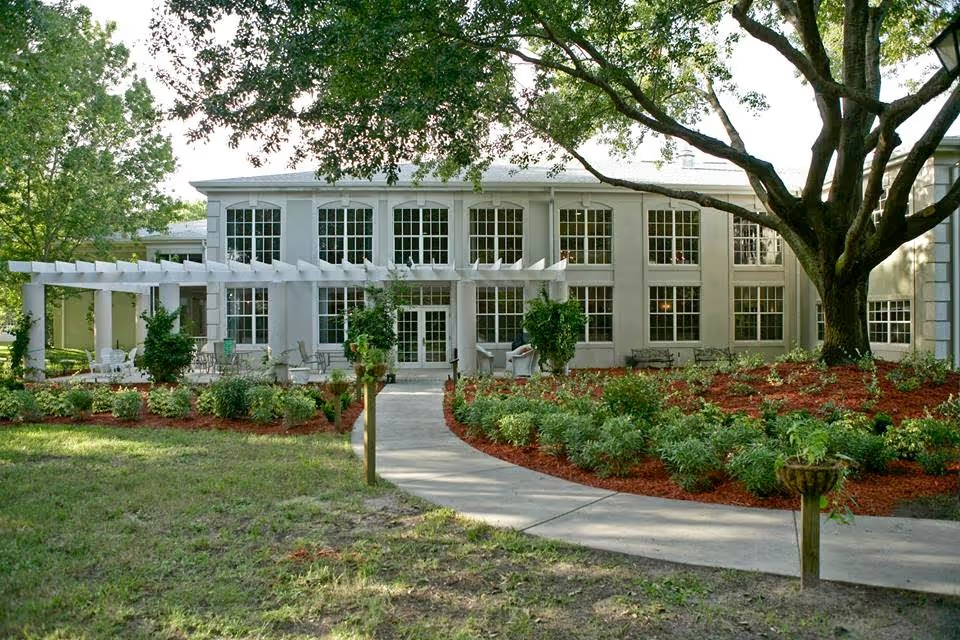
Facilities and maintenance: Physically, the property is often described as cozy, well-landscaped, and comfortable, with large common areas and a country-club or hotel-like lobby feel. Private room layouts and accessible design are strengths. Counterbalancing this, there are repeated operational concerns about intermittent maintenance and housekeeping: roof leaks, water damage, carpeting and cleaning deficits, and occasional odor or sanitation concerns in specific areas. Security and emergency infrastructure are also identified as areas for improvement—examples include an unstaffed front desk at night and a lack of in-room emergency call lights in some units—indicating opportunities to strengthen safety protocols and coverage.
Notable patterns and trade-offs for families: The dominant positive threads are strong interpersonal care, robust activities, and an elevated dining experience, all within a small, home-like campus. The dominant operational cautions are inconsistent staffing and administrative practices, billing transparency issues, and sporadic maintenance/cleanliness problems. Prospective residents and families should weigh the community’s clear strengths in daily living and social programming against potential variability in administrative responsiveness, night-time coverage, and ongoing affordability due to rent increases and ancillary charges. For families prioritizing culinary quality, visible caregiving staff, and an active social calendar in a small, accessible setting, this community appears well suited; for those who require guaranteed 24/7 front-desk coverage, an on-site memory-care unit, or consistently documented administrative processes, it may be worth clarifying these specific operational areas during a tour and in the contract paperwork.