Freedom Pointe at the Villages elicits strongly mixed impressions across reviewers: many describe compassionate, skilled frontline staff and highly effective rehabilitation services, while others cite important clinical, safety, and operational concerns. The facility is repeatedly praised for its therapy teams (PT/OT), positive rehab outcomes, engaging activities program, well-regarded dining, and attractive campus and apartment environments. Families and residents often note prompt therapy starts, personable activities staff, enjoyable social programming (including music and special events), and a general sense of a comfortable, home-like community.
At the same time, there are consistent themes pointing to variability in clinical care and operational reliability. Several comments indicate lapses in medication management, delayed or inconsistent communication with physicians, and delays in escalation during medical events. Related concerns include monitoring and safety protocol gaps (for example, inconsistent observation of wandering risk or equipment monitoring) and issues that suggest weaknesses in clinical oversight. These patterns appear to have led, in some cases, to hospital readmissions or the need for higher-acuity interventions.
Staffing and management patterns contribute to both the strengths and the concerns. Many reviewers single out individual caregivers, nurses, therapists, and culinary staff as exceptional, describing professionalism, warmth, and dedication. However, reviewers also describe uneven staffing levels, weekend coverage limitations, and notable staff turnover — including departures in clinical and administrative roles — that appear to affect continuity of care. Several reviewers describe slow or nonresponsive administrative communication (unanswered emails/phone calls), variable front-desk interactions, and perceptions that leadership presence and accountability are inconsistent.
Dining and dietary management receive largely positive feedback for food quality and variety, including vegetarian options, but there are operational concerns about meeting medically restricted diets (notably low-sodium or renal diets) and occasional meal-temperature or service inconsistencies. Some families recommended confirming dietary accommodations in advance for residents with specific nutritional needs.
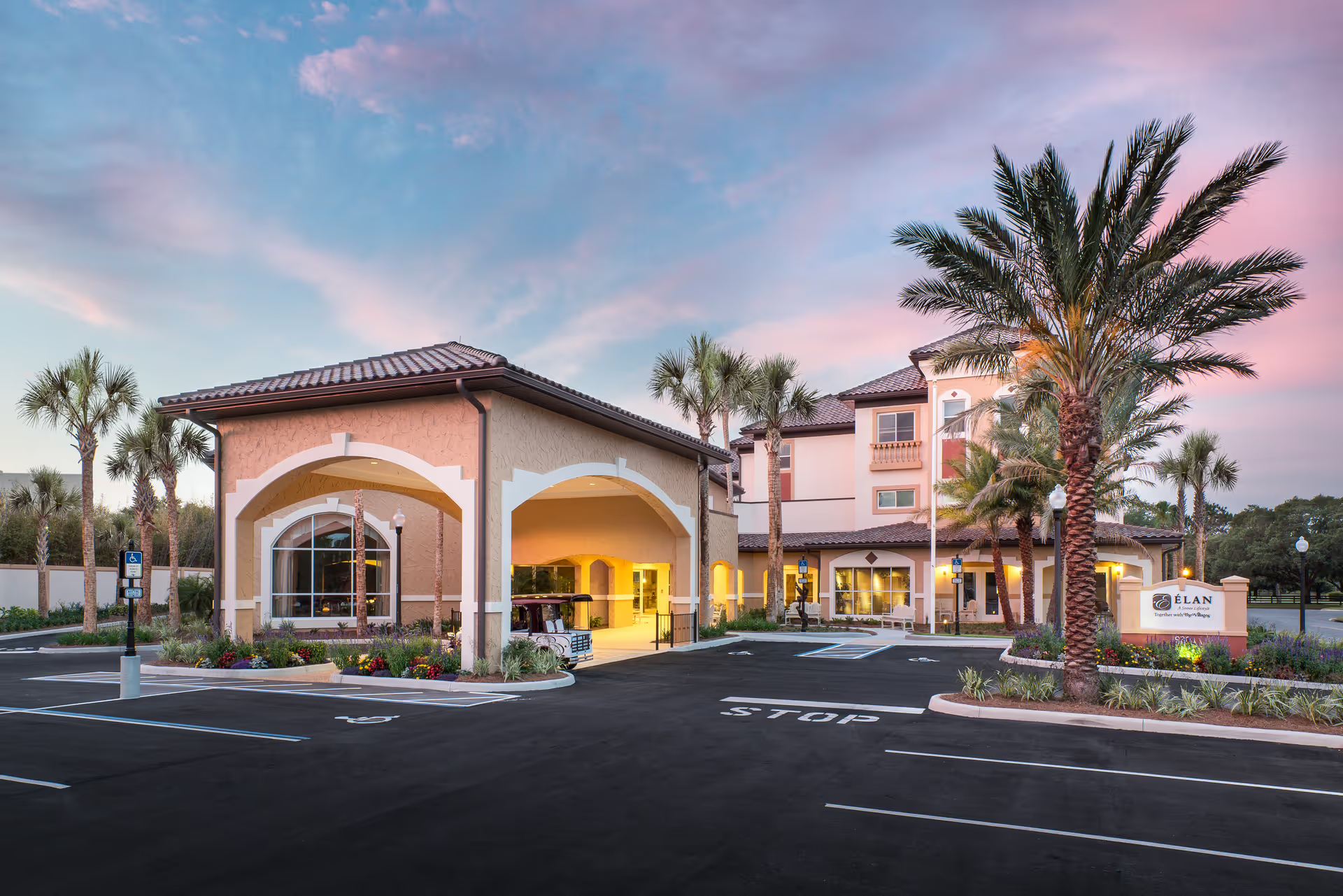
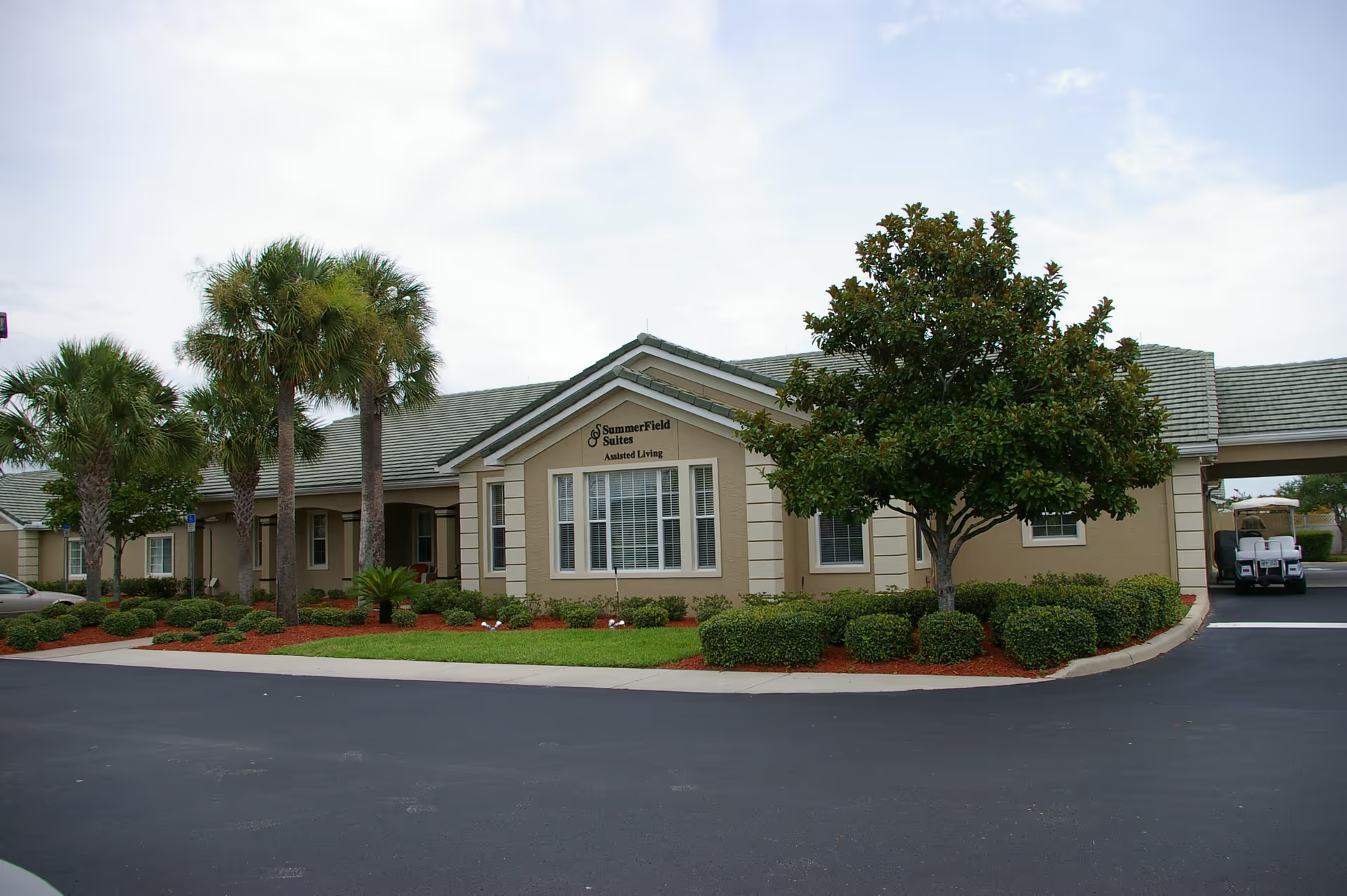
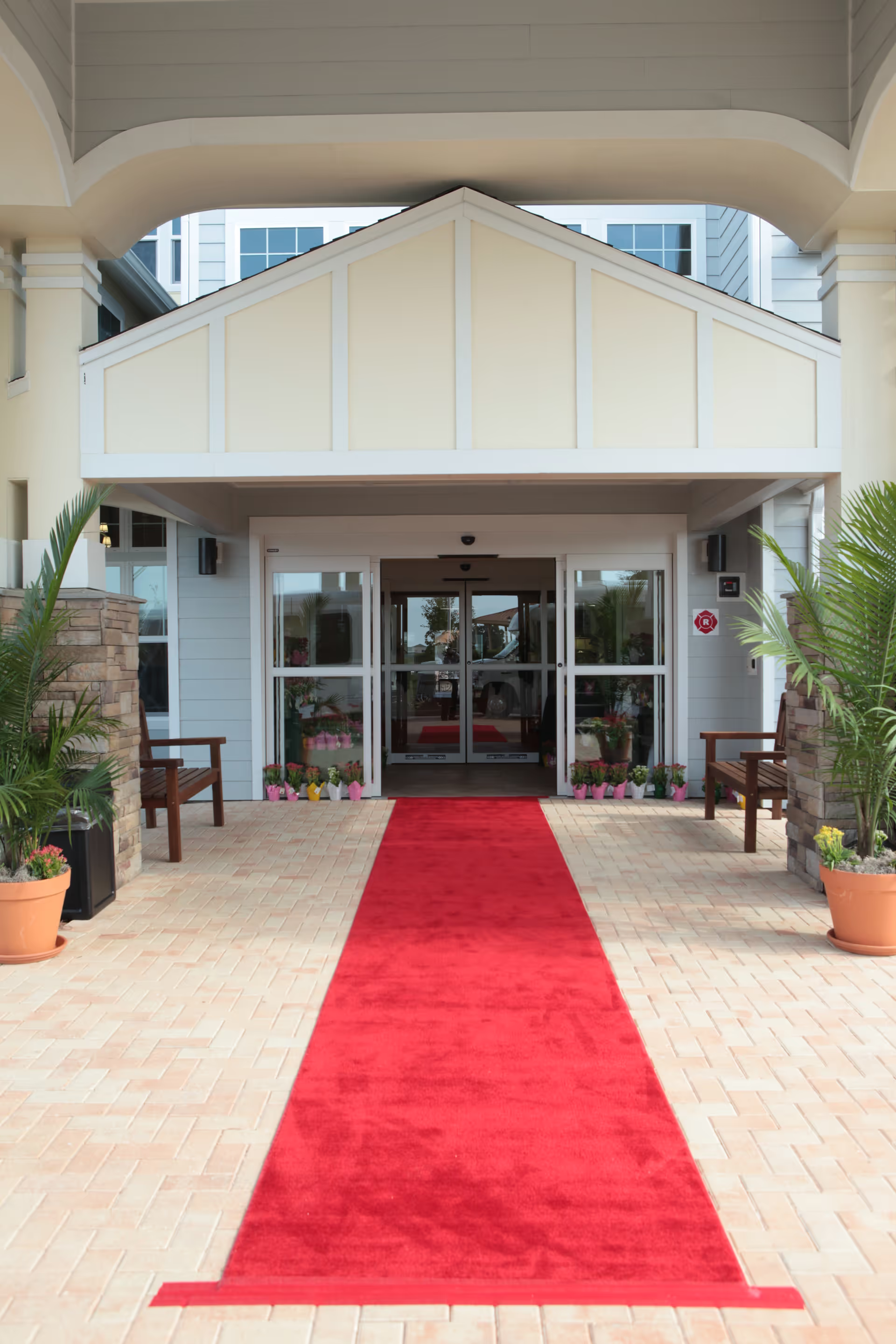
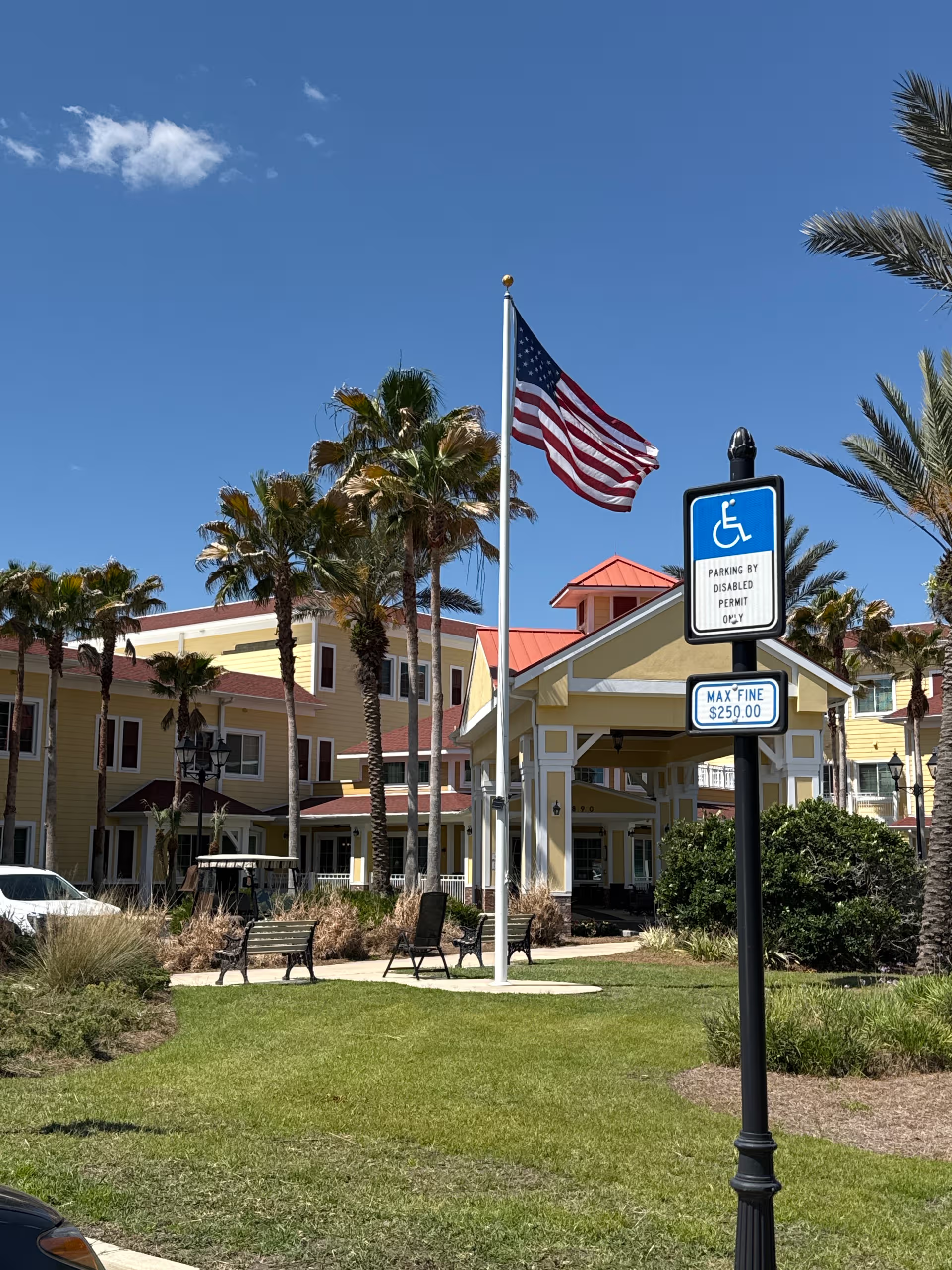
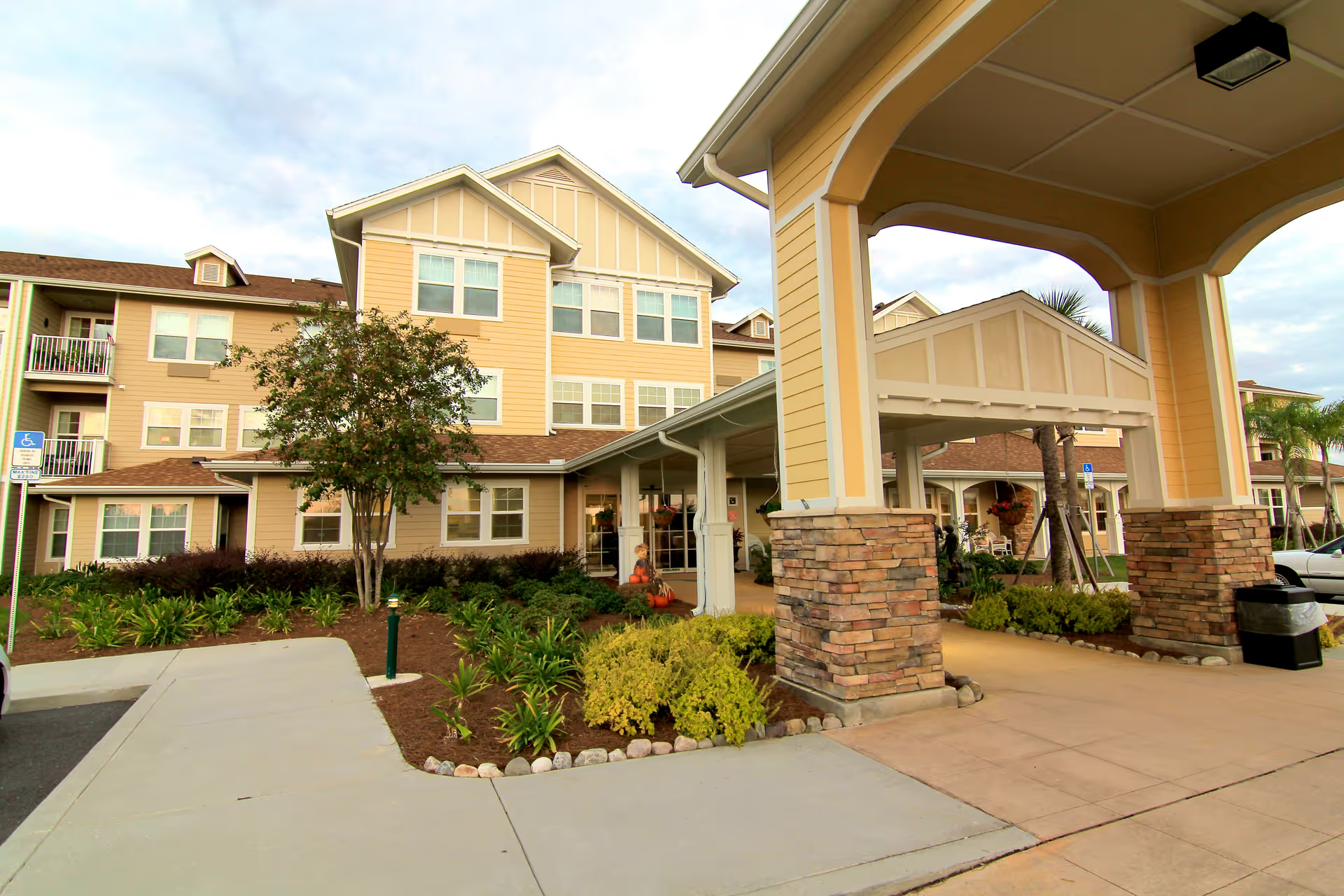
Facility and housekeeping impressions are mostly favorable regarding the campus, apartments, and communal spaces; reviewers describe the grounds as attractive and the environment as pleasant. At the same time, a subset of comments raises sanitation and housekeeping workload concerns, suggesting that service levels can vary and that staffing or retention pressures may impact cleanliness in certain units.
Notable operational issues include personal-property security and privacy procedure weaknesses and mixed infection-control transparency. While some accounts describe strict and effective infection-control practices, others describe unclear isolation procedures or limited transparency during infectious events. There are also isolated but serious accounts alleging delayed emergency response and inadequate escalation; these warrant direct inquiry by prospective residents and families.
Recommendation for prospective residents and families: plan a focused tour and ask specific, operational questions. Suggested topics include clinical oversight and escalation protocols, medication-management processes and physician-communication pathways, staffing ratios and weekend coverage, policies for medically tailored diets, privacy and property-security procedures, housekeeping staffing and standards, and recent staff turnover. Meeting the nursing leadership and therapy team, reviewing sample menus and therapeutic plans, and asking for references from current families can help clarify whether the facility’s strengths align with your care priorities.