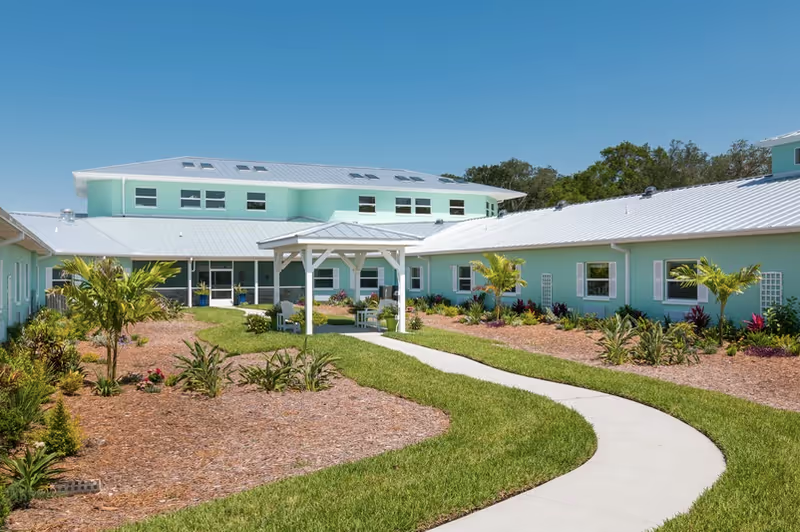
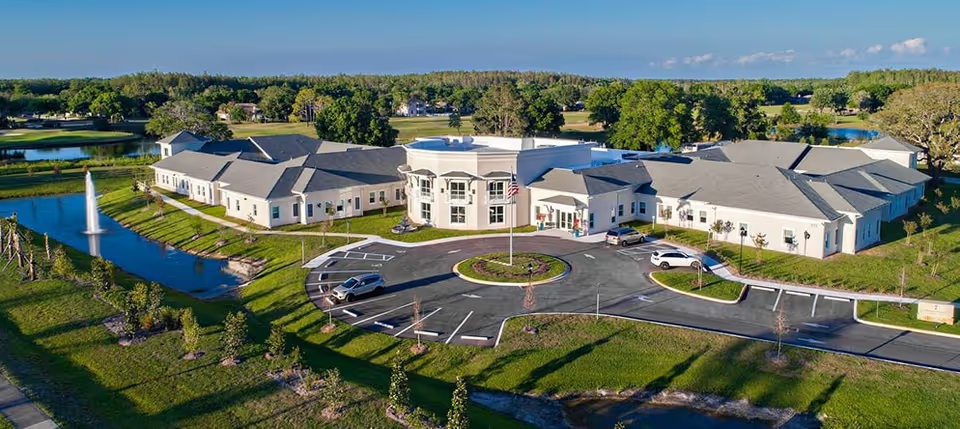
Sunflower Springs at Trinity presents as a modern, amenity-rich assisted living community with many attributes families commonly seek: new, well-maintained construction, hotel-style common spaces, chef-led dining, a broad slate of activities, and on-site clinical supports including nursing and therapy. Move-in and admissions processes are frequently described as smooth and supportive. Residents and families repeatedly praise individual caregivers and med-techs who provide attentive, compassionate care and help residents acclimate, and activity staff are credited with keeping the community engaged through outings, entertainers, and specialty amenities such as a theater and ice-cream parlor.
Care quality and staffing show a mixed picture. Many accounts describe kind, detail-oriented caregivers and responsive day-to-day assistance, as well as reliable housekeeping and laundry services. Conversely, a consistent pattern of staffing instability and variable staff competency emerges across reviews. Reviewers describe intermittent delays in assistance, uneven performance in Memory Care, and gaps in medication handling and clinical coordination. These operational weaknesses have led some families to transfer residents elsewhere and to raise concerns about responsiveness during clinical events.
Dining is generally a strength: chef-prepared, restaurant-style meals and flexible menu options receive strong praise from numerous families. That said, some reviewers assessed meal quality as inconsistent—particularly in Memory Care—citing portioning and choice variability. Activities and engagement are frequently highlighted as robust, with active programming, outings, and an activity director who is visible and involved; however, Memory Care programming is described as less consistent when turnover is high.
Facility features are a clear draw: spacious apartments, screened-in porches, accessible bathrooms, and many common-area amenities contribute to a condominium-like environment that supports aging in place. At the same time, the building’s size can create long internal travel distances, which visitors and some residents find inconvenient. Housekeeping and common-area cleanliness are commonly praised, but there are also reports of unit-level sanitation concerns and instances where security and apartment access protocols were not adequately enforced.
Management and operational oversight receive mixed assessments. Several families note proactive, mission-driven staff and managers who resolve issues; yet others describe intermittent unresponsiveness from supervisors, confusing billing or charge discrepancies, and situations where facility communication was slow or incomplete. Of particular note are serious property-related concerns: there are allegations concerning staff access to resident apartments and missing belongings. These claims have been raised alongside broader worries about internal controls and resident-property security.
In summary, Sunflower Springs at Trinity offers many of the amenities and person-centered services that prospective residents and families value: modern accommodations, strong dining, active programming, and many praised caregiving staff members. However, reviewers consistently flag operational challenges that can materially affect experience and safety—most notably inconsistent staffing, variable clinical/medication practices, unit-level sanitation and security lapses, and occasional management communication gaps. Prospective families should balance the community’s clear strengths with these patterns by touring the memory-care neighborhood, asking for specifics on staffing ratios and turnover, reviewing medication- and property-security protocols, clarifying billing practices, and speaking with current residents and families about recent staffing and management responsiveness.