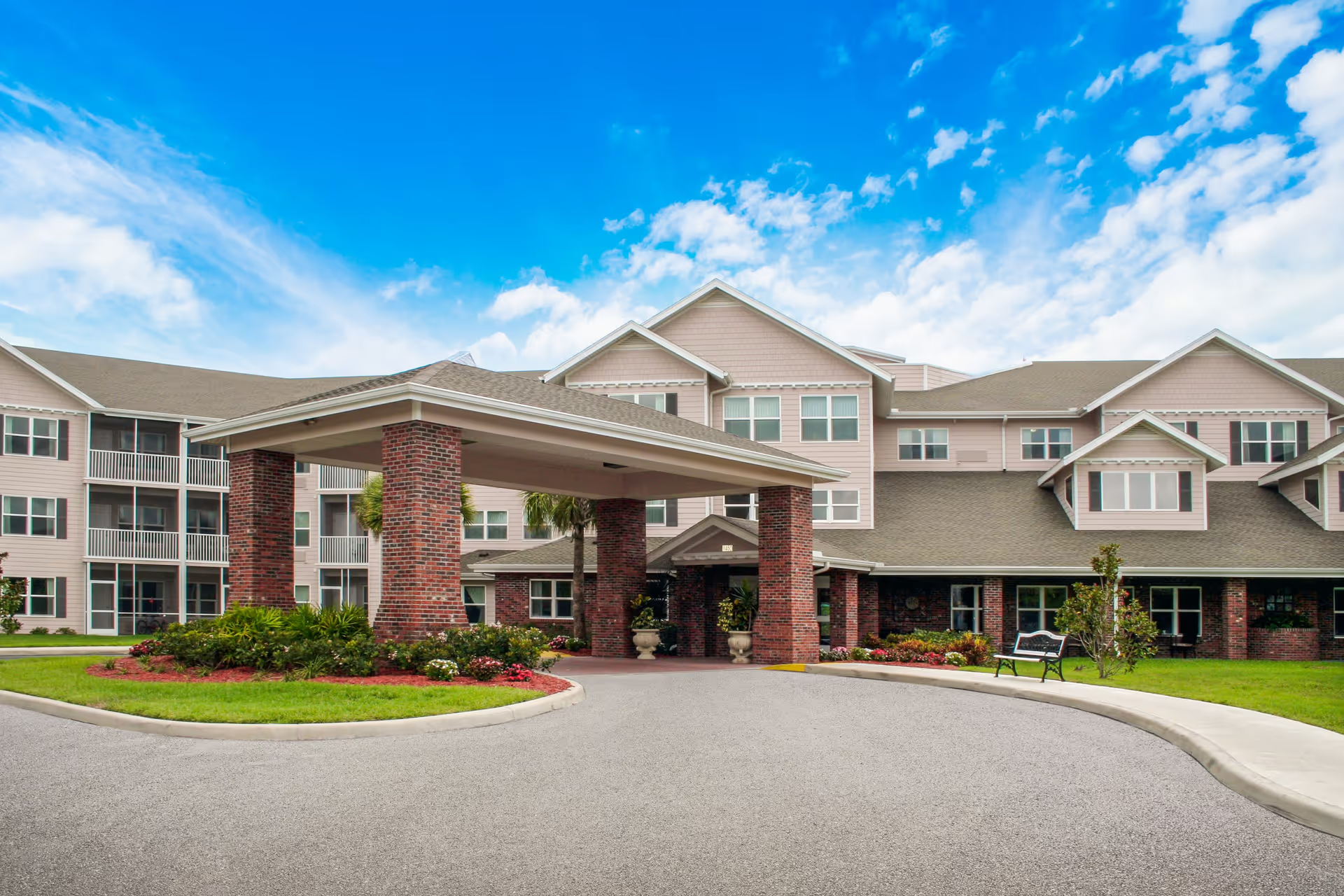
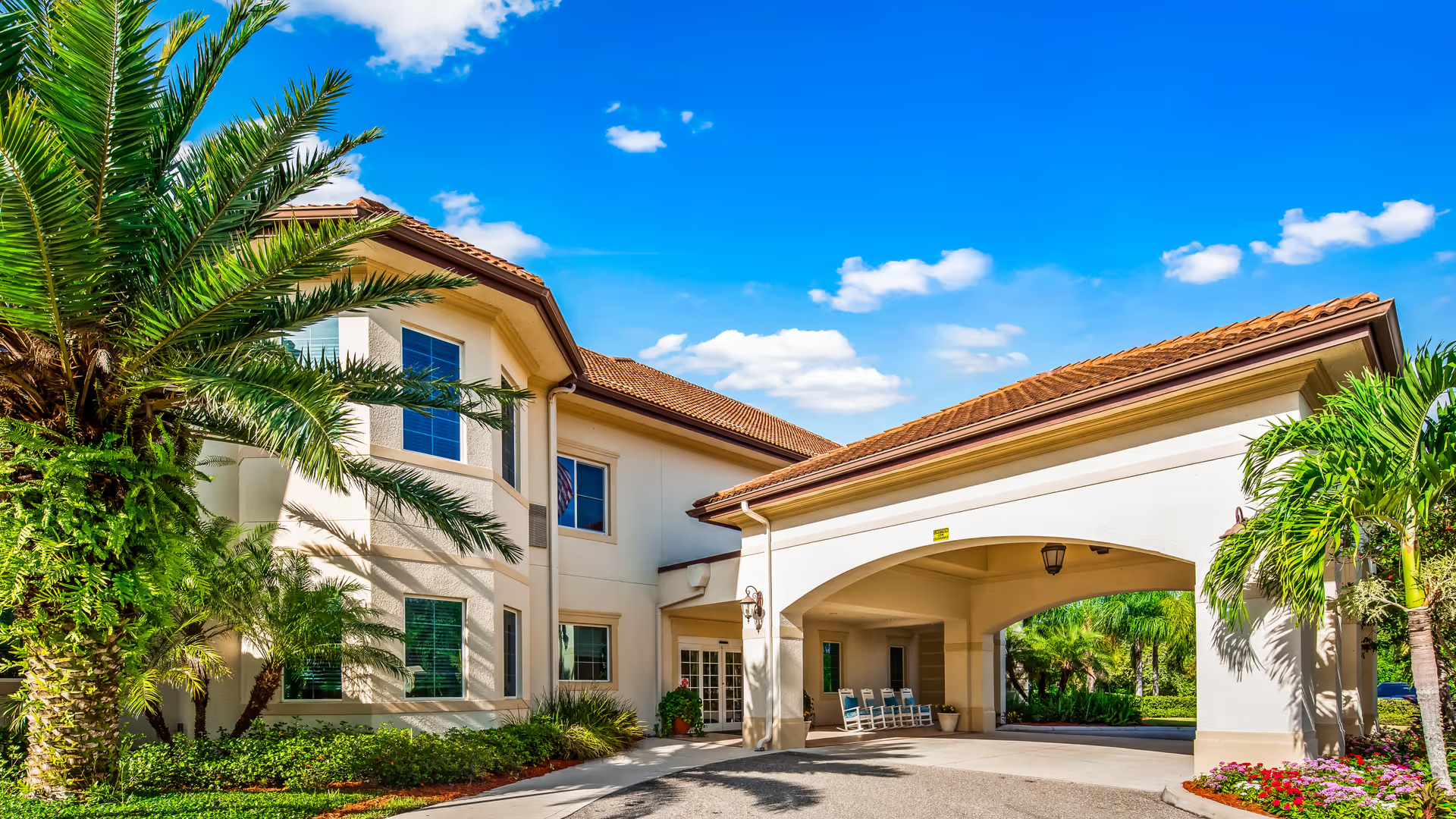
The overall impression of Jacaranda Trace is of an upscale, activity-rich retirement community with many strengths and a few notable operational gaps. Praise is frequent for the quality of the campus, the aesthetics of communal spaces and apartments, and the breadth of services offered. Residents and visitors consistently highlight friendly, attentive staff, robust social programming, and dining that aims for variety and nutrition. The availability of multiple care levels, on-site medical options, transportation services, and concierge-style appointment coordination are clear selling points for families seeking continuity of services on a single campus.
Care and staffing present a mixed picture. Numerous accounts emphasize compassionate caregivers, staff who become like family, and visible clinical supports such as an on-site physician and medical options. At the same time, there are repeated operational concerns centered on the memory-care unit and clinical oversight: high turnover, inconsistent staffing patterns, and isolated but serious claims about medication handling and management in that area. Communication and language barriers at intake and front-desk touchpoints were reported by some families, which can undermine trust and day-to-day coordination. Prospective residents should verify current staffing models and recent quality metrics for the specific care level they require.
Dining, activities, and social life are repeatedly described as strengths. Reviewers note professionally prepared menus, nutritionist-led events, chef engagement with residents, and a varied calendar that includes lectures, educational trips, exercise classes, and wellness programming. The community supports an active lifestyle with accessible amenities—such as a pool with a chair lift, fitness classes, art areas, and outings to cultural events—which helps foster friendships and engagement. That said, reviewers also signal inconsistent food quality and service timeliness in certain instances; these operational inconsistencies suggest variability in kitchen staffing or service execution that should be confirmed during a tour and a meal visit.
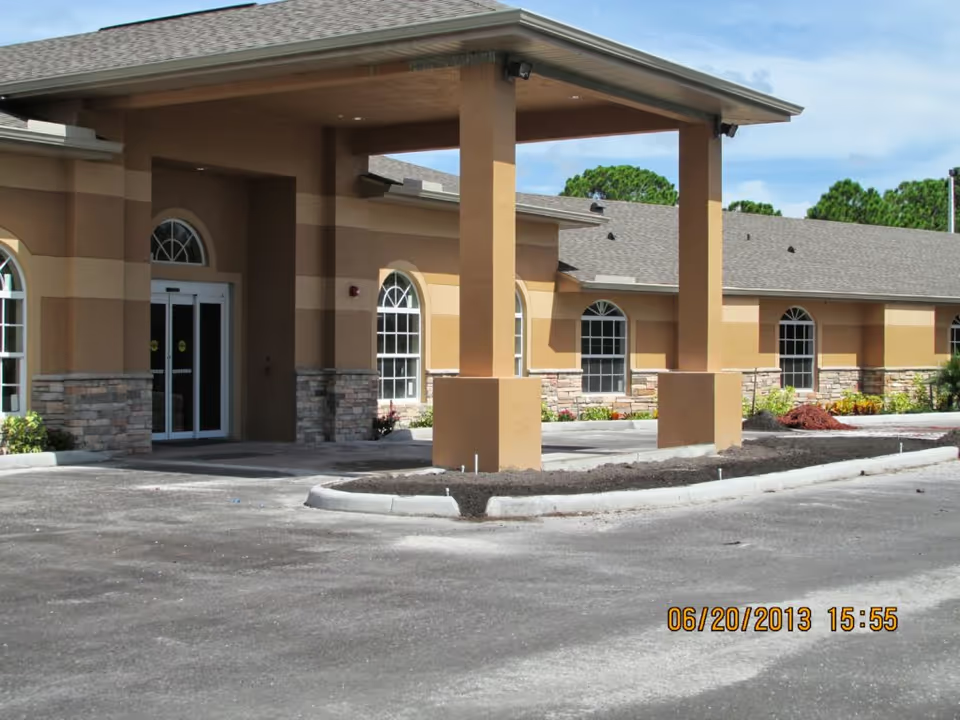
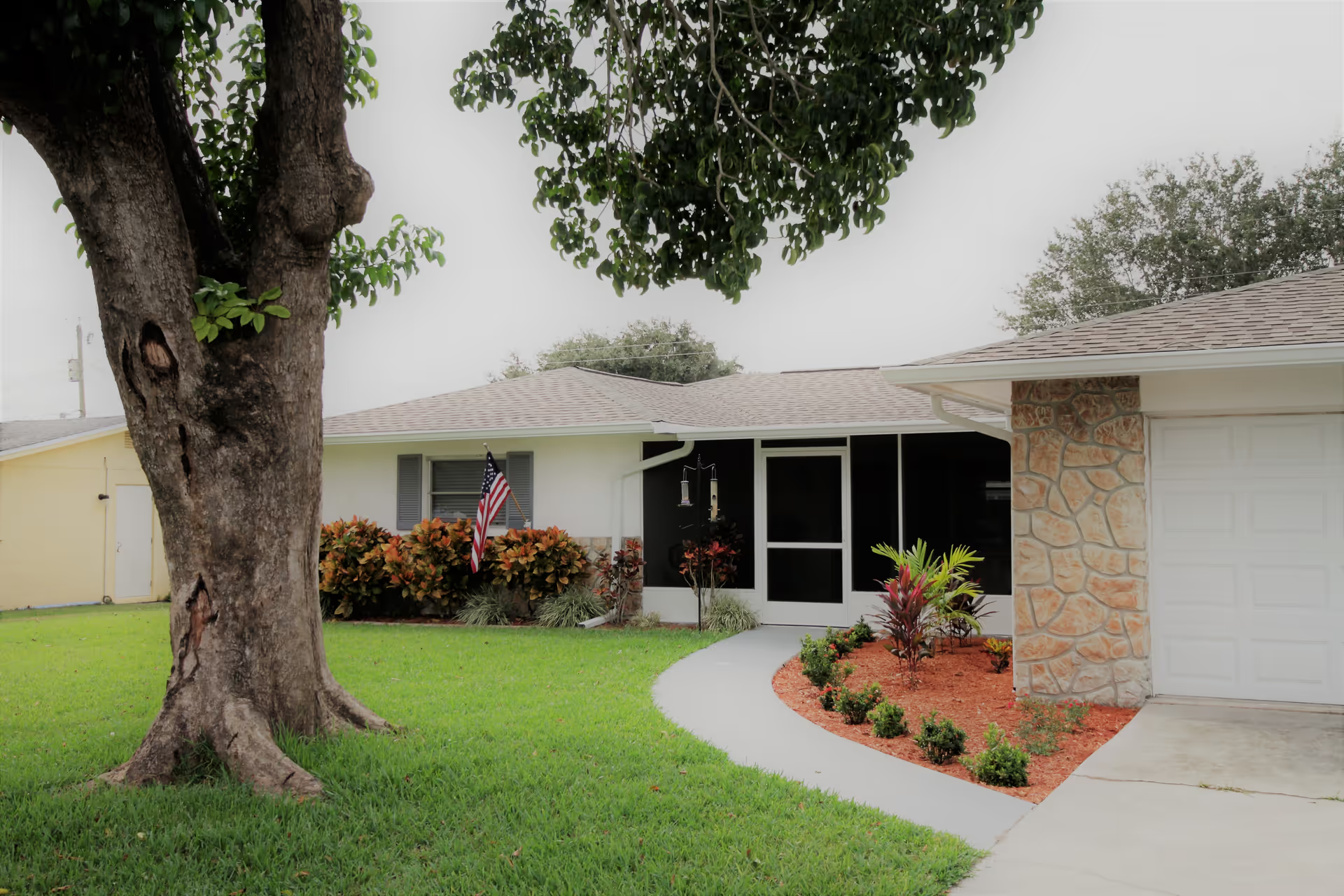
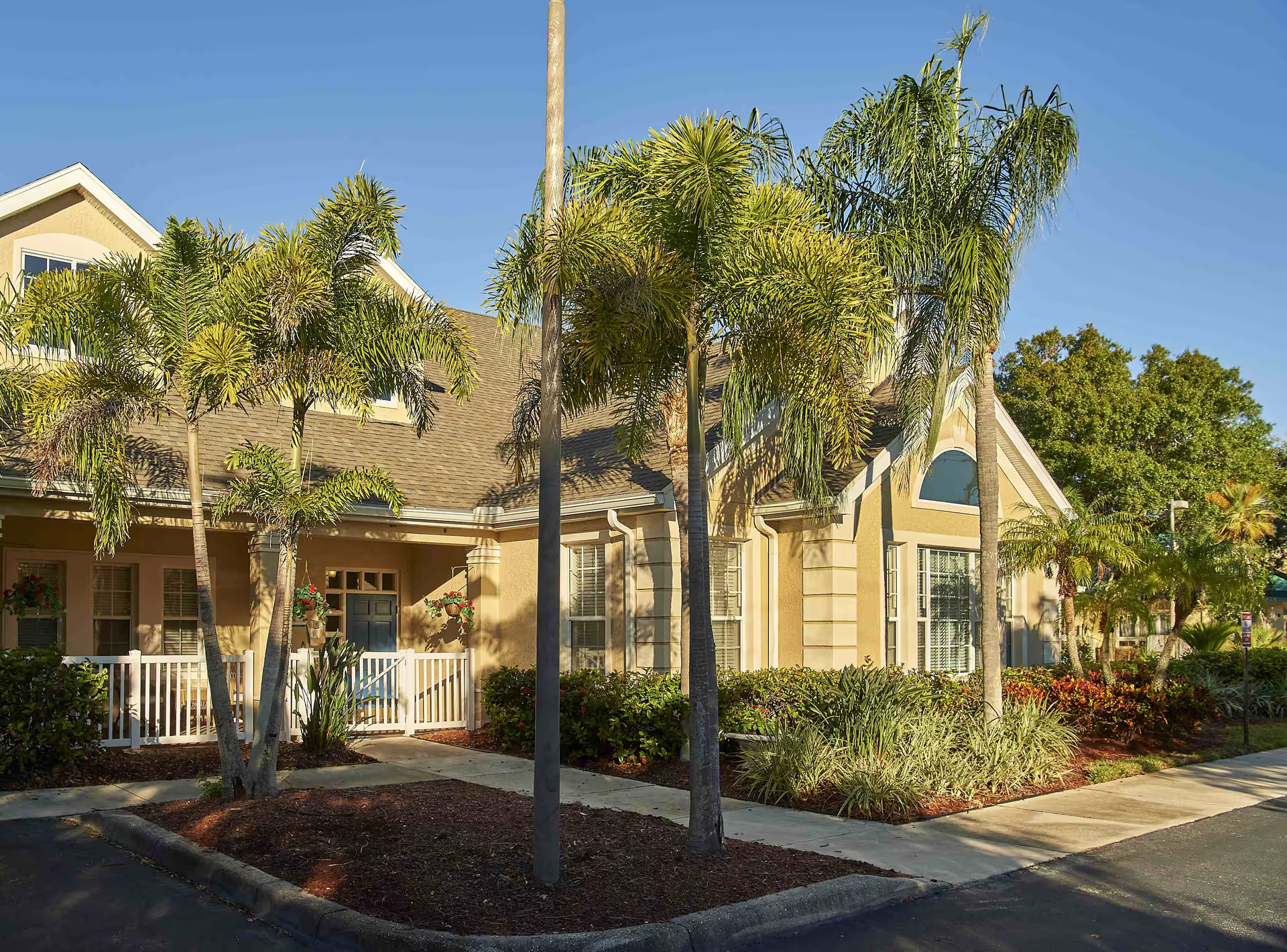
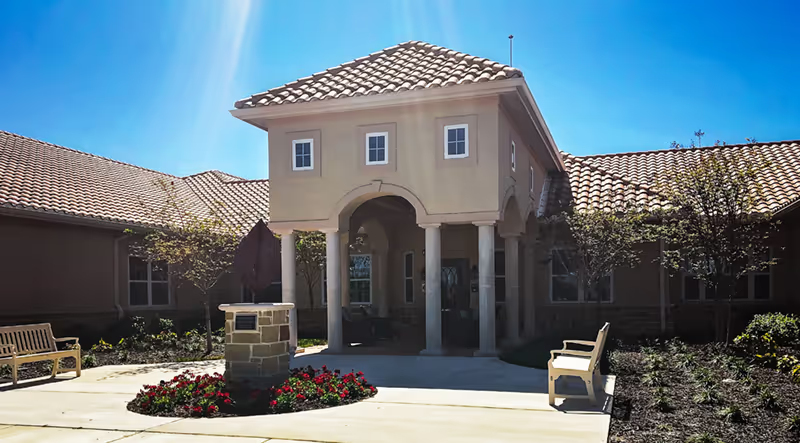
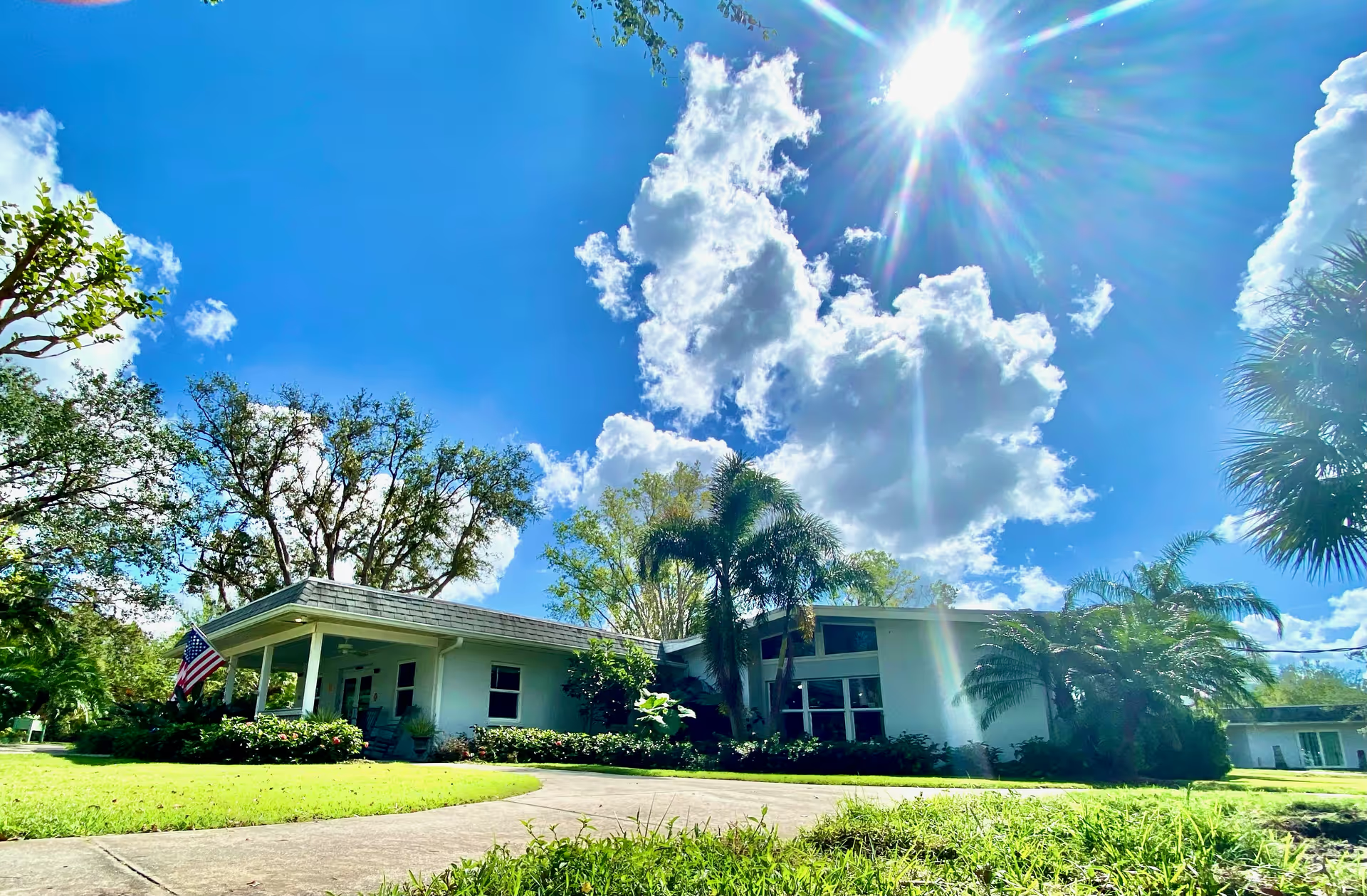
Facility condition and amenities receive generally positive remarks for cleanliness, tasteful remodeling, and safety features (including hurricane-readiness and parking). Many apartments are described as generous and well-finished. Concurrently, there are accounts of ongoing renovation projects and some infrastructure concerns (exterior maintenance and water-system issues) that have led to disruption and worries about future assessments. Financial transparency is another recurring theme: reviewers commented on deposit disputes, contract terms, and assessment/fee levels, creating a perception of opaque financial policies for some prospective residents and families.
Management and operational leadership show both strengths and weaknesses in the reviews. Several comments praise helpful, accessible leadership, mission-focused governance, and improvements following leadership changes. Conversely, others cite lapses in management transparency, departmental communication problems, and a corporate operational feel in certain units. These mixed impressions suggest variability in frontline execution and in how corporate policies are implemented at the community level.
Bottom line: Jacaranda Trace offers a well-resourced, attractive community with strong programming, supportive social life, and onsite health and logistical services that appeal to many independent and assisted-living seekers. Prospective residents should take an in-person meal and activity tour, ask for up-to-date metrics on staffing and memory-care quality, review contract and fee schedules carefully, and inquire about the status and timeline of renovations. These targeted checks will help families weigh the community’s clear strengths against areas where operational consistency and financial transparency have been questioned.