Overall impression: Venice Green Village presents as a small, memory-care–focused community with many consistent strengths. Reviewers emphasize a family-like culture, a clean environment, and staff who are frequently described as compassionate, attentive, and engaged. The facility markets and delivers specialized programming for residents with memory impairment, including tailored activities, bright common areas, and a secure outdoor garden that families find appealing. Dining is generally reported as appropriate for the population — meals are described as thoughtfully prepared for texture and swallowing needs, and kitchen staff receive repeated praise.
Care quality and staff: Many families highlight patient, respectful nursing and CNA care, ongoing engagement by activities staff, and personal attention to eating and medication schedules. Reviewers often cite staff members who go above and beyond and describe the environment as comforting at end of life. At the same time, there is a recurring operational concern about variability: some families report inconsistent staff competency or training, and care quality can feel tied to which staff members are on duty. This creates a pattern where positive outcomes are common but not uniformly guaranteed.
Dining and activities: Dining services receive positive comments for presentation, appropriate meal textures, and attentive kitchen staff. The community appears to prioritize social and sensory engagement — activities are frequent, often tailored to residents’ interests, and families appreciate photo updates and events that help them stay connected. These programmatic strengths are consistent with a focused memory-care model.
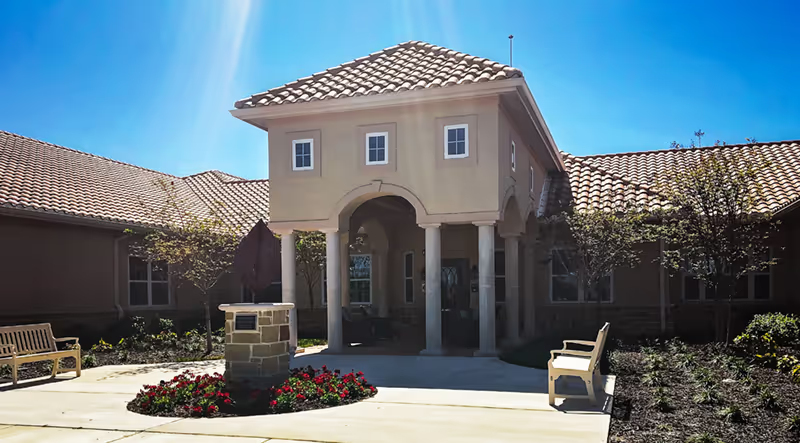
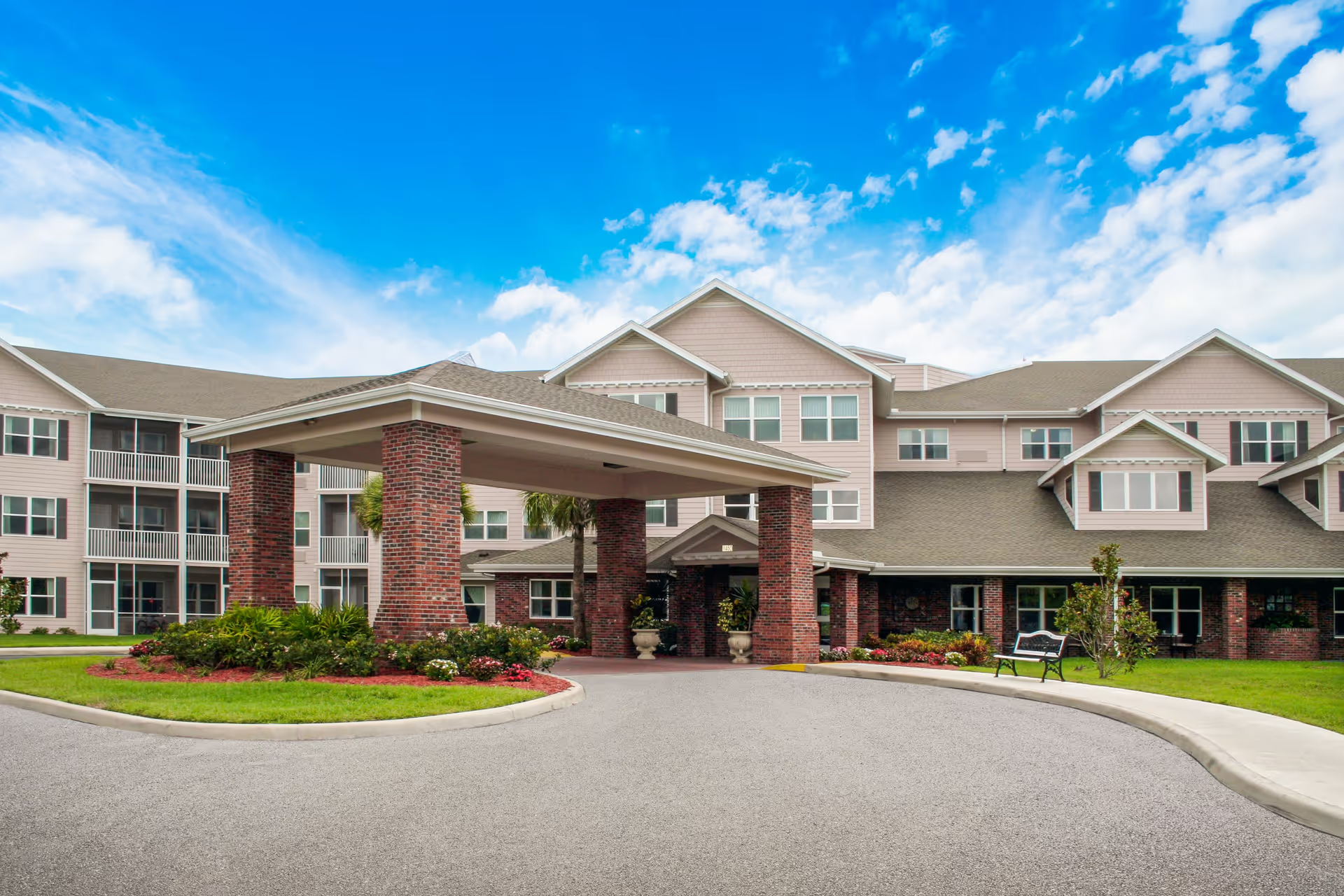
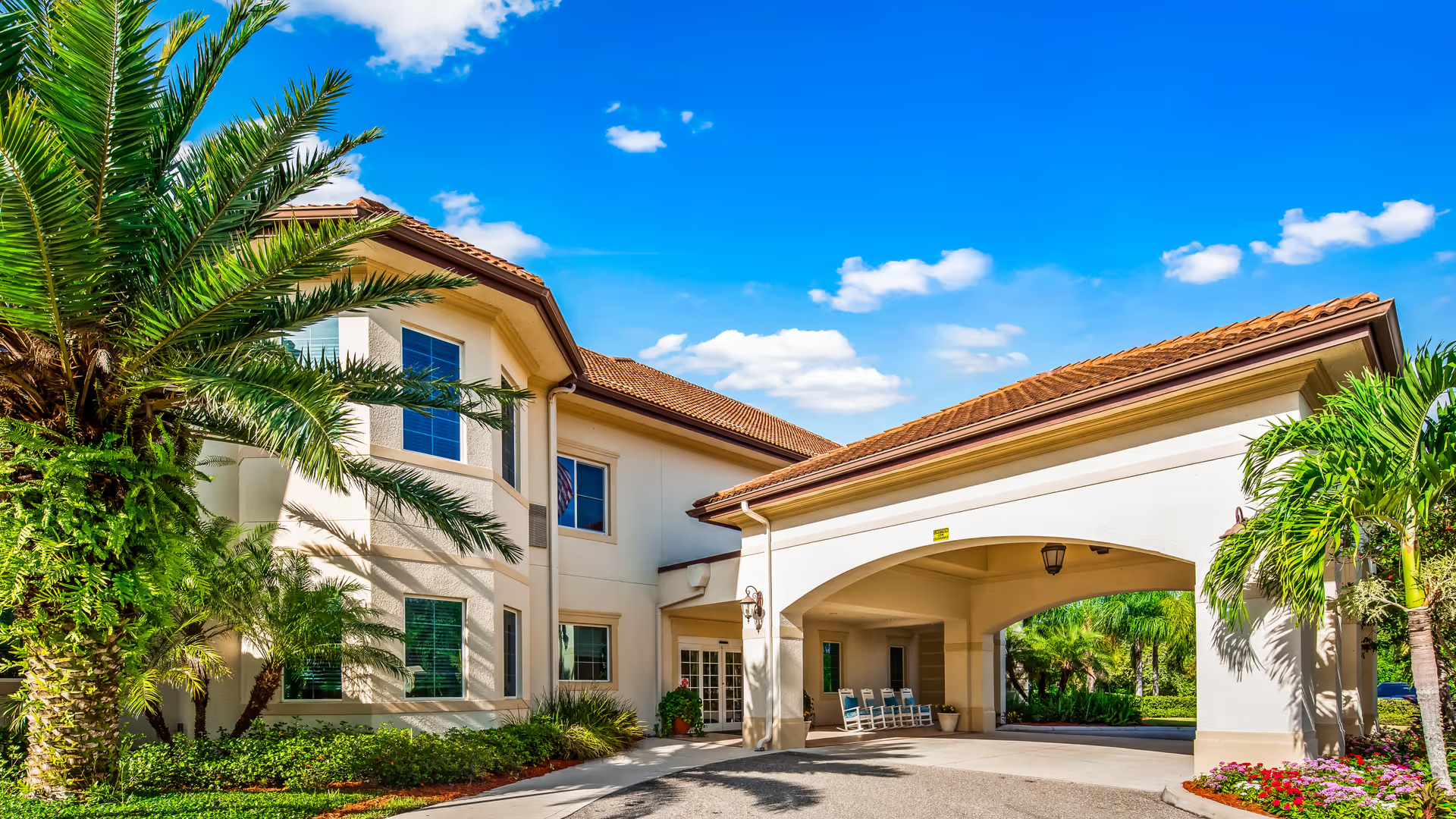
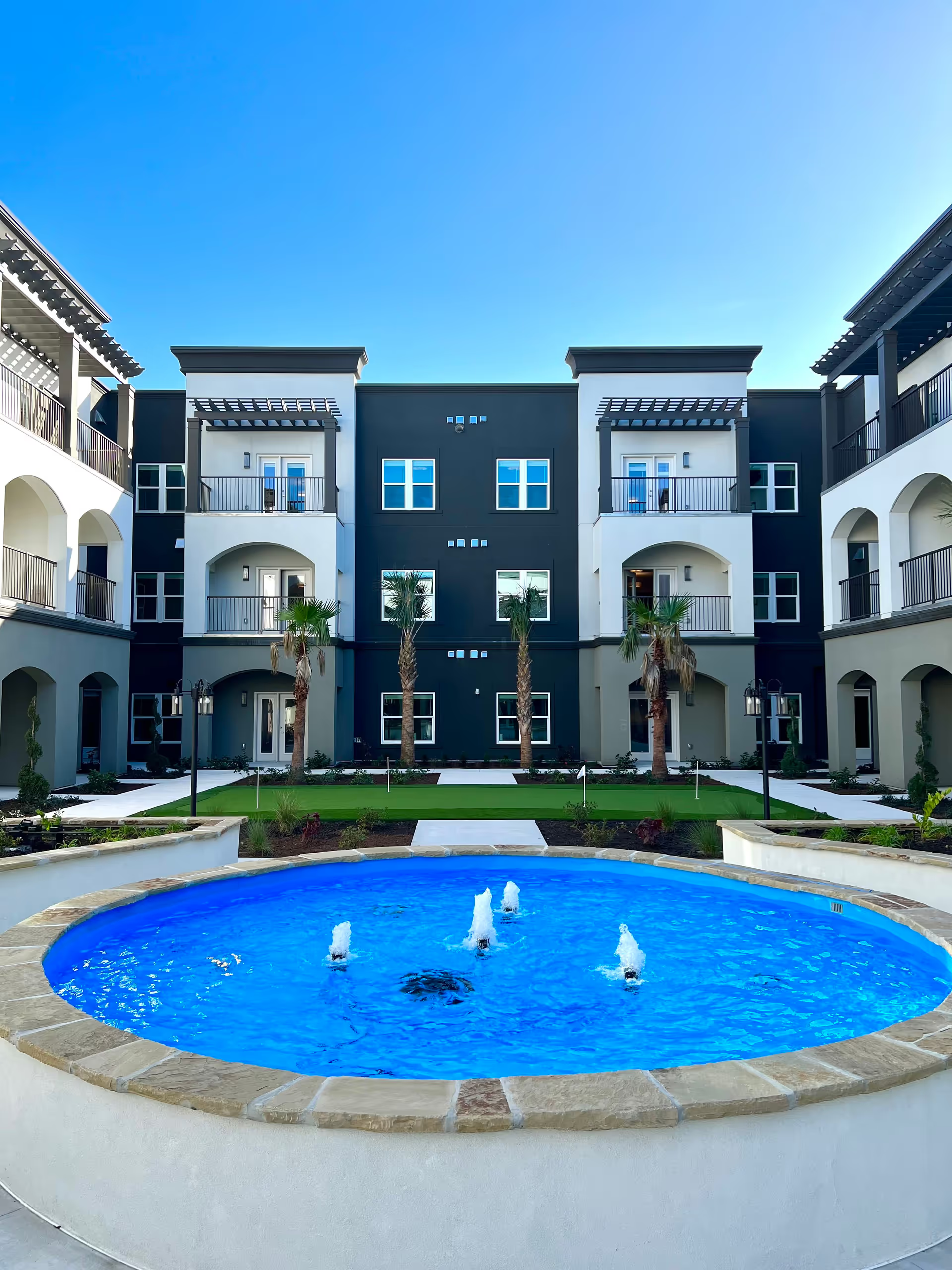
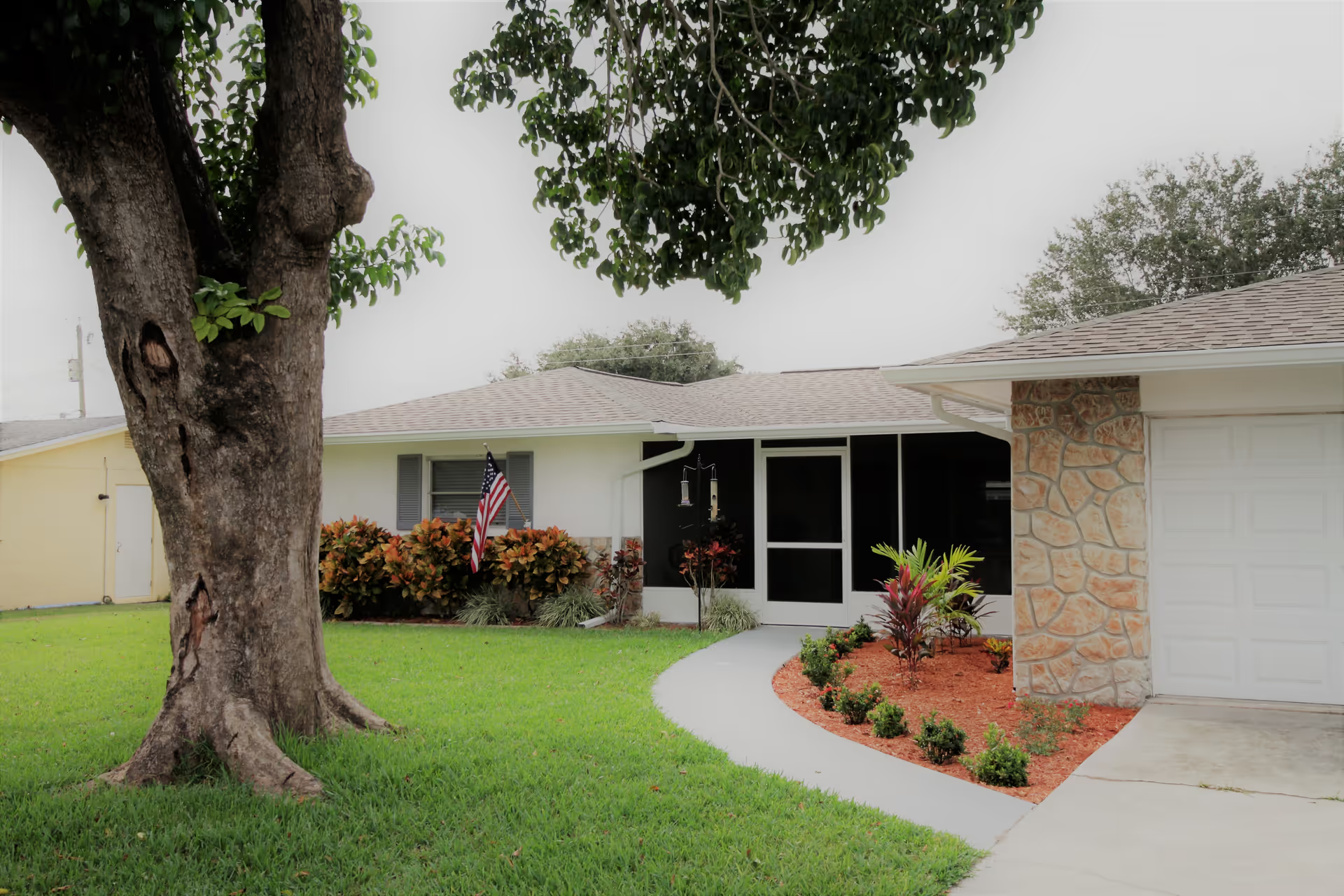
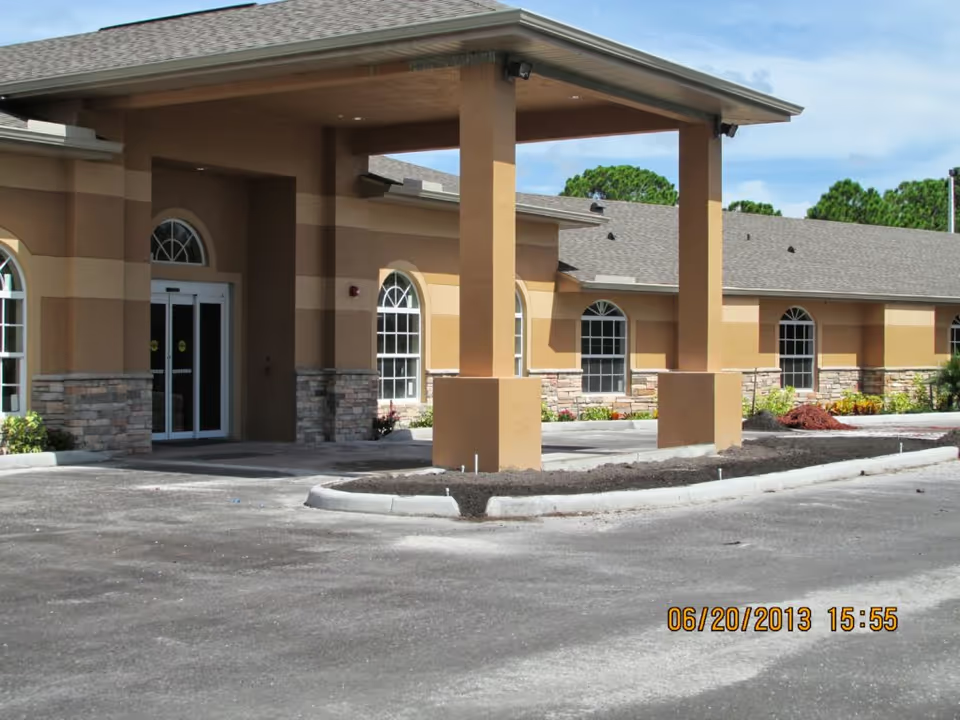
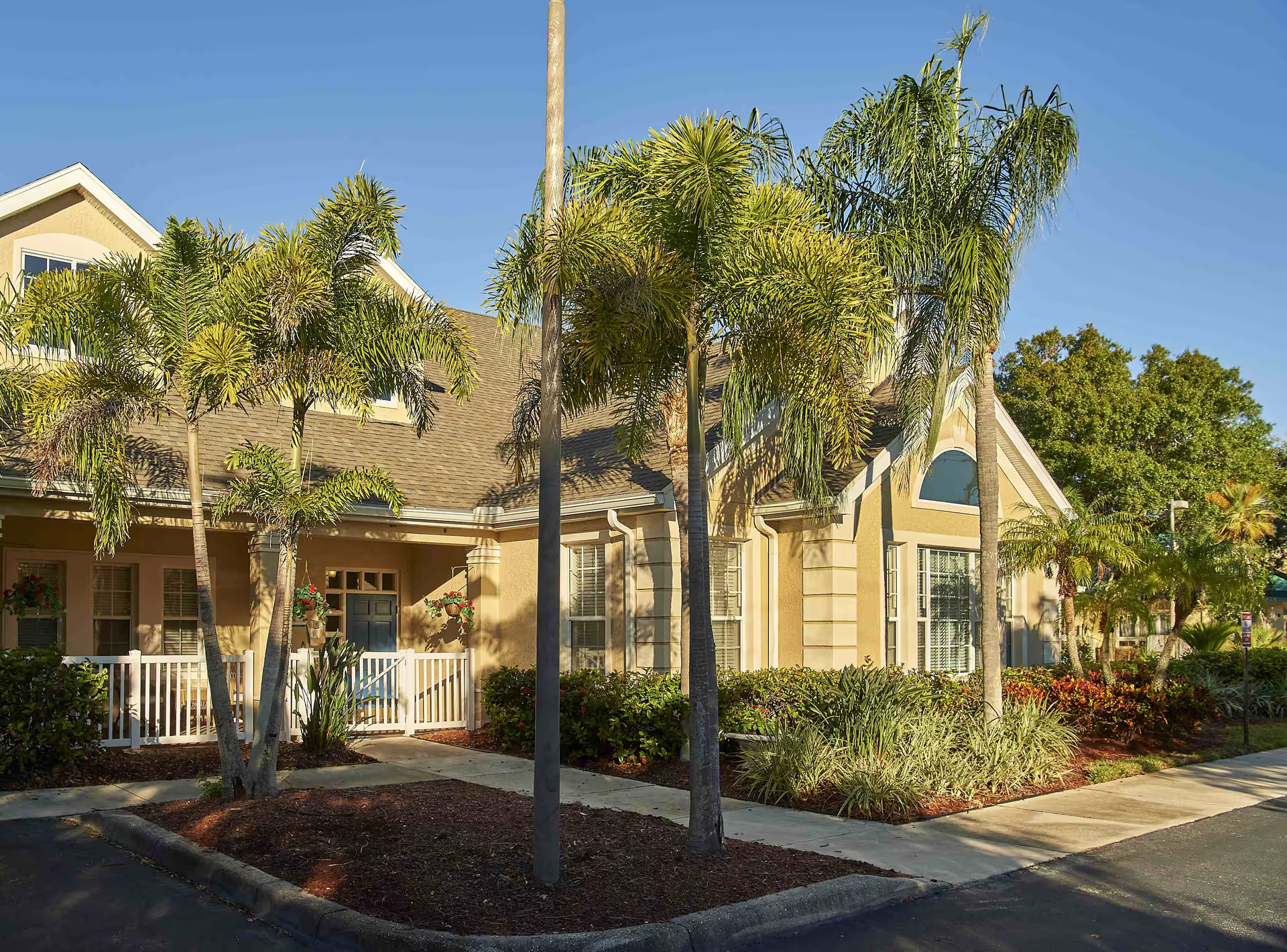
Facilities and environment: The physical setting is described as clean, well maintained, and home-like, with bright rooms and attractive outdoor spaces. The garden, gazebo, and landscaping are frequent highlights. Some reviewers note the building is older; while well cared for, the facility’s age may present infrastructure limitations compared with newer communities.
Management and communication: Administrative responsiveness and friendliness are cited positively by many families, including maintenance responsiveness and coordinator involvement. However, there are patterns of concern around follow-through and incident communication. A number of families described situations where promised administrative actions were not completed or where incident notification and follow-up (for example after a fall or when belongings went missing) were inconsistent. These items point to gaps in accountability and communication processes rather than wholesale administrative failure.
Notable patterns and decision factors: For families seeking a specialized memory-care setting with active programming, individualized dining accommodations, and a small, home-like culture, Venice Green Village aligns well with those priorities. The facility’s acceptance of Medicaid waivers is also important for some families. Prospective residents and their families should, however, ask specific operational questions during tours: how the community manages staff training and competency, the incident-notification protocol, procedures for securing personal belongings, and what administrative guarantees exist for promised changes. Confirming staffing patterns and visiting at different times of day will help assess whether the community’s positive attributes are consistent with the household’s expectations.