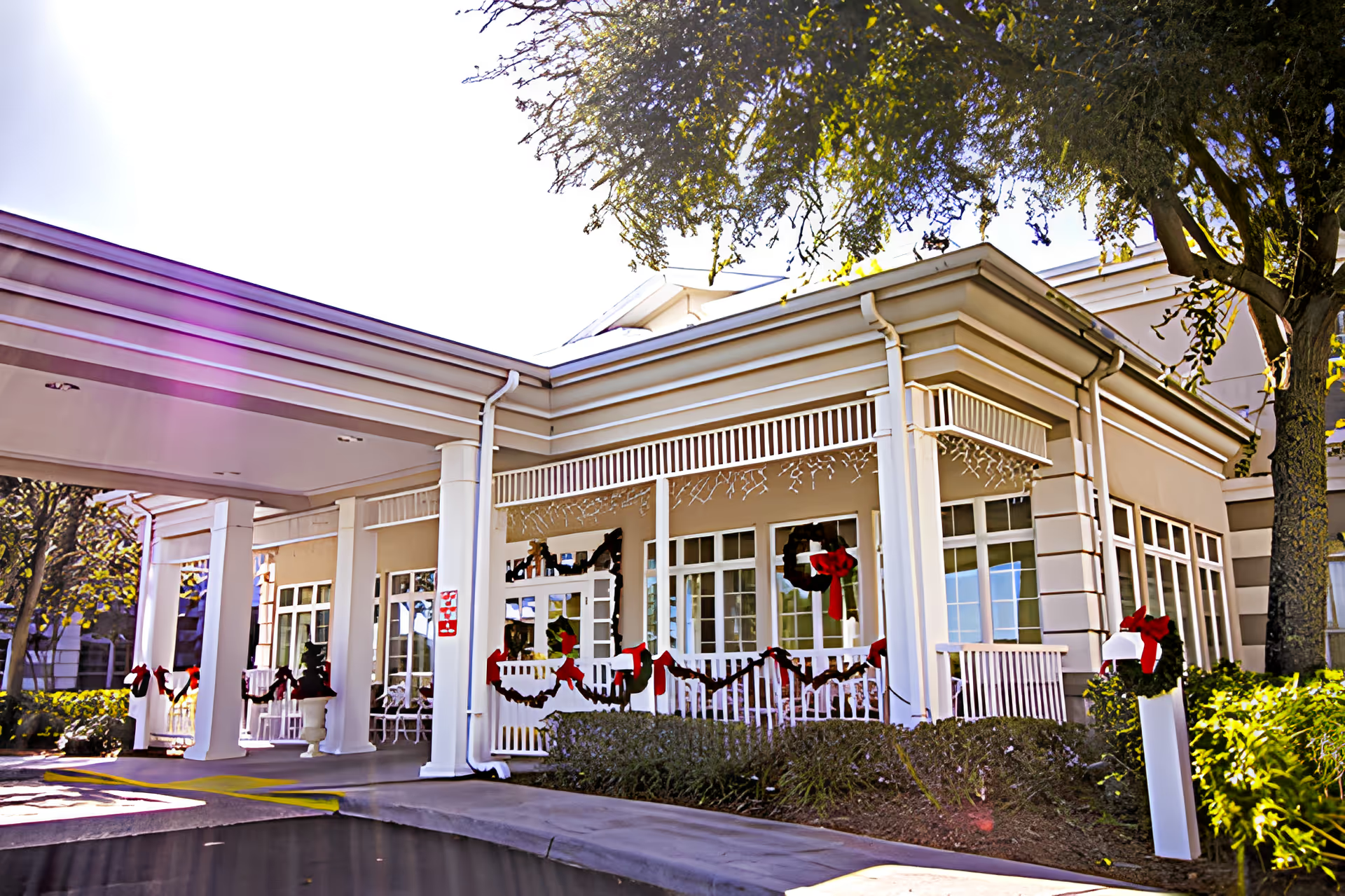
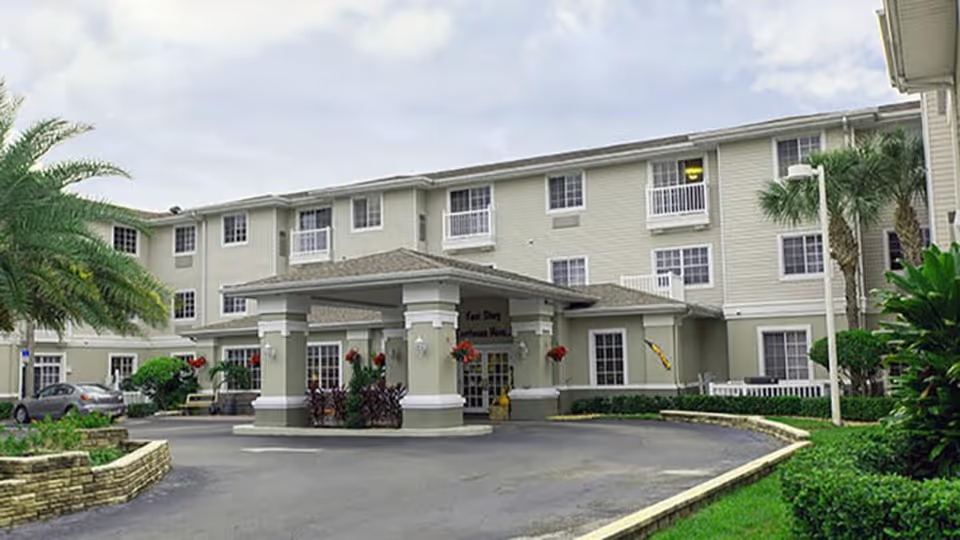
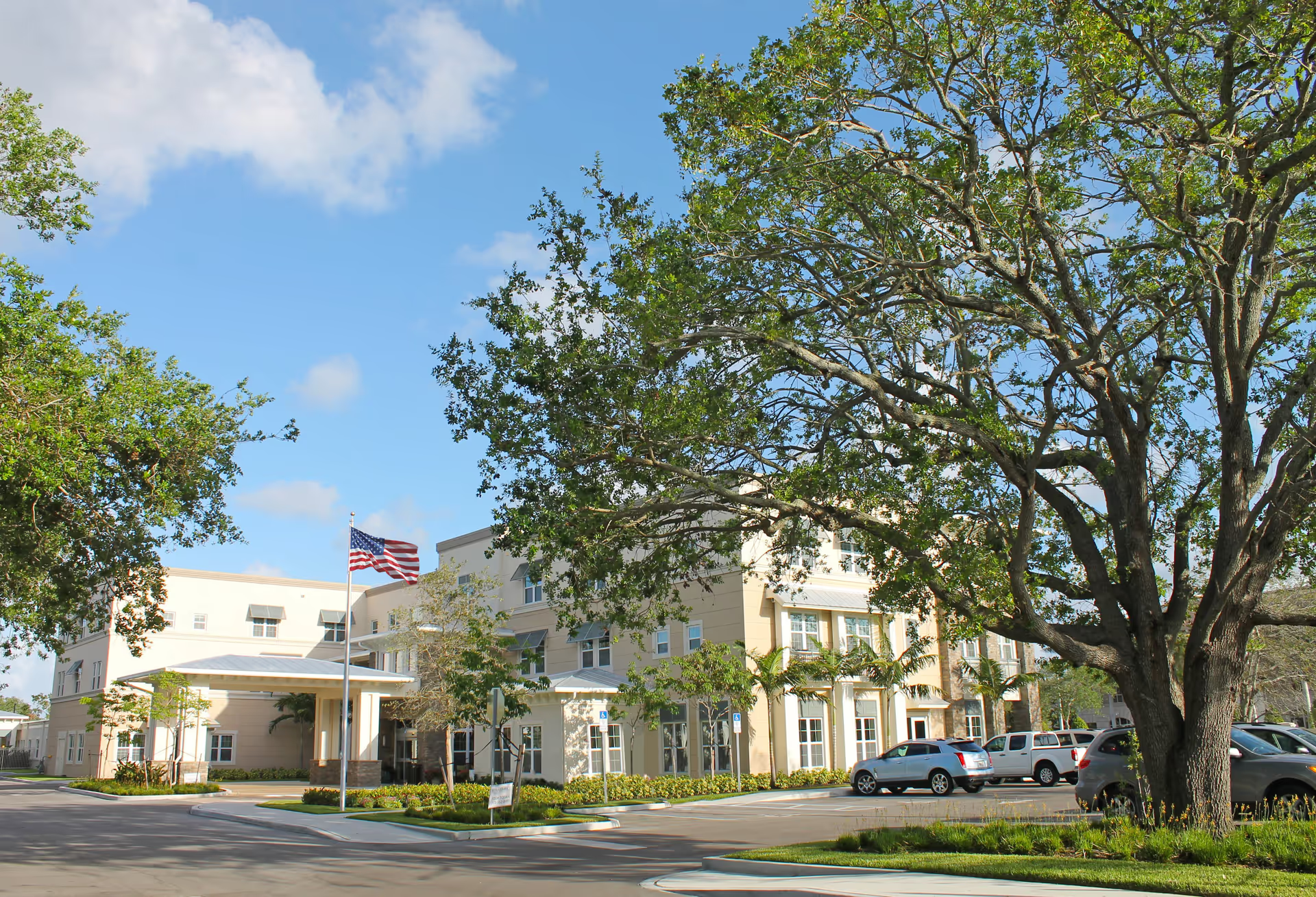
CERTUS Premier Memory Care Living receives substantial praise for its dementia-focused programming, well-trained caregiving team, and a range of amenities that create a homelike, activity-rich environment. Many families and residents describe compassionate, attentive staff, a robust activities calendar that includes live music and group programs, and a safe outdoor courtyard and town-center layout that support resident engagement. The facility’s pricing structure and included services (meals, housekeeping, linens, laundry, utilities) are highlighted as convenient and comprehensive, and the community’s front-desk and transition support are frequently described as helpful during move-in.
Clinical and daily-care strengths are evident in on-site clinical oversight, medication-management processes, and staff that often demonstrate personalized, family-style caregiving. Reviewers consistently note a warm atmosphere, smiling staff and residents, and a broad set of onsite amenities (salon, fitness room, theater, and post office) that contribute to quality of life. Dining is a common positive: many reviewers praise varied menus and flavorful options, and the presence of multiple dining areas supports social dining opportunities.
At the same time, a pattern of operational weaknesses appears across feedback. Housekeeping and linen services are inconsistently executed at the room level, with some families describing delayed or missed linen changes and slow laundry turnaround. Related sanitation concerns in private rooms were raised alongside otherwise clean and well-maintained common areas. Staffing instability and turnover are recurring themes; reviewers indicate that staffing gaps can translate into slower call-response times, inconsistent toileting and bathing schedules, and variable follow-through on routine care tasks.
Communication and incident management are additional areas for improvement. Several families described gaps in documentation and timeliness of family notification after clinical events, and there are examples that suggest weaknesses in medication-supply inventory control and occasional delays in escalating care or arranging external imaging. Meal service consistency also showed variation—while many enjoy the food, others described smaller portions or uneven meal delivery.
In summary, CERTUS Premier offers many strengths typical of a research-informed memory-care community: focused clinical programming, abundant activities, attractive shared spaces, and a caring staff culture for many residents. Prospective residents and their families should weigh these positives against operational patterns that some households have experienced—particularly in room-level housekeeping, staff responsiveness during peak times, and consistency of documentation and clinical escalation. Asking about current staffing ratios, linen/laundry protocols, medication-inventory controls, and the facility’s process for family notification after incidents may help families assess whether the facility’s current operations meet their expectations.