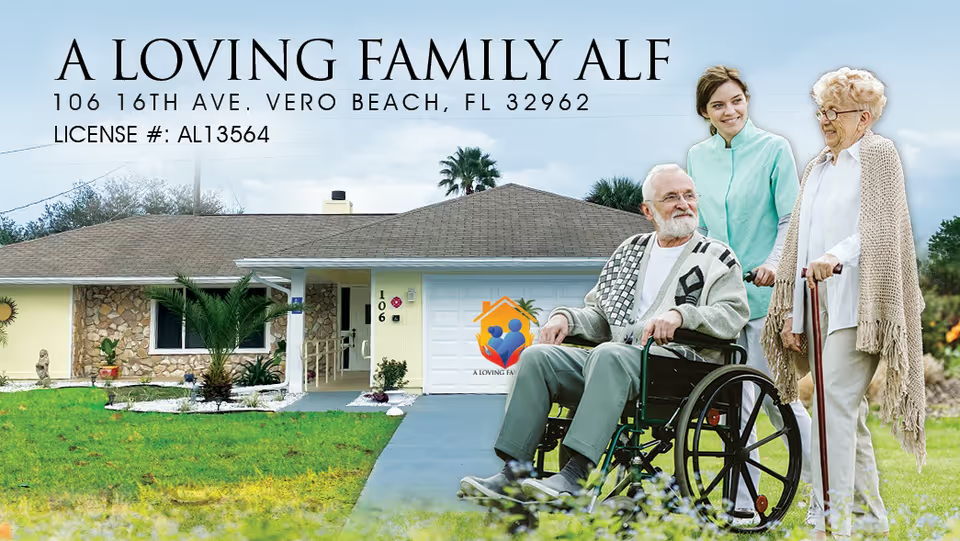
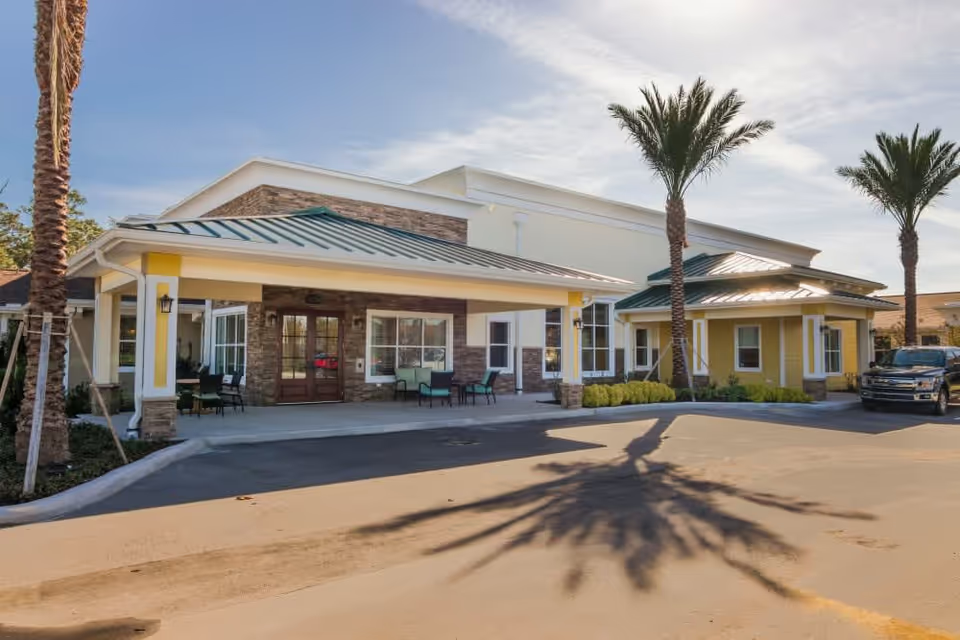
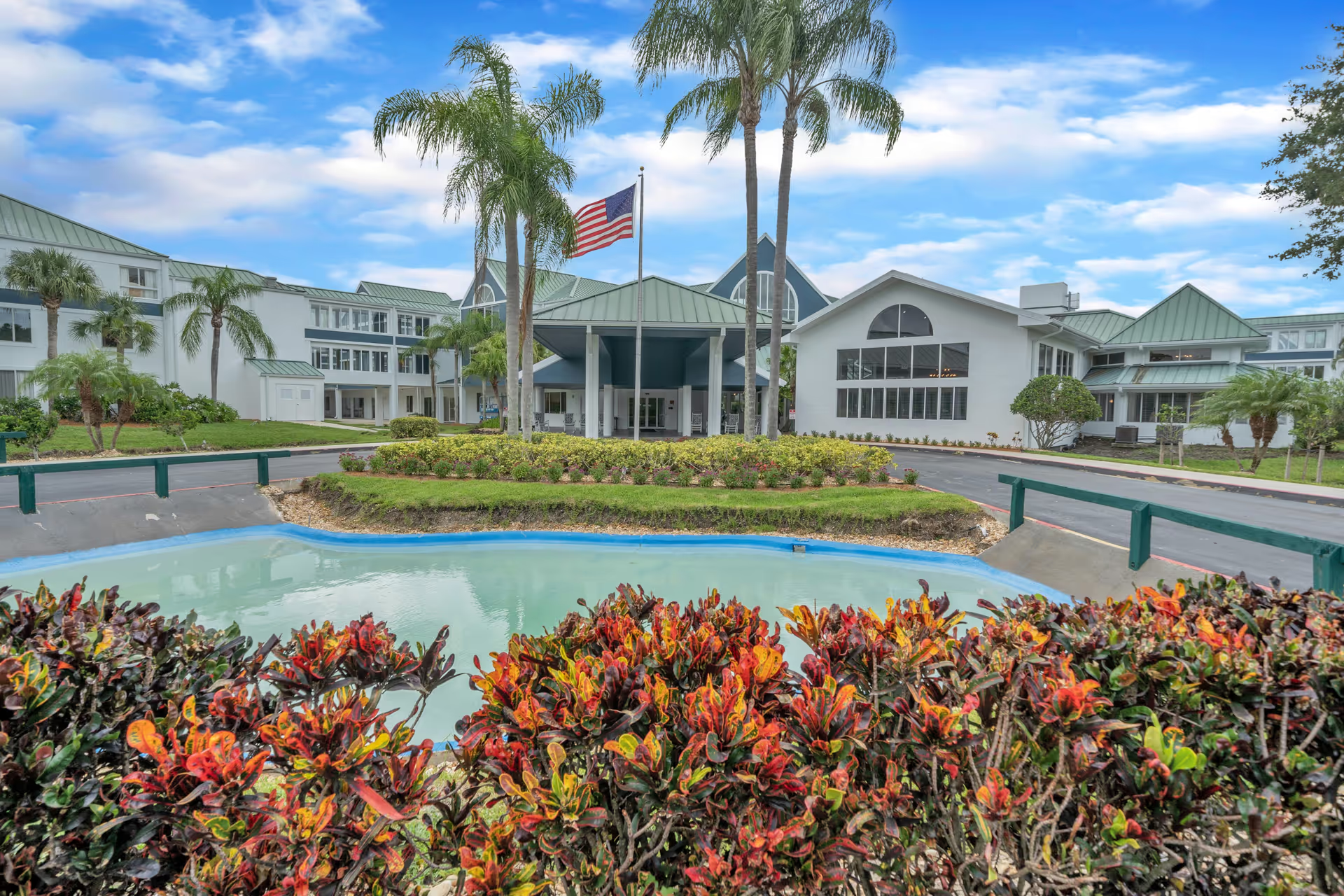
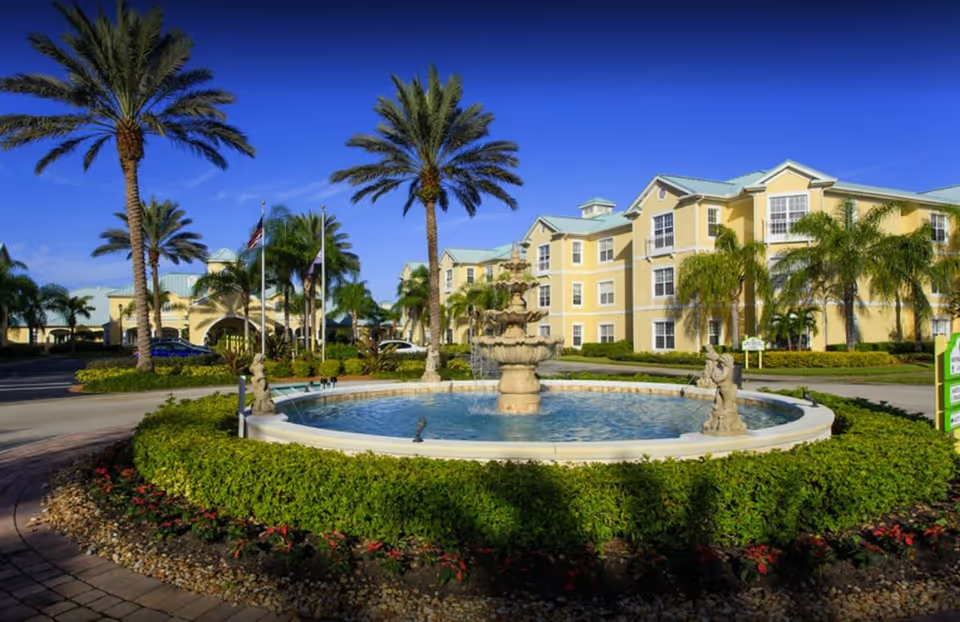
Overall impression: The facility is described predominantly as a clean, well-appointed small community with a strong emphasis on resident dignity, social engagement, and safety. Families and residents frequently highlight friendly, compassionate staff, visible leadership, and a comfortable, home-like atmosphere supported by plentiful common-area amenities and onsite services.
Care quality and clinical responsiveness: Reviewers praise attentive nursing and caregiving, noting effective acute interventions and rehabilitation coordination that in some cases coincided with measurable health improvements. Many accounts emphasize personalized attention, quick clinical follow-up, and a recovery-focused approach to meals and therapy. However, a recurring operational concern is inconsistent responsiveness to call lights and delays in some care tasks; prospective families should inquire about current staffing patterns and average response times.
Staff and management: Staff warmth, individualized attention, and engaged directors (named leadership was frequently acknowledged) are consistent strengths. Move-in support, introductions to staff, and hands-on assistance with transitions are commonly praised. That said, reviewers also describe variability in staff availability and conduct, occasional unresponsiveness from specific personnel, and uneven performance across shifts. Administrative strengths include proactive infection-control communications and assistance with transitions; administrative weaknesses include occasional mismanaged appointments, unclear follow-up, and confusion around payment/Medicaid processes.
Dining and activities: Dining is a notable asset — chef-prepared meals, enjoyable dining experiences, and reported appetite/weight improvements for some residents. At the same time, a minority of comments point to inconsistent meal quality, suggesting variability by meal or by dining period. The activity program is robust, with frequent live music, seasonal shows, crafts, exercise classes, games (e.g., dominoes), outings, and community events that support social engagement and resident well‑being.
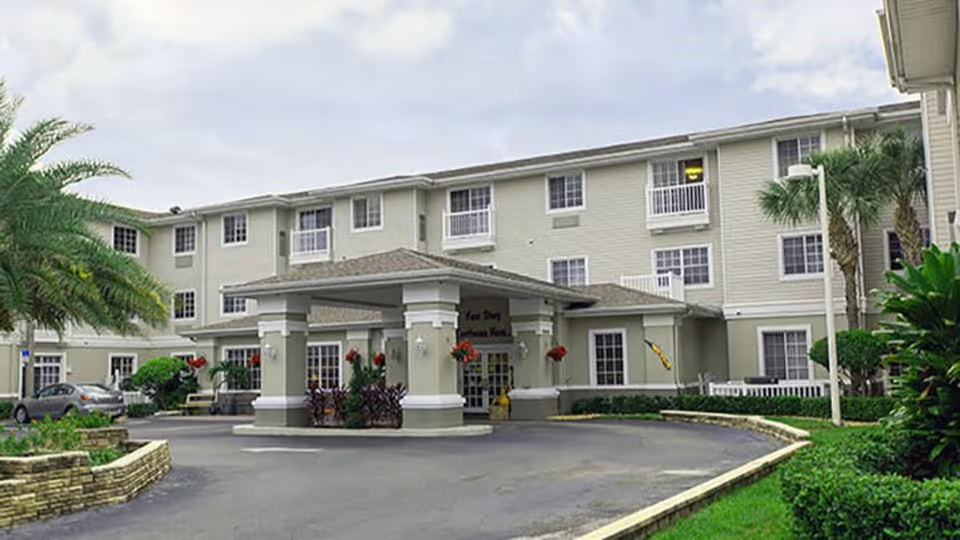
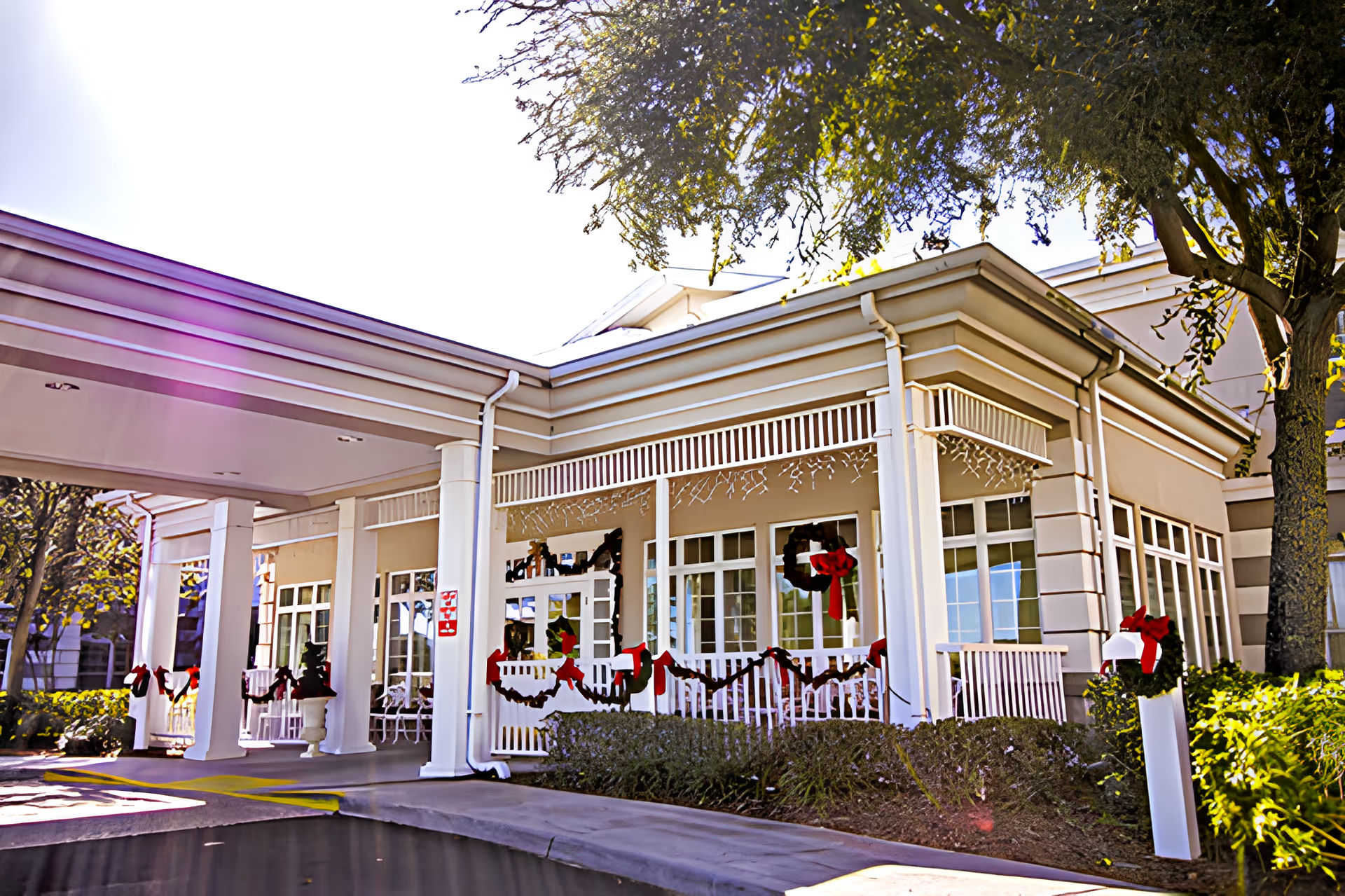
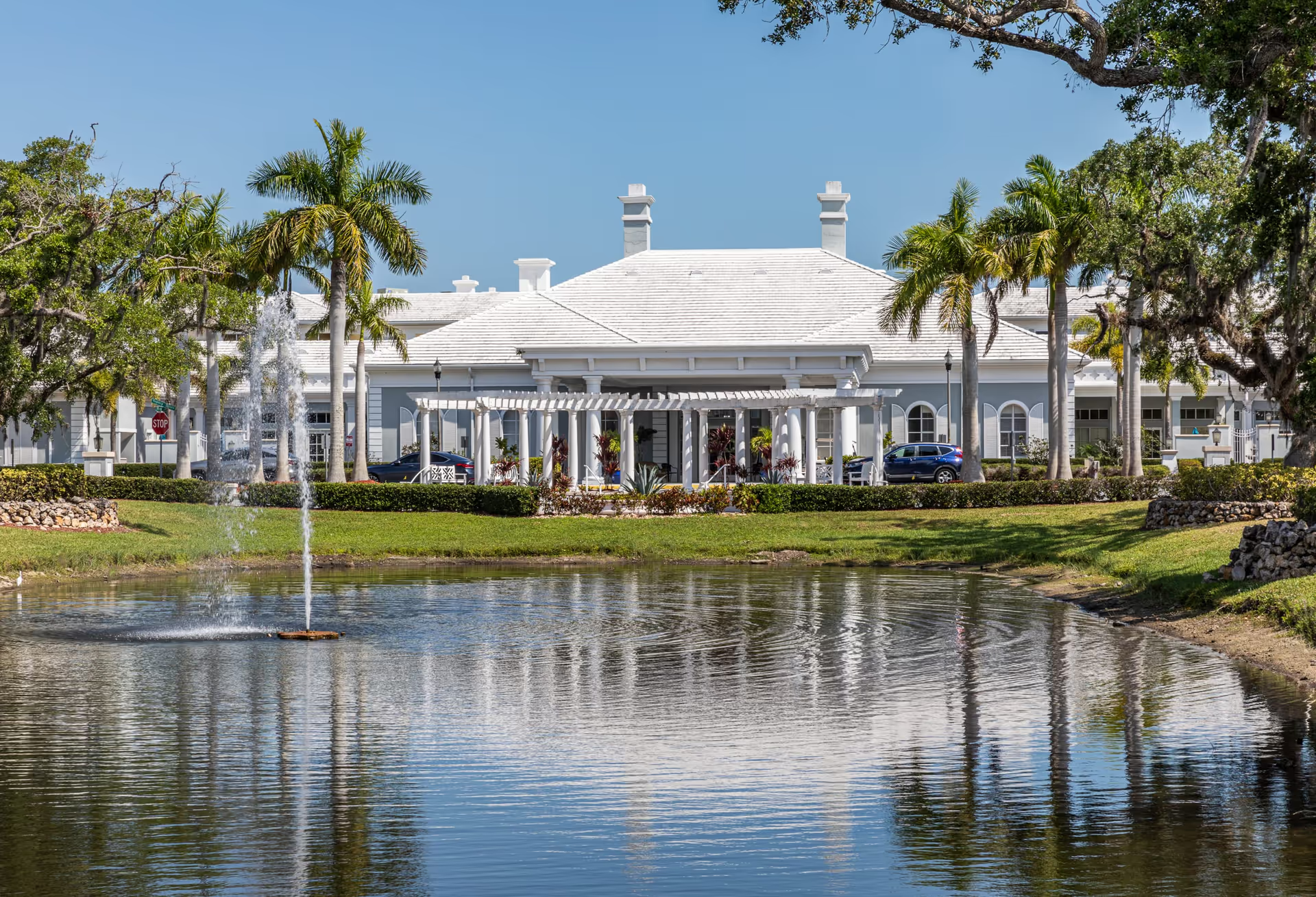
Facilities and amenities: The campus is generally described as new, hurricane-rated, and well maintained, with attractive common areas (grand foyer, piano, coffee bar), an on-site salon, art studio, movie room, and accessible transportation for outings. Some reviewers noted that certain apartments feel small or have dated finishes and carpets that could use updating. A few comments raised sanitation or odor concerns in particular areas and restricted access to outdoor garden spaces; these appear localized rather than systemic but are worth confirming on a tour.
Notable patterns and recommendations: The dominant pattern is positive—compassionate staff, strong communal life, and solid clinical support—balanced by operational caveats around staffing consistency, responsiveness, and administrative clarity. Memory-care experiences appear more variable and, for some families, are a weaker element of the overall offering. Prospective residents and families should ask specific, operational questions during a visit: current staffing ratios by shift, average call-light response time, procedures for handling off-hour clinical needs, details about memory-care staffing and turnover, outdoor-access policies, and the facility’s process for handling Medicaid or third-party payment inquiries. Those steps will help validate the many strengths reviewers describe while clarifying the operational areas that surfaced as less consistent.