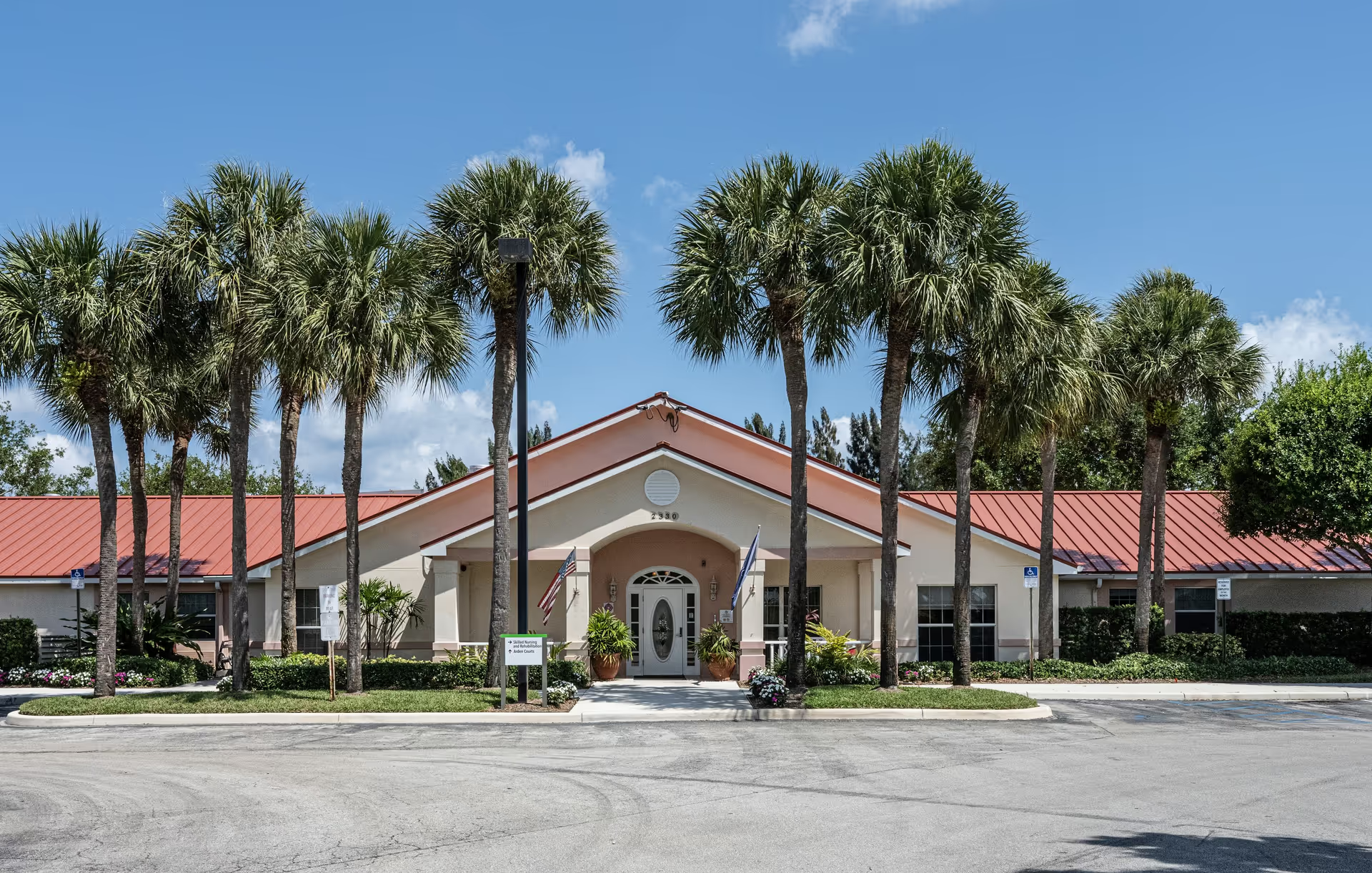
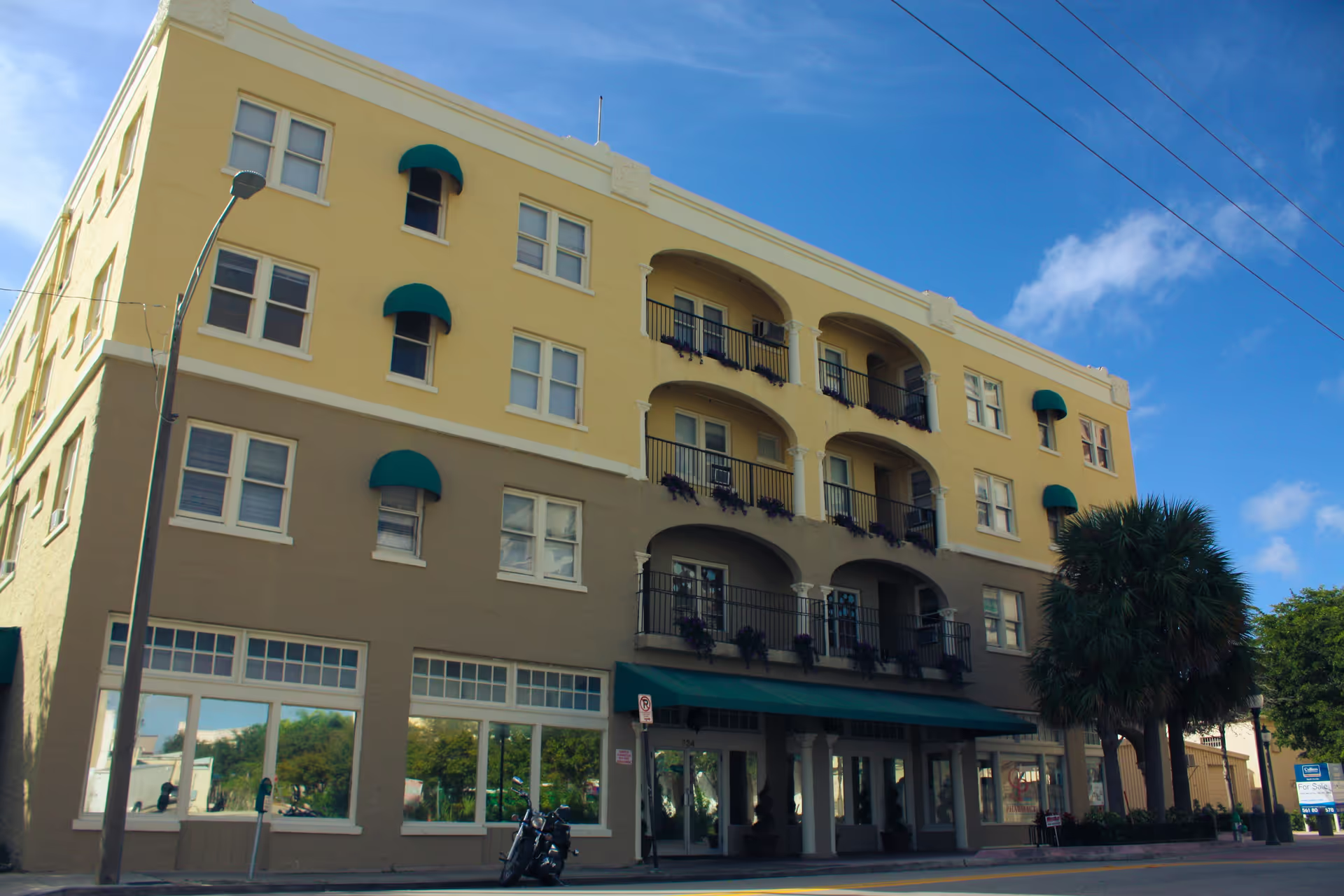
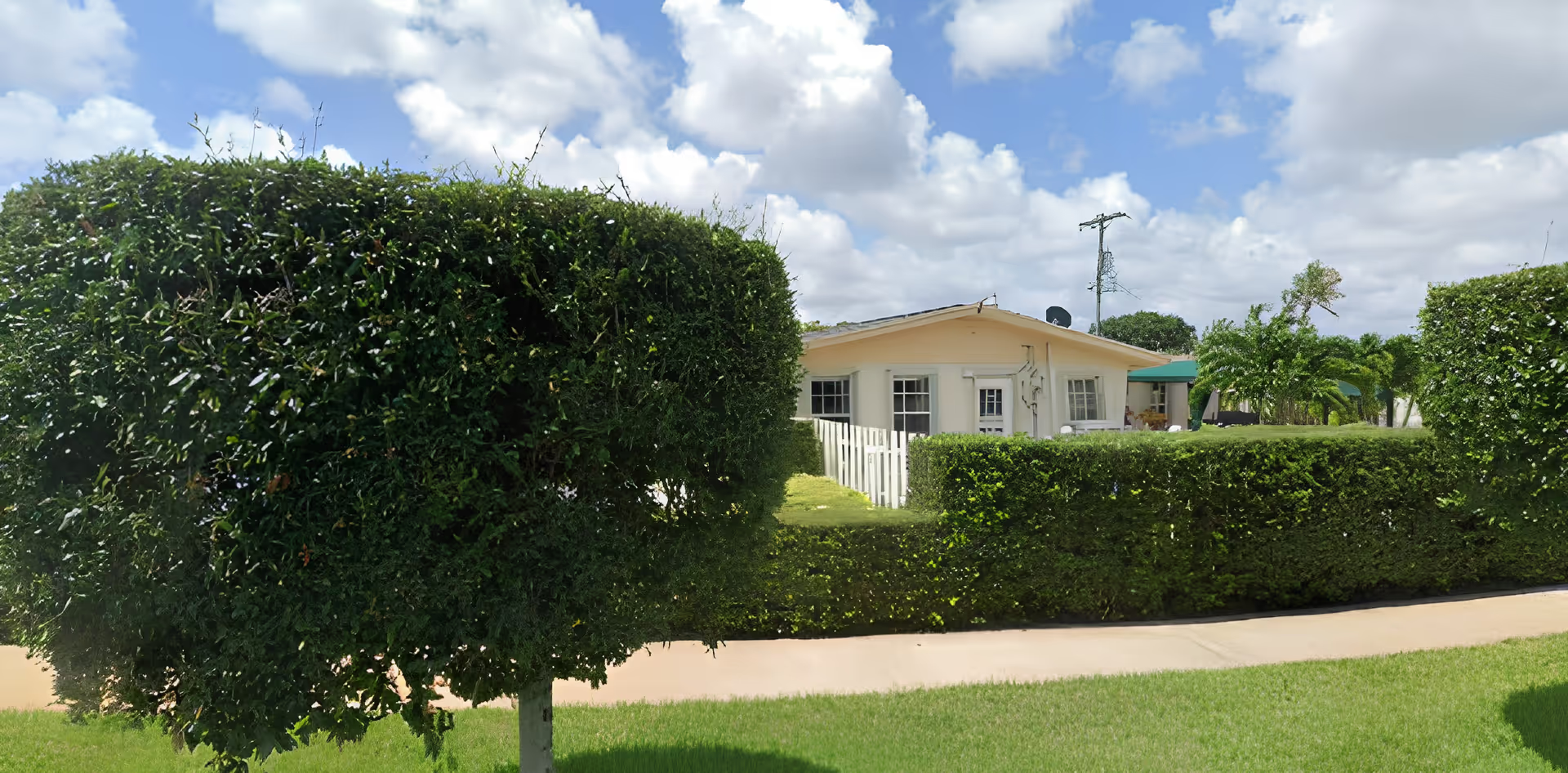
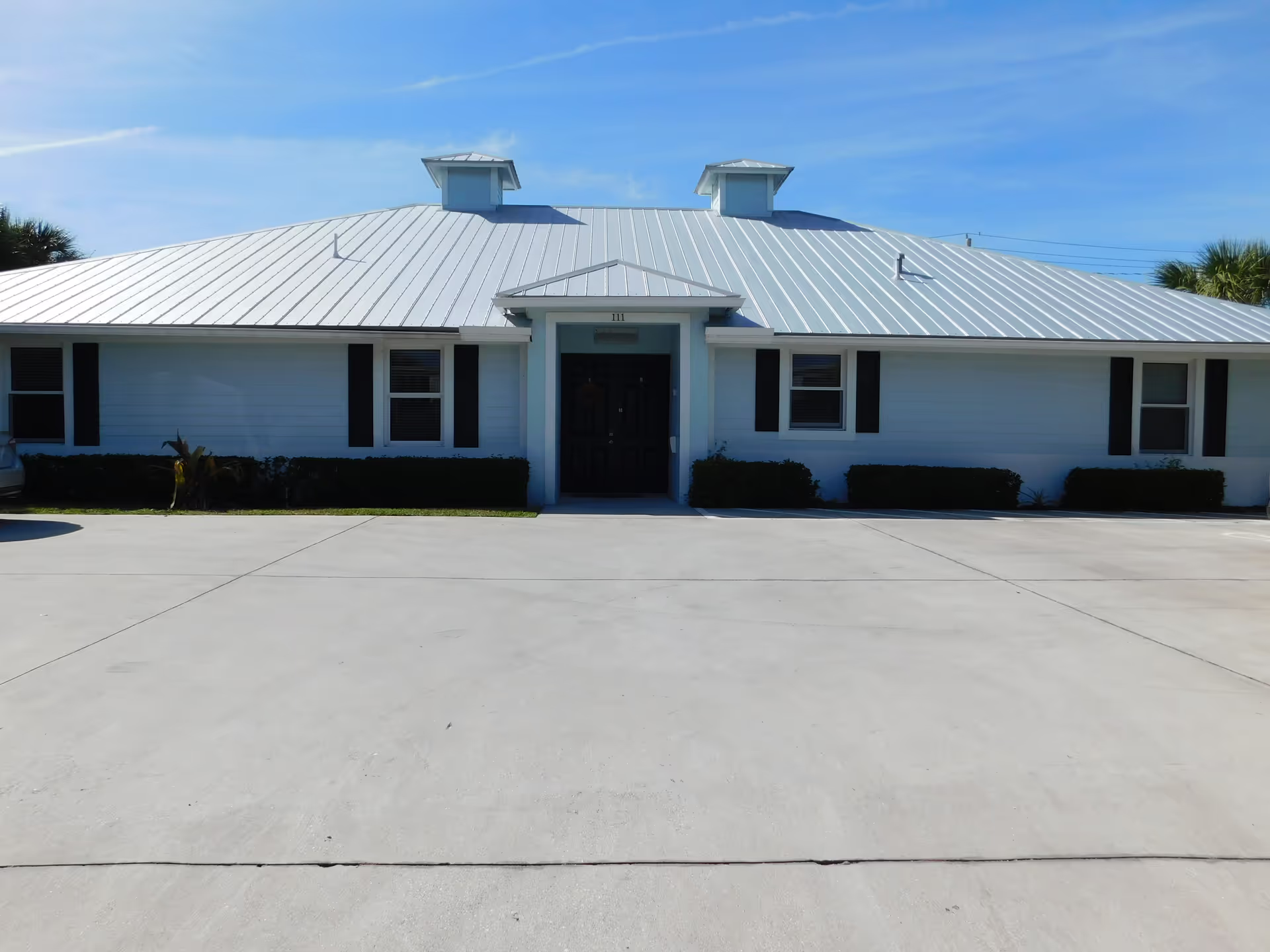
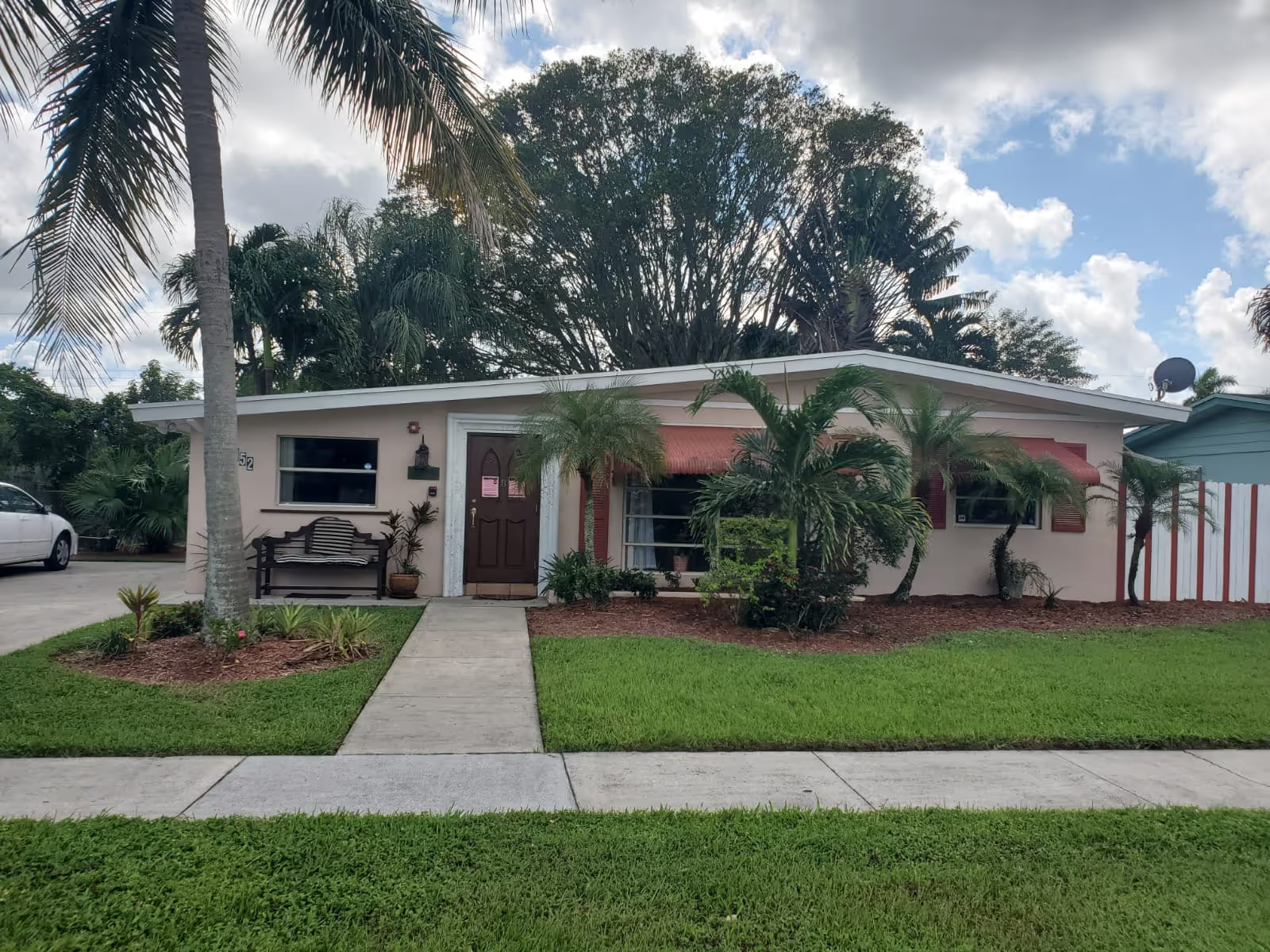
Colonial Skilled Nursing Facility elicits strongly mixed impressions. Many families praise the caregiving staff, therapy teams, and activity leadership: reviewers highlight compassionate, attentive nursing and caregiving, effective rehabilitation outcomes, individualized care plans, and a family‑like atmosphere. The facility is frequently commended for having on-site clinical coverage (24/7 nursing and physician visits), a dedicated therapy regimen with good functional gains, and proactive communication with families. Several reviewers also describe an engaging activities program with regular outings and a skilled activities director who fosters resident socialization.
Dining and social life are notable strengths for many residents. Multiple accounts describe an on-site chef, appealing communal dining, and meals that support social interaction. At the same time, dining impressions vary: while some families call the food exceptional, others cite inconsistent meal quality, limited meat-free options, and occasional sanitation or food-handling concerns in kitchen or dining areas. Prospective residents should sample meals and ask about special-diet accommodations and kitchen oversight during a tour.
Operationally, reviews point to uneven performance. Staffing levels and responsiveness emerge as recurring operational weaknesses: families describe periods of understaffing (notably on weekends), variable response times to call bells, and inconsistent assistance with bathing and personal care. Dementia-care competency appears variable between units; while some memory-care families report attentive, engaged teams, others experienced limited dementia-specific staffing or delayed attention in critical moments. Maintenance and safety oversight also appear inconsistent — examples include deferred repairs, cosmetic deterioration in some corridors, and isolated concerns about safety systems — indicating the need to verify current building-condition and safety records.
Management and admissions practices present another axis of variability. Several reviews praise responsive administrators and hands‑on leadership, while others raise concerns about admissions processes, placement-matching, billing transparency, and occasional disputes over charges or refunds. There are isolated, serious allegations relating to placement and regulatory matters; these warrant more detailed inquiry with facility leadership, review of state inspection reports, and clarification of refund and grievance policies before committing.
Taken together, the pattern suggests that Colonial offers many genuine strengths — compassionate staff, solid therapy services, an active social program, and a home‑like environment — but that those strengths are not uniformly experienced across all units or at all times. Prospective residents and families should perform targeted due diligence: schedule a meal and activity observation, review recent state inspection and complaint histories, ask about current staffing ratios and weekend coverage, inspect kitchen sanitation practices, confirm dementia-care staff training, and obtain written admissions and billing policies. Those steps will help clarify whether the current operational state aligns with a given resident’s clinical and social needs.