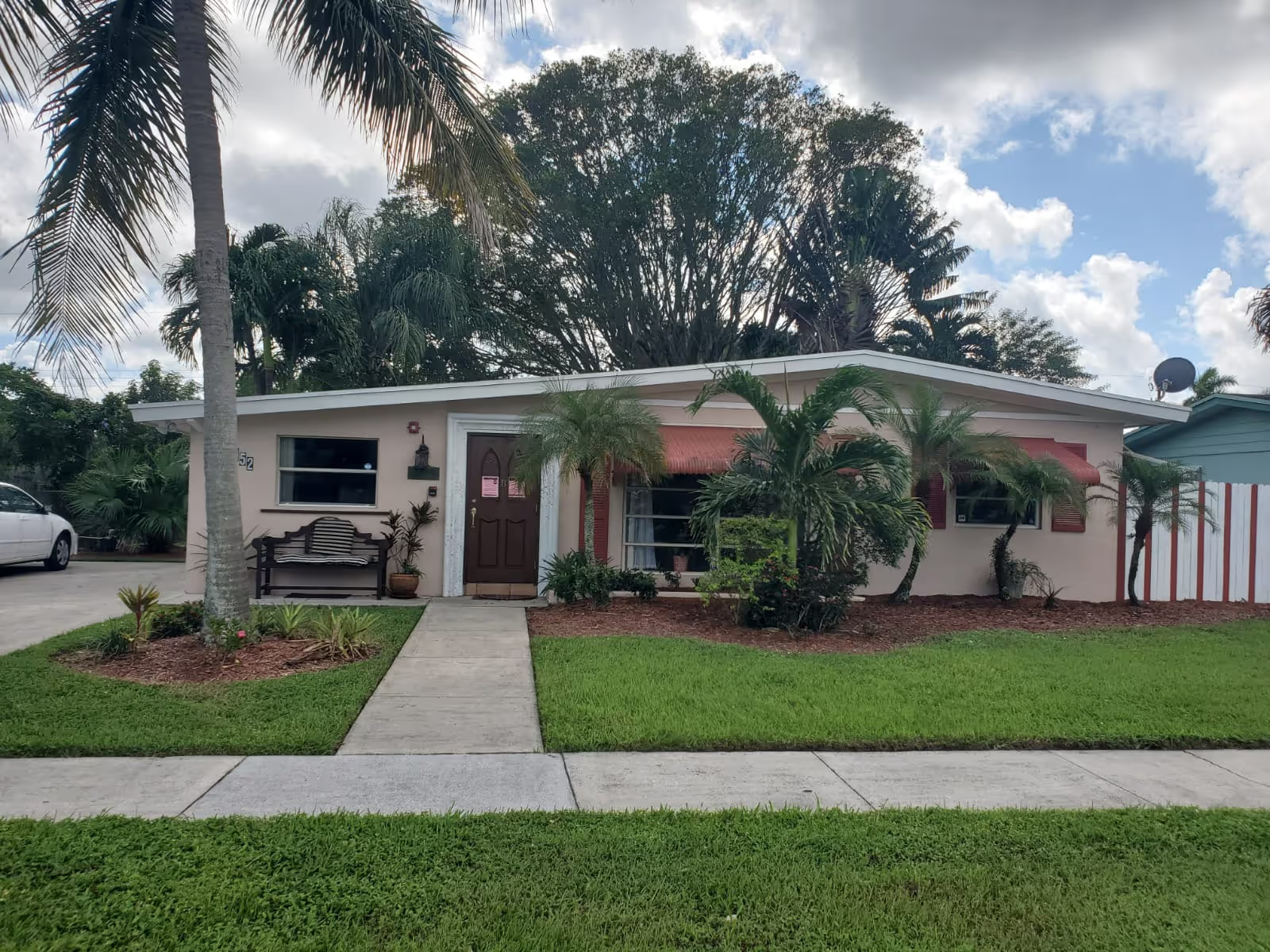
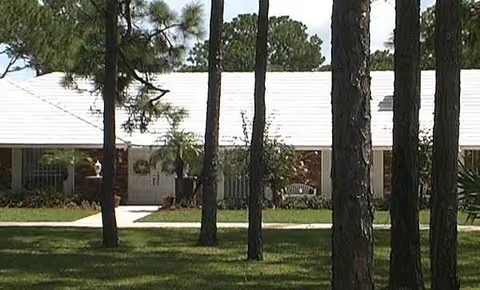
Overall impression: Wyndham House is frequently described as a small, home-like assisted living community with a strong emphasis on person-centered, family-style care. Many families and residents praised the consistently clean environment, well-kept grounds, and comfortable rooms. The facility is commonly characterized as warm and welcoming, with owners and managers who are visible and accessible to families.
Care and staff: The dominant theme across the reviews is the presence of compassionate, attentive staff who create a family-like atmosphere. Multiple accounts highlight individual caregivers and leadership as responsive, kind, and engaged with residents’ emotional and social needs. That said, there are recurring operational concerns: some accounts describe inconsistent professionalism among staff, understaffing at certain times, and process gaps that have implications for clinical safety. In particular, medication-administration controls and fall-prevention practices were cited as areas where procedures and oversight appear uneven; these are patterns that prospective families should probe during tours and care-planning conversations.
Dining and nutrition: Dining is one of the facility’s clear strengths. Reviewers repeatedly describe tasty, nutritious meals with variety, frequent snacks, and culturally familiar offerings (for example, Cuban coffee and cookies). Conversely, a few accounts raised concerns about weight loss or inadequate nutrition monitoring for some residents, indicating that nutritional status and meal intake are areas staff should monitor closely for each resident.
Activities and social life: The community offers active programming that many residents enjoy—regular domino games, music and dancing, movie or TV gatherings, outings, and holiday/birthday celebrations. These activities contribute to residents’ social engagement and reported quality of life. At the same time, some families experienced limited activity options or expressed a desire for more structured programming; the activity schedule may be variable and at times responsive to resident suggestions rather than consistently extensive.
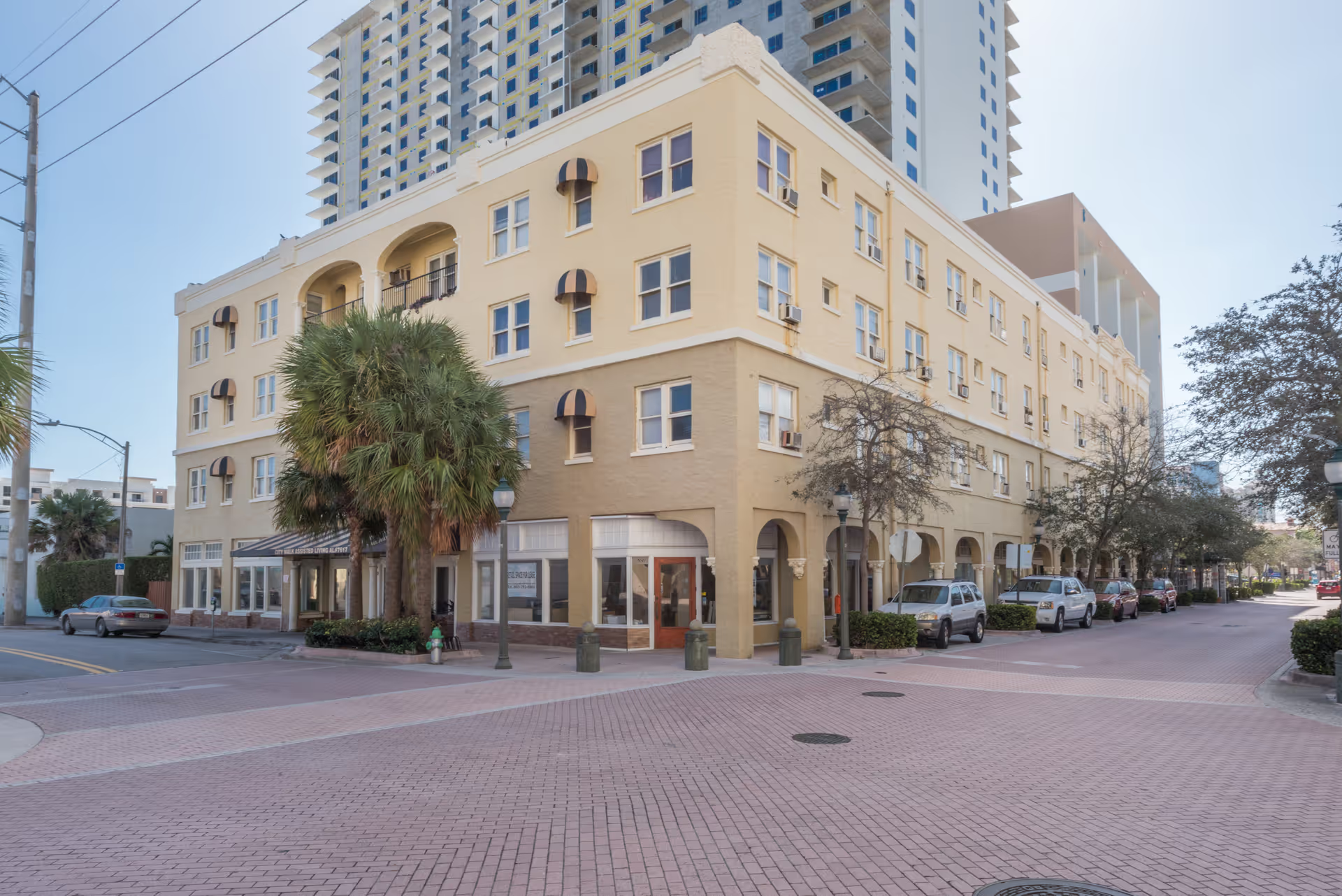
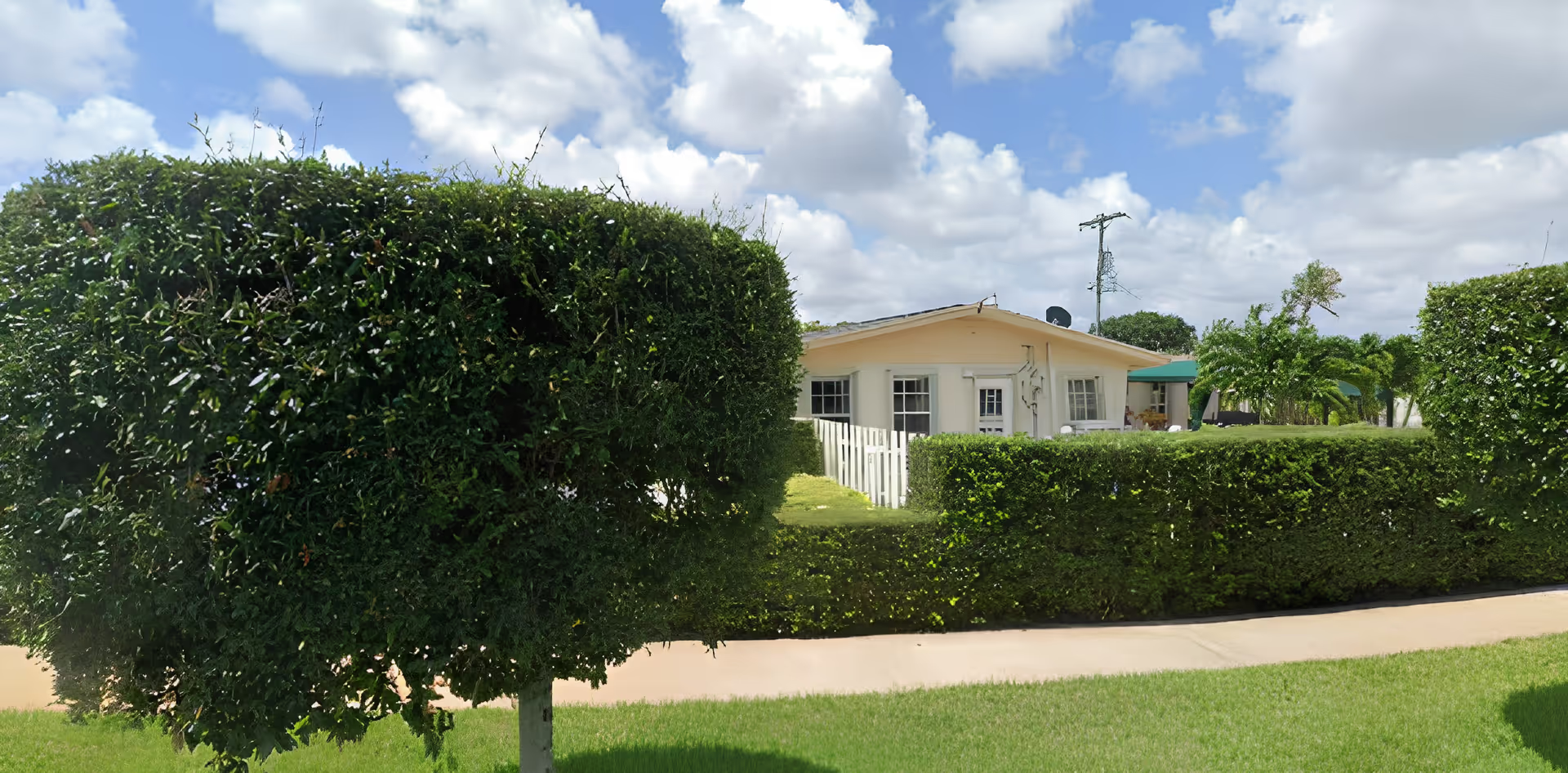
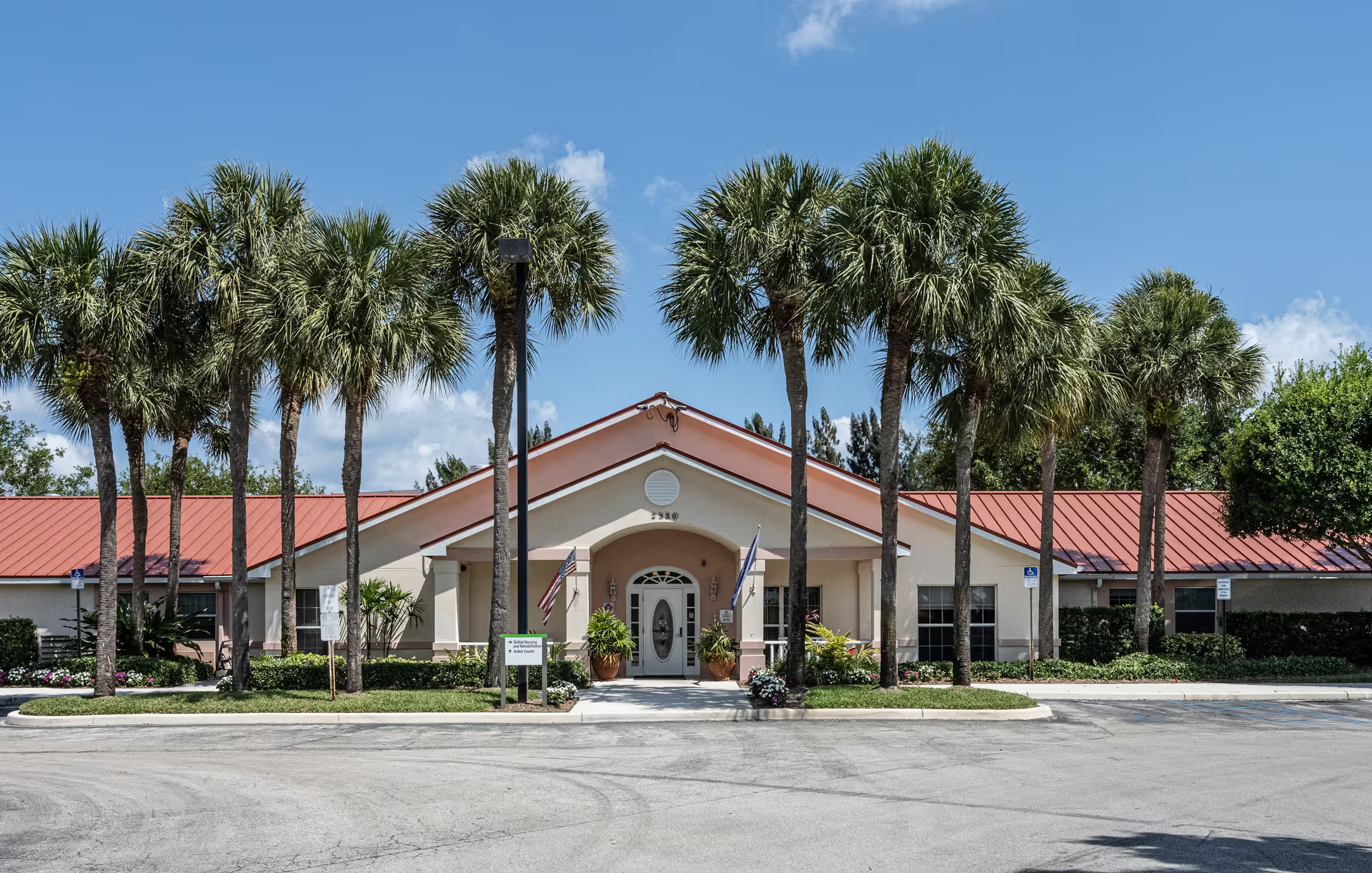
Facilities and safety: Physical facilities are described as clean, up-to-date, and homelike, with attractive outdoor space and communal dining/activity areas. Safety-related concerns in reviews focus on operational practices (falls, transfer safety, medication administration) rather than on the physical plant itself. Prospective families should inquire about staff-to-resident ratios, training in safe transfers, and medication-safety protocols.
Management and communication: Many reviewers commend the owners and administrative leadership for being approachable, communicative, and supportive—providing reassurance and assistance during transitions and hospitalizations. However, a subset of families raised concerns about administrative tone and financial/contract practices, including perceived pressure around contracts and limited follow-up after serious events. There are also a small number of more serious allegations regarding administrator conduct and clinical-process failures; those accounts are less common but warrant targeted follow-up with the provider and review of regulatory history.
Notable patterns and recommendations: The strongest, most consistent positives are the caring staff, appetizing dining, cleanliness, and the home-like atmosphere that promotes resident engagement. Patterns that merit attention during decision-making include staffing consistency, medication-administration safeguards, fall-prevention processes, nutrition monitoring, and the facility’s approach to family communication after adverse events. Families should consider on-site discussions about staffing patterns, medication protocols, clinical incident reporting, and contract terms to ensure expectations are aligned with the community’s practices.