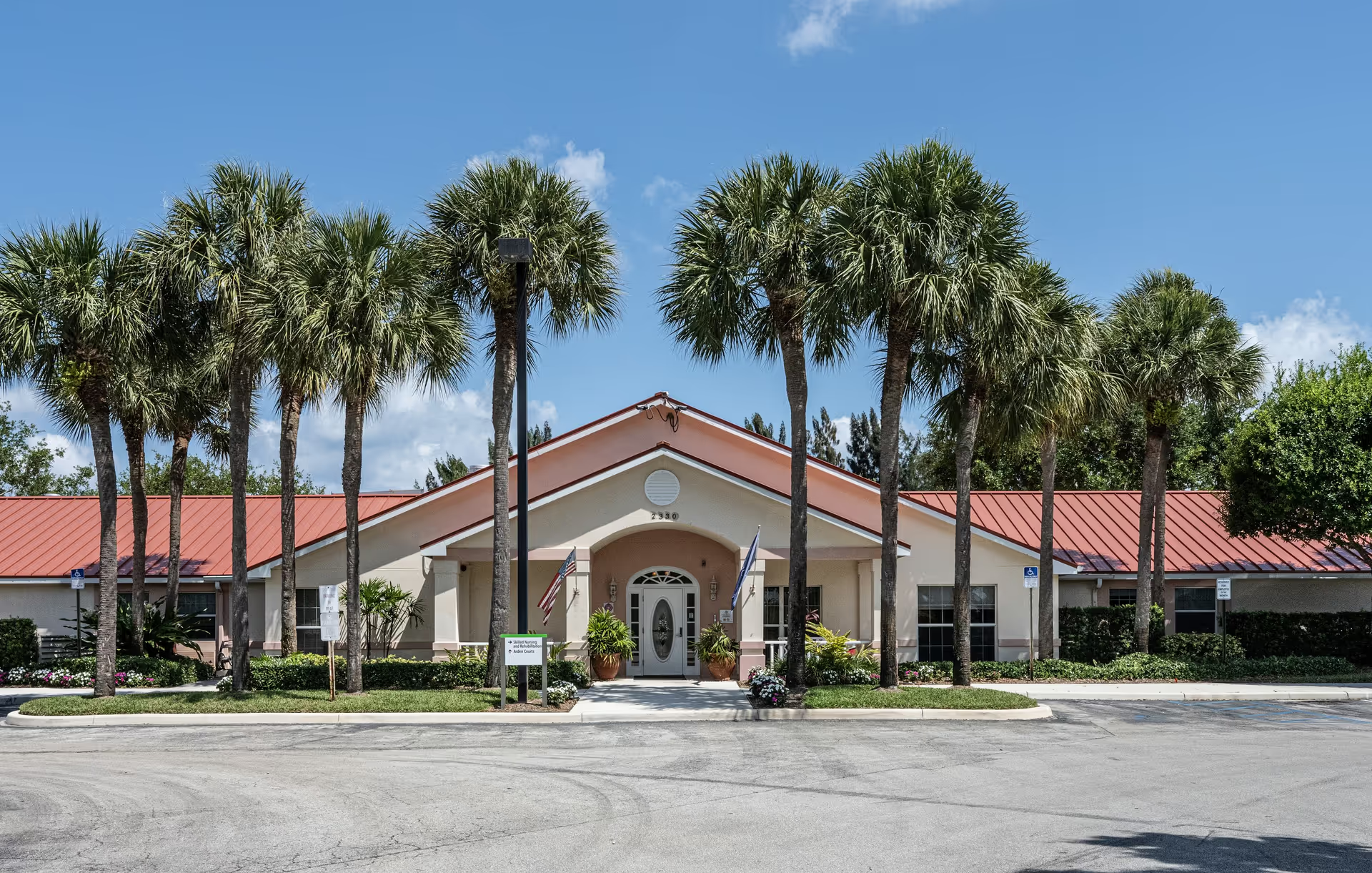
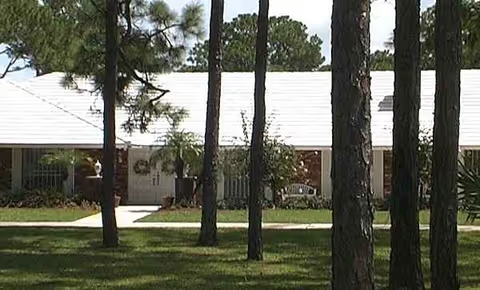
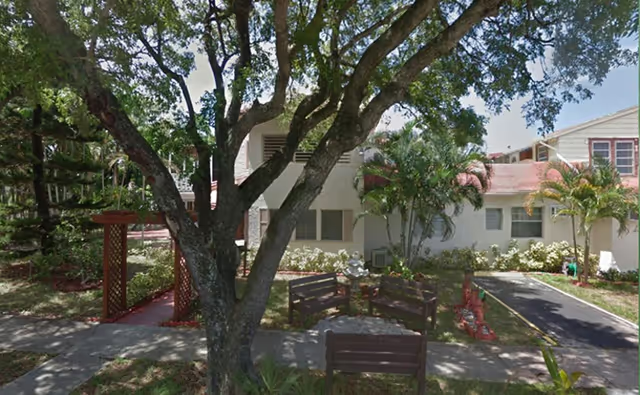
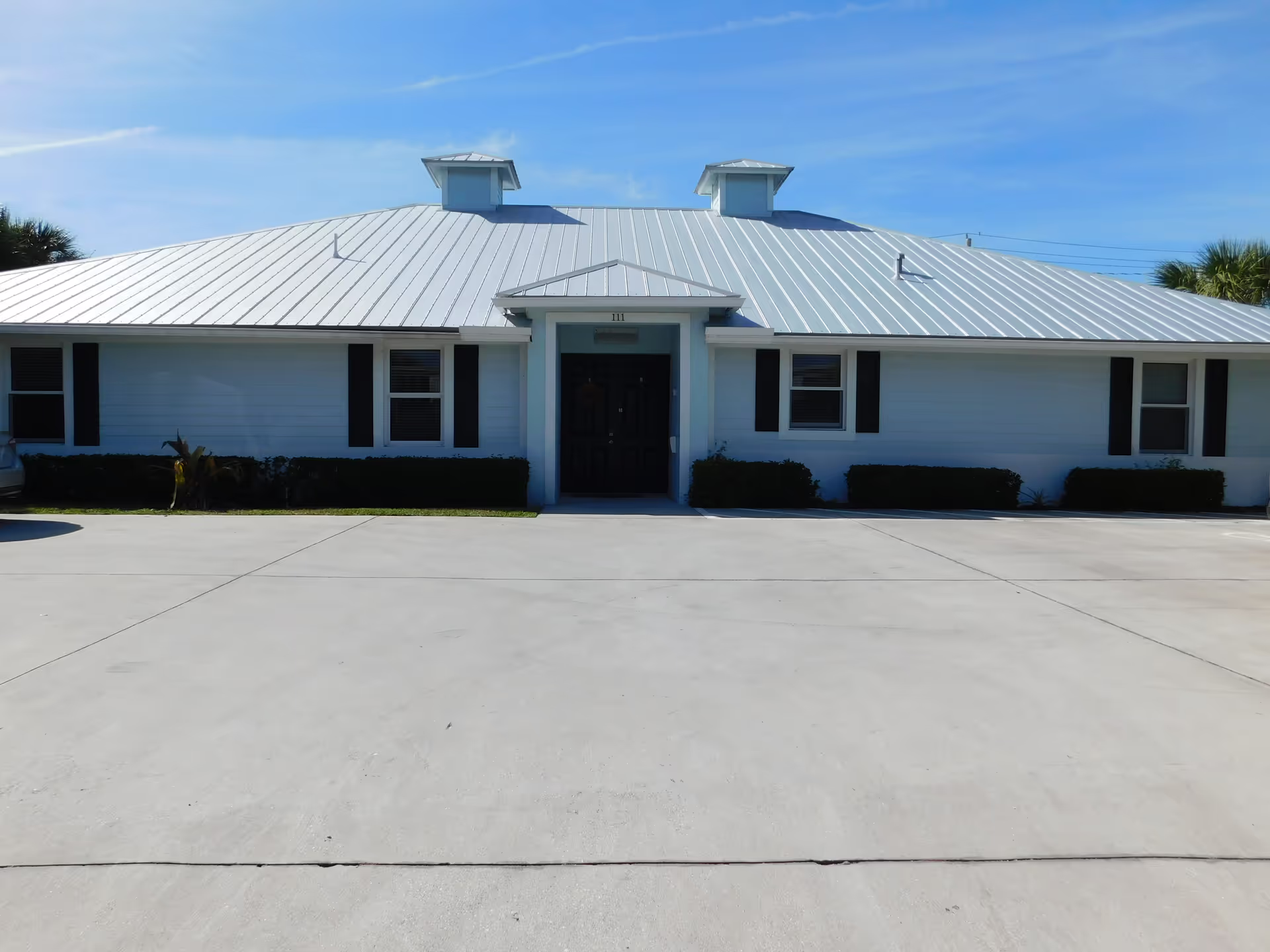
Resnick Assisted Living at MorseLife elicits strongly mixed impressions. Across reviews there is a consistent recognition of a high-quality physical plant and strong short-term rehabilitation capacity: the facility is frequently described as clean, modern and hotel-like, with spacious private rooms, en suite bathrooms, attractive grounds and substantial therapy equipment. Many families reported positive outcomes after brief rehab stays, praising occupational and physical therapy programs and specialized gym equipment that support non–weight-bearing mobility. Admissions and finance interactions are often described as helpful and professional, and flexible visitation policies and well-maintained public spaces provide convenience and peace of mind for some residents and visitors.
Care quality and staffing show notable variability. Numerous reviewers praised compassionate, professional nursing and aide staff who provide attentive support, but an approximately equal number raised concerns about understaffing, uneven nurse coverage, and burnout. These operational gaps were associated with delayed responses to calls for assistance, slow medication administration at times, difficulties obtaining water or basic help overnight, and variability in competency across clinical staff and therapists. The pattern suggests reliable short-term rehab staffing and outcomes but inconsistent continuity and depth of long-term nursing care in certain units or shifts.
Dining and activities are similarly polarized. Several families described excellent meals and attentive food service; others described a significant and sometimes abrupt decline in food quality, limited menu variety, or unappetizing preparations. Activity programming exists — including bingo, a beauty parlor, religious services, and social events — but multiple reviewers characterized the offerings as passive or insufficiently engaging for residents needing higher stimulation or individualized enrichment.
Operational and management issues recur in the feedback. Communication lapses between staff and families, difficulty reaching clinicians or on-call doctors, delayed callbacks from the front desk, and inconsistent follow-through on complaints were noted. Housekeeping and sanitation standards were generally praised in public areas and some rooms, yet a subset of comments raised sanitation and odor concerns in specific locations. Safety-related operational traits were also mentioned, including inconsistent application of transfer/lift protocols and transportation logistics to external specialists, which increase family concern about long-term placements that require higher levels of medical oversight.
In summary, Resnick Assisted Living at MorseLife presents strong physical amenities and an effective short-term rehabilitation program alongside a cadre of compassionate caregivers. However, the facility exhibits operational inconsistencies that materially affect long-term care experiences: variable staffing levels, intermittent delays in response and medication handling, mixed dining quality, and uneven management communication and follow-up. Prospective residents and families should weigh the facility’s robust rehab resources, cleanliness, and attractive environment against the variability in long-term nursing continuity, dining consistency, activity engagement, and administrative responsiveness. A targeted tour that asks about current staffing ratios, medication-safety protocols, long-term nursing oversight, meal planning, and specific examples of family communication practices would help clarify fit for an individual’s needs.