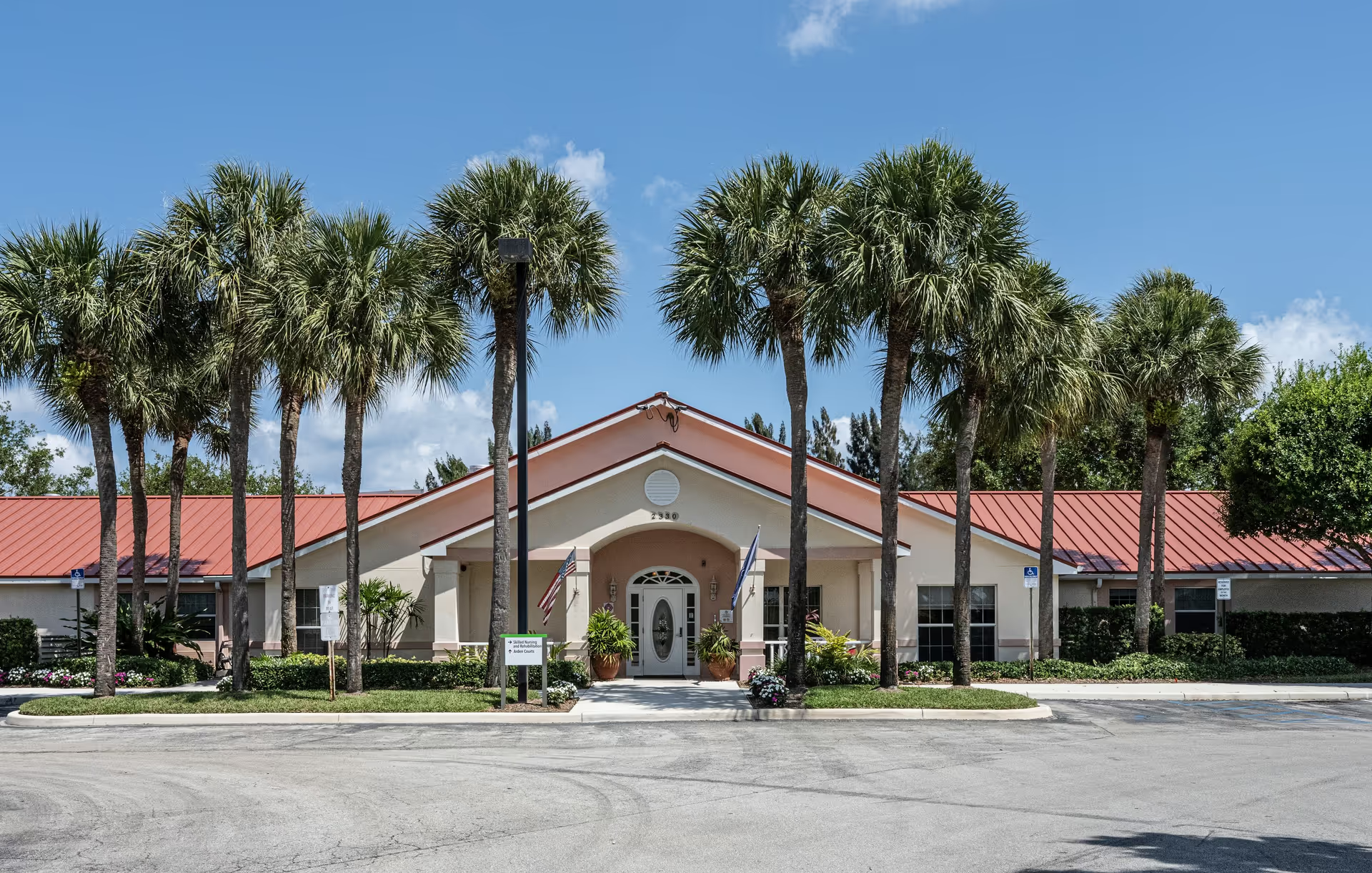
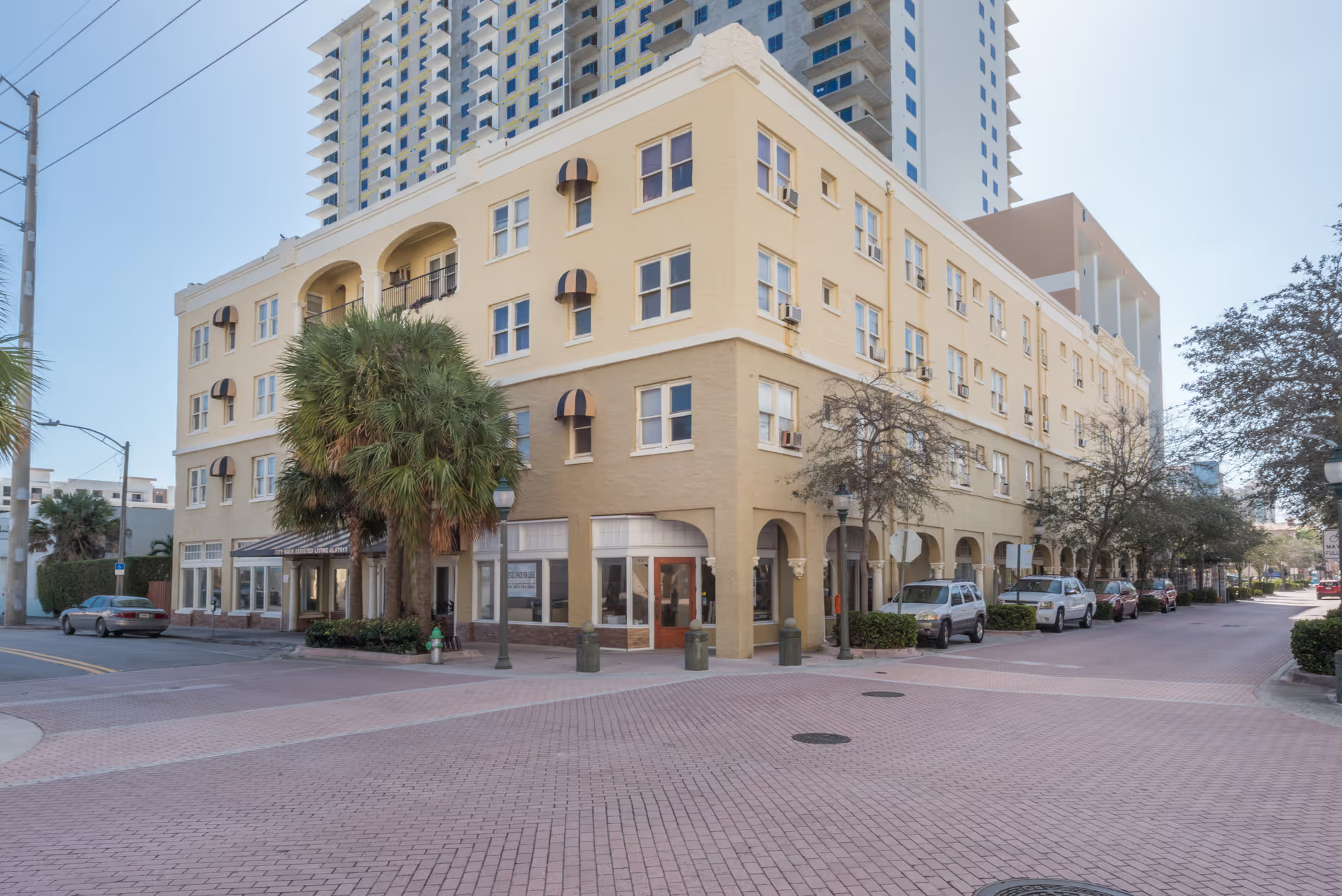
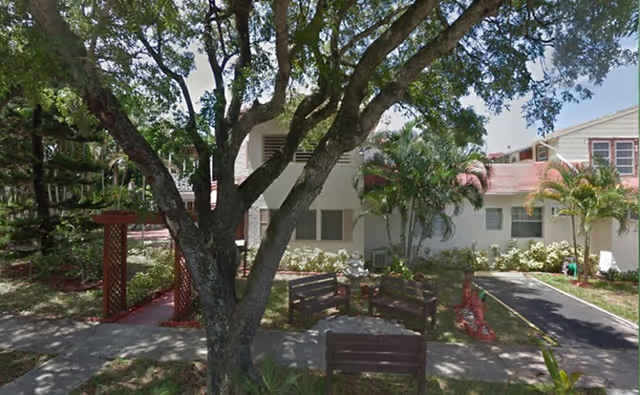
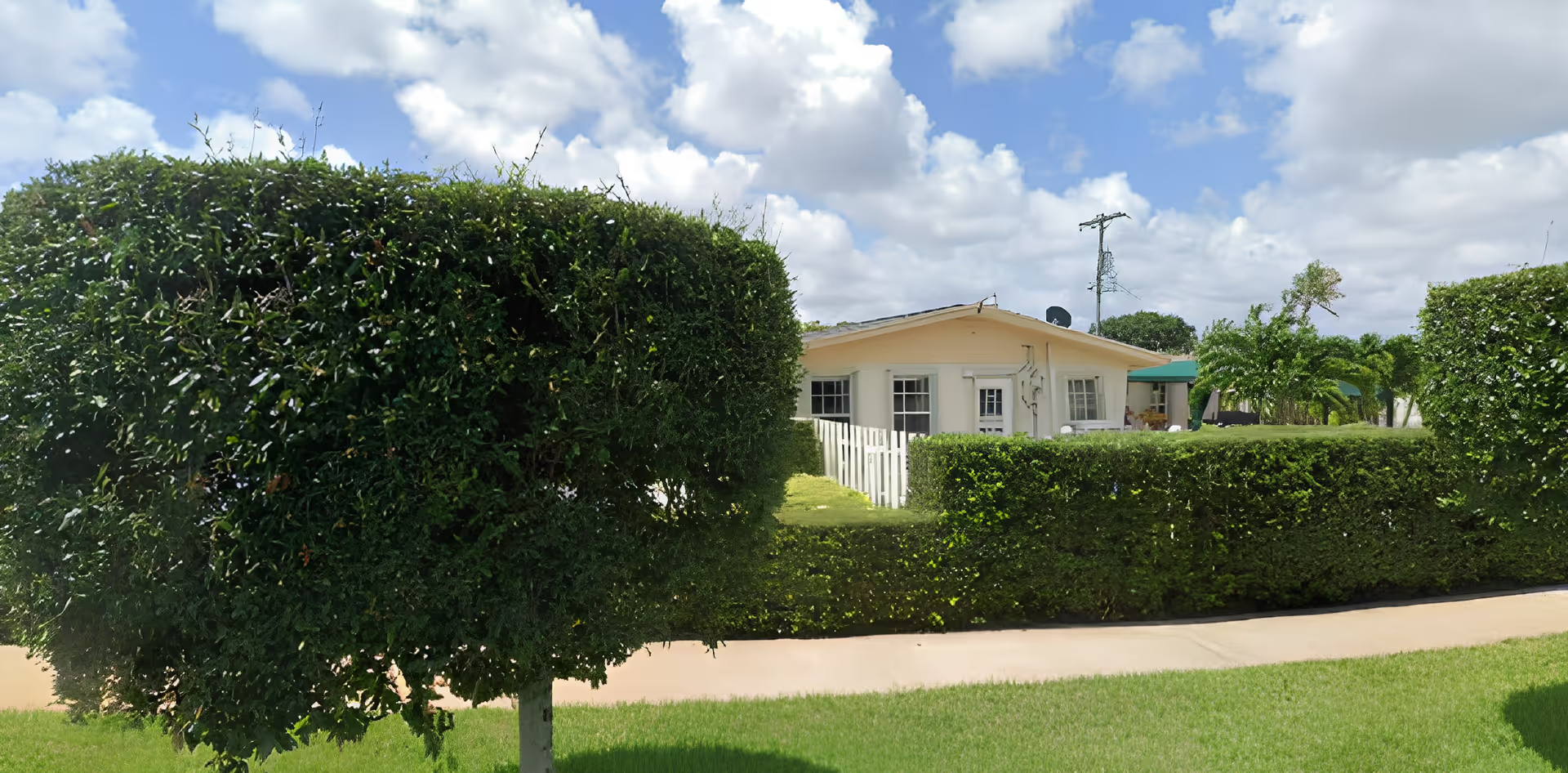
The reviews present a mixed picture of life at the facility, with a strong split between very positive experiences and substantive operational concerns. Positive feedback centers on the people and the place: many residents and families describe warm, attentive staff members, robust social programming, and attractive grounds and common areas. Admissions and move-in staff are frequently praised for making transitions smoother, and there are repeated mentions of engaging activities and entertainment—often attributed to a highly involved activities director. Where dining is strong, reviewers describe restaurant-style service, special-event meals, and accommodating servers.
At the same time, a number of persistent operational issues emerge. Staffing appears to be a systemic challenge: reviewers cite shortages, frequent turnover, and overworked employees, which reviewers connect to delays in responding to resident calls and reduced continuity of care. Relatedly, administrative accessibility and communication are often described as inconsistent—families report difficulty reaching offices, delayed follow-up, and questions about management visibility. Maintenance and reliability of building systems is another recurring concern, including elevator outages, door and lock problems, telephone reception issues, and isolated health-code or sanitation items raised by families.
Dining is an area of notable variability. Several accounts highlight exceptional meals and attentive dining-room service, while others describe declining food quality, menu repetition, limited bread or entrée options, and extra fees for off-site or delivered meals. Financial transparency and rate stability are also concerns: reviewers reference periodic rent increases, added meal fees, and perceived lack of clarity around budgeting for dining and other services.
Care quality shows both strengths and gaps. Many families report compassionate, professional nursing and hospice coordination, with staff who go above and beyond. Conversely, there are operational-level concerns about responsiveness for higher-acuity needs—delays in attending to call alerts, missed therapy or care coordination appointments, and questions about the facility's ability to care for residents whose health status deteriorates. There are also serious individual claims, including allegations of missing personal items; these raise concerns about personal-property controls and warrant direct inquiry by prospective families.
Activity programming and community life are commonly cited as strong points; reviewers appreciate the variety of events, social opportunities, and dedicated staff who create a positive daily atmosphere. Facility amenities (pool, gym, salon, library) and apartment layouts receive favorable comments, though amenity condition and availability can be affected by maintenance and staffing constraints.
For prospective residents and families: the facility offers clear strengths in social programming, hospitality-style dining when executed well, and welcoming communal spaces. At the same time, it displays operational weaknesses in staffing stability, maintenance reliability, administrative communication, and consistent meal-service quality. When evaluating placement, consider asking for current staffing ratios, documentation of recent maintenance and health-code inspections, sample menus and dining budgets, procedures for responding to call alerts and incidents, personal-property safeguards, and written explanations of fees and anticipated rate changes. These targeted questions will help assess whether the facility’s current operational profile matches a resident’s clinical needs and expectations for services.