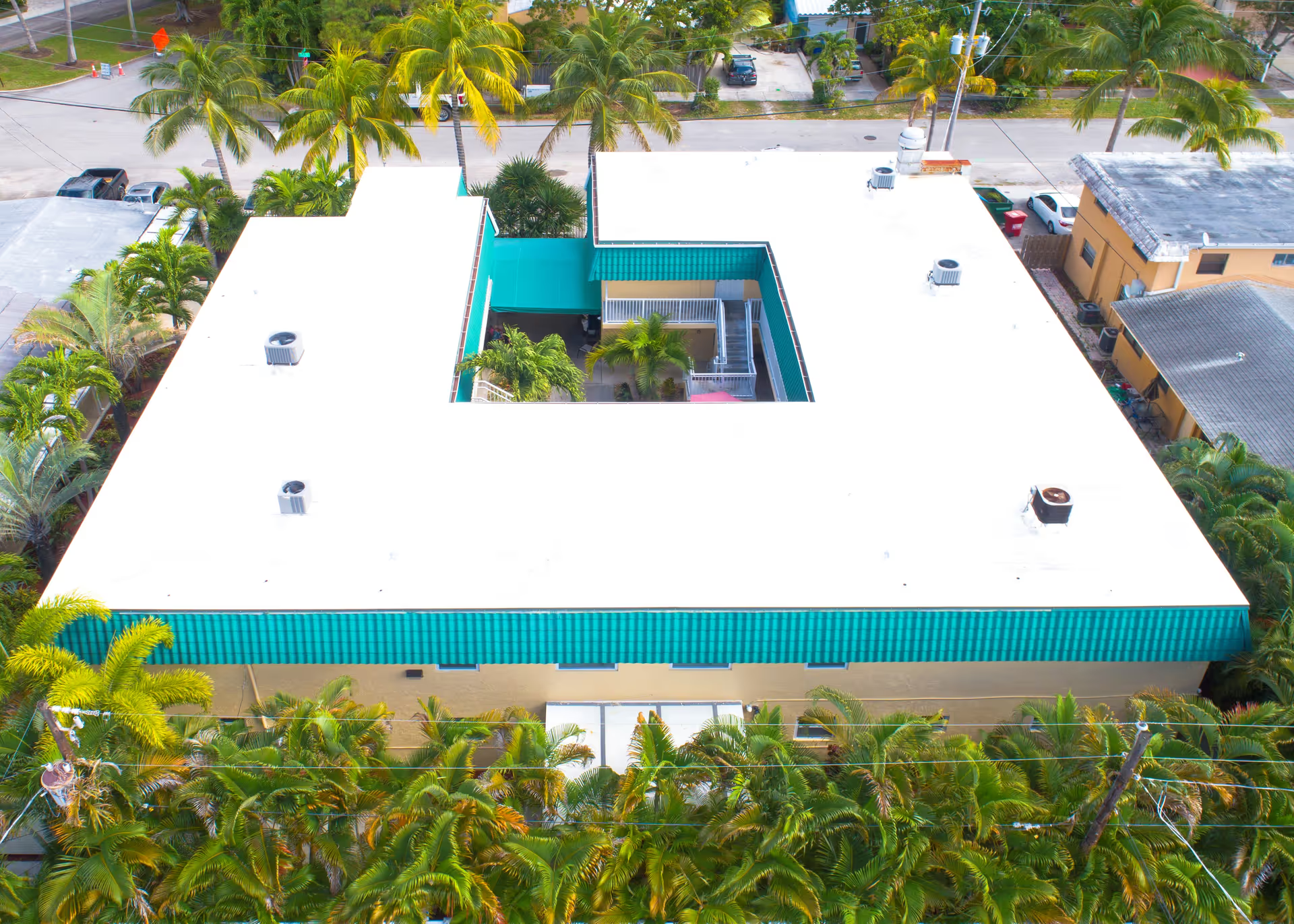
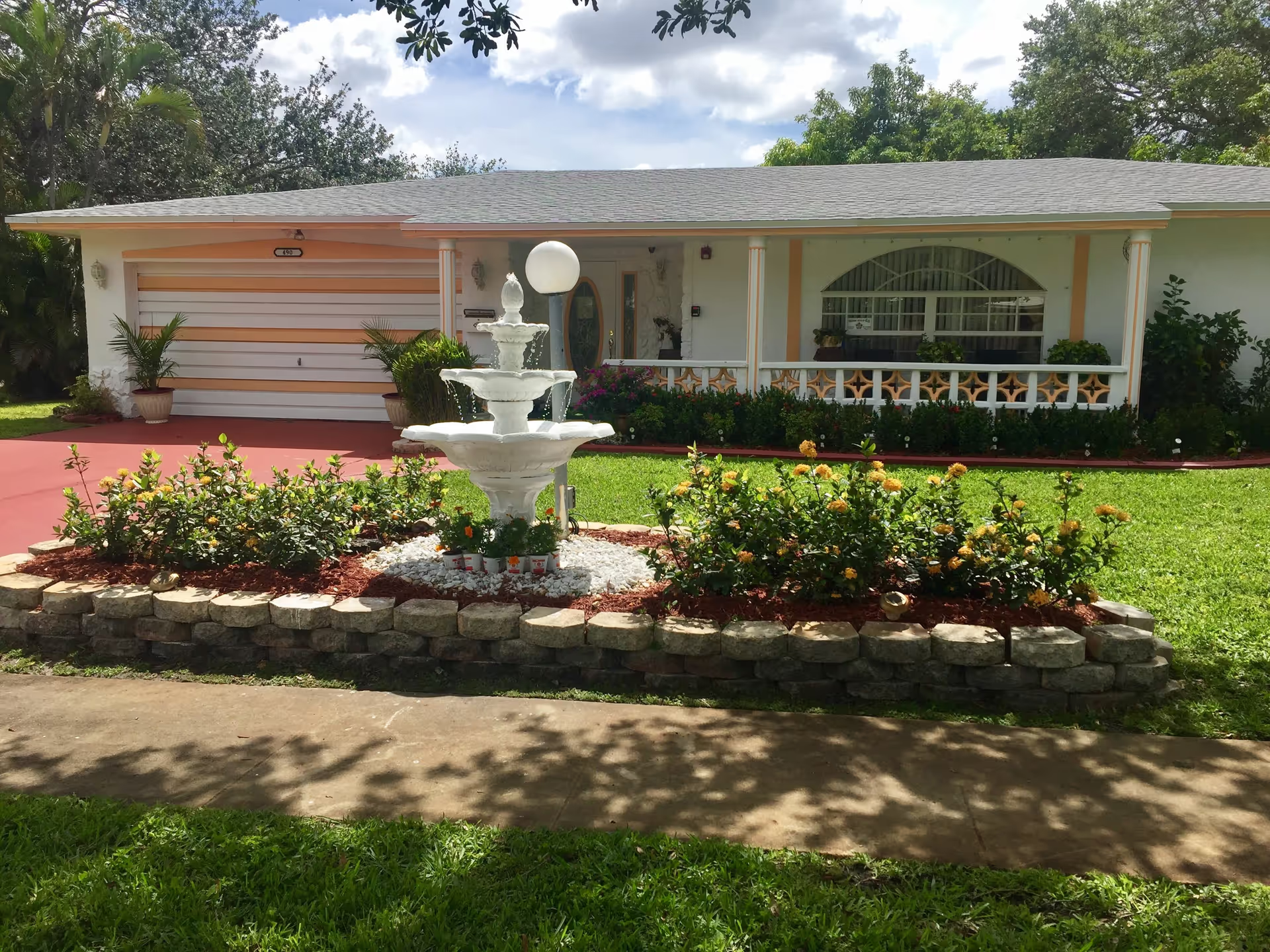
The review corpus for Wilton Manors Health and Rehabilitation Center is highly mixed, with distinct clusters of positive and negative experiences. A repeatedly cited strength is the facility’s rehabilitation program: physical and occupational therapists receive frequent praise for effective, motivating therapy, good outcomes, and a well‑equipped gym. Admissions and some members of social work and clinical leadership are also identified as attentive and professional, and numerous families described periods when nursing and CNA teams provided compassionate, dignified care.
At the same time, a sizable body of feedback describes operational inconsistencies that affect quality of care. Nursing and aide responsiveness is uneven, with many accounts of delayed attention to call lights, late or missed medication doses, and slow symptom relief (for example, delayed anti‑nausea medication). Night and weekend coverage is cited as a particular weak point. Several reviews emphasize inconsistent personal‑care practices — including bathing, oral care, and assistance with repositioning — and extended periods when residents were observed to receive minimal direct care.
Dining and nutrition receive mixed marks. Some families were satisfied with menu alternatives and helpful dietary staff, while others reported failures to follow special‑diet orders (for example, diabetic or intolerance needs) and frequent dissatisfaction with meal quality and temperature. Discharge planning and equipment coordination emerge as recurring operational gaps: families described incorrect or missing mobility aids and paperwork delays that complicated transitions home or to other providers.
Facility environment and infection control are also areas of concern. While many reviewers describe clean, bright units and daily housekeeping, there are repeated notes about odor concerns in some areas, mold/mildew observations, and pest‑control issues requiring attention. Noise and roommate incompatibilities (language barriers, late‑night disturbances) were reported to impair sleep and privacy for some residents.
Management and communication present a bifurcated picture. Several reviewers singled out responsive administrators, an improved culture under new leadership, and staff who proactively addressed issues. Conversely, other families reported poor follow‑through from management, slow or absent social‑work responses, and limited transparency after clinical incidents. There are also a small number of serious, individual allegations — including claims involving theft, security failures, and concerns following a resident’s death — that families would want to clarify directly with facility leadership or regulatory authorities.
Notable patterns: strong rehabilitation services and many individualized, positive caregiver interactions contrast with recurring operational weaknesses in staffing consistency, medication/timeliness, dietary management, environmental sanitation in parts of the building, and discharge logistics. Prospective residents and families should weigh the facility’s demonstrated strengths in therapy and some areas of nursing against the variability in overnight coverage, communication, and housekeeping. When considering admission, it is advisable to discuss specific expectations for night staffing, special‑diet handling, fall/supervision protocols, discharge equipment, and the facility’s pest‑control and sanitation procedures with the administration.