Reviews present a mixed but repeatable picture across care, staffing, dining, activities, facilities, and management. Many families describe warm, relationship-focused caregivers who create a home-like environment and strong social connections for residents. At the same time, there are recurring operational concerns—most notably regarding staffing levels and consistency of clinical care—that affect day-to-day support for residents.
Care quality and clinical oversight appear inconsistent. Positive accounts highlight attentive nursing staff, timely medication distribution, and staff who go beyond basic duties to provide individualized support. Conversely, other accounts describe missed medications or treatments, delays in assistance with transfers and toileting, and a desire for stronger, full-time nursing coverage. Taken together, these comments suggest variability in clinical practice and a potential need for clearer protocols and oversight to ensure consistent delivery of personal-care and medical services.
Staff and management feedback is similarly mixed. Numerous reviewers praised compassionate caregivers, helpful maintenance personnel, and administrators who responded well during difficult periods such as the COVID era. However, other families reported poor customer-service responsiveness, difficulties during the admissions process, and differing impressions of leadership style. Admission and billing/documentation processes were specifically highlighted as weak areas—examples include missing intake paperwork, delayed invoicing, and unreturned inquiries—indicating process and communication gaps at the front end of placement.
Dining and activities are frequently cited strengths. The facility offers three daily meals with snacks, often described as home-cooked by on-site chefs and able to accommodate individual dietary needs. Activity programming appears robust where reviewers were positive: regular crafts, games, musical entertainment, church services, manicures, and other guest activities contribute to social engagement. Nevertheless, some families felt programming was insufficient in certain areas or units, pointing to uneven engagement depending on staffing or unit focus.
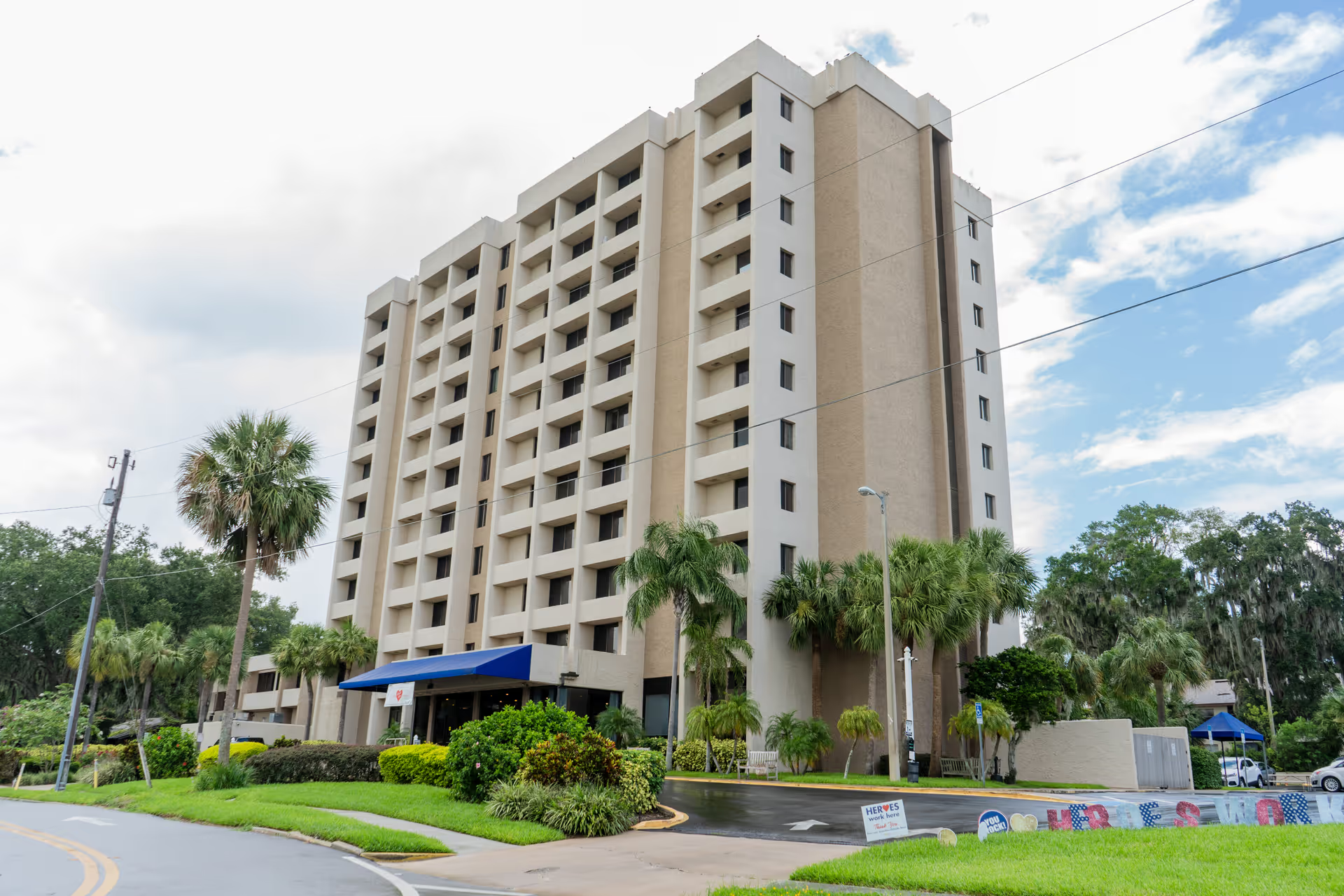
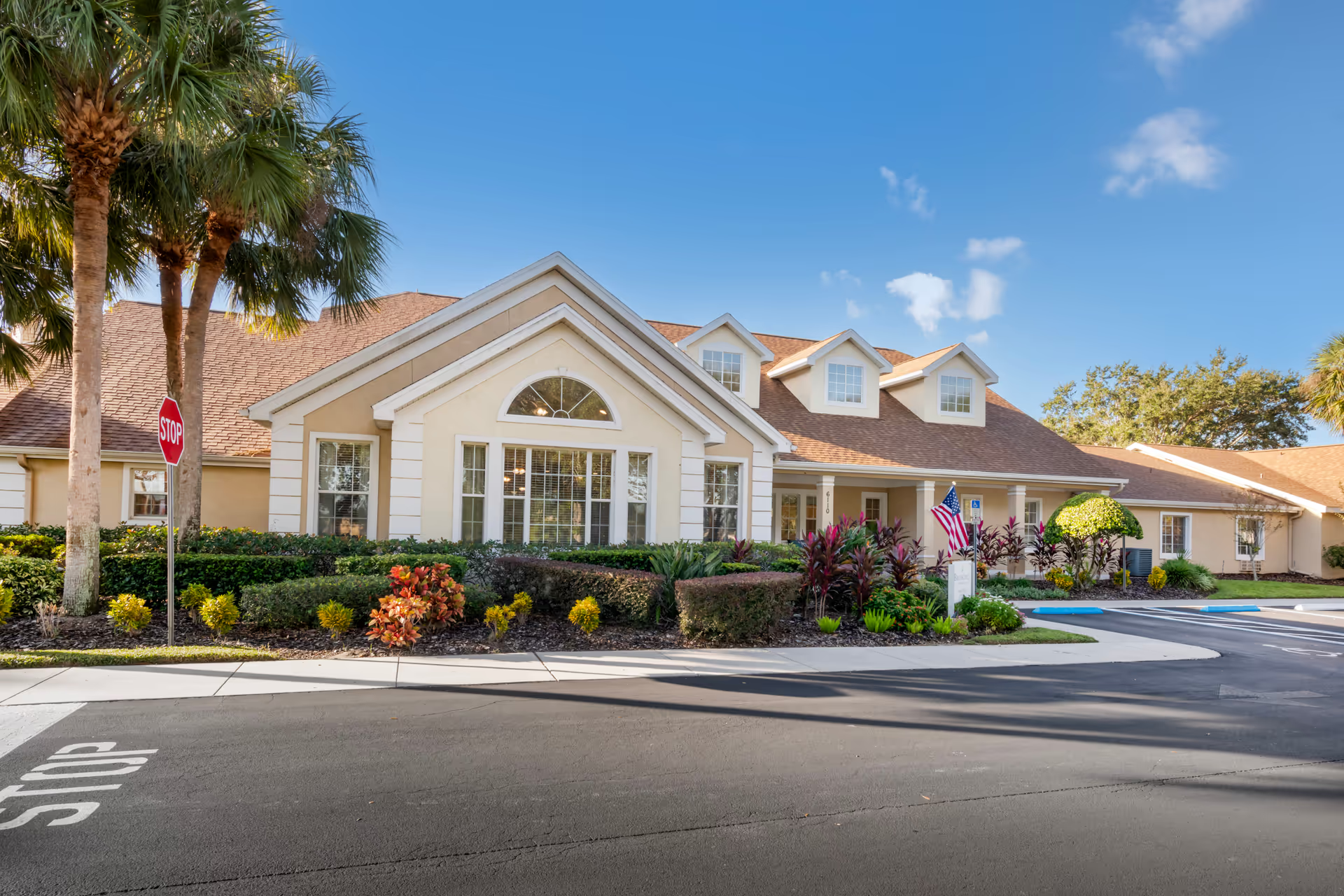
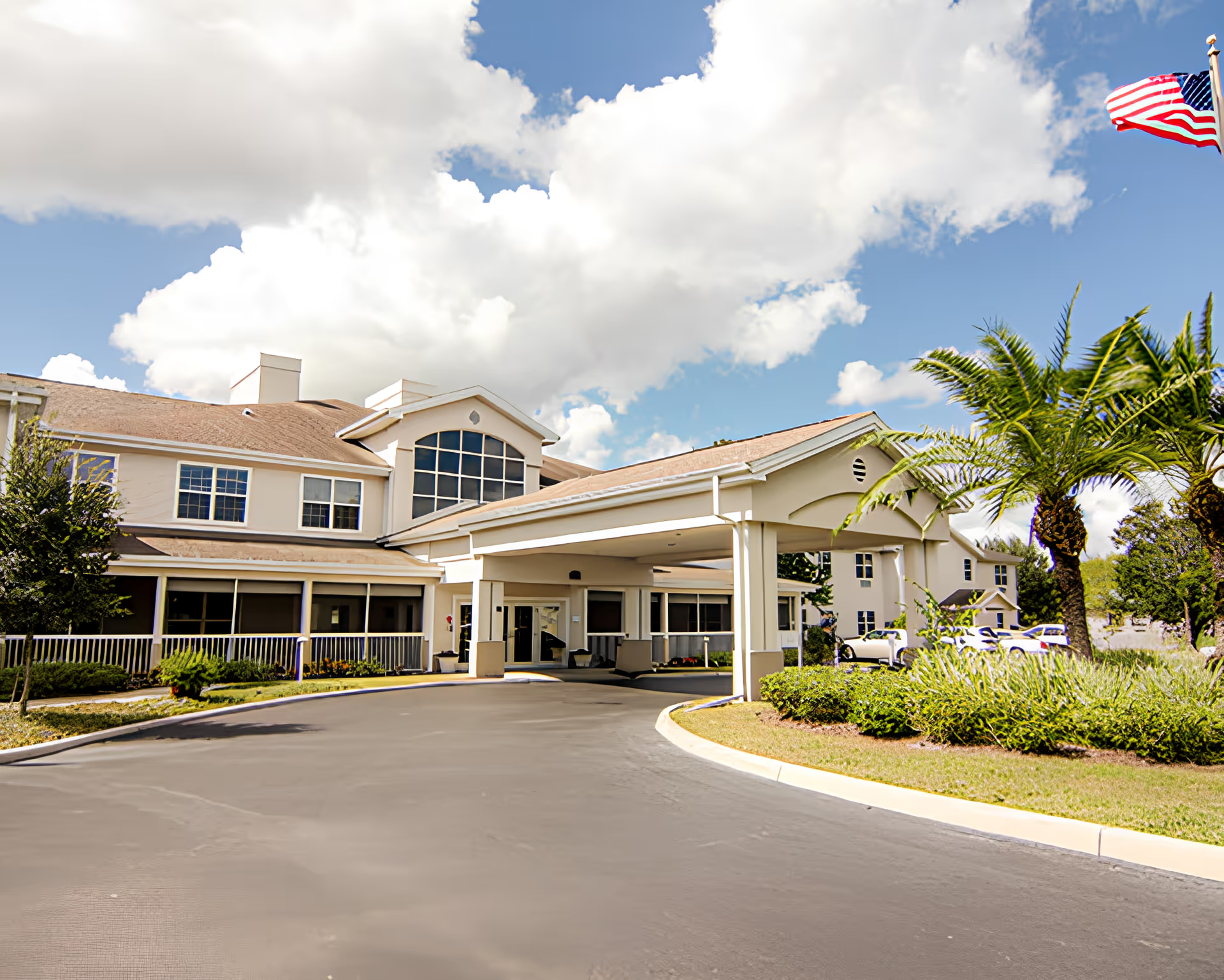
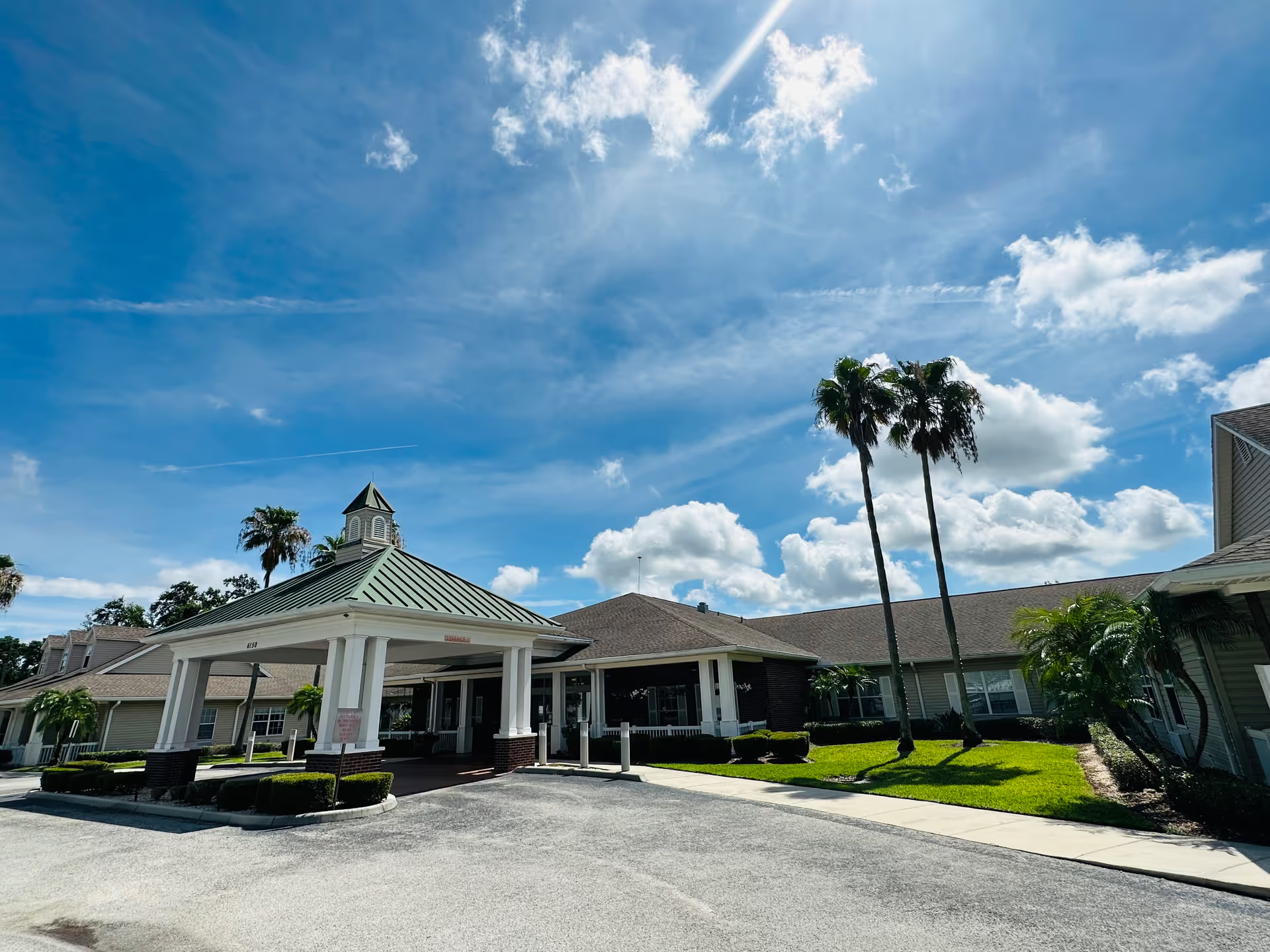
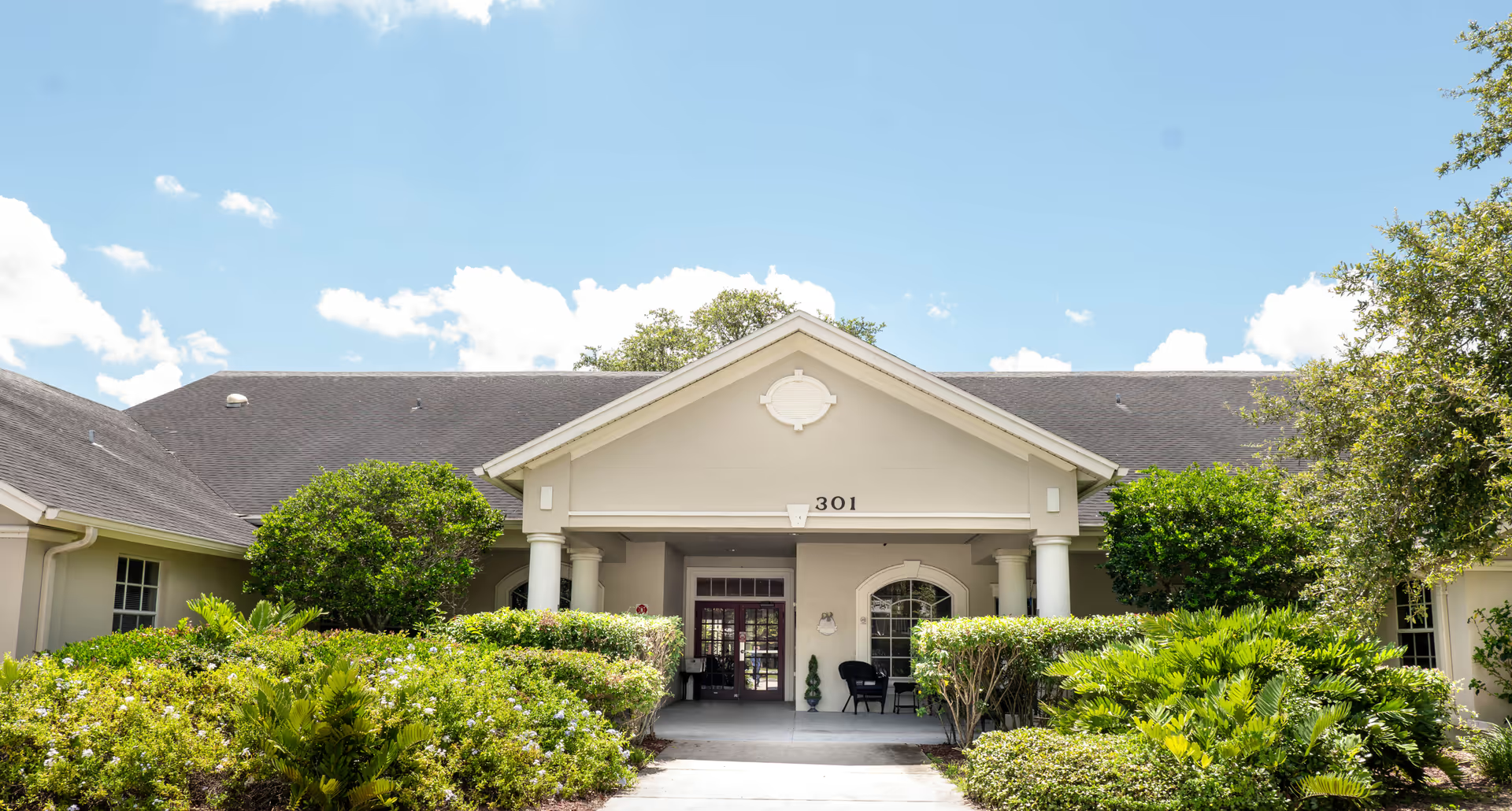
Facility condition comments vary by area. Several reviewers described clean, well-maintained rooms and grounds, responsive maintenance, and fresh laundry service. Others noted older, darker sections, sanitation and odor concerns in particular common areas, and signs of deferred repairs. There were also mentions of outdoor animal presence and pest-control concerns; these underscore the unevenness in upkeep and the importance of inspecting specific units and common spaces during a visit.
Notable patterns for prospective families: operational inconsistency is the dominant theme. Strengths—compassionate staff, good meals, active programming, and responsive maintenance—coexist with weaknesses around staffing consistency, clinical oversight, visitor-management, admission/billing processes, and variable cleanliness or maintenance in some areas. Prospective residents and families should prioritize direct questions and observations about staffing ratios and schedules, daily assistance protocols (especially for transfers and toileting), medication administration practices, infection-control procedures, clarity of admissions paperwork and billing, and the condition of the specific unit they would occupy. A focused tour that includes review of sample menus, medication-management policies, ADL assistance protocols, and recent maintenance records will help assess whether the facility’s strengths align with an individual resident’s needs.