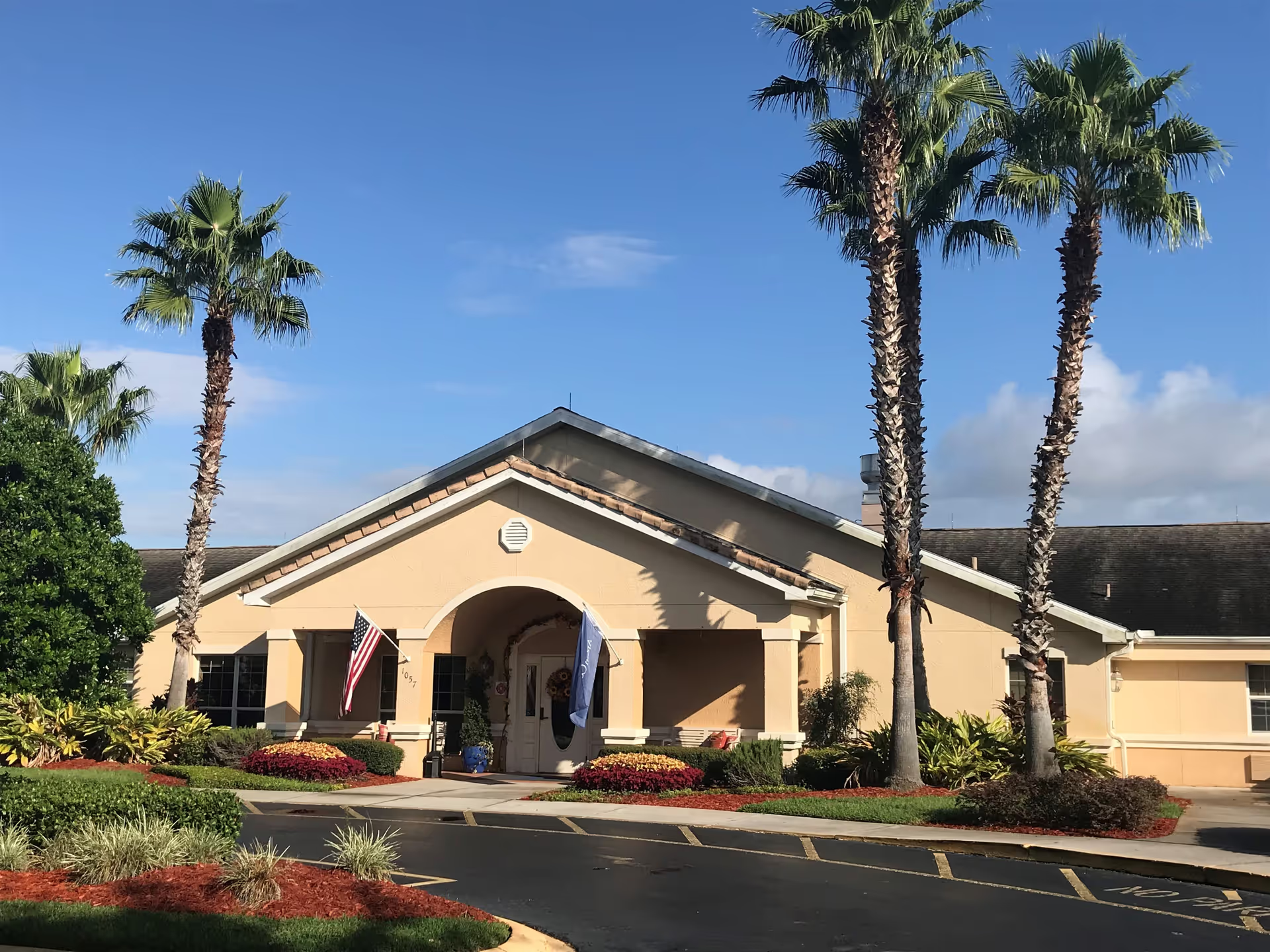
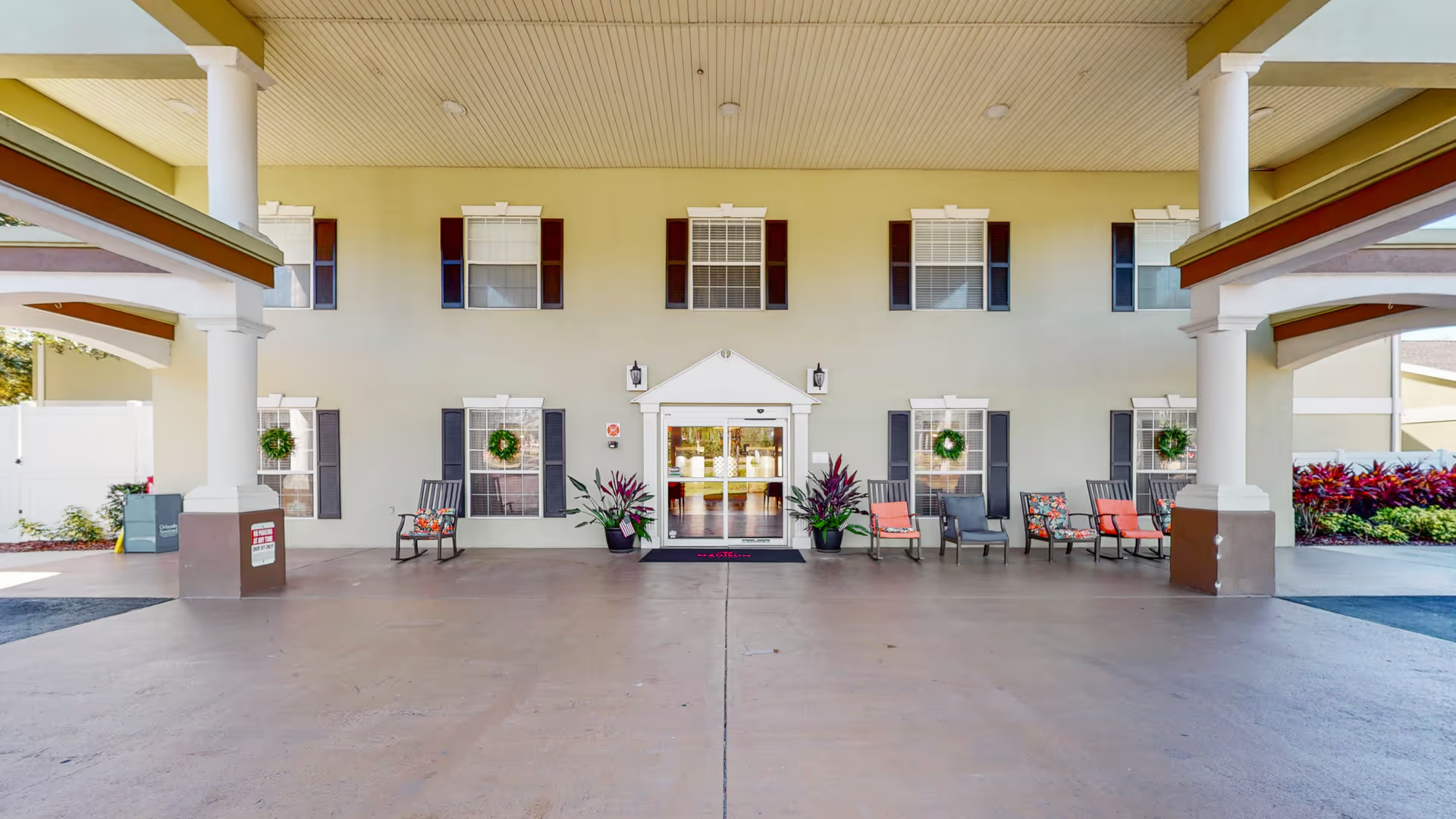
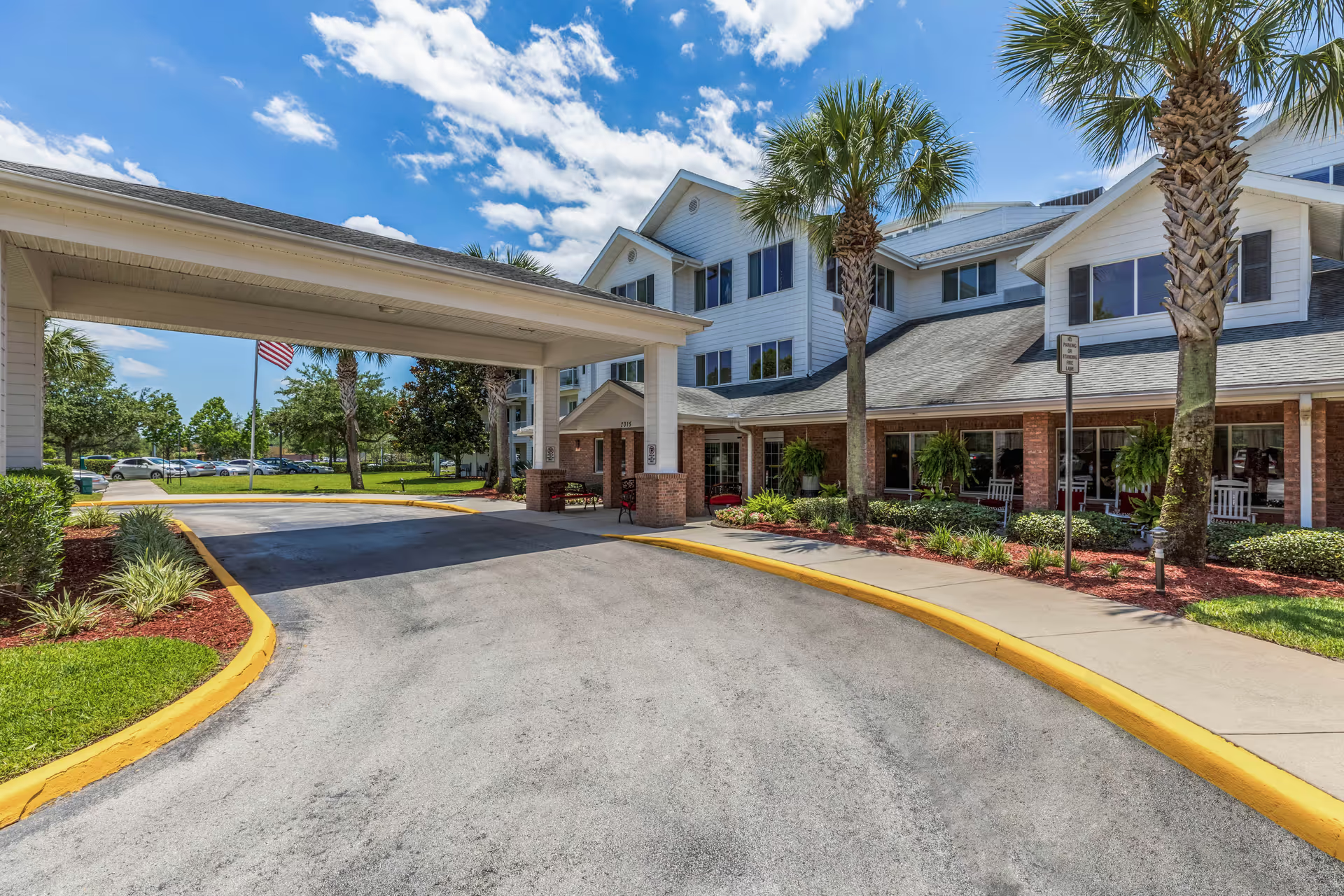
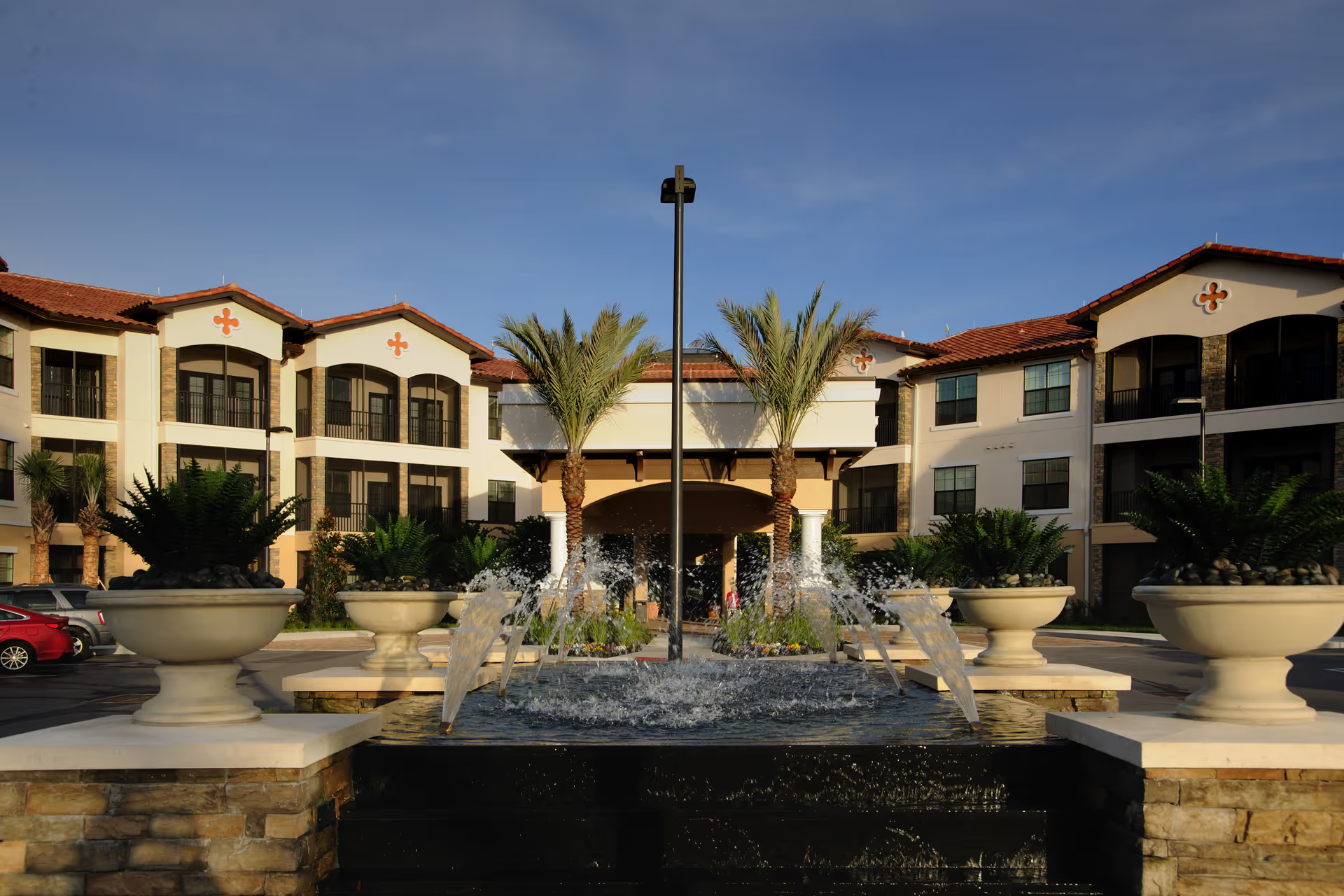
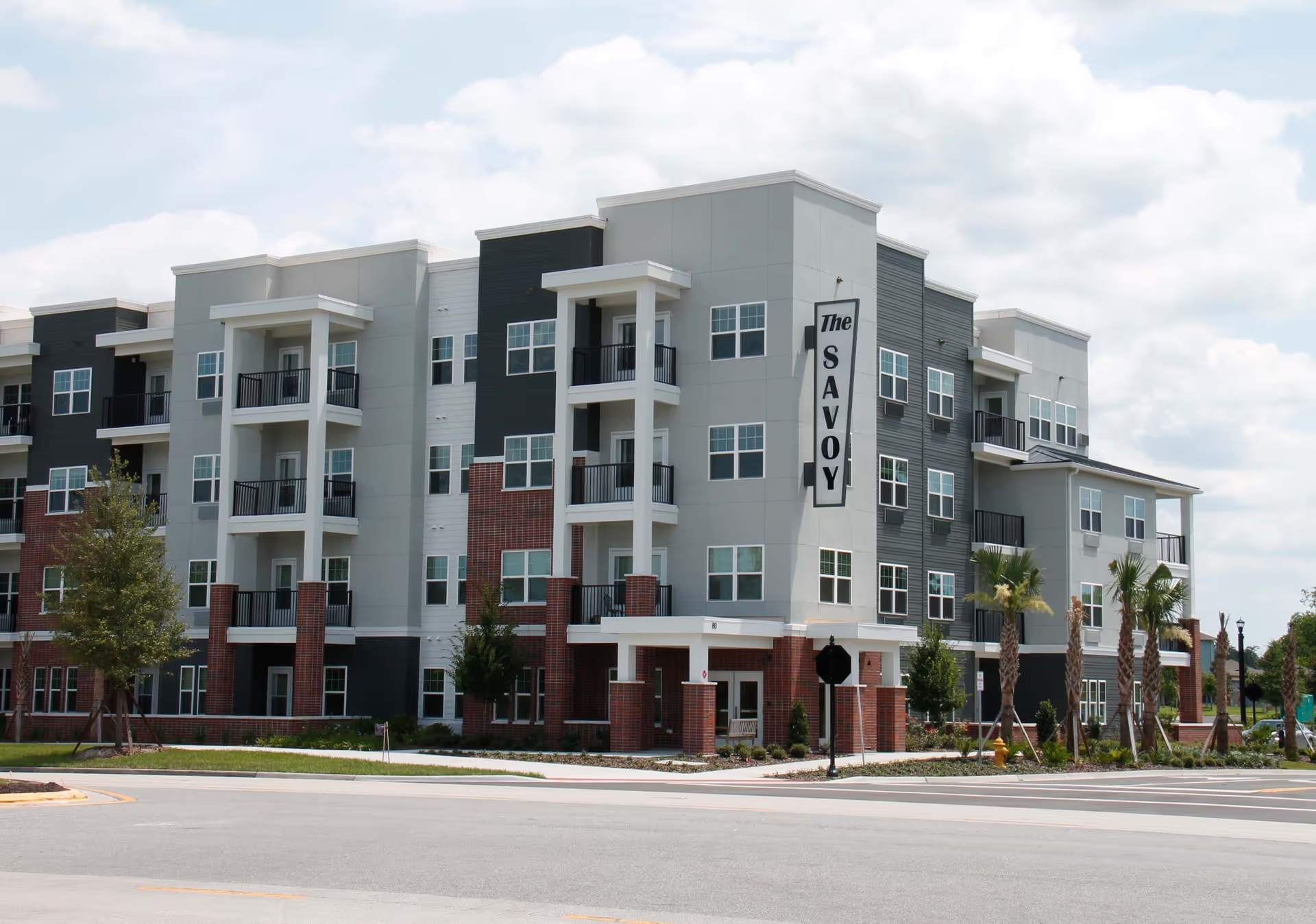
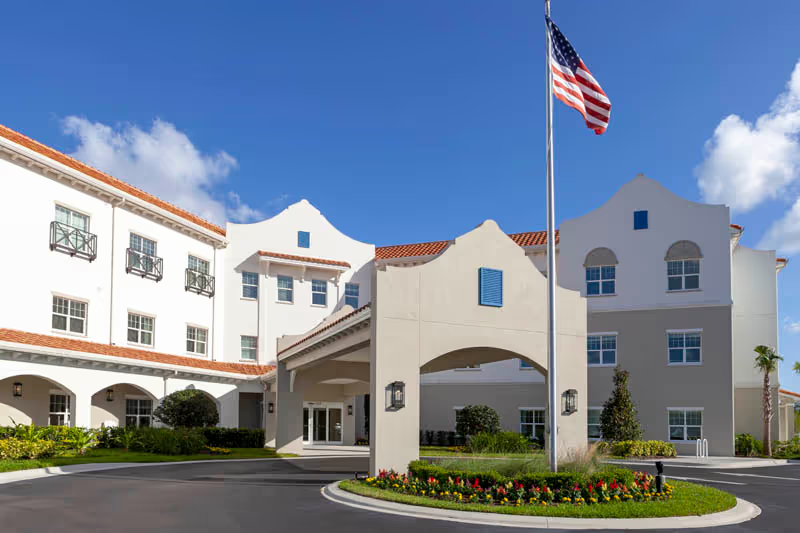
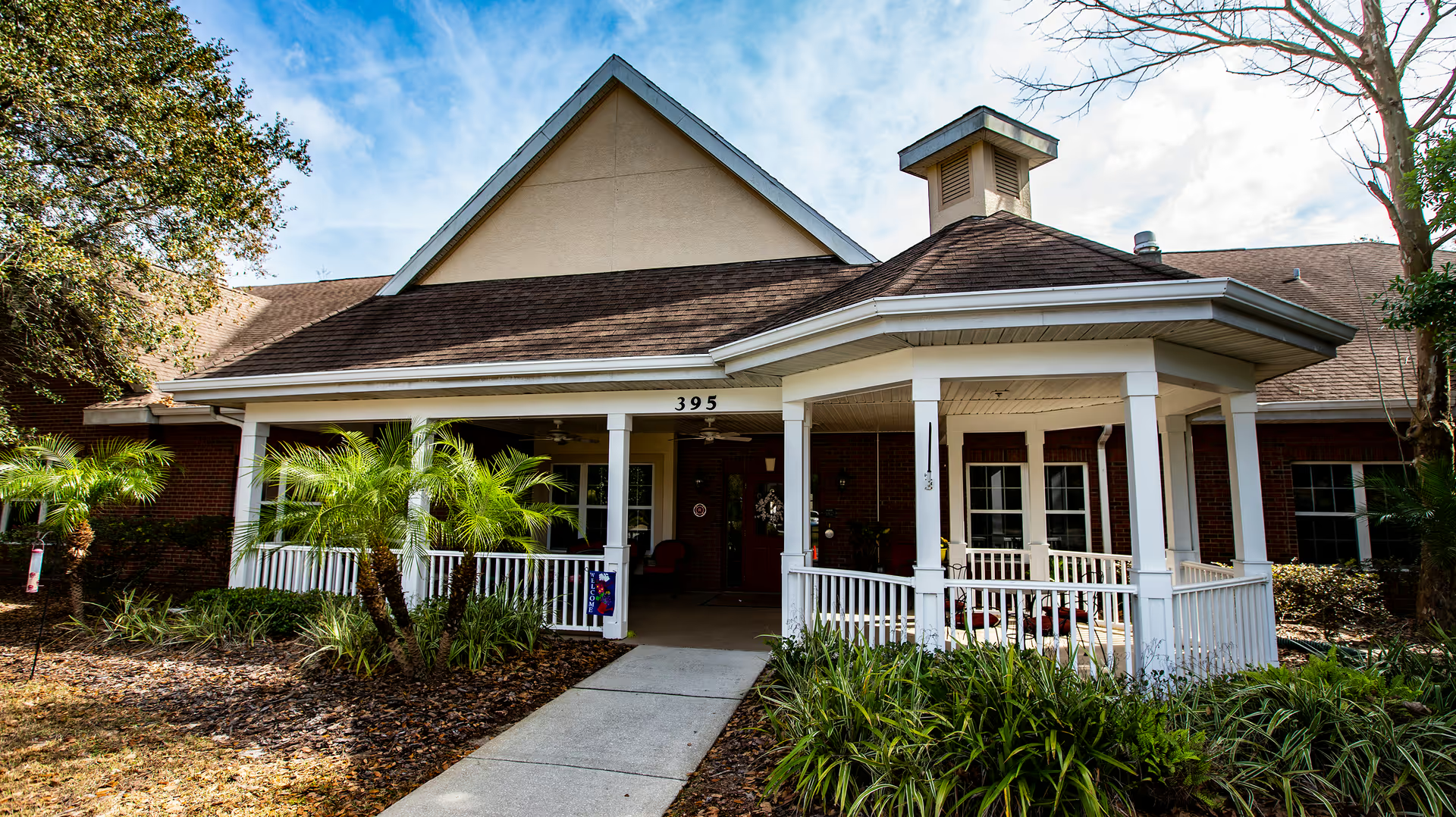
Tuskawilla Nursing and Rehab Center elicits consistently mixed but specific impressions. Its most consistent strengths are in rehabilitation and the physical environment: reviewers frequently note an effective, motivating physical-therapy program, a bright therapy gym, and therapists who help residents regain strength and mobility. The building and grounds are commonly described as clean, well-maintained and attractive, with a pleasant layout, courtyard, and hotel-like common areas. The facility offers a broad range of social and recreational activities (bingo, live entertainment, socials, manicures, exercise programs) that many families and residents find engaging and supportive of recovery.
Care and staffing present a divided picture. Numerous accounts praise CNAs, therapists, and some nursing staff for compassion, individualized attention, and teamwork; admissions and administrative staff are also praised in several instances for smooth transitions and insurance assistance. At the same time, there are recurring operational concerns: inconsistent staffing levels (particularly on weekends and evenings), long waits for medications and call-light responses, and variable adherence to clinical tasks. Reviewers describe issues that point to gaps in medication administration and pain management, inconsistent wound and hygiene-care practices, and instances suggesting weaknesses in fall-prevention and transfer-safety protocols. These operational gaps appear to correspond with high staff turnover and inconsistent role coverage.
Dining and ancillary services are uneven. Some families describe meals as well prepared and the dining setup as pleasant; others report inconsistent meal quality, cold food, limited alternatives at times, and logistical problems with beverage service. Pharmacy and after-hours clinical coverage were also raised as concerns: reviewers indicated delays due to an off-site pharmacy and limited weekend or late-evening availability for medical evaluation and therapy, which can affect timely medication delivery and clinical decision-making.
Communication and management responsiveness show variability. Positive accounts highlight helpful, proactive admissions staff and administrators who facilitate placement, insurance, and discharge planning. Conversely, other families report poor communication, dismissive or unprofessional interactions from certain staff, and slow or inadequate follow-up on grievances. There are individual but serious allegations about emergency response, clinical escalation, and medication practices; several reviewers indicated that these matters prompted formal complaints. These accounts suggest that while leadership and some teams perform well, consistency in supervisory oversight and accountability could be improved.
Overall, Tuskawilla is a facility with clear strengths in rehabilitation, physical environment, and many frontline caregivers. However, consistent quality of nursing care and operational reliability appear variable across shifts and units. Prospective residents and families seeking short-term rehab may find strong value here; those considering longer stays or residents with high medical acuity should evaluate staffing patterns, weekend/after-hours clinical coverage, medication and wound-care protocols, and communication processes during their tour and admission discussions.