Brickmont at Acworth receives consistently mixed feedback that clusters into two clear patterns: a frequently praised caregiving and memory-care core, and recurring operational and communication weaknesses. Many families and visitors describe the staff—from direct caregivers to activities personnel and select directors—as warm, professional, and genuinely invested in residents. The memory-care team in particular is highlighted for dementia-focused training, respectful approaches, secure calming environments, and individualized engagement. Several accounts also note smooth transitions at move-in, meaningful hospice or end-of-life support, and helpful clinical guidance in individual cases.
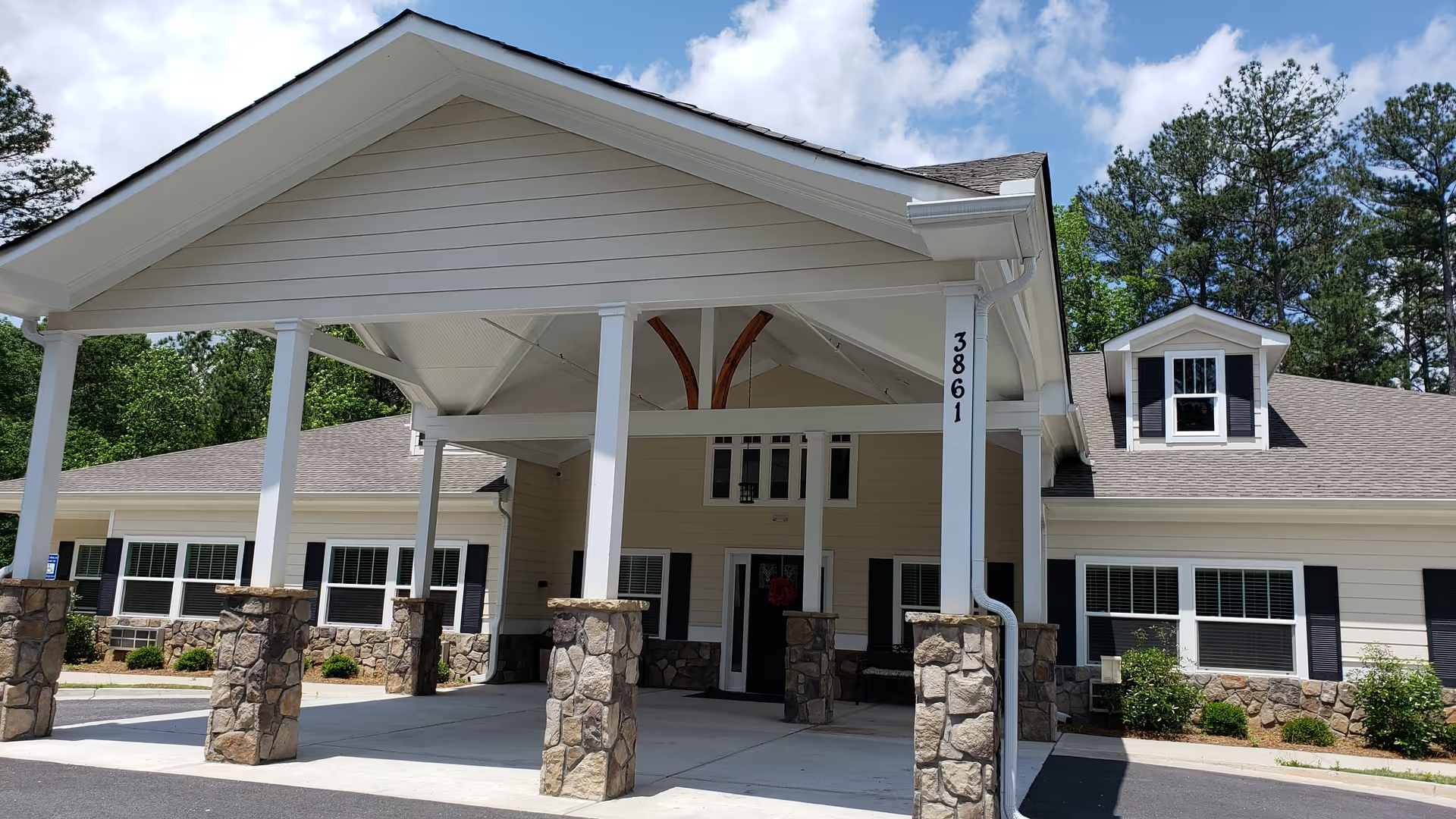
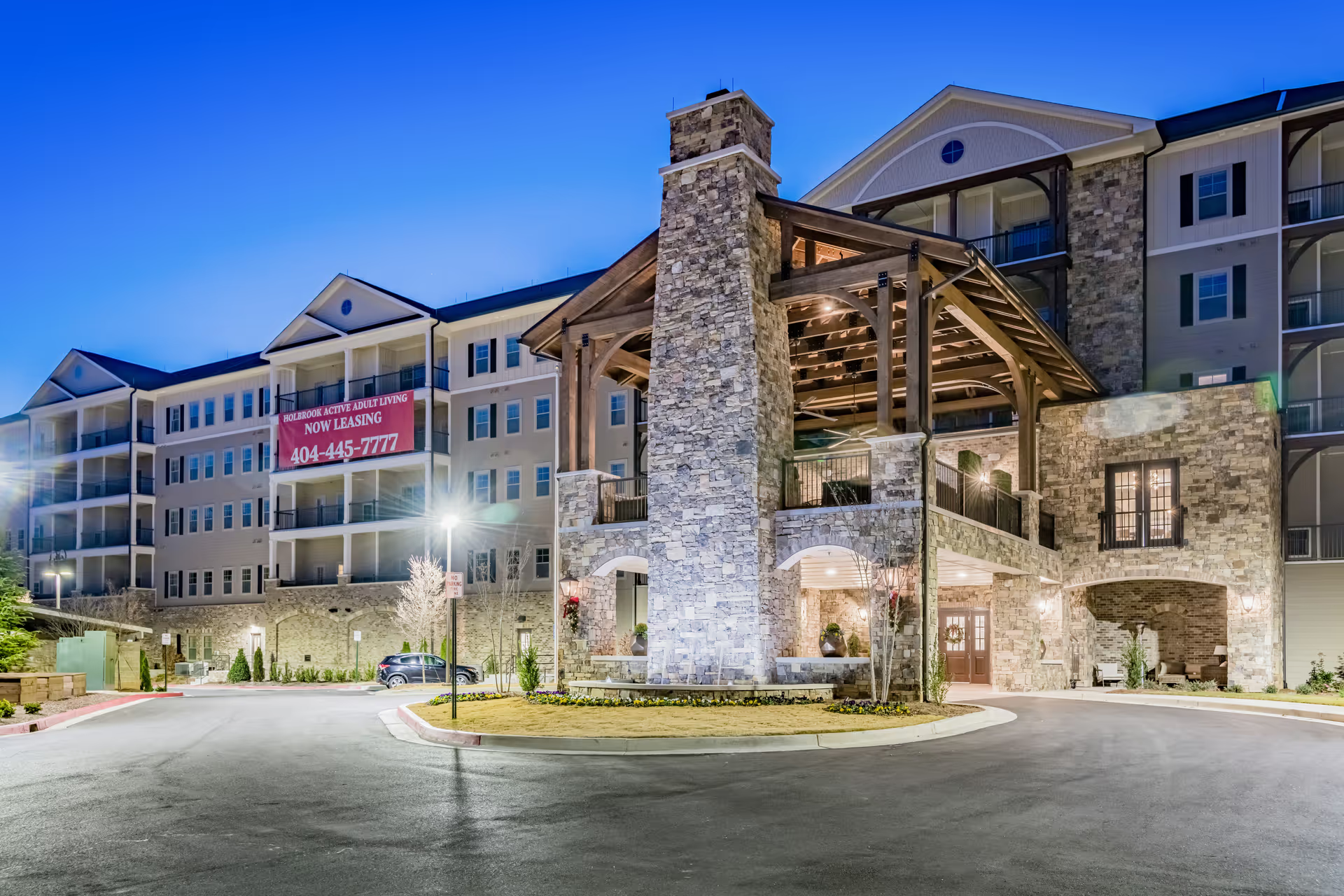
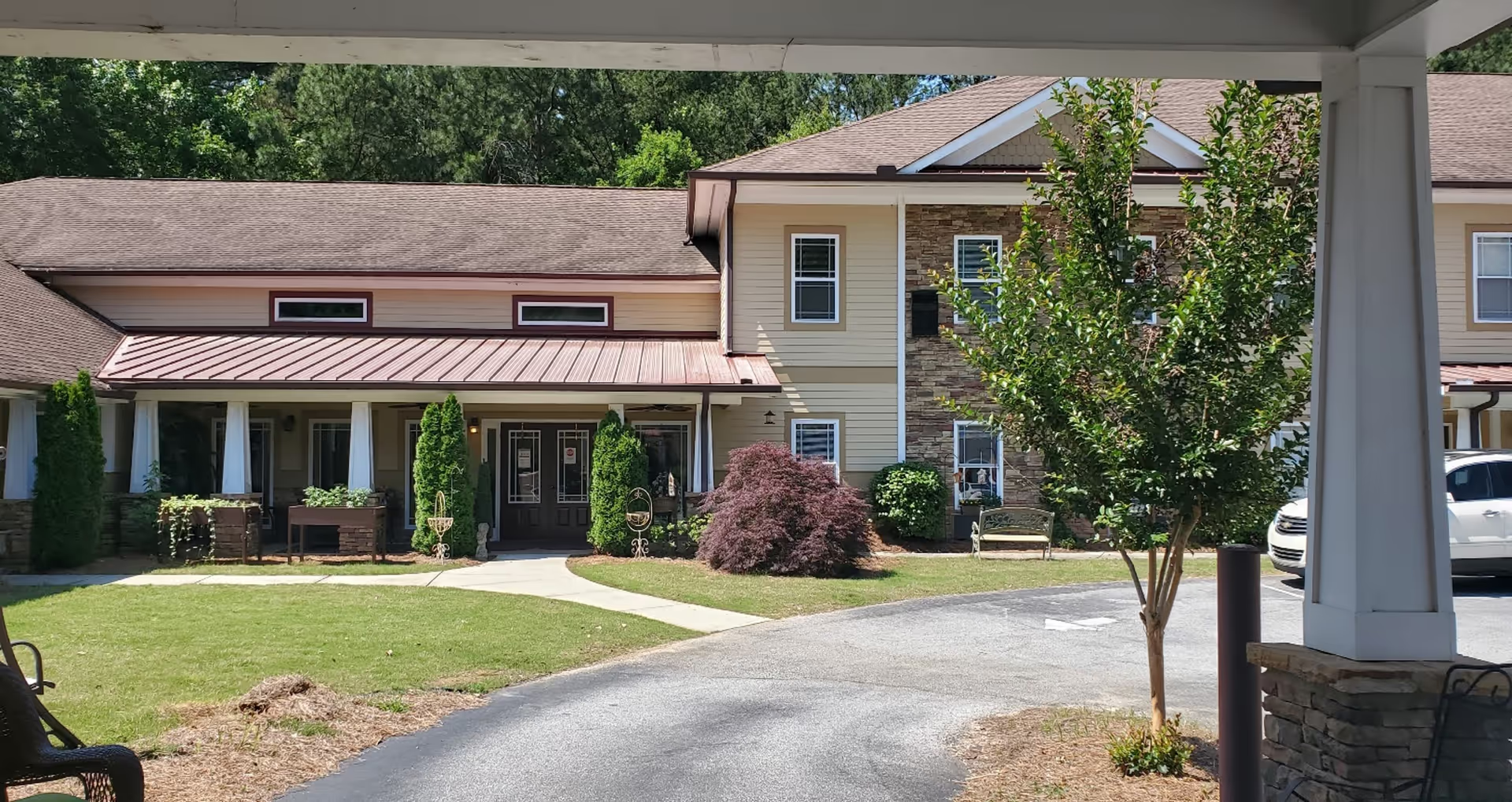
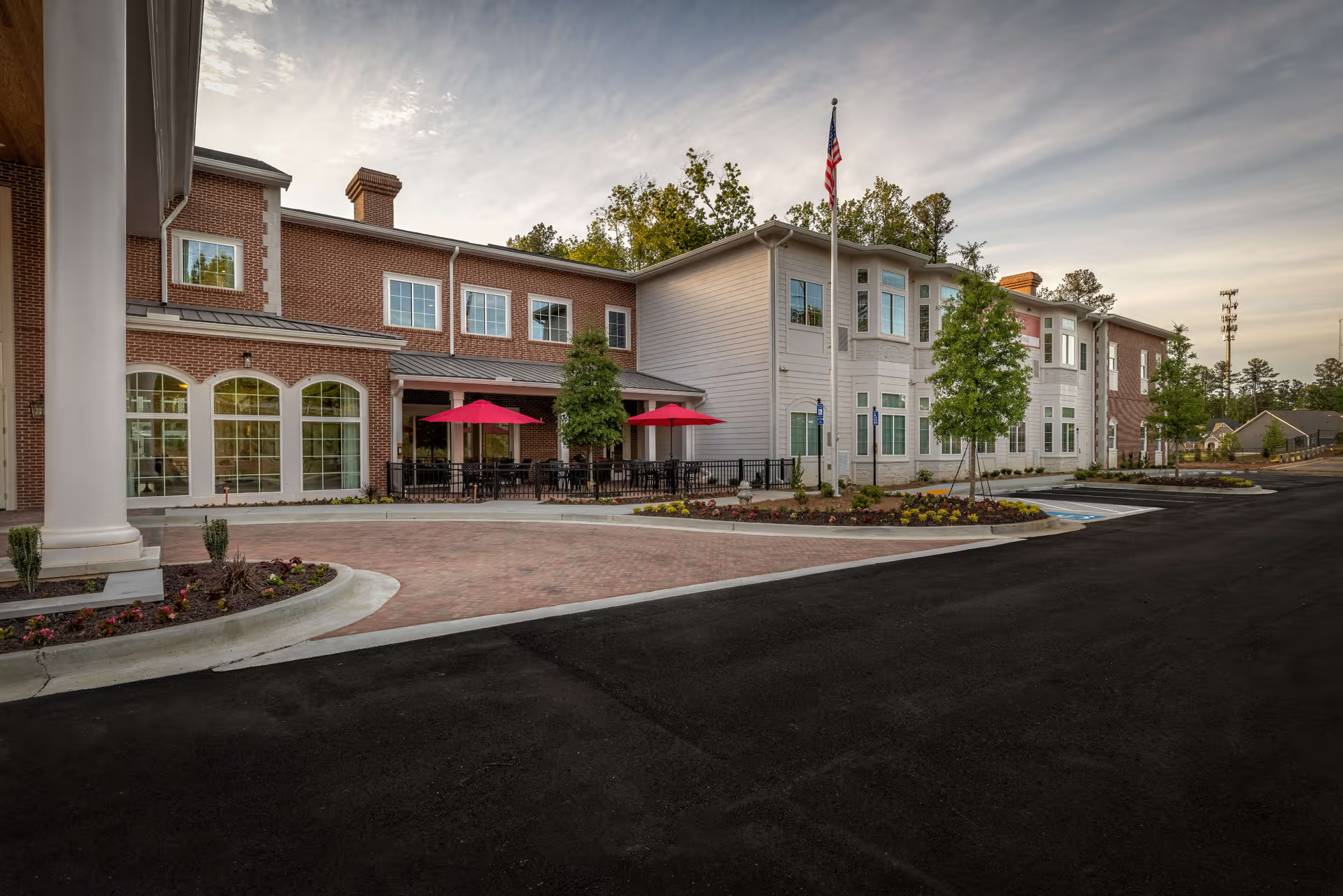
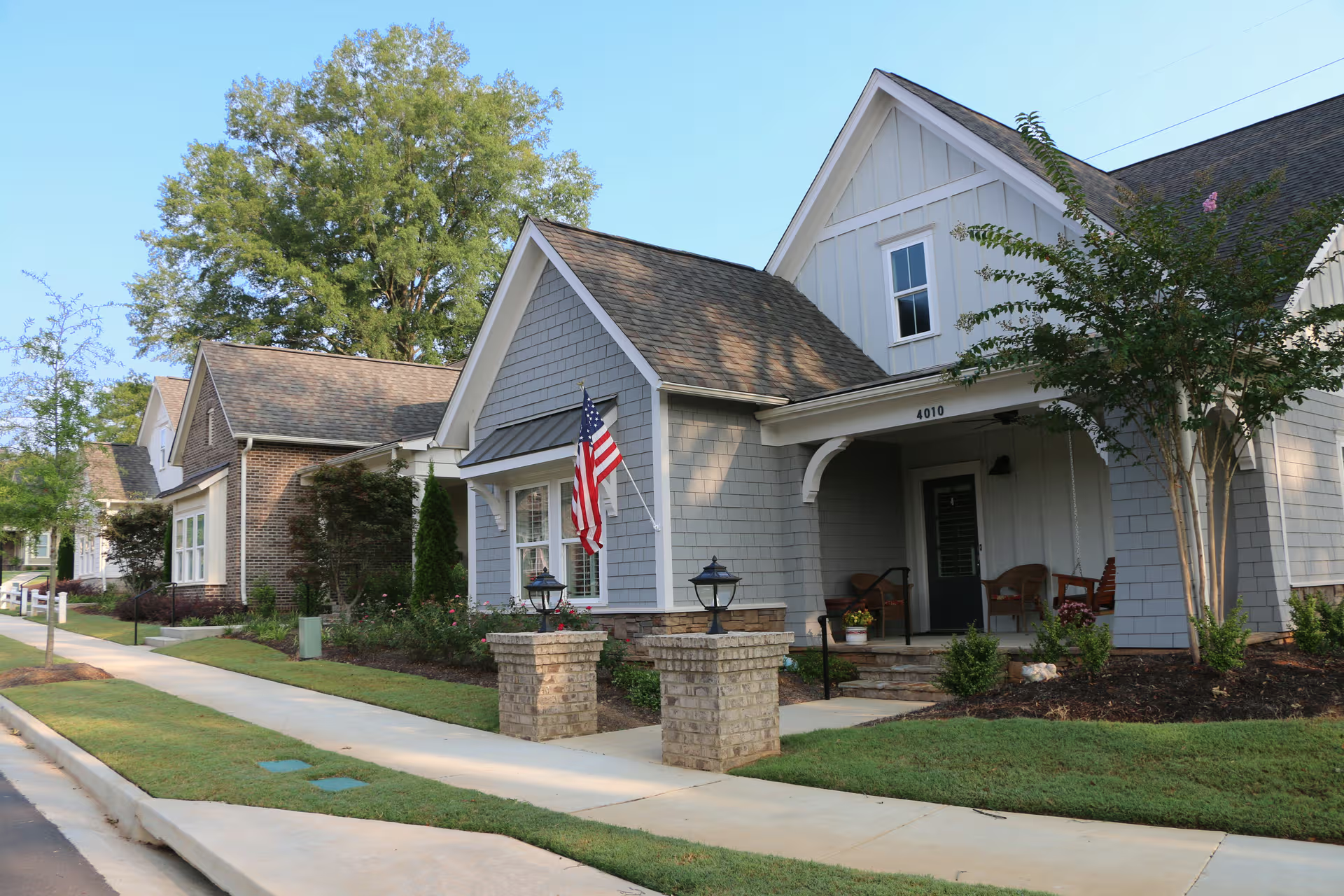
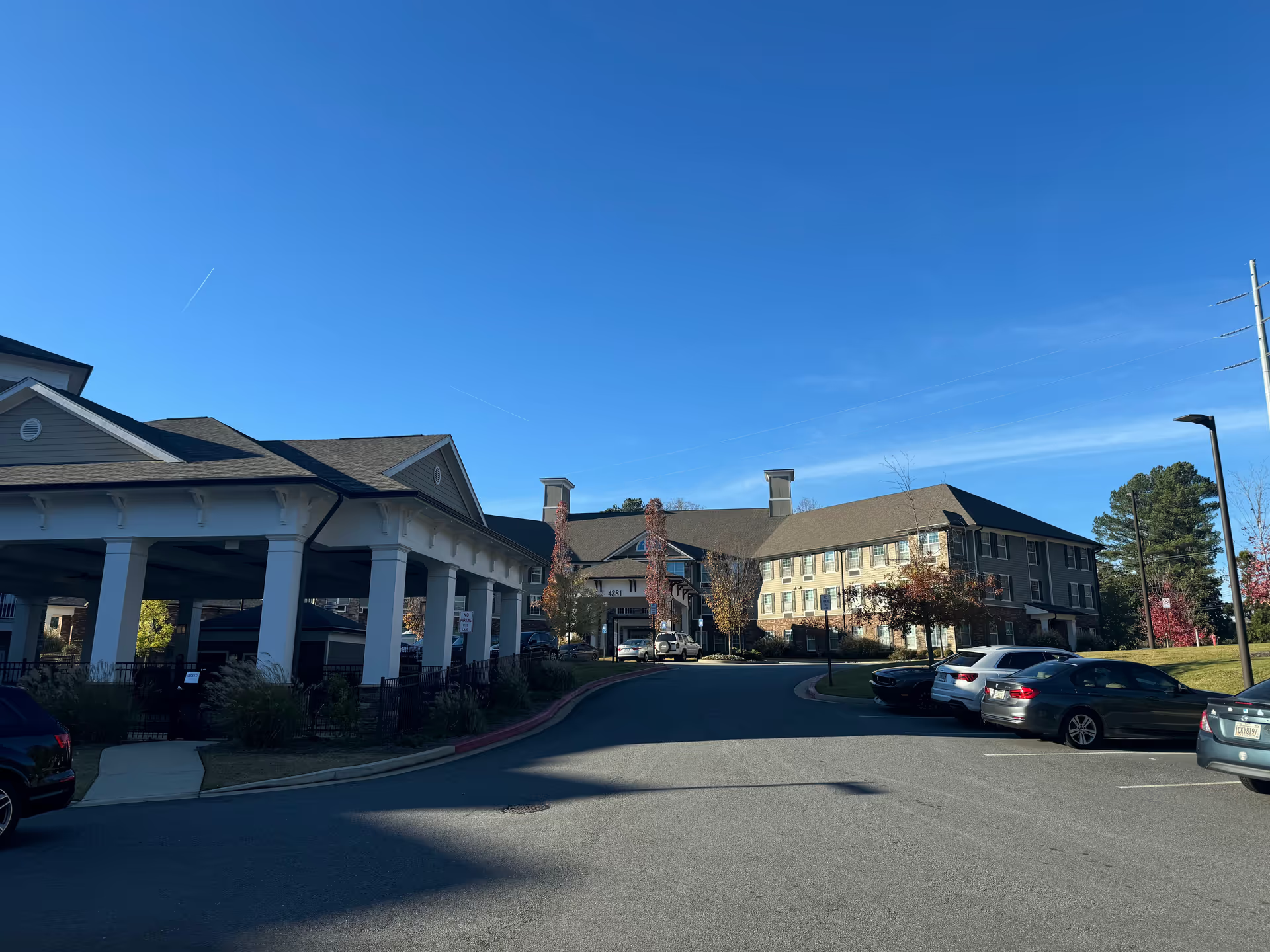
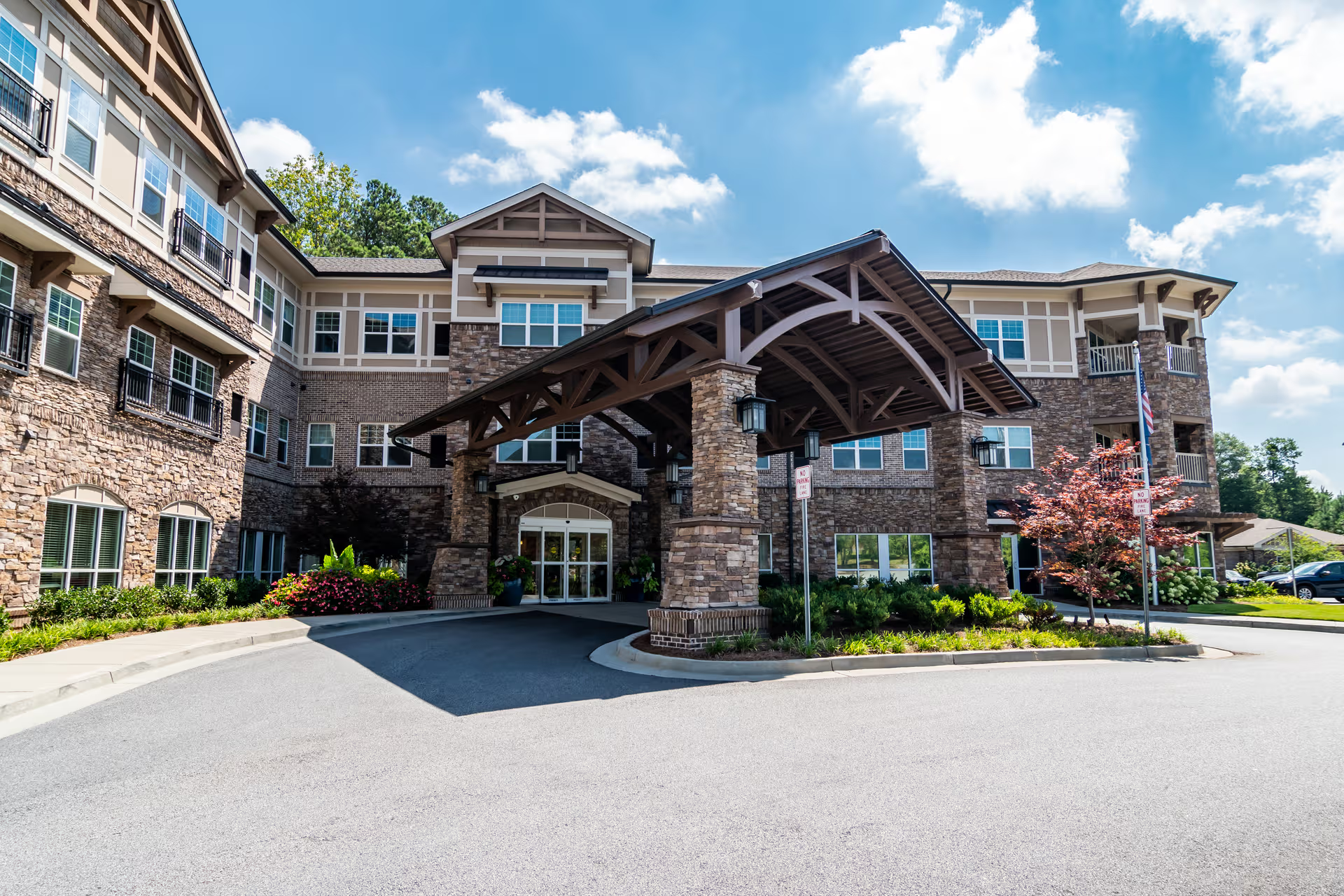
The physical environment is commonly viewed as an asset. Reviewers reference a newer, well-kept building with abundant natural light, courtyard and outdoor spaces, wide hallways, and larger apartment layouts with kitchenettes. Common areas such as the dining room and activity spaces are described as cheerful and conducive to social interaction. Safety features including call buttons and secure memory-care access are frequently noted.
Dining and activities elicit polarized responses. Some residents and families praise chef-prepared meals, generous portions, varied menus, and a robust activity schedule that includes music, art, exercise, outings, and frequent daily programs. Others describe inconsistent meal quality, service delays, and execution problems (meals arriving cooled, limited accommodation for restricted diets). Activity availability is generally strong for ambulatory residents, but multiple reviewers indicate limited programming or access for residents with greater mobility or higher care needs.
Operationally, a number of recurring concerns affect family confidence. Staffing levels and turnover are recurring themes; reviewers describe variability in night coverage and difficulty getting consistent caregivers, which is linked to delays in responding to resident calls and uneven delivery of personal-care tasks. Housekeeping and laundry services are described as inconsistent, and several families raised sanitation and odor concerns in particular areas. Medication-timing inconsistencies and gaps in care coordination were also reported. Administrative challenges include billing errors or confusing statements, slow responses from the administrative/billing team, and leadership turnover that some families say has reduced organizational responsiveness.
Communication and promise-fulfillment are areas to probe during evaluation. Families frequently cited lapses in callbacks, slow responses to questions, unfulfilled promises around outings/housekeeping, and mixed experiences with management accessibility. Rate increases and perceptions of reduced value after moves or renewals are additional stressors for some families.
Bottom line: Brickmont at Acworth appears to offer a strong physical environment and a core of compassionate direct-care staff—especially in memory care—alongside engaging programming for many residents. However, operational reliability (staffing consistency, housekeeping/laundry, dining execution, medication timing) and administrative communication (billing, management responsiveness, leadership turnover) show notable variability across experiences. Prospective residents and families should verify current staffing patterns, housekeeping/laundry schedules, dining accommodations, call-response metrics, and billing processes during a tour; ask specifically about recent leadership changes and staff retention to assess whether the facility’s operational issues have been addressed.