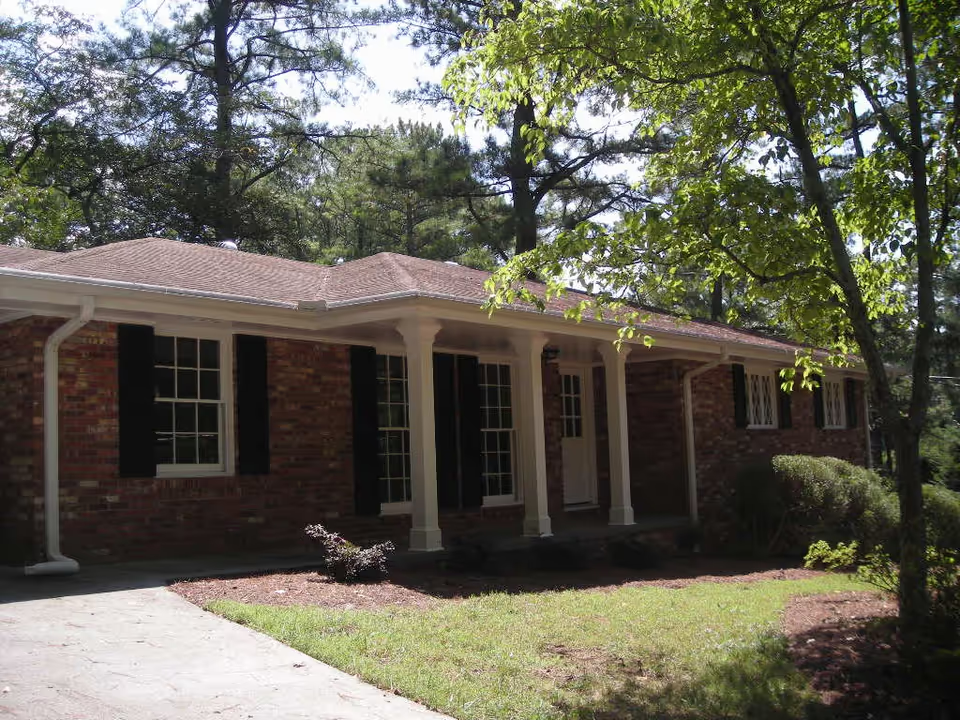
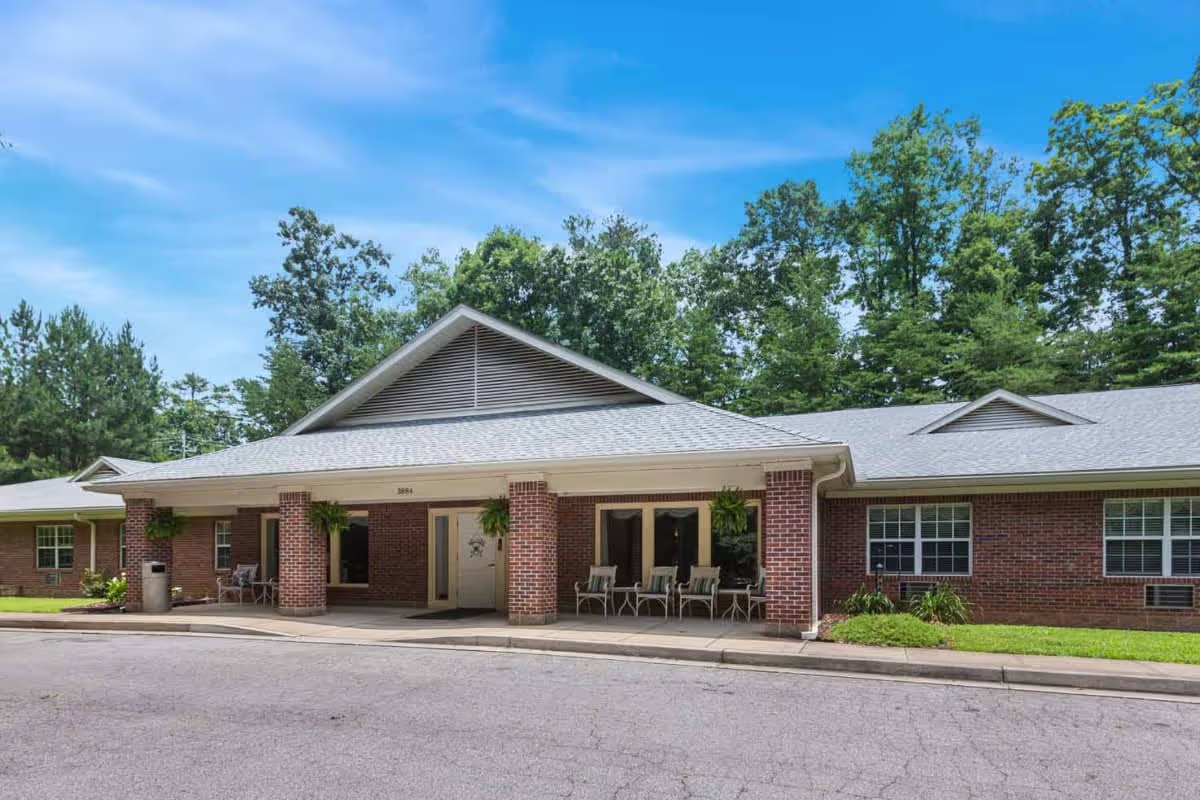
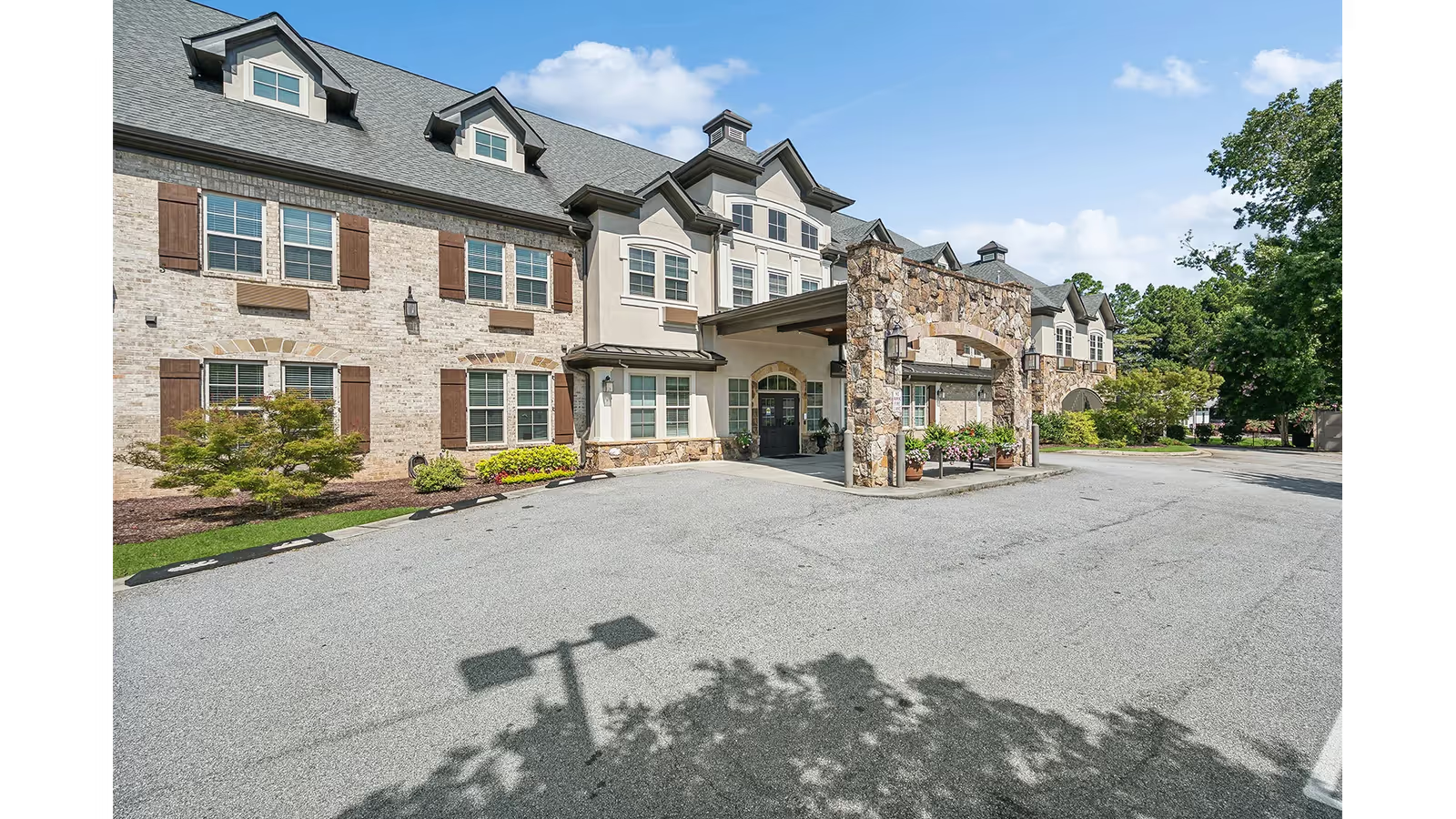
Reviewer feedback presents a mixed but clear pattern: many families praise the facility for compassionate, patient caregiving, a clean and home-like environment, and an owner with clinical credentials who coordinates with hospice and engages directly with families. Positive comments emphasize a family atmosphere, individualized personal care, and approachable staff who provide reassurance and improved resident outcomes for some residents.
Care and staffing are a strong theme on both sides. Positive commentary highlights patient, caring aides and clinical oversight from an RN owner; hospice collaboration is singled out as a strength for end-of-life needs. Conversely, several comments indicate a decline in consistency of care after an ownership change. That decline is described in operational terms — increased staff turnover, use of lower-qualified or lower-paid personnel, and less consistent responsiveness to residents’ needs — rather than isolated procedural issues.
Dining and daily services show variability. Some reviewers express uncertainty about food sourcing and inconsistent meal quality, suggesting gaps in kitchen transparency and meal-service continuity. The reviews do not provide extensive detail about recreational programming; the prevailing impression is a family-oriented environment that may provide social engagement, but prospective families should request current activity schedules during a visit.
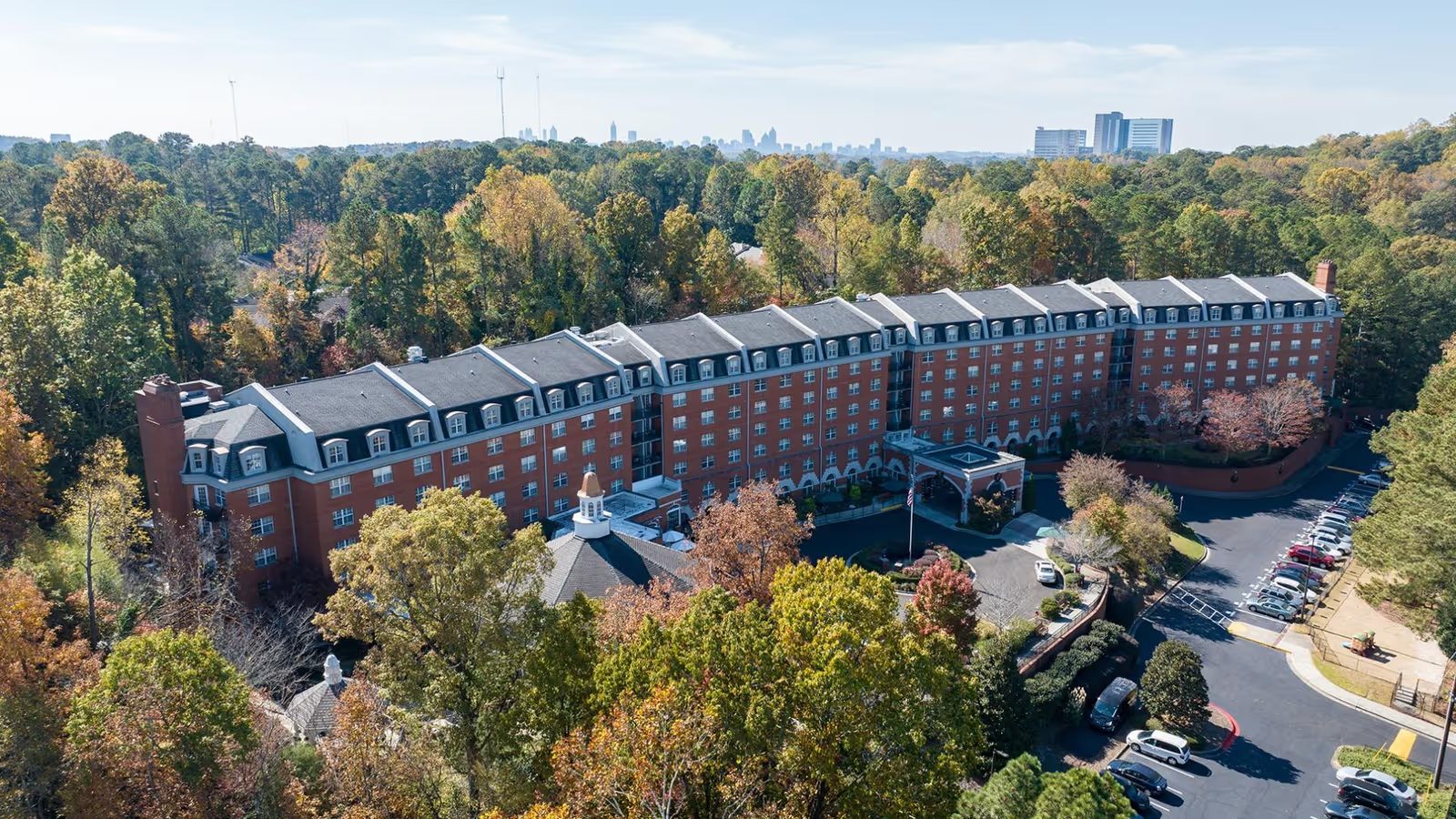
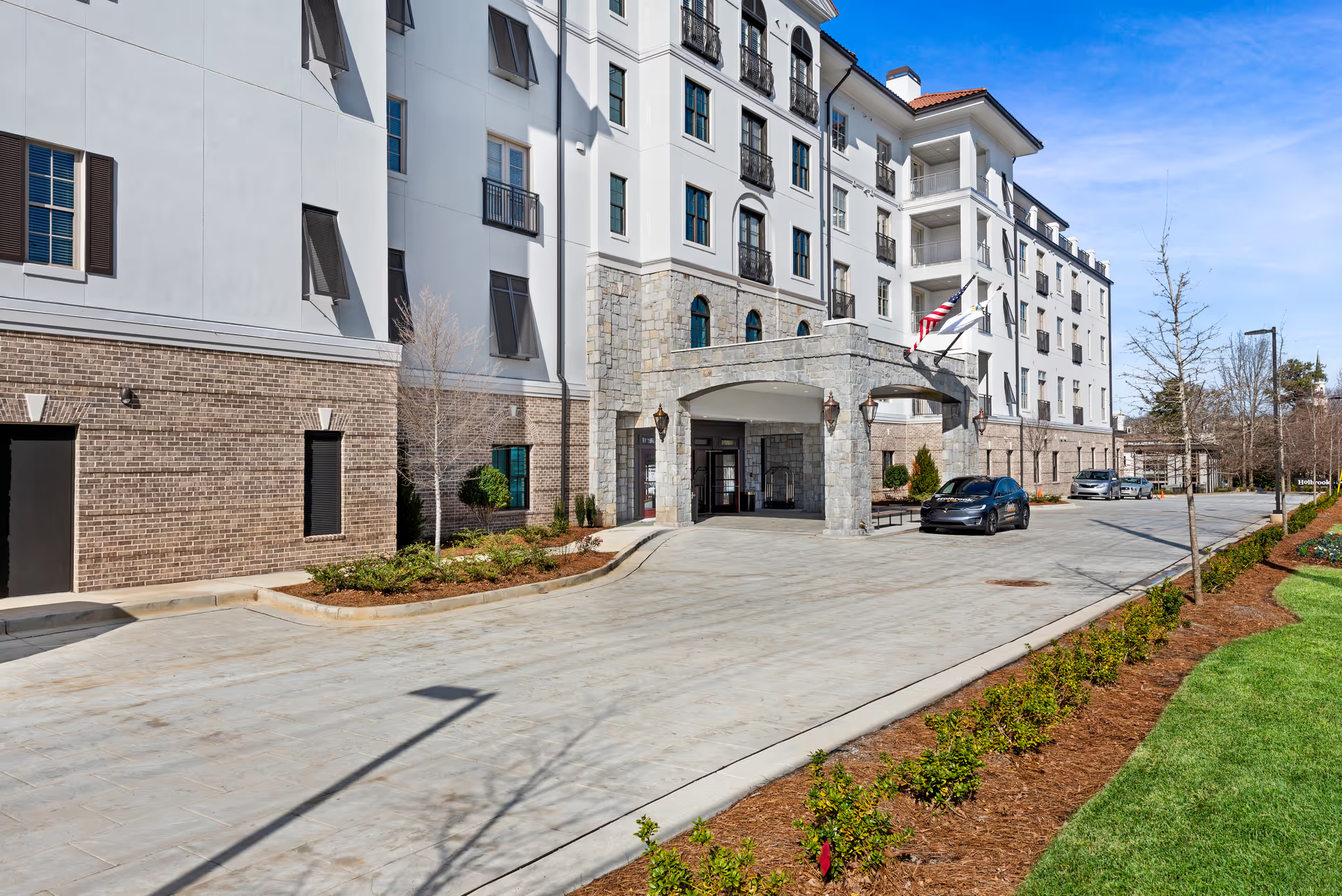
Facilities and cleanliness receive generally favorable remarks for being well maintained and home-like, yet there are also specific sanitation and incontinence-care concerns cited by families. Those comments point to operational weaknesses in incontinence-care protocols and common-area odor control rather than wholesale neglect of facility upkeep.
Management and patterns warrant close attention. Positive notes about a helpful, hands-on owner coexist with references to regulatory or ombudsman complaints and serious family grievances tied to care changes. The timeline in the feedback suggests the facility’s performance may have shifted after ownership transition; this produces uneven experiences among families depending on timing and individual placement.
For prospective residents and families: schedule an on-site visit, ask for the most recent state inspection or ombudsman history, review current staffing ratios and staff training practices, inquire about incontinence-care protocols and odor-control procedures, and request written information on meal sourcing and menus. Confirm the degree of RN involvement and how hospice is integrated. These targeted questions will help determine whether the facility’s current operational practices align with the positive caregiving attributes many reviewers describe and to identify any outstanding areas of concern noted in other feedback.