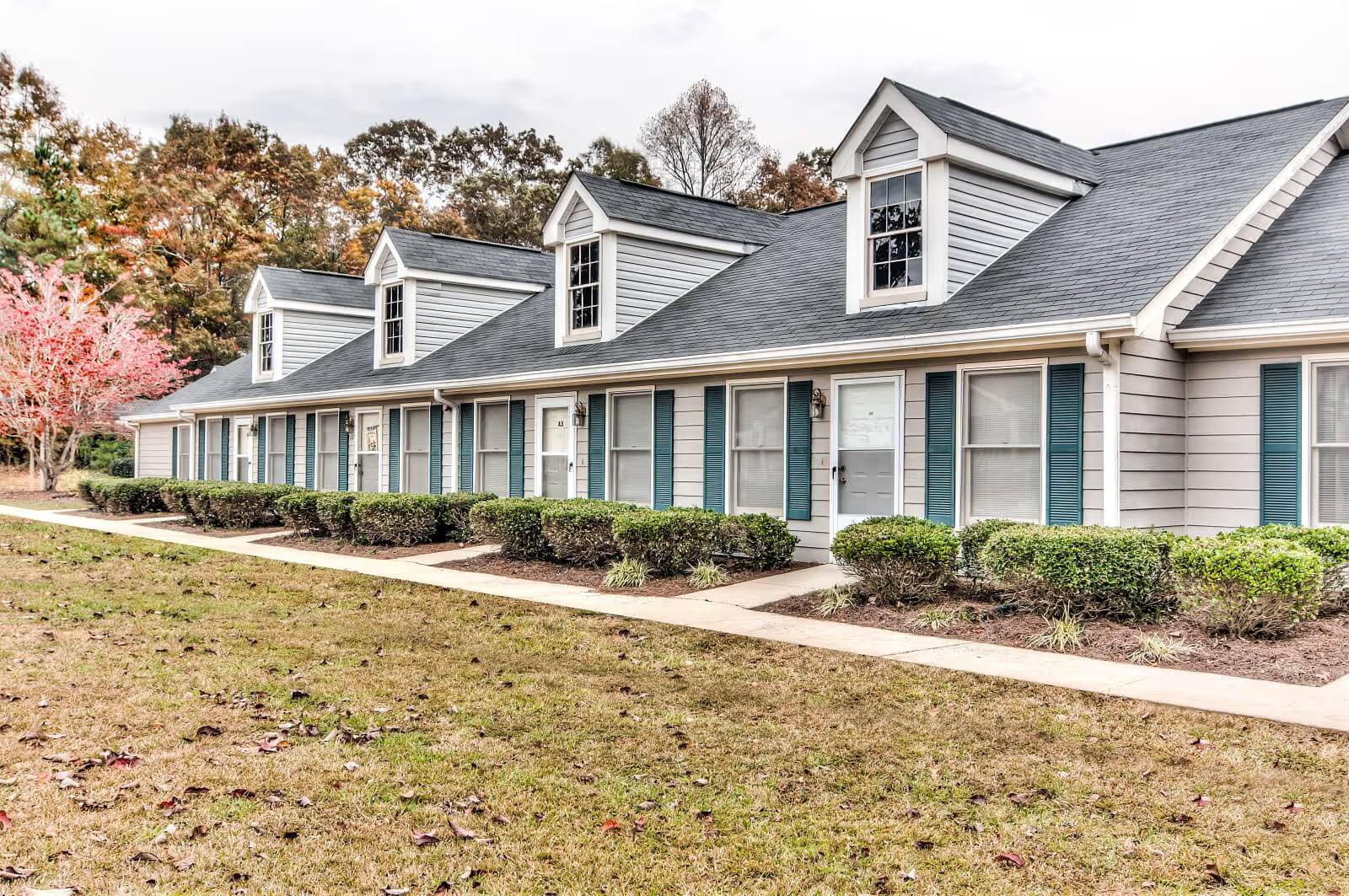
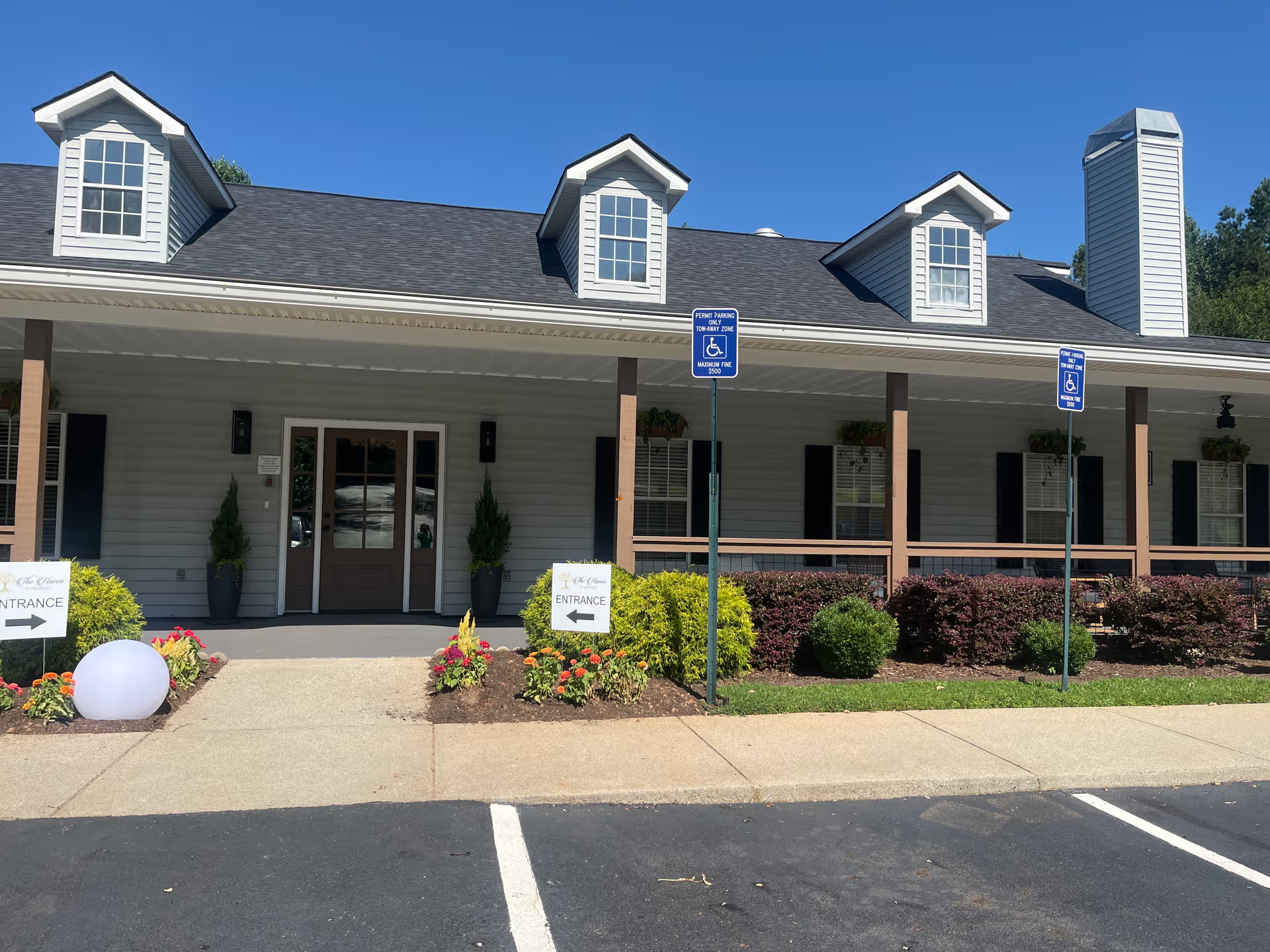
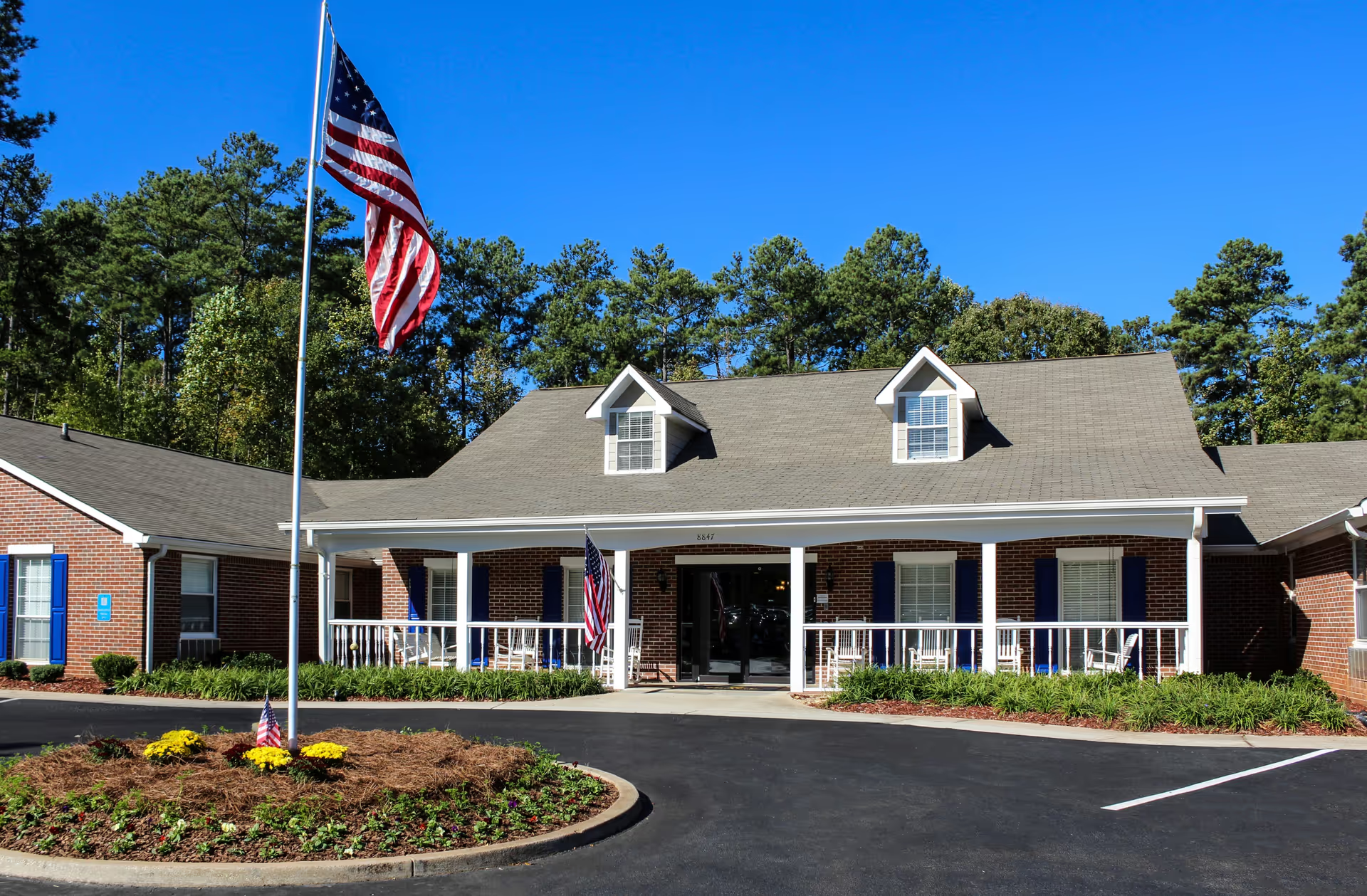
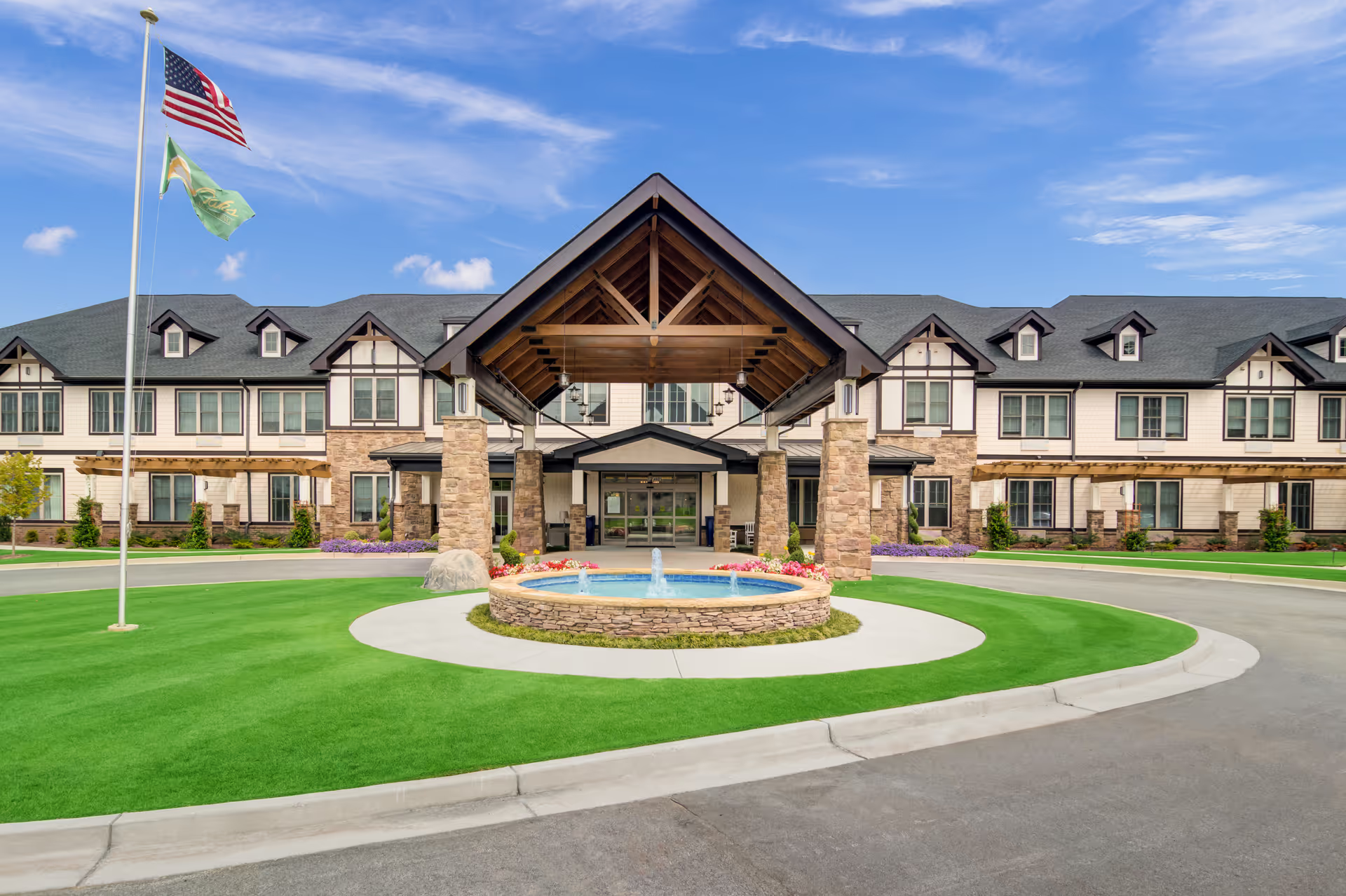
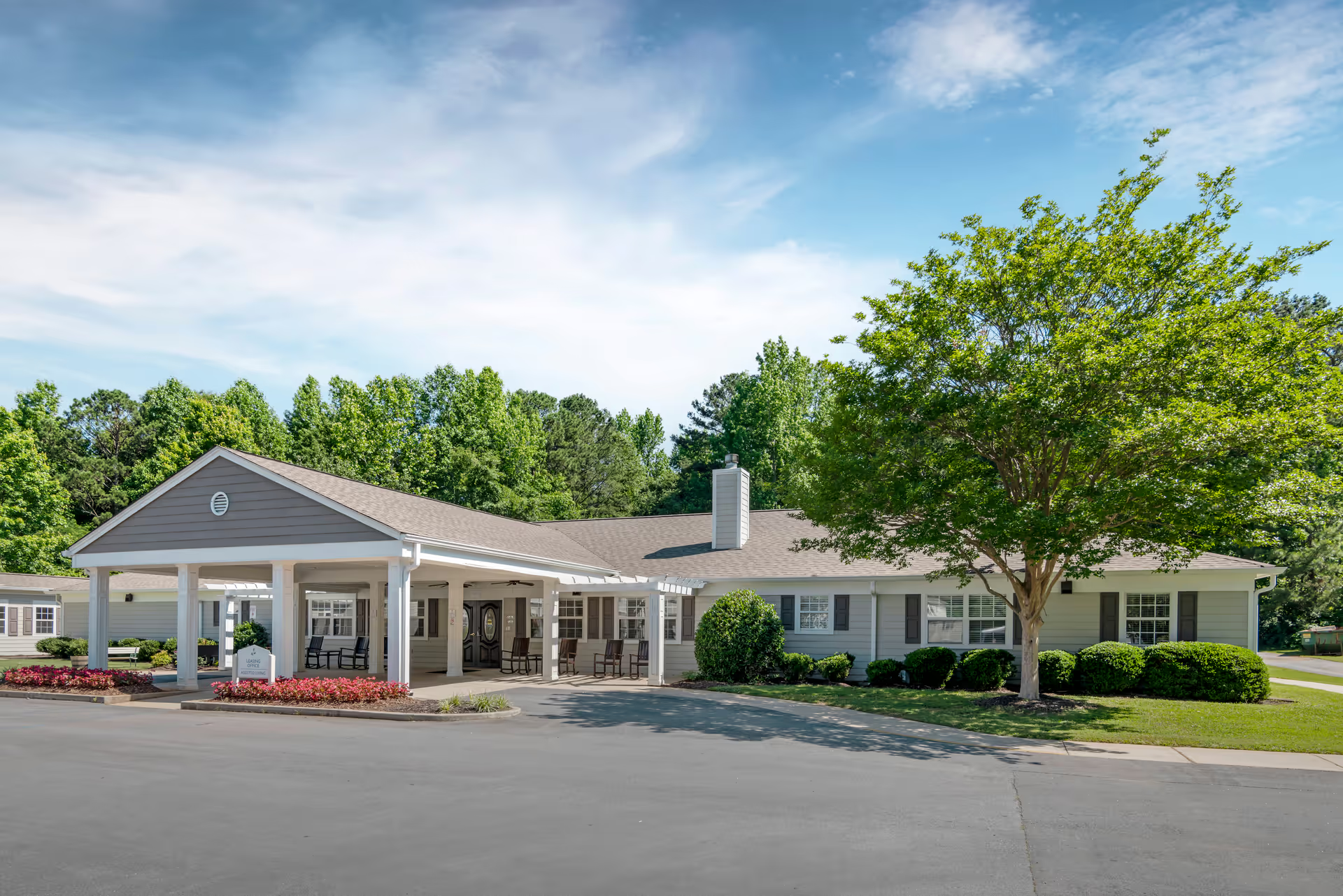
Brookdale Carrollton presents as a well-maintained, activity-rich assisted living community with many families praising its clean, renovated spaces, extensive amenities, and a robust social program. The property offers sizable apartments with kitchenettes, multiple dining venues (including anytime dining and reservation-based family dining), a wide range of activities and outings, outdoor walking paths and gardening plots, and on-site wellness spaces such as an exercise room and salon. Many reviewers emphasize a warm, family-like atmosphere created by long-tenured staff, an engaged culinary team, and administrative responsiveness to maintenance and move-in logistics.
Clinical care and staff interactions are a mixed but generally positive area. Multiple accounts highlight compassionate, attentive caregivers, professional nursing staff, and 24-hour availability for falls and urgent needs. At the same time, reviewers describe variability in staffing presence and engagement; this variability appears linked to occasional delays in responding to clinical events and in communicating with families. There are specific notes that medication handling has been inconsistent in practice, and that certain medication protocols (for example, administration constraints for some treatments) should be clarified in advance. Prospective families are advised to confirm the facility's current clinical capabilities and notification processes for hospitalizations.
Dining and amenities are frequently cited as strengths: many reviewers describe high-quality, scratch-made meals, extensive menus, and flexible dining hours. However, other accounts indicate a decline in consistency after vendor or management changes, with comments about lower-quality offerings and delivery errors. Given the mixed feedback, families should ask about the current dining vendor, sample menus, and how individualized meal requests are handled.
Programming and community life are substantial selling points. The facility offers a wide variety of social, cognitive, and physical activities (bingo, card games, exercise classes, church outings, movies, library events, and gardening). Common areas, patios, and gathering rooms are noted as comfortable and well-kept. Some units and rooms are described as smaller than expected, and there are occasional privacy concerns when public programs are held in semi-private communal spaces. Front-desk coverage and entry-point staffing have been identified as intermittent, which may affect access control and first-contact experiences.
Management, fees, and financial interactions warrant careful review. The lease structure (month-to-month with 30-day notice) is convenient for some families, and maintenance staff are often described as helpful. Conversely, several reviewers describe recurring billing inconsistencies, perceived overcharges, and numerous ancillary fees; this has led to a perception that ancillary revenue generation can influence resident experience. Prospective residents should request written fee schedules and billing examples, and confirm what services are included versus billed separately.
Memory-care suitability and safety are important considerations. The community appears well suited for residents who are active and need assistance with daily living while participating in social programming. However, it is not uniformly described as a memory-care facility: reviewers cite limited specialized memory programming, wandering risk for residents with cognitive impairment, and occasional transfers of residents to higher-acuity or locked facilities. Families seeking care for dementia or advanced cognitive needs should verify available safety protocols, locked-unit options, staff training in dementia care, and transfer policies.
Overall, Brookdale Carrollton is frequently recommended for those seeking an active assisted-living environment with strong social programming, appealing dining (subject to recent vendor stability), and generally attentive staff. The main areas for careful pre-move inquiry are medication protocols and clinical capabilities, family communication practices during hospitalizations and end-of-life events, billing transparency, front-desk/entry security, and the availability of specialized memory-care services. Conducting targeted questions and obtaining written policies in these areas will help families align expectations with the level of care provided.