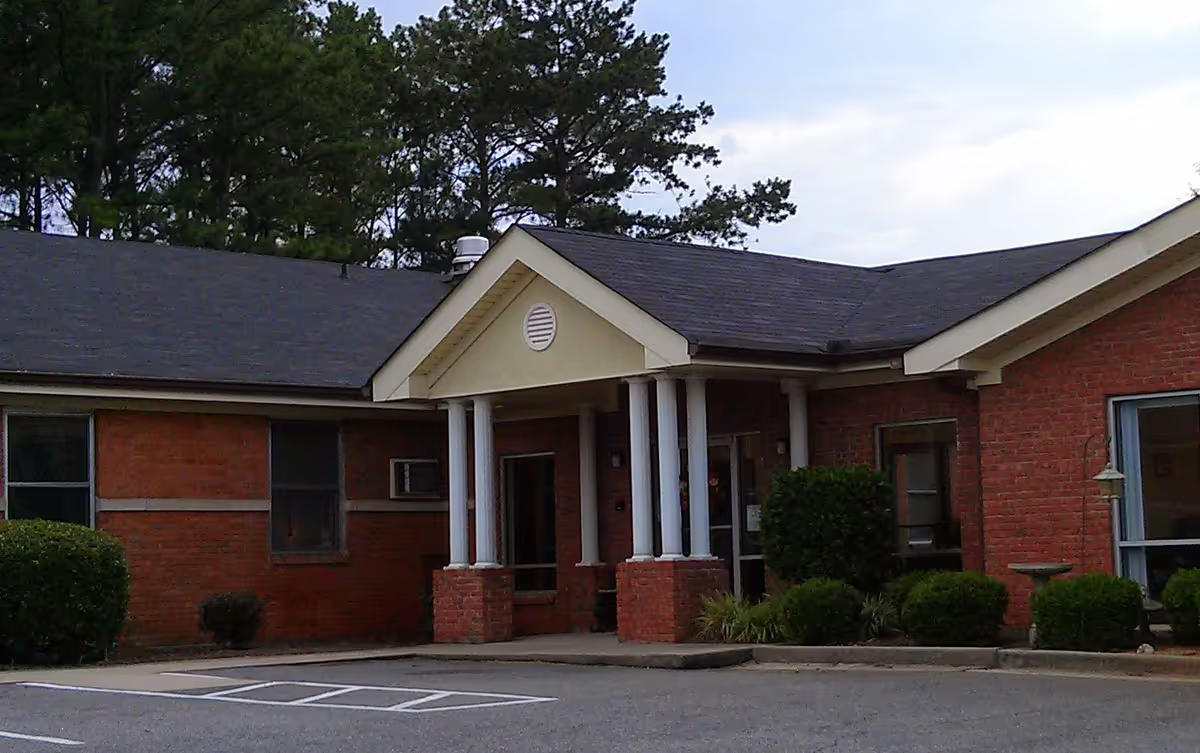
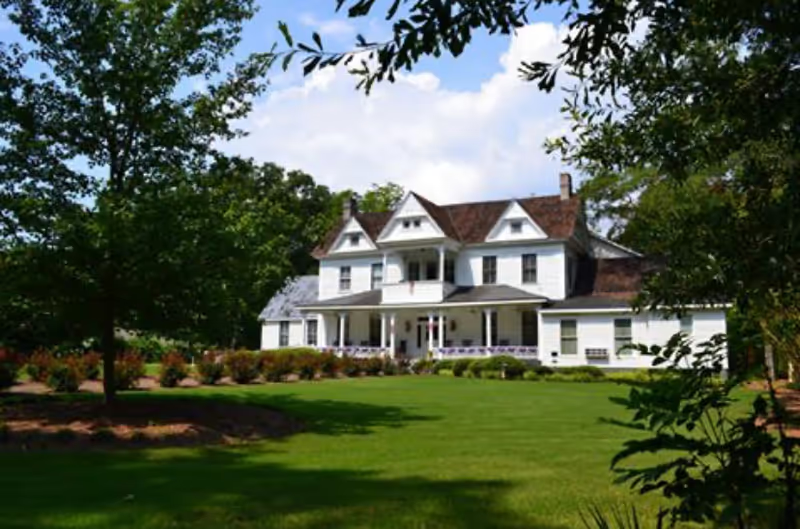
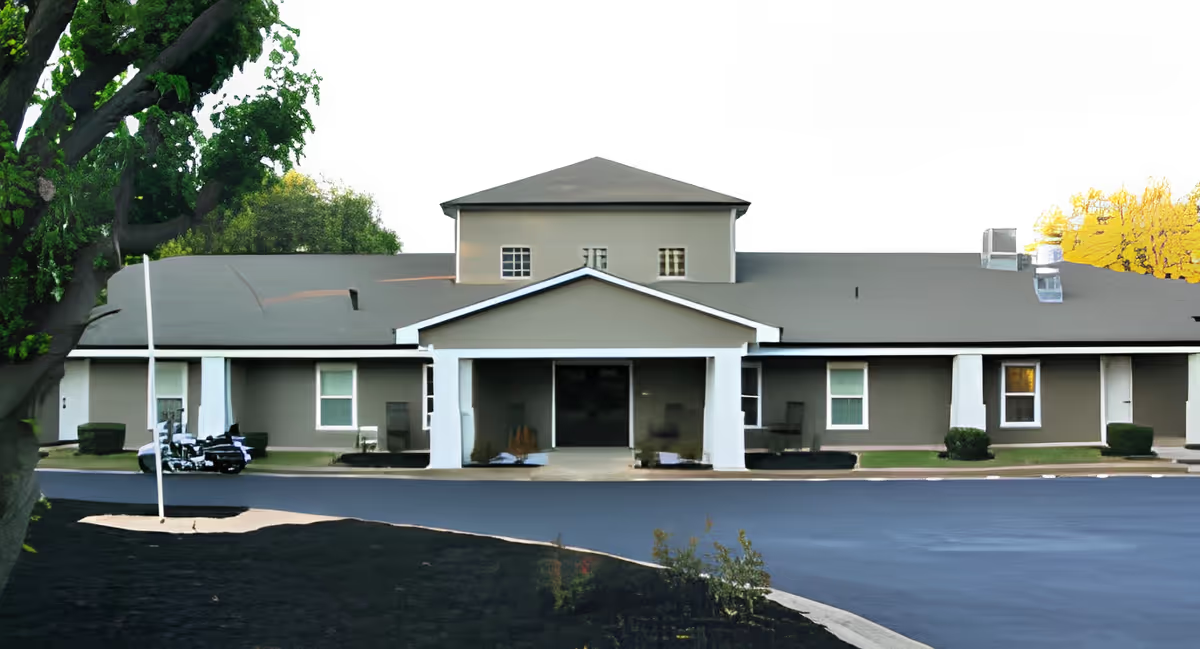
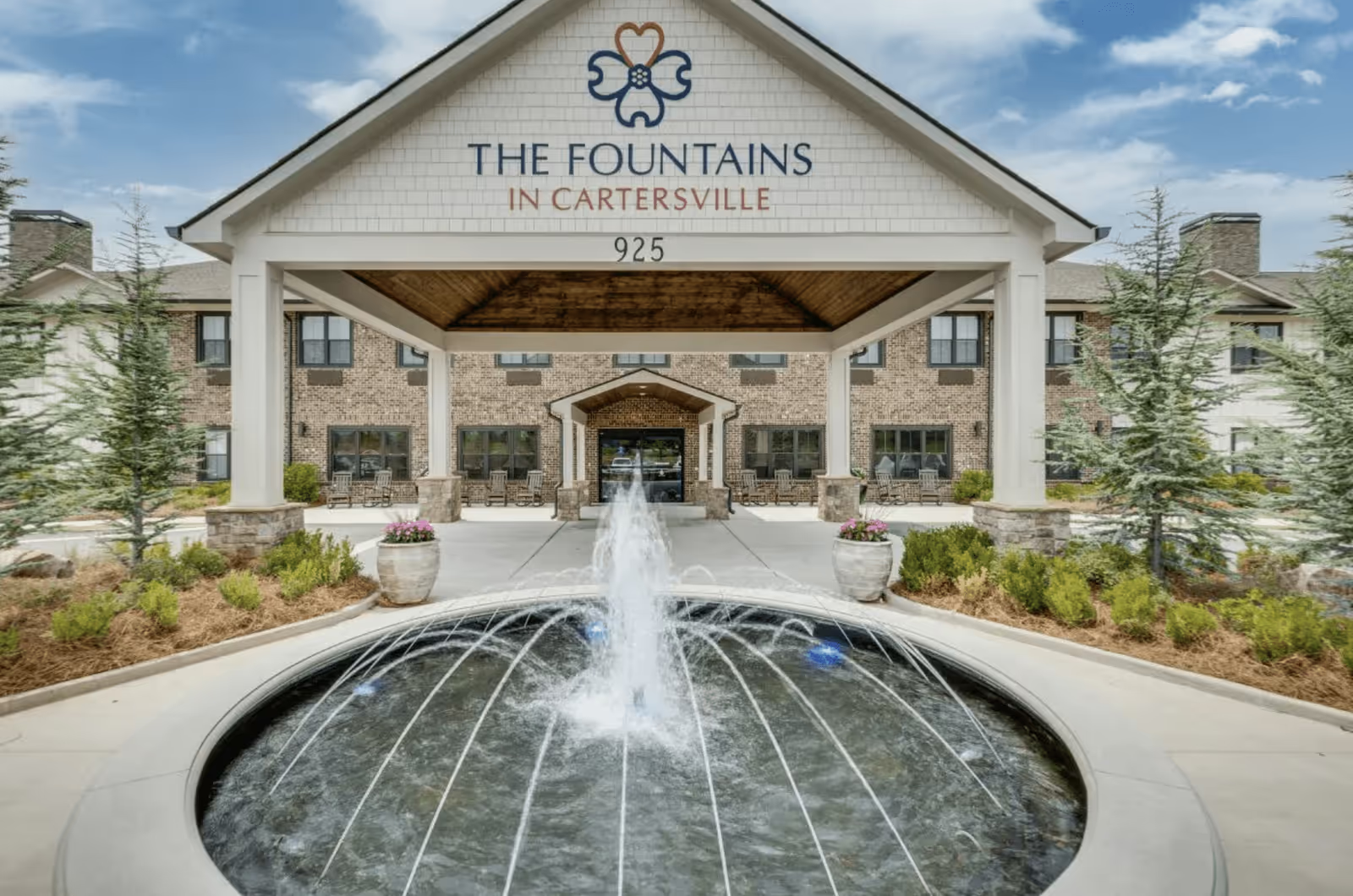
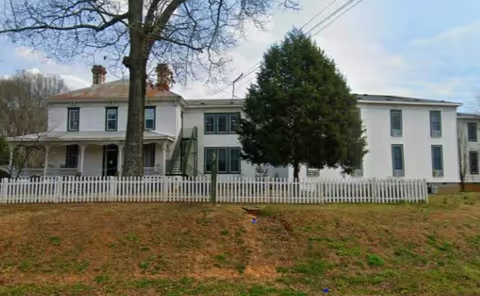
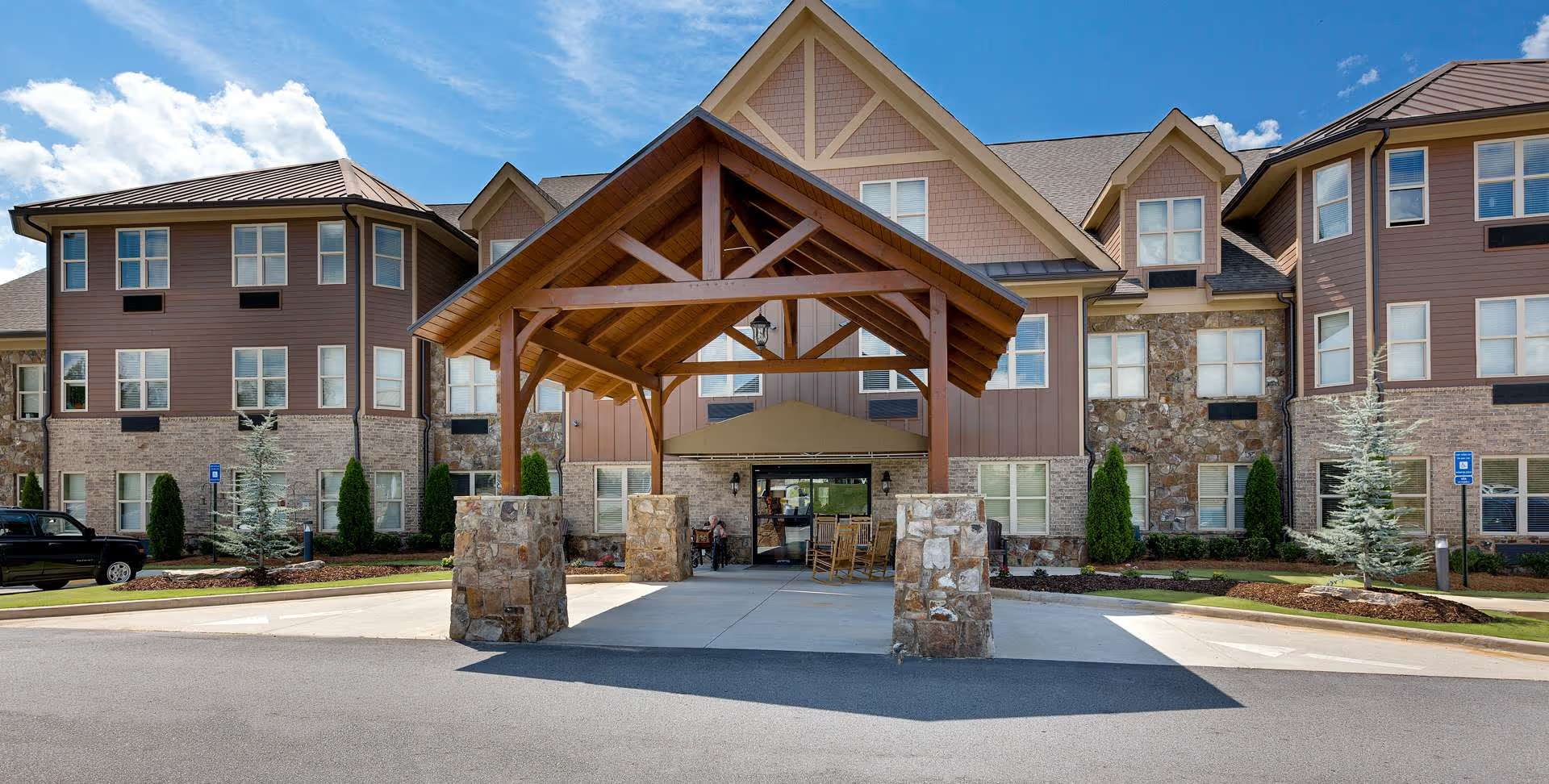
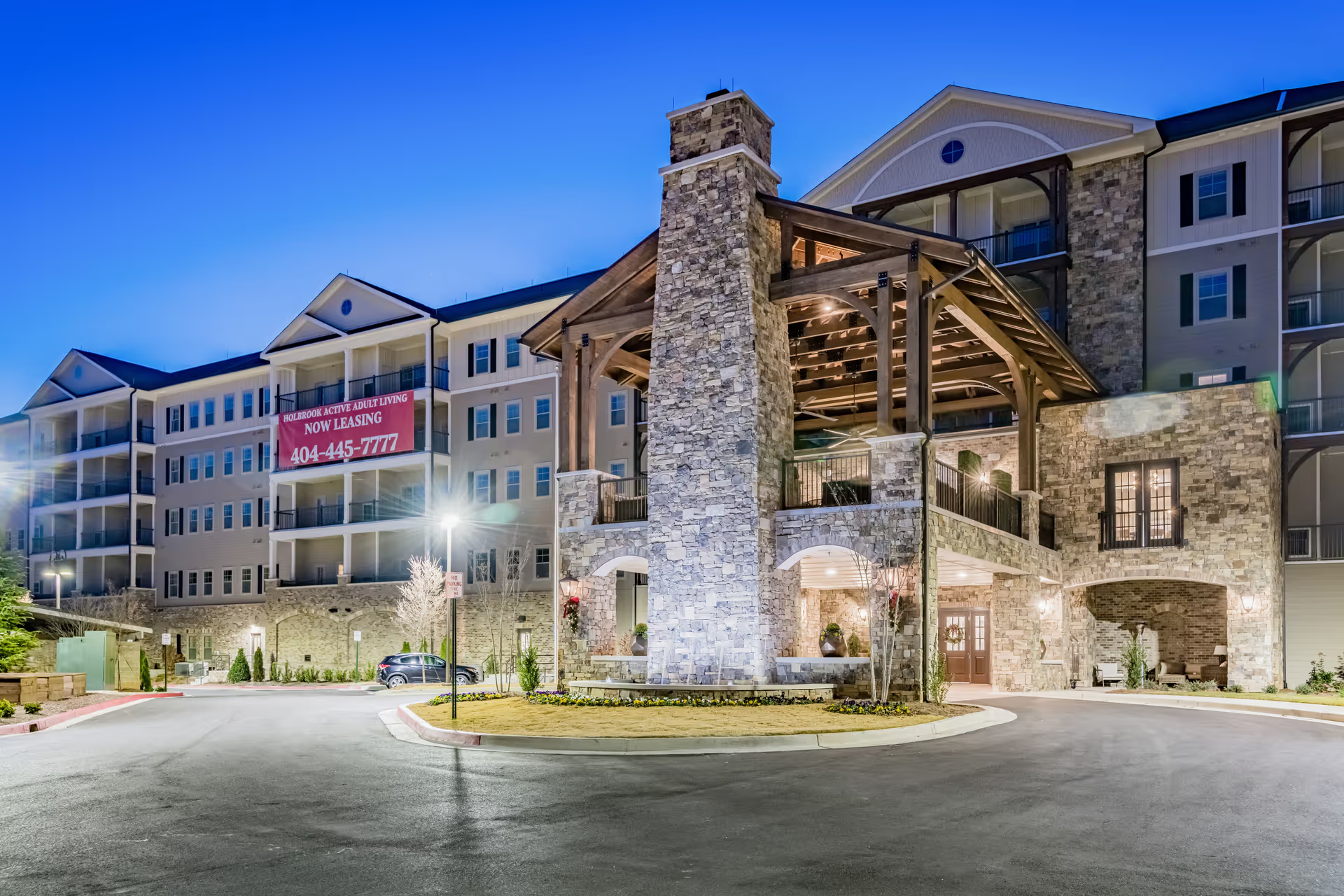
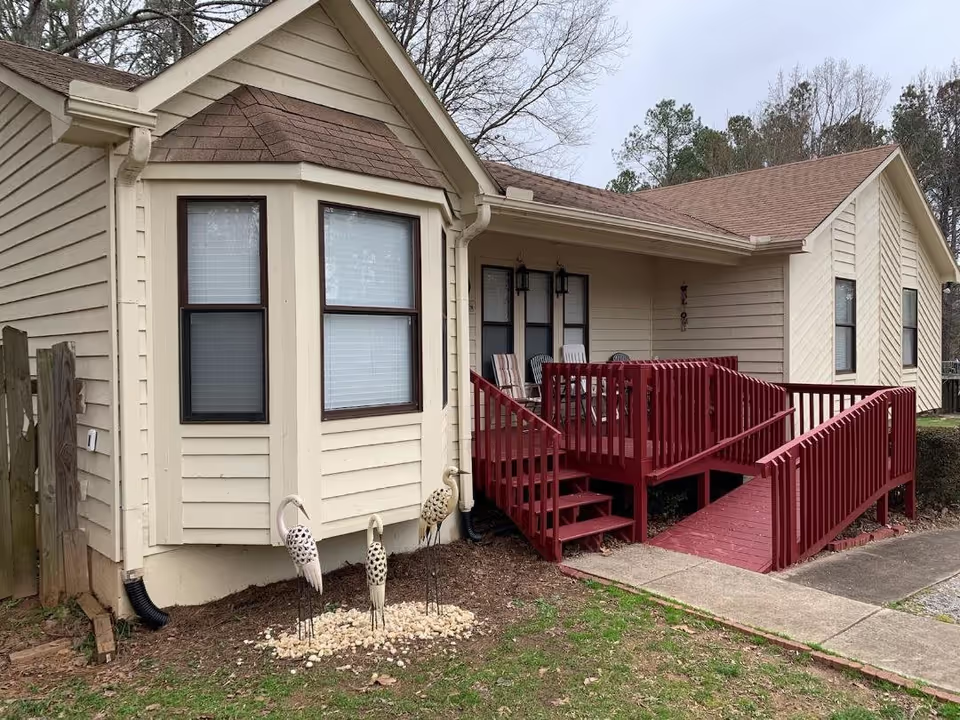
Townsend Park Health & Rehabilitation presents a mixed picture. Many reviewers highlight tangible strengths: a recently renovated facility and rehabilitation area, well-appointed private rooms with accessible bathrooms and sinks, attractive outdoor spaces, and an overall clean, well-kept environment. Rehabilitation services, proactive vaccination initiatives, and social programming such as piano entertainment were viewed positively. Numerous families described staff who are friendly, communicative, and compassionate, and cited helpful administrative support around insurance and care coordination.
Despite these strengths, there are persistent operational concerns that recur across reviews. The dominant pattern is inconsistent staffing and scheduling, which reviewers link to delays in attending to basic needs (for example assistance with hydration, toileting, and bathing) and to inconsistent laundry and personal-effects handling. Several accounts describe delayed or inconsistent meal-assistance and monitoring of nutrition for residents who require support, and there are reports suggesting gaps in fall-prevention practices and in post-fall response. These items collectively point toward staffing and workflow pressures that can affect day-to-day care continuity.
Family communication and after-hours responsiveness are another area of concern. While many families praised nursing communication and involvement in care decisions during daytime hours, others noted reduced responsiveness or limited communication outside normal shifts and called attention to a restrictive visitation approach. There are also serious, individual-level claims regarding the handling of personal belongings and family interactions after a resident’s death; these have raised questions about property-management procedures and end-of-life family communication.
Overall, experiential reports vary noticeably across reviewers and appear to reflect variability by shift or unit. Prospective residents and families will likely find much to appreciate in the facility’s environment, rehab services, and many staff members’ approach to care. At the same time, the recurring operational themes—staffing variability, delays for basic care tasks, inconsistent handling of personal effects, and after-hours communication gaps—warrant specific, targeted questions during a visit. Recommended steps for families: tour the building during different shifts, inquire about staffing ratios and fall-prevention protocols, ask how meal-assistance and nutrition are monitored for at-risk residents, request the facility’s policy for handling personal effects and end-of-life transitions, and clarify visitation rules and after-hours communication pathways. These checks can help align expectations with the facility’s areas of strength and its operational limitations.