Overall sentiment across the review summaries is mixed but leans toward positive regarding the interpersonal care and cleanliness, while raising consistent concerns about staffing levels, facilities for memory care, and some operational issues. Multiple reviewers emphasize that staff are caring, helpful, and loving toward residents; the facility is described repeatedly as clean and in some accounts ‘‘impeccable.’’ Several reviewers explicitly state there are no smells or signs of abuse, and many say residents are being well taken care of. A number of reviewers go further to recommend the facility and praise the warm, affectionate environment and the impact staff have on residents’ lives.
Care quality and staff: The most commonly mentioned strength is the staff — words used include wonderful, caring, and helpful. Reviewers highlight compassionate treatment, attentive feeding of residents, and a general feeling that residents receive personal attention. However, this positive view is tempered by repeated notes about low staff levels. While many reviewers praise personnel, concerns about understaffing could indicate variability in response times, reduced activity engagement, or pressure on staff. There is also an operational concern raised about medication distribution (described as issues with drug distribution), which is significant because it touches on clinical safety and requires management attention even if other aspects of care are praised.
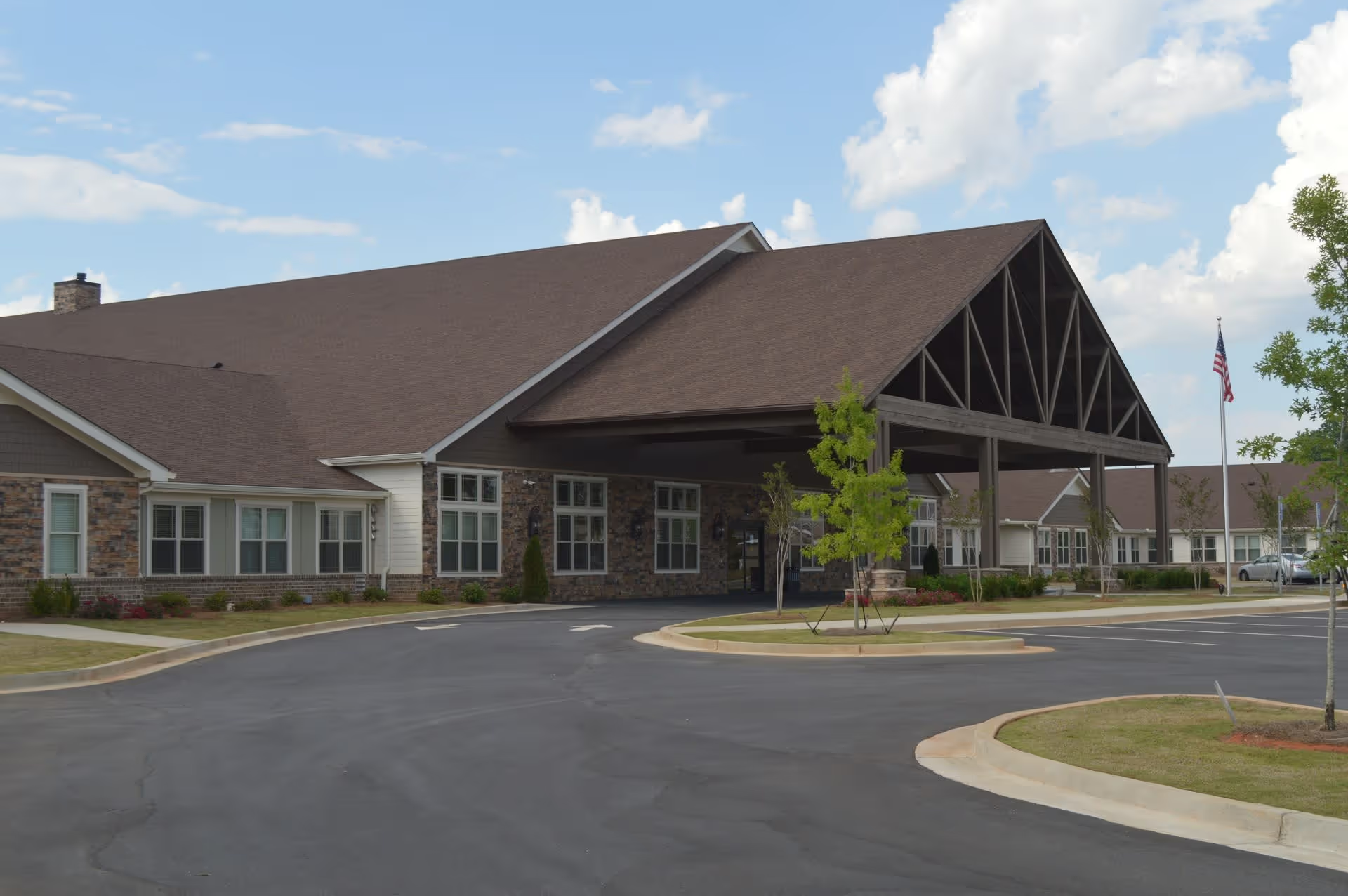
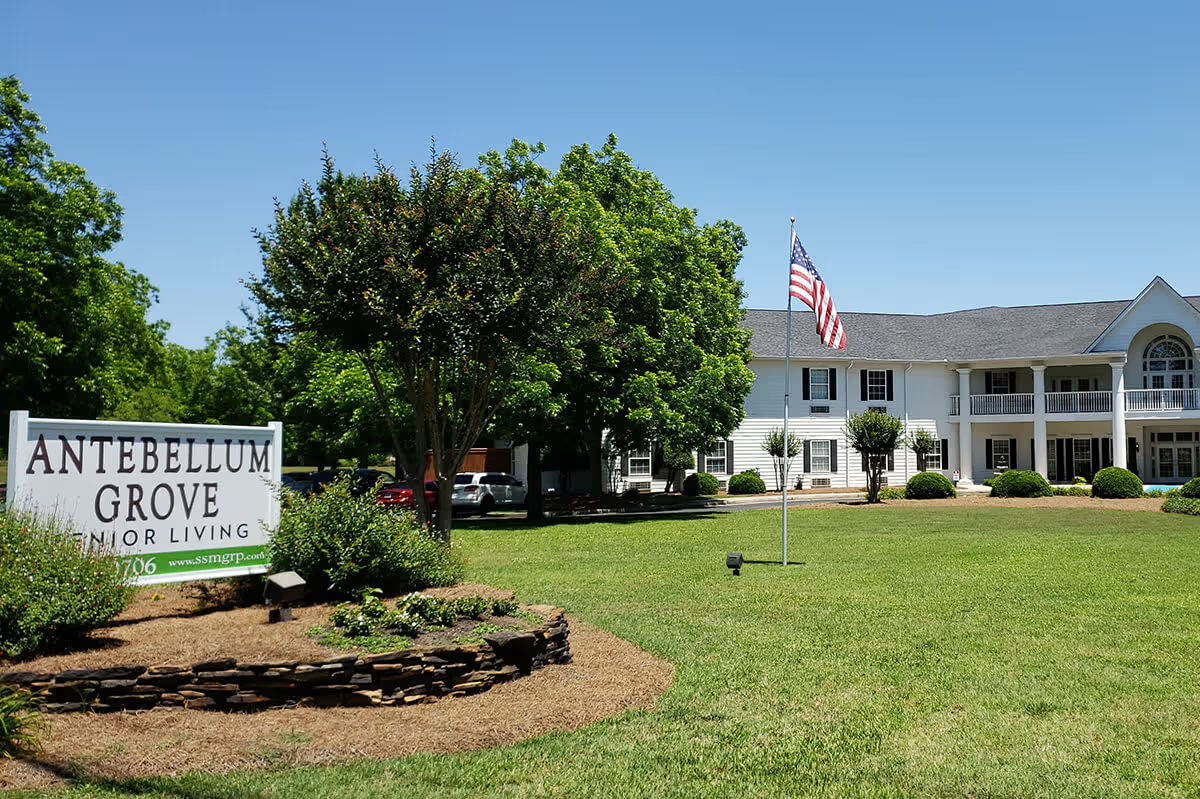
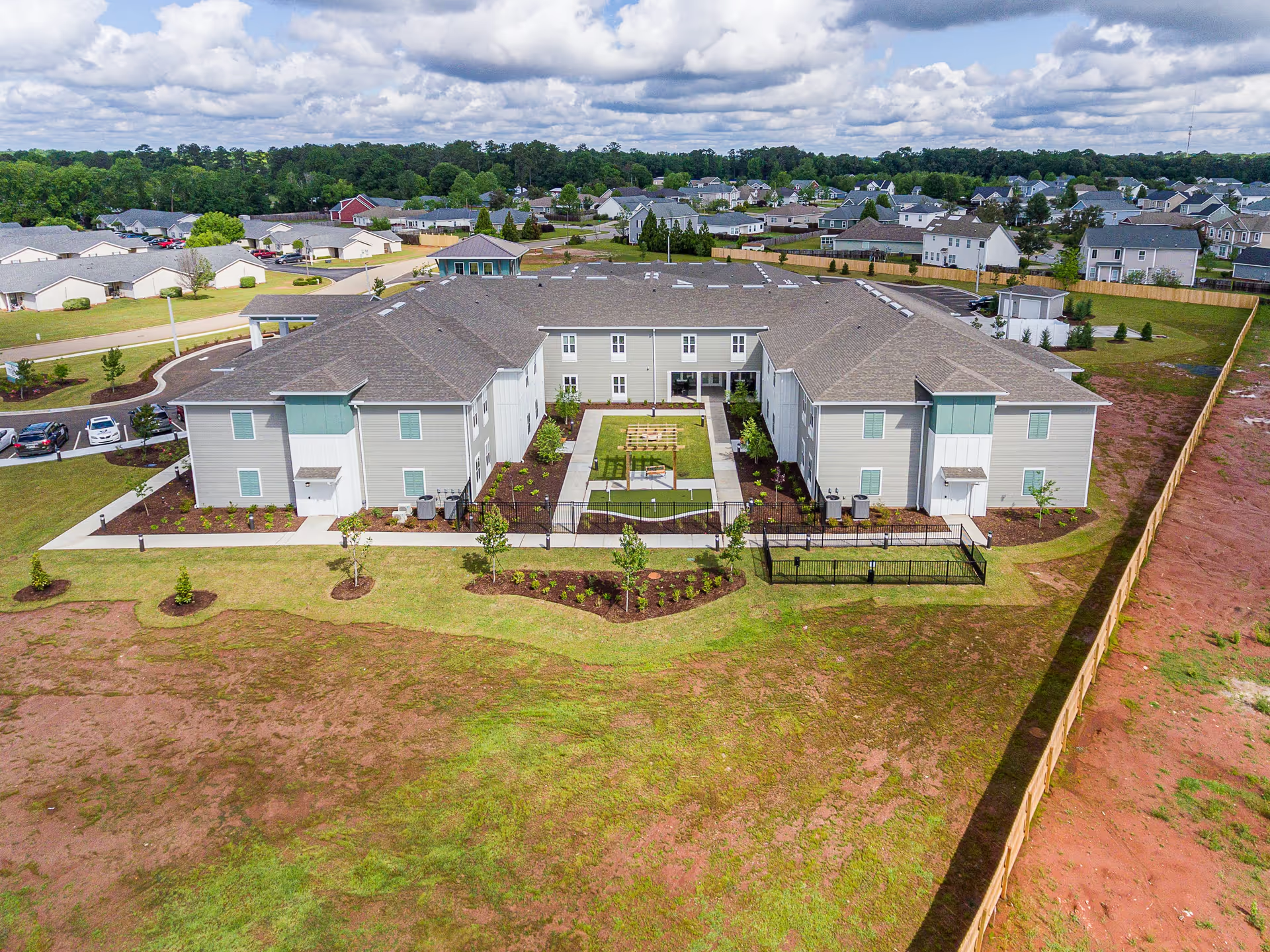
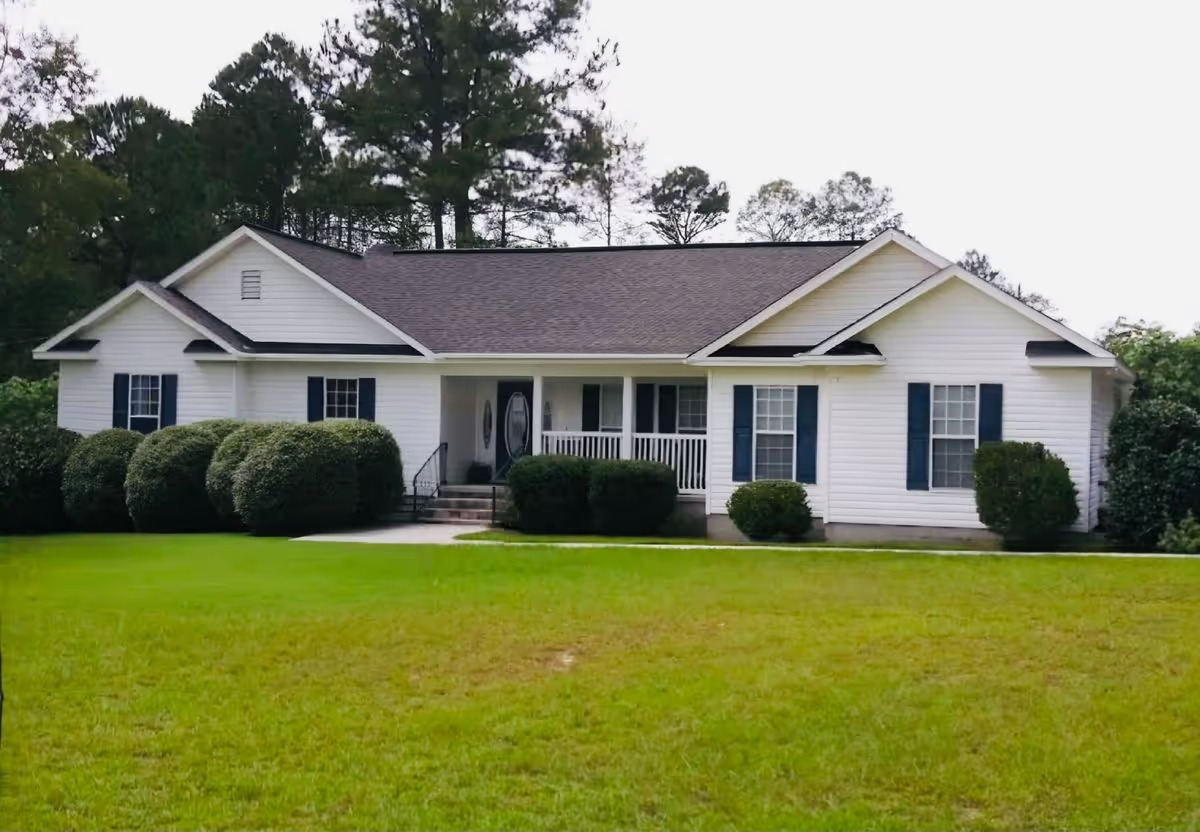
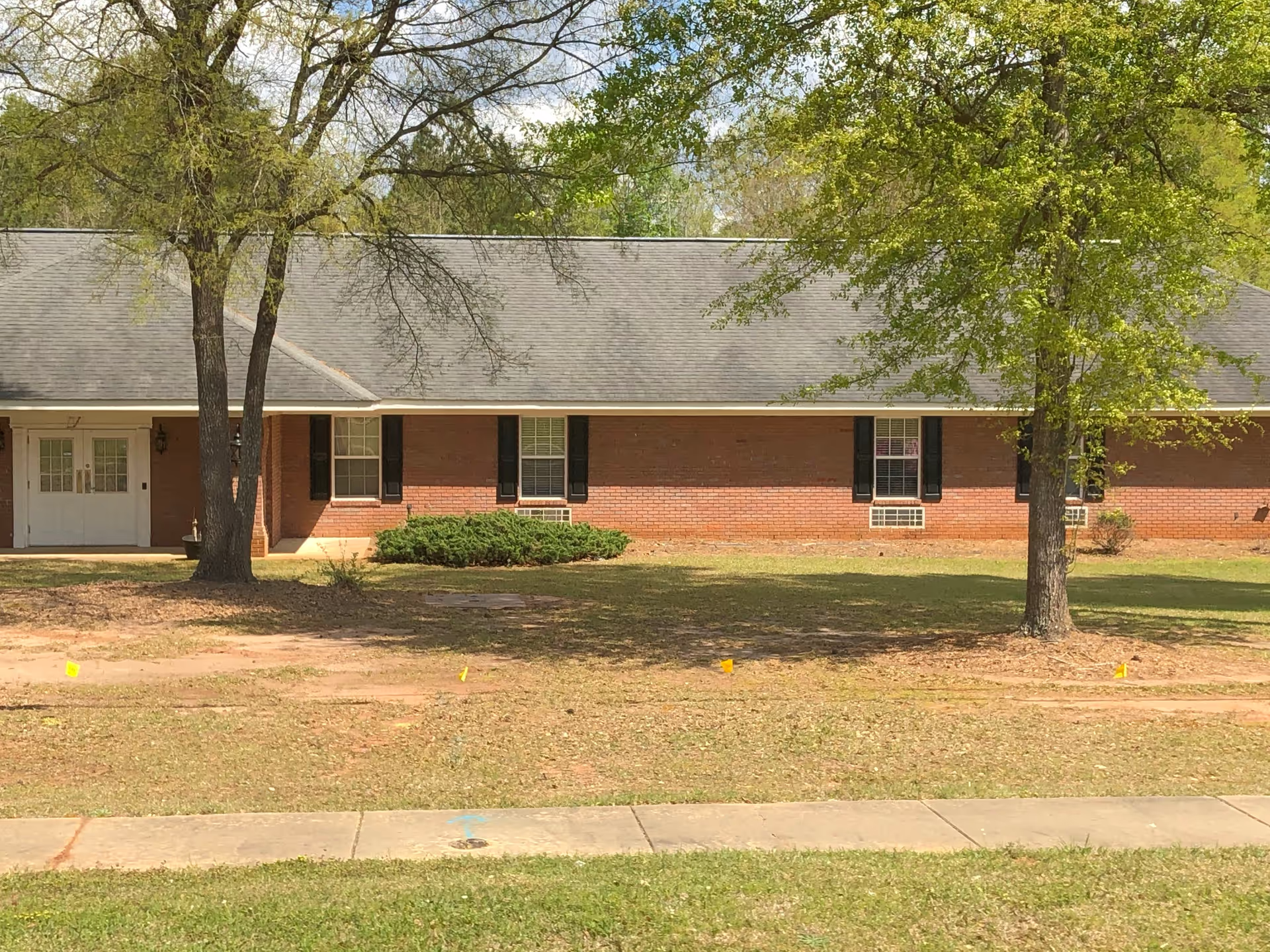
Facilities and living spaces: The facility is generally described as clean and well-kept, with some reviewers calling it impeccable. Room size perceptions are mixed: several comments note rooms are ‘‘fairly decent’’ in size, but other summaries point out small rooms and double/shared units, particularly in the memory-care area. There is a specific mention that the memory-care building itself is small and common areas are extremely limited. Some reviewers mention upcoming larger rooms or new buildings, which suggests the facility is aware of space constraints and may be investing in expansion or renovation. The combination of small common areas and double rooms can affect resident comfort and privacy, especially in memory care where space for supervised activities and socialization is important.
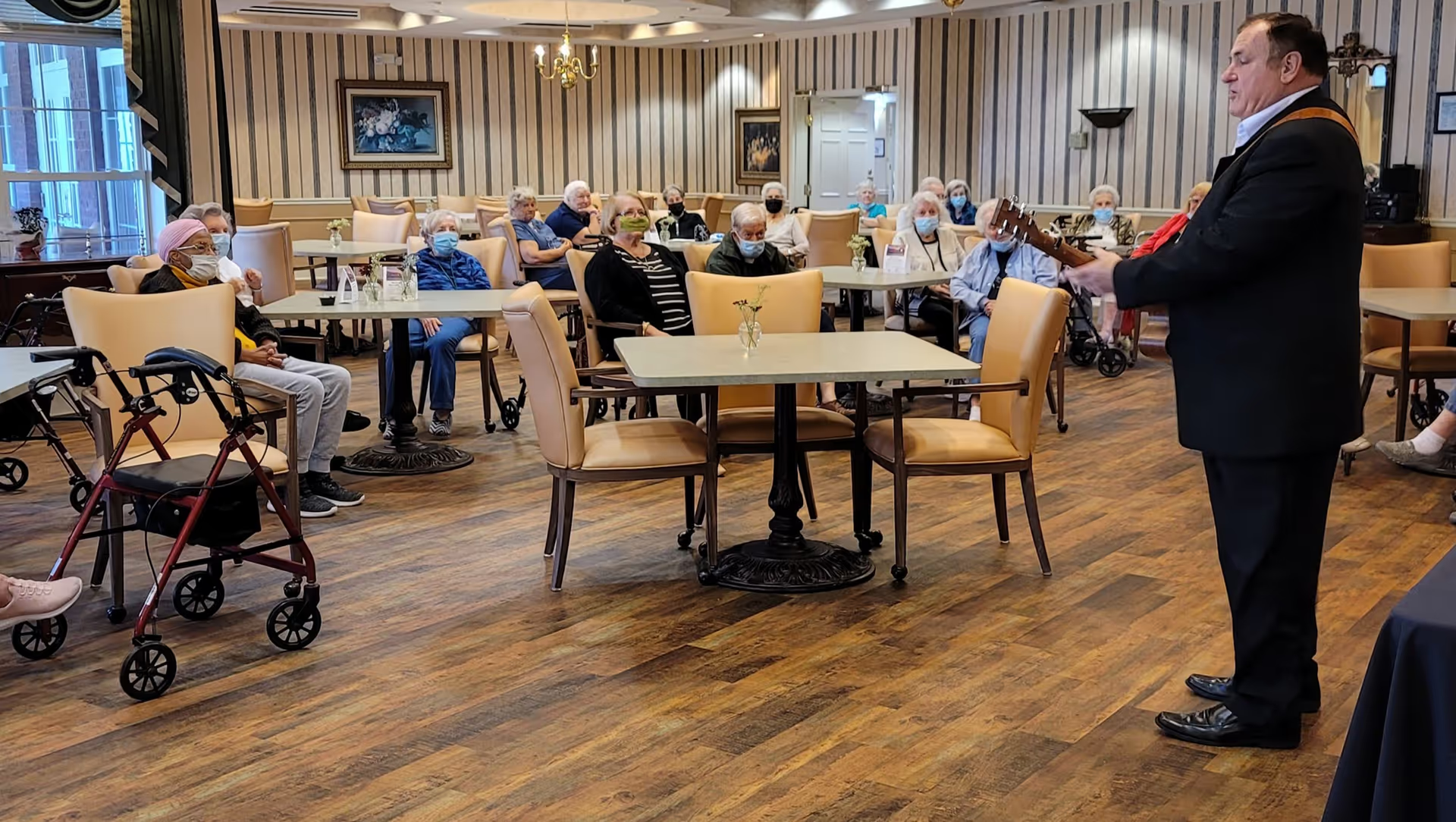
Activities and dining: Reports about activities are mixed. Some reviewers praise wonderful activities and say residents are engaged, while others note a lack of enriching or engaging activities. The activity room being used for dining is mentioned, which suggests multipurpose spaces are limiting dedicated programming. Simple provisions like puzzles are available, indicating some low-cost engagement options, but a consistent critique is that programming may not be sufficiently varied or frequent. Dining impressions are also split: several reviews tout really nice food and snacks, whereas at least one reviewer explicitly dislikes the food. This inconsistency suggests variability over time, between dining shifts, or between different units of the facility.
Safety, accessibility, and logistics: Positive safety indicators include reports of no smell and no signs of abuse, which is reassuring. The only explicit clinical/process concern is problems with medication distribution; that should be a focal point for management to investigate and address. Logistically, the facility is about 5–6 miles from a hospital, which is noted as a potential drawback for families worried about rapid access to emergency care, though local restaurants and amenities nearby are convenient for visitors.
Overall patterns and recommendations: The dominant pattern is a facility with strong, compassionate staff and good cleanliness standards that nevertheless faces operational and space-related challenges. Frequent praise for staff and the loving environment is a major strength and likely the reason many families recommend the home. At the same time, repeated mentions of low staffing levels, small common areas and shared rooms (especially in memory care), inconsistent activity offerings, and at least one report of medication distribution problems are meaningful concerns. Prospective residents and families should weigh the evident quality of interpersonal care and cleanliness against the potential limitations in space, staffing, and certain operational practices. For families already using the facility, asking management about staffing ratios, medication handling protocols, plans for the newer/bigger rooms, and a schedule or examples of the activity program would help clarify whether the facility’s strengths align with the resident’s needs. Management should prioritize transparent communication about staffing, medication processes, and plans for addressing limited communal space to maintain trust and address the mixed feedback seen in reviews.