Overall impression: Reviews describe a small, community-style assisted living that presents a mix of reliable basic services and operational constraints. Strengths repeatedly noted include friendly staff, punctual medication administration, regular meal service in a pleasant dining area, and accessible common spaces. The facility accepts Medicaid, offers single rooms, and has an active renovation program intended to update the building.
Care quality and staffing: Families report consistent medication administration and regular meal schedules, which indicate reliable day-to-day routines. At the same time, staffing levels are described as low and staff frequently perform multiple roles (cooking, cleaning, and caregiving). This combination contributes to limited availability of staff for individualized attention and raises questions about the facility’s capacity to manage higher-acuity needs, such as progressive dementia. Prospective residents with significant clinical needs should confirm current staffing ratios and clinical capabilities before placement.
Staff and management: Many comments emphasize courteous, helpful caregivers and an engaged management presence; one director was singled out positively. However, reviewers also point to variability in staff conduct and accessibility, and some families described difficulty getting timely conversations about finances or care-planning. Management responsiveness appears to be a differentiator for families; clarity on administrative policies (especially around personal spending and supply needs) would be beneficial.
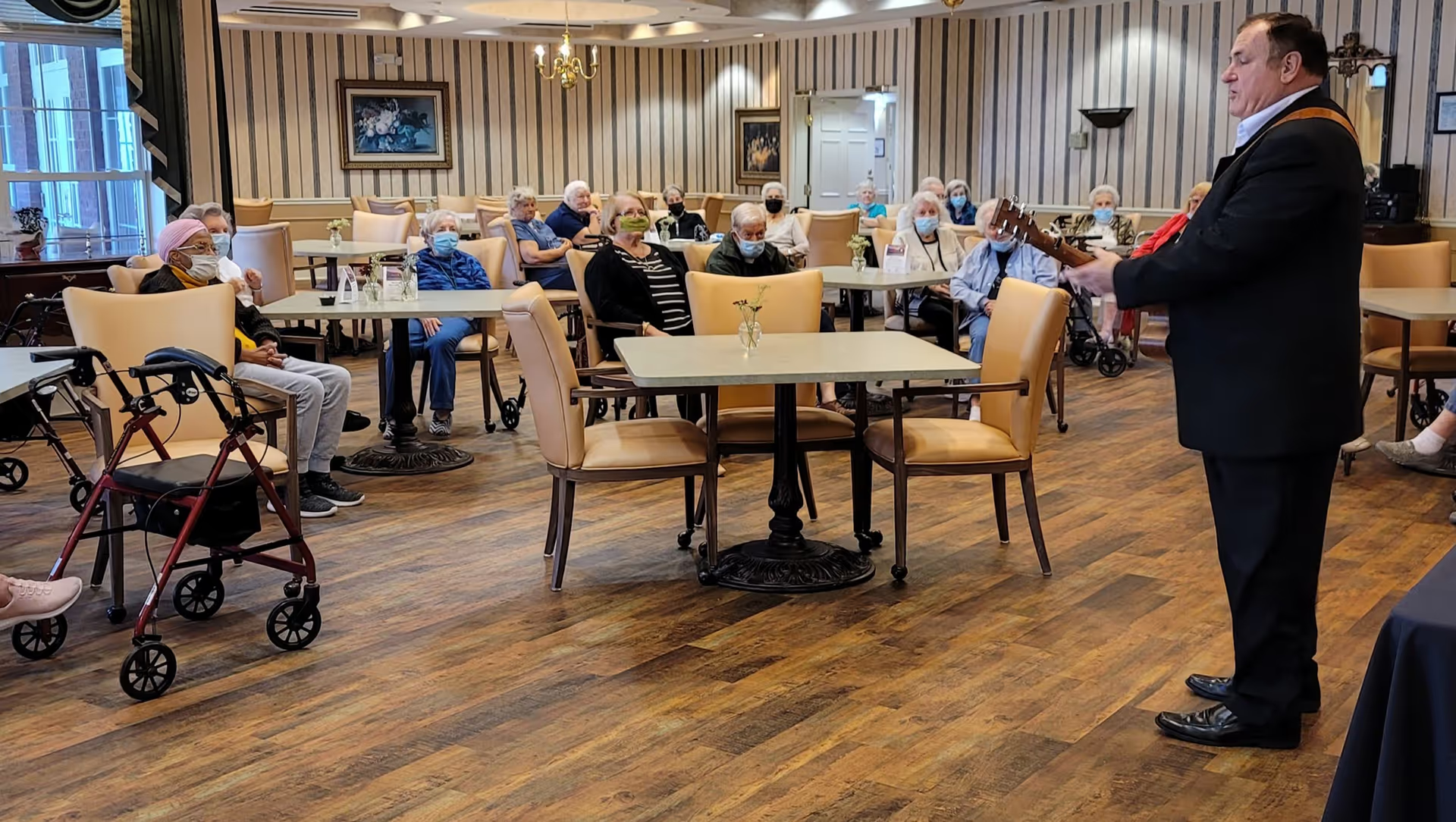
Dining and activities: Dining is generally viewed positively—meals are served regularly and the dining area is appreciated. The community offers transportation and organized outings (mall and movie trips were cited), and there are games and some communal activities. Conversely, activity levels and resident engagement appear inconsistent across time periods and among residents; several accounts note limited daily programming or low resident interaction. Those seeking an active social calendar should verify the current activities schedule and participation levels.
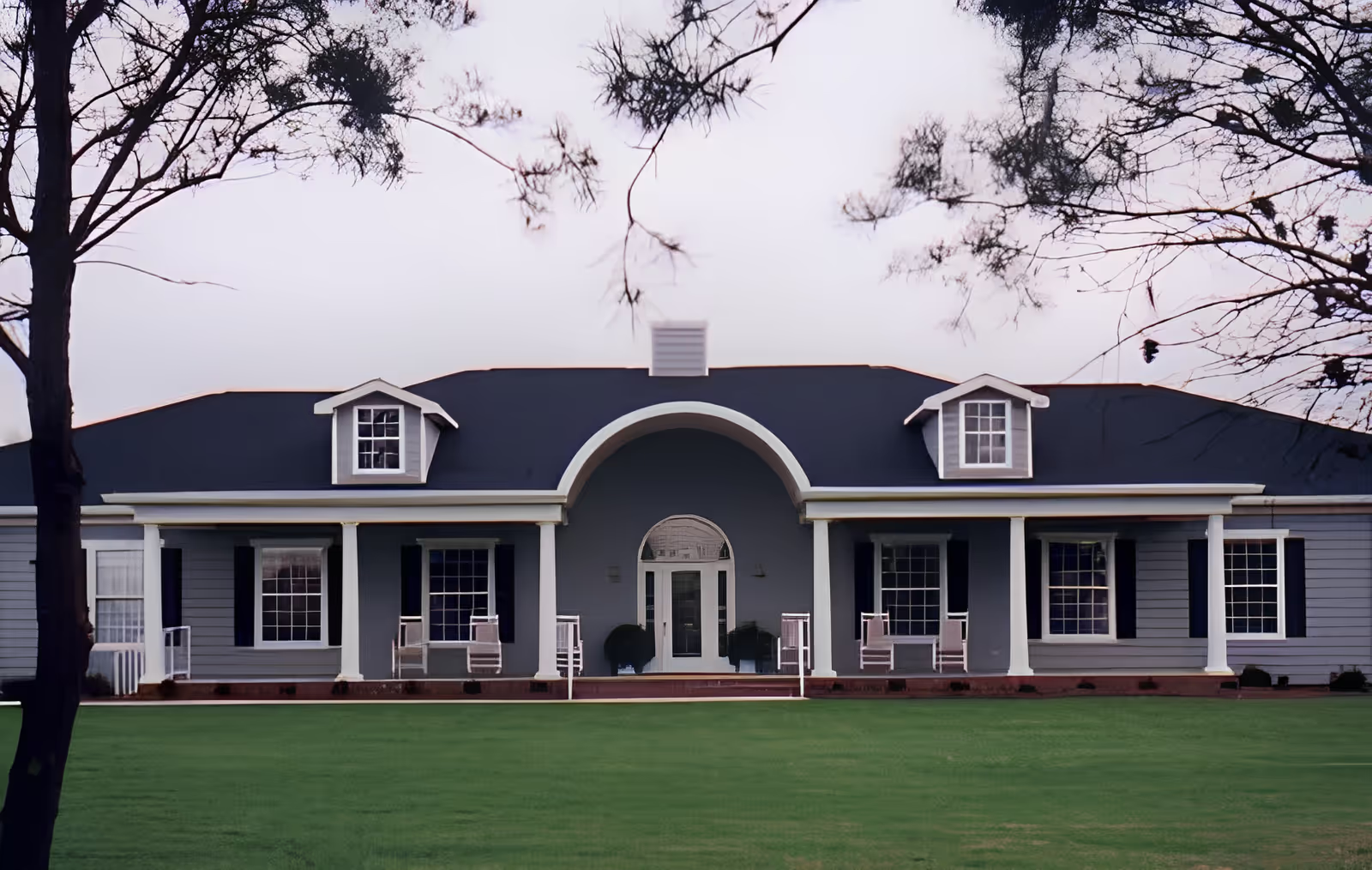
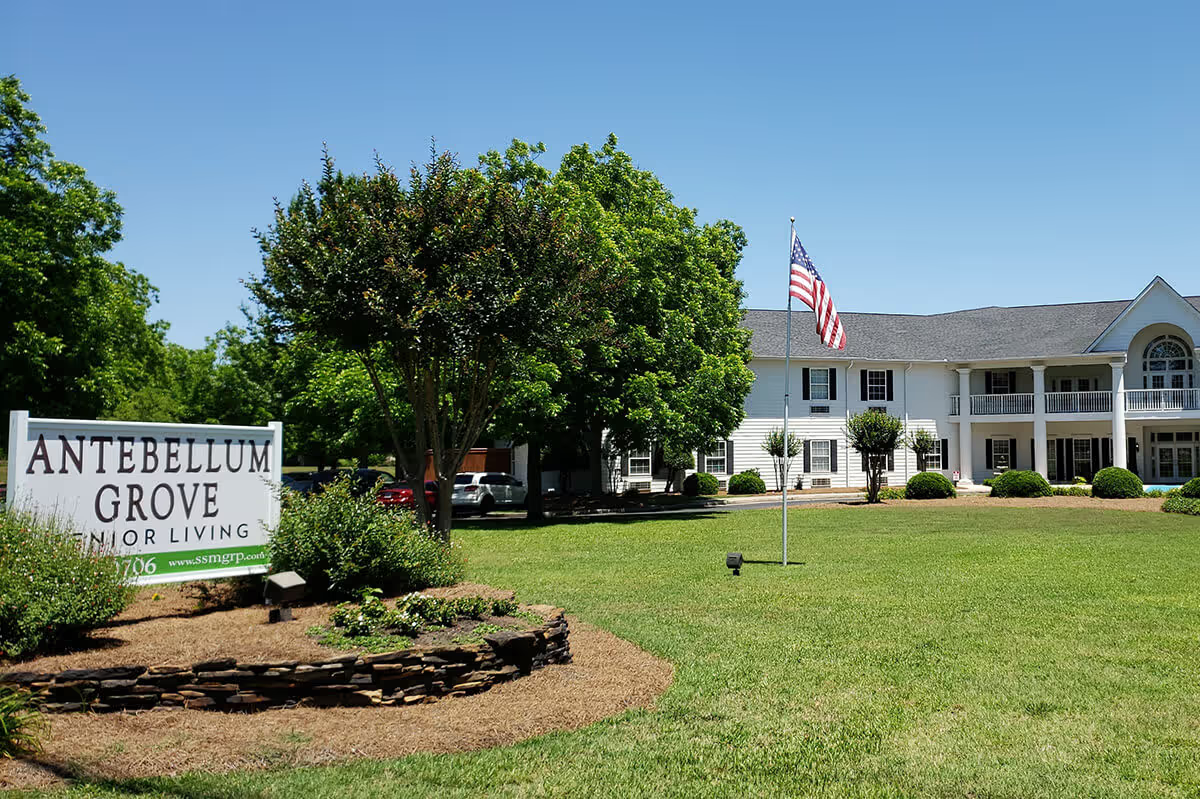
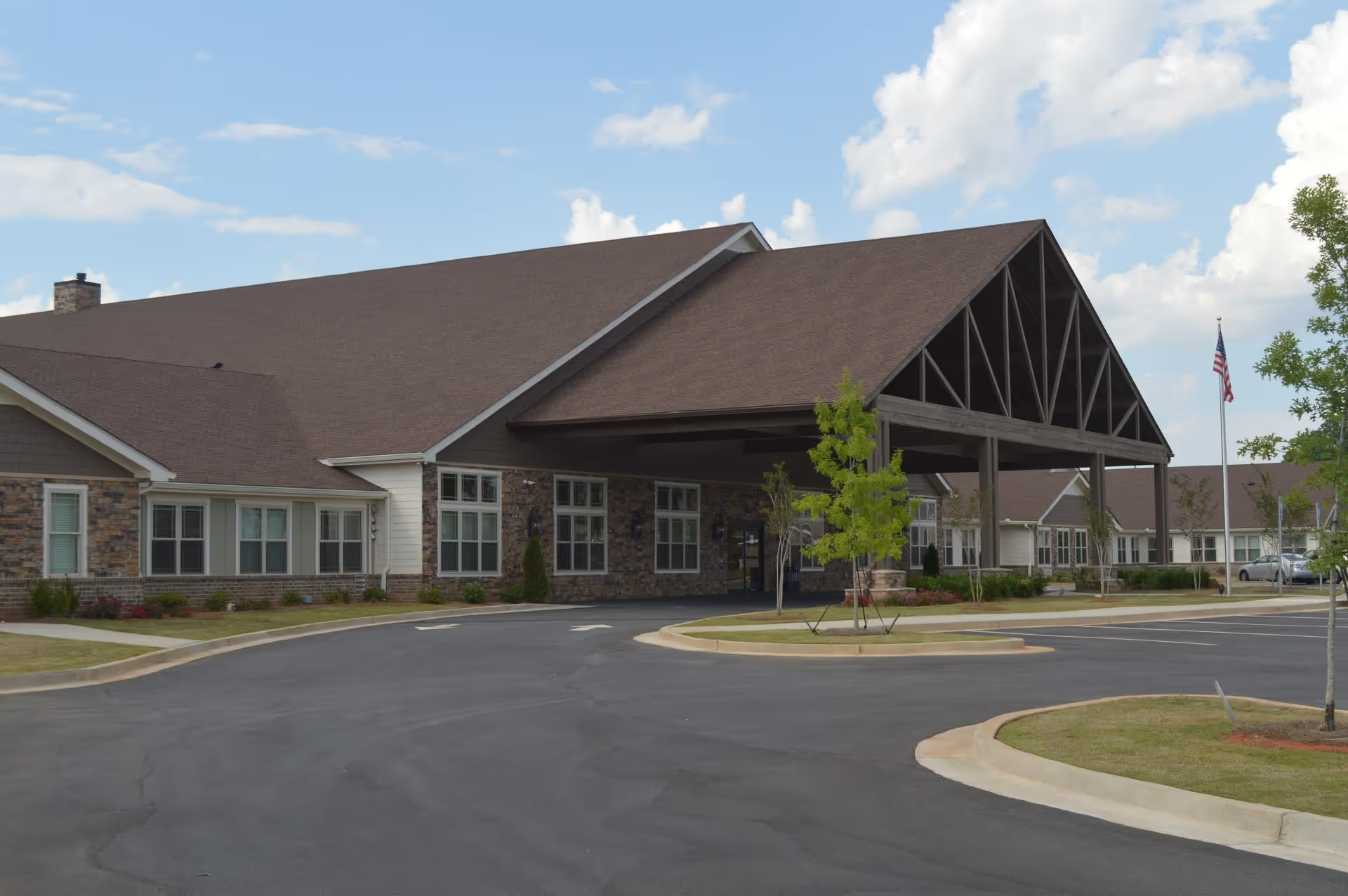
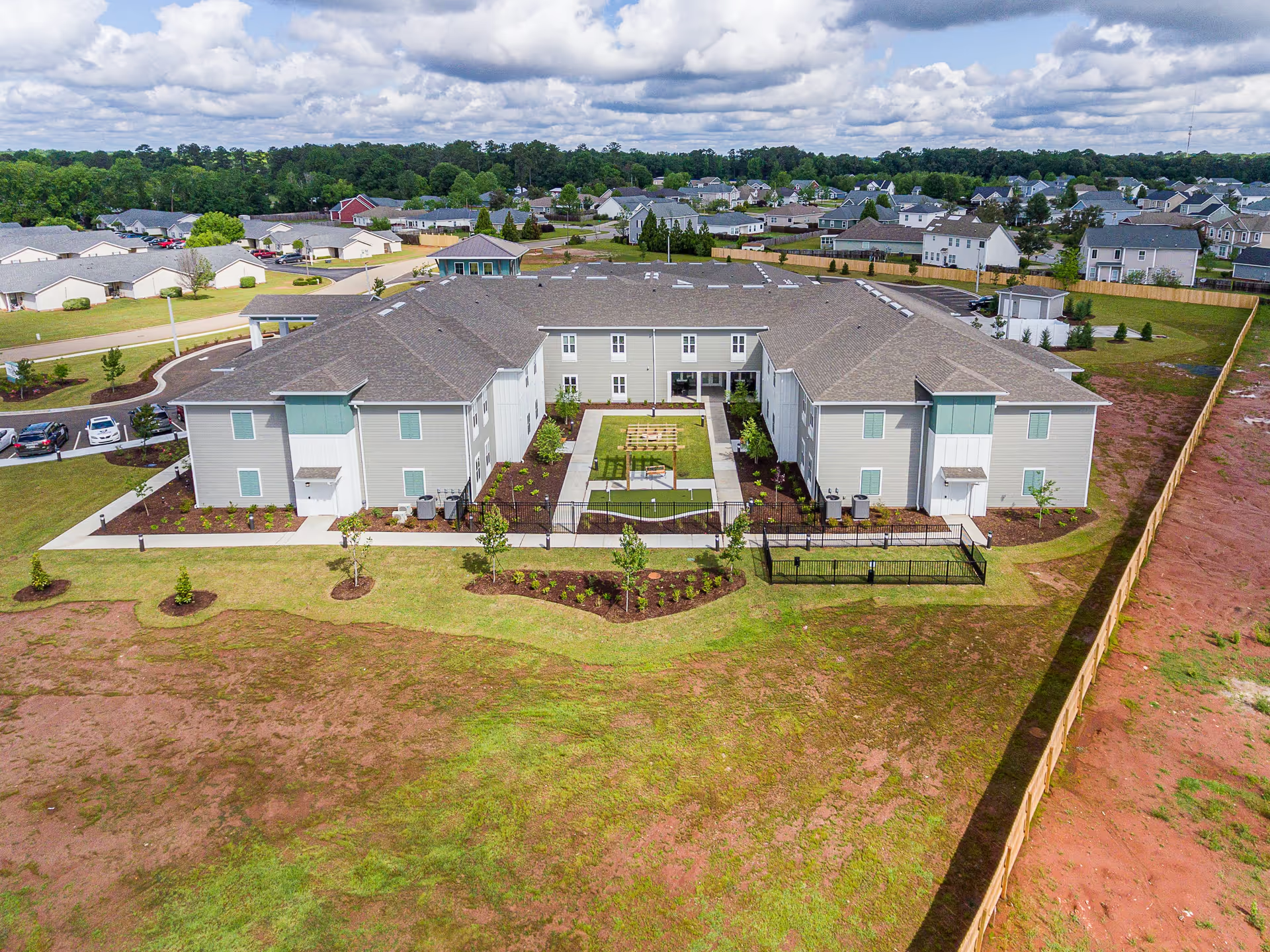
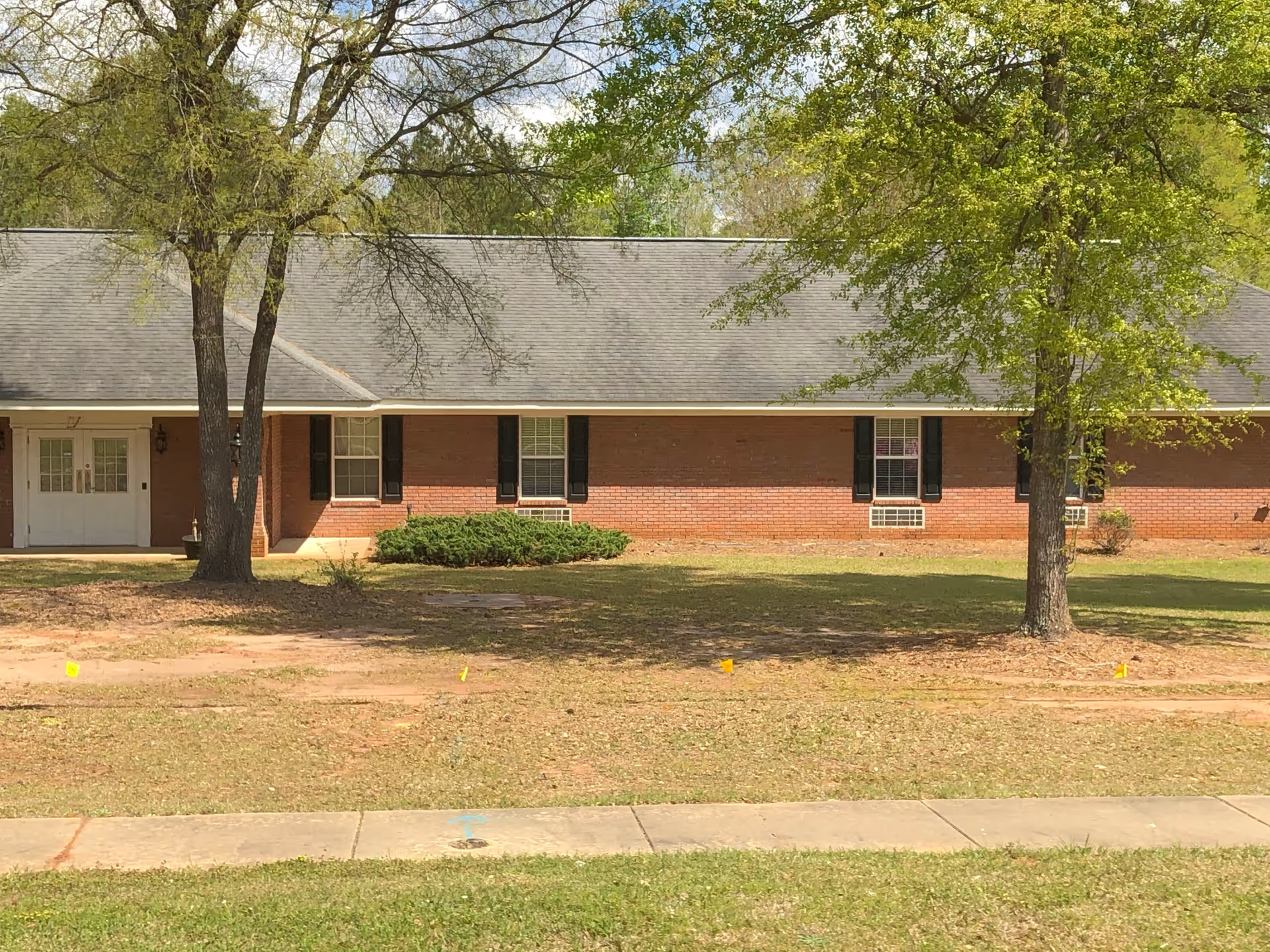
Facilities and renovations: The facility is described as clean and neat with a courtyard and handicap-accessible features. Simultaneously, the building is older and undergoing remodeling; unfinished baseboards, painting needs, and other maintenance items were noted. Renovations may improve the physical environment, but they have also contributed to temporary disruptions. Parking is limited and the property sits adjacent to a highway, which may affect access and noise.
Notable patterns and recommendations: Reviews present a split picture—many families express strong satisfaction with staff, cleanliness, and basic services, while others raise operational concerns centered on staffing, maintenance, and activity offerings. Key topics for follow-up during a tour or intake conversation include current staffing ratios and shift coverage, dementia-care protocols and clinical supports, the timeline and scope of renovations, policies on resident supplies and monthly spending limits, and specifics about activity programming and transportation. These clarifications will help determine whether the facility’s strengths align with an individual resident’s care and social needs.