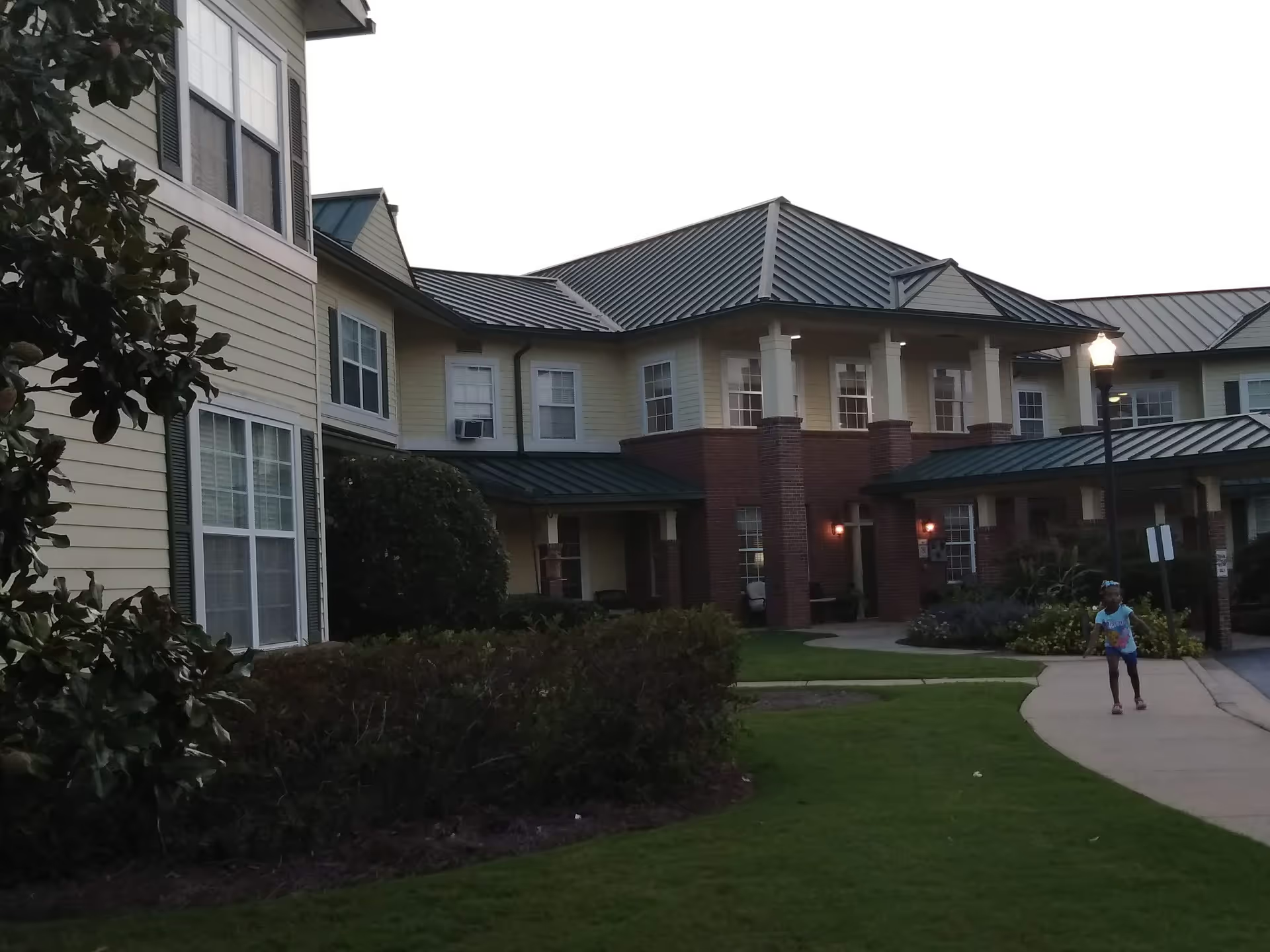
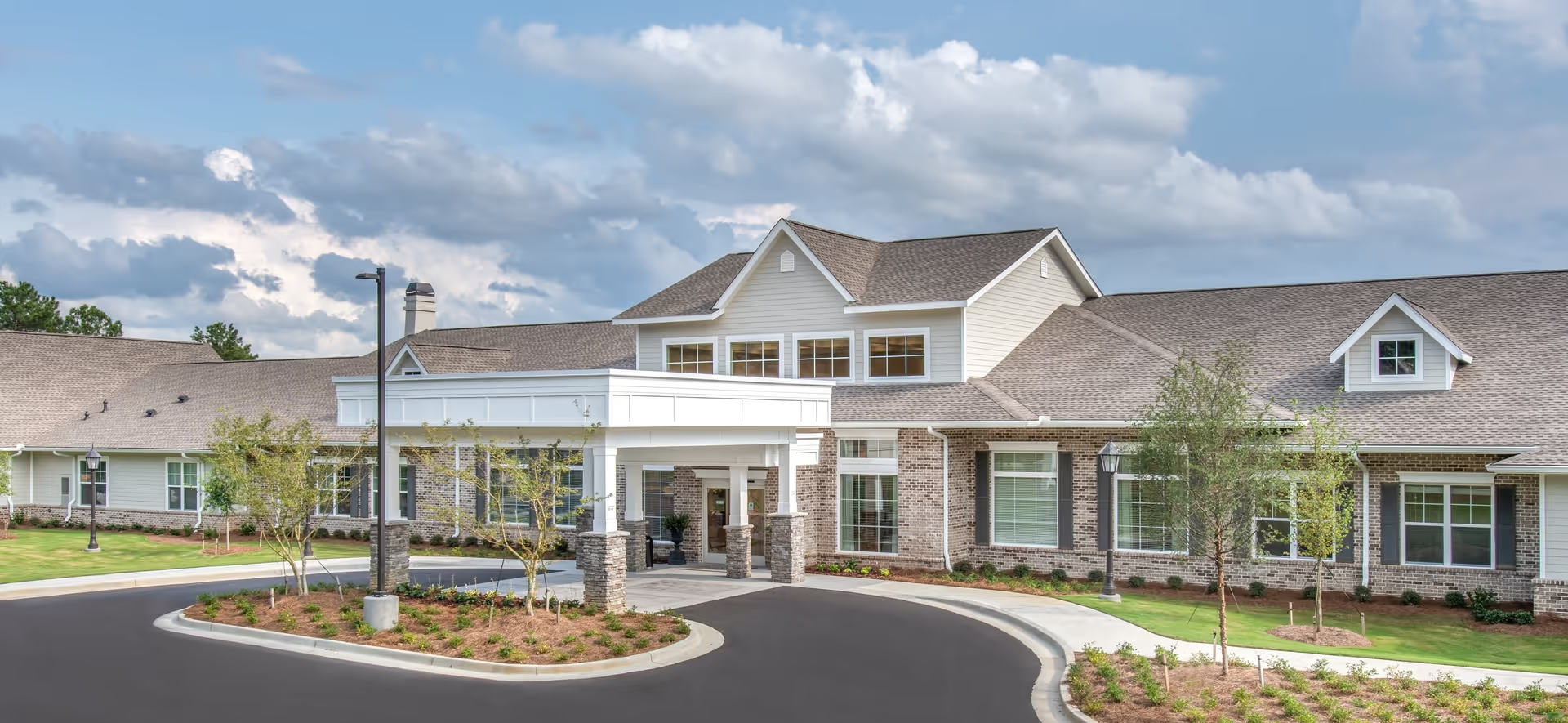
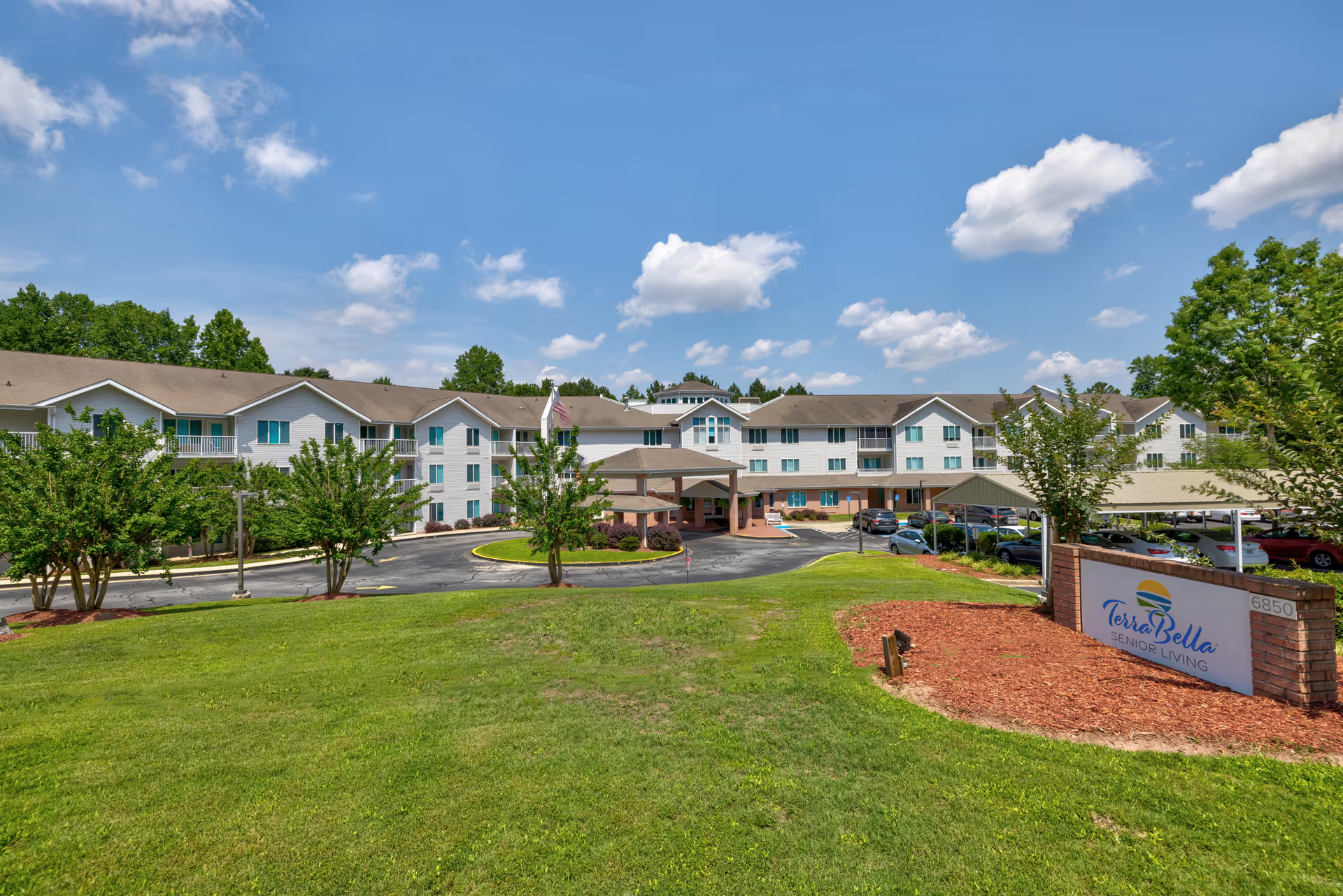
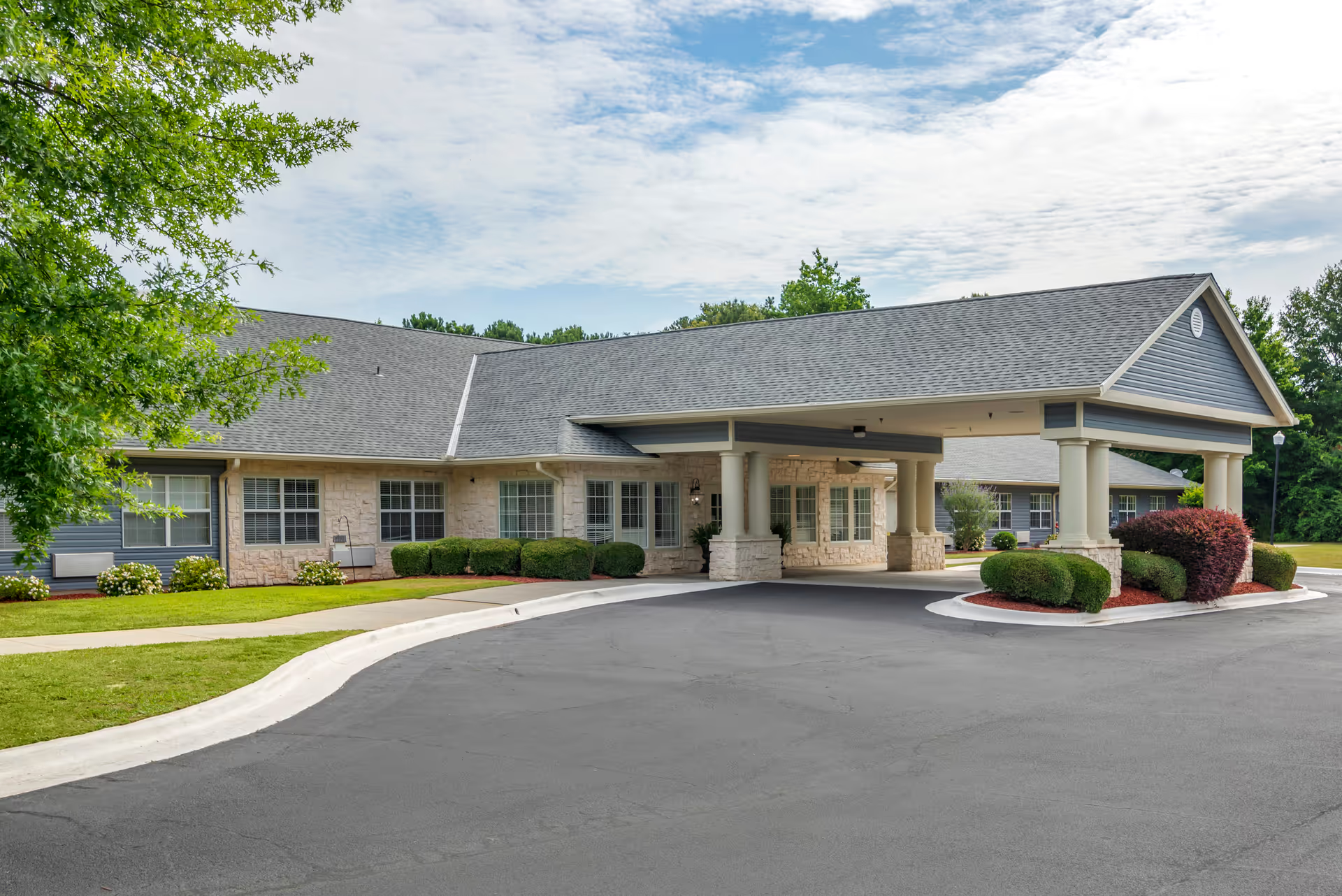
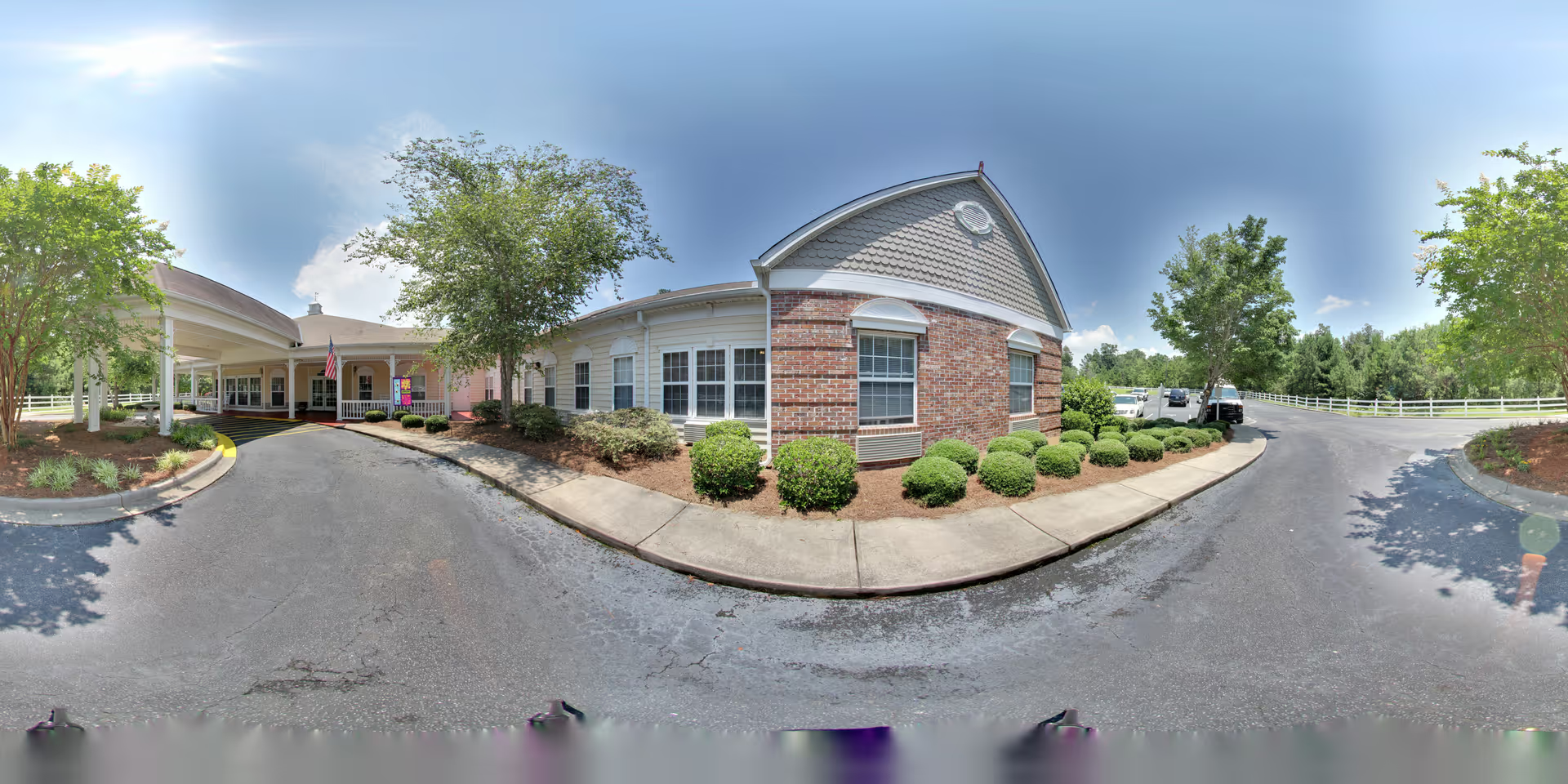
The Oaks at Grove Park presents as a well-appointed, amenity-rich assisted living community with many strengths. The facility’s physical plant, landscaping and common areas are consistently described as clean, attractive and recently updated; apartment sizes (including ground-floor patio units) and communal spaces convey a home-like, lodge-style atmosphere. On-site amenities — including a chef-run dining program with flexible dining and room service, a salon, chapel, movie theater, fitness/therapy space, and a range of social activities — are recurring positives. Transportation to appointments and community outings, as well as available physical/occupational therapy, add practical support for residents who remain active and engaged.
Staff and direct-care interactions show a clear split in experiences. Numerous reviewers praised warm, compassionate caregivers and accessible on-site managers who facilitated good day-to-day experiences, family communication, and fast responses to routine requests. The memory-care wing is highlighted for purposeful design elements and dementia-monitoring practices that support residents with cognitive impairment. At the same time, there are consistent notes about staffing instability, turnover, and uneven responsiveness; these operational weaknesses appear to affect after-hours coverage, phone accessibility, and follow-through on family concerns.
Clinical and safety-related themes emerged as important considerations. Several accounts indicate concerns about fall prevention, medication and pain-management consistency, and the community’s ability to accommodate certain medical-device needs. There are also statements pointing to alignment issues between billed care levels and delivered services, and to gaps in housekeeping frequency in some units. Taken together, these items suggest prospective residents and families should clarify clinical staffing levels, fall-prevention protocols, medication-administration policies, and how care levels are documented and billed before committing.
Management and communication present a mixed picture. Some families describe engaged, outgoing leadership and strong staff–family relationships; others describe poor phone responsiveness, inconsistent outage/outbreak communication, and dissatisfaction with management follow-through after adverse events. Security and front-desk presence were also raised as an operational gap by multiple families, who noted periods when the desk was unmanned or building access controls were lax.
Overall, the Oaks at Grove Park offers substantial environmental, social, and dining advantages that many families find valuable. However, recurring operational themes — particularly around staffing consistency, after-hours clinical coverage, medication/pain management, fall prevention, housekeeping routines, and billing-care alignment — warrant direct inquiry during tours. Prospective residents should ask specific questions about staffing ratios, overnight nursing coverage, emergency response procedures, device-accommodation policies, housekeeping schedules, and how contractual care levels are verified and billed to ensure the community’s strengths align with individual clinical and safety needs.