Overall impression: Cumming Health & Rehab is described by many families as a therapy-focused short-term rehabilitation setting with a large number of consistently positive observations about clinical rehabilitation, individual caregivers, and administrative coordination. The facility receives repeated praise for its physical, occupational and speech therapy teams and for staff members who are described as compassionate, dedicated, and proactive in discharge planning. These strengths make the facility a strong option for goal-oriented short stays focused on mobility and return-to-home outcomes.
Care and clinical oversight: Therapy services are a clear institutional strength; reviewers frequently attribute measurable functional improvements to the therapy teams and named therapists. Nursing care is often praised for attentiveness and bedside communication, and social work/case-management are regularly cited as effective in coordinating transitions and appointments. However, there are recurrent concerns about clinical follow-up and device/medication management—examples include missed or delayed diagnostic follow-up and prolonged indwelling device retention—resulting in family unease about continuity of clinical oversight. Prospective families should ask how the facility manages handoffs, diagnostic follow-up, and nursing oversight for higher-acuity needs.
Staffing and responsiveness: Many reviews commend individual caregivers, CNAs, therapists, admissions staff, and housekeeping for being caring and responsive. At the same time, a consistent pattern of operational weaknesses emerges around staffing: reviewers report slower response times to call buttons, particularly overnight, and variability in performance when agency or part-time staff are on duty. These staffing gaps are cited as contributing to delays in routine assistance (bathing, toileting, water/pain-medication requests). Prospective residents should inquire about night staffing levels, use of agency staff, and the facility’s escalation protocols for delayed responses.
Dining and dietary services: Opinions about meals vary. Numerous families praise the dining staff and some describe meals as excellent and plentiful, while others note limited dietary customization, heavy carbohydrate menus, and inconsistency in meal temperature or composition. If specialized diets, texture modification, or vegetarian options are important, families should review the dietary plan and accommodation processes during intake.
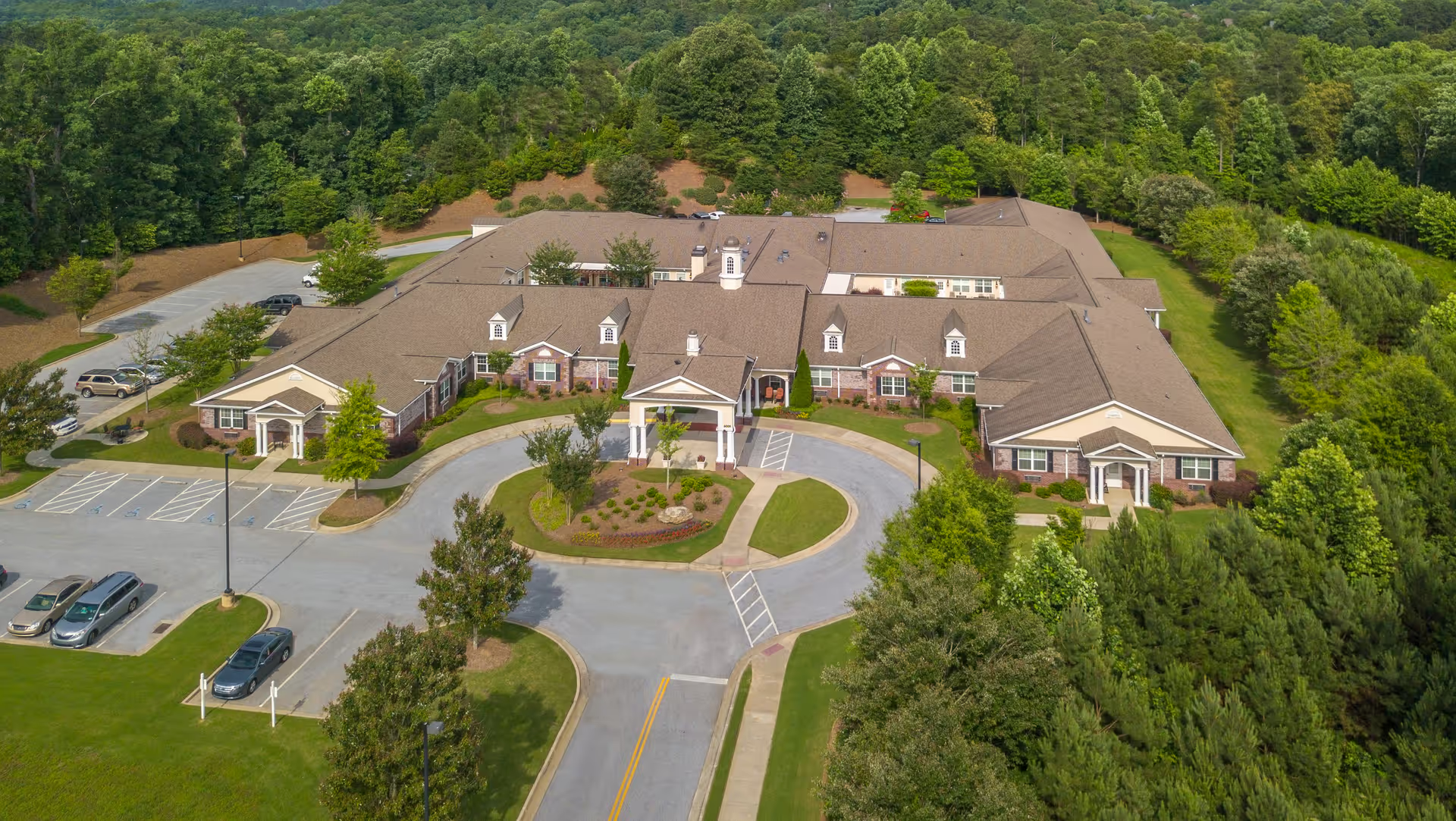
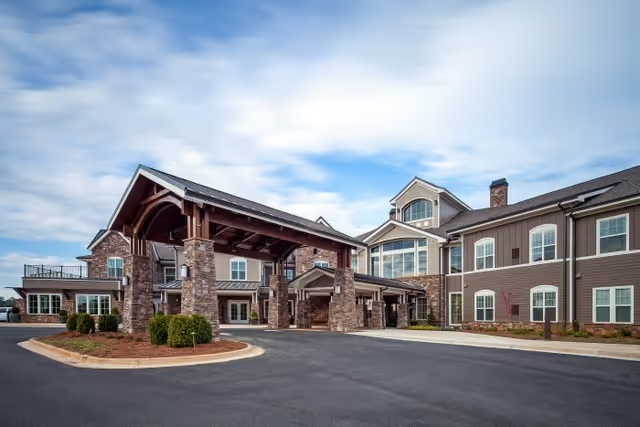
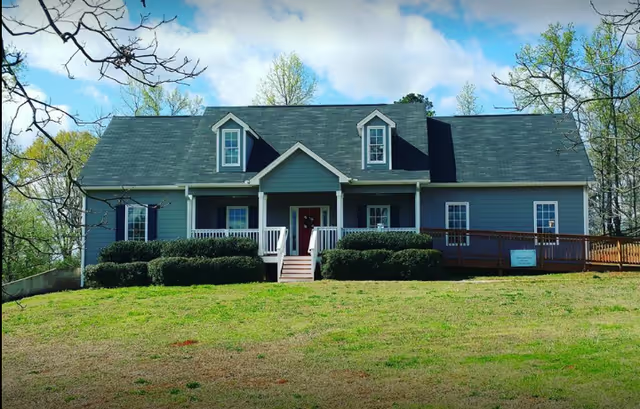
Environment, housekeeping, and amenities: The facility’s public areas, courtyard, and many rooms are described as clean and bright, with housekeeping and laundry frequently singled out for positive performance. At the same time, reviewers note that the building is older, rooms are compact, and some maintenance/cleanliness issues (trash overflow, occasional odors, restroom maintenance) have occurred. These comments point to an aging physical plant that is generally well-kept but in need of periodic updates. Room size and shared-bathroom arrangements are items to verify during a visit.
Management, communication, and culture: Administrative staff, the concierge, and admissions personnel receive strong praise for empathy and coordination. Many reviewers highlight proactive family communication, named staff who go above and beyond, and an organizational emphasis on customer service. Nevertheless, communication is inconsistent at times—families report difficulties reaching the right clinical or billing contacts, and some describe uneven follow-up on phone calls. This mixed pattern suggests strong local leadership and pockets of excellent practice alongside variable execution at shift or individual levels.
Notable patterns and practical recommendations: The dominant pattern is one of high-quality, therapy-driven rehabilitation supported by many compassionate caregivers, counterbalanced by operational variability tied to staffing, an older building, and occasional gaps in clinical follow-up and sanitation oversight. For prospective residents and families: (1) confirm current staffing ratios and night coverage, (2) review clinical follow-up protocols for diagnostics and IV/medical device management, (3) ask about dietary customization and sample menus, (4) inspect room sizes and shared-bathroom arrangements, and (5) identify the point people for daily updates and escalation. These steps will help align expectations with the facility’s demonstrated strengths and the operational issues that recur in reviews.