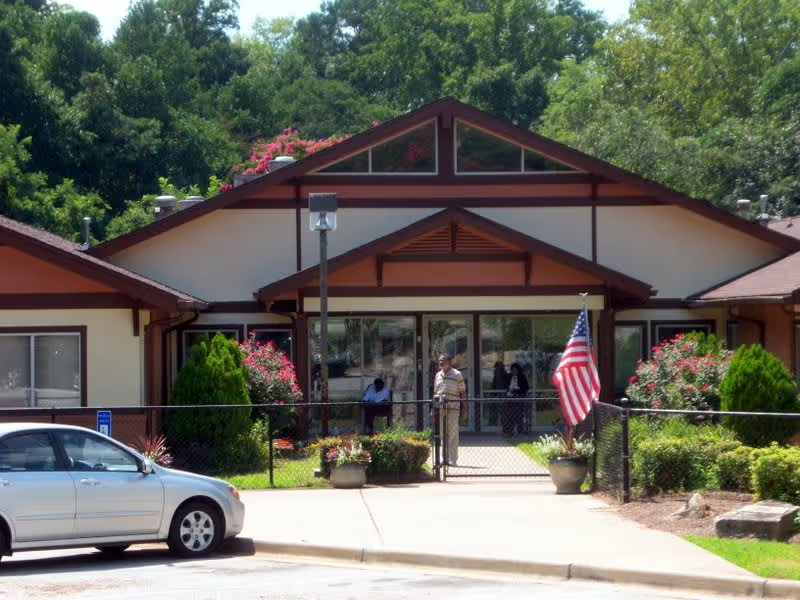
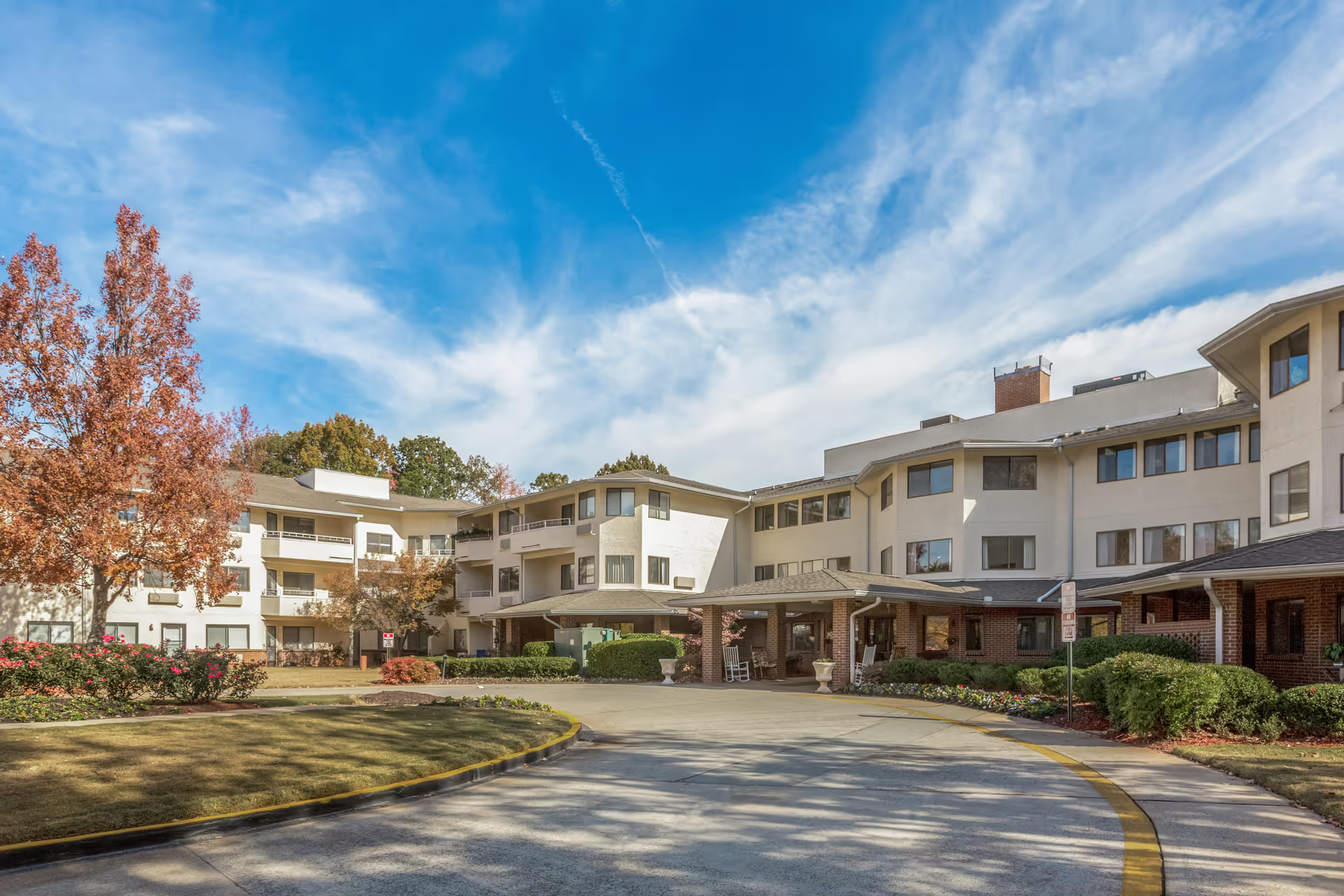
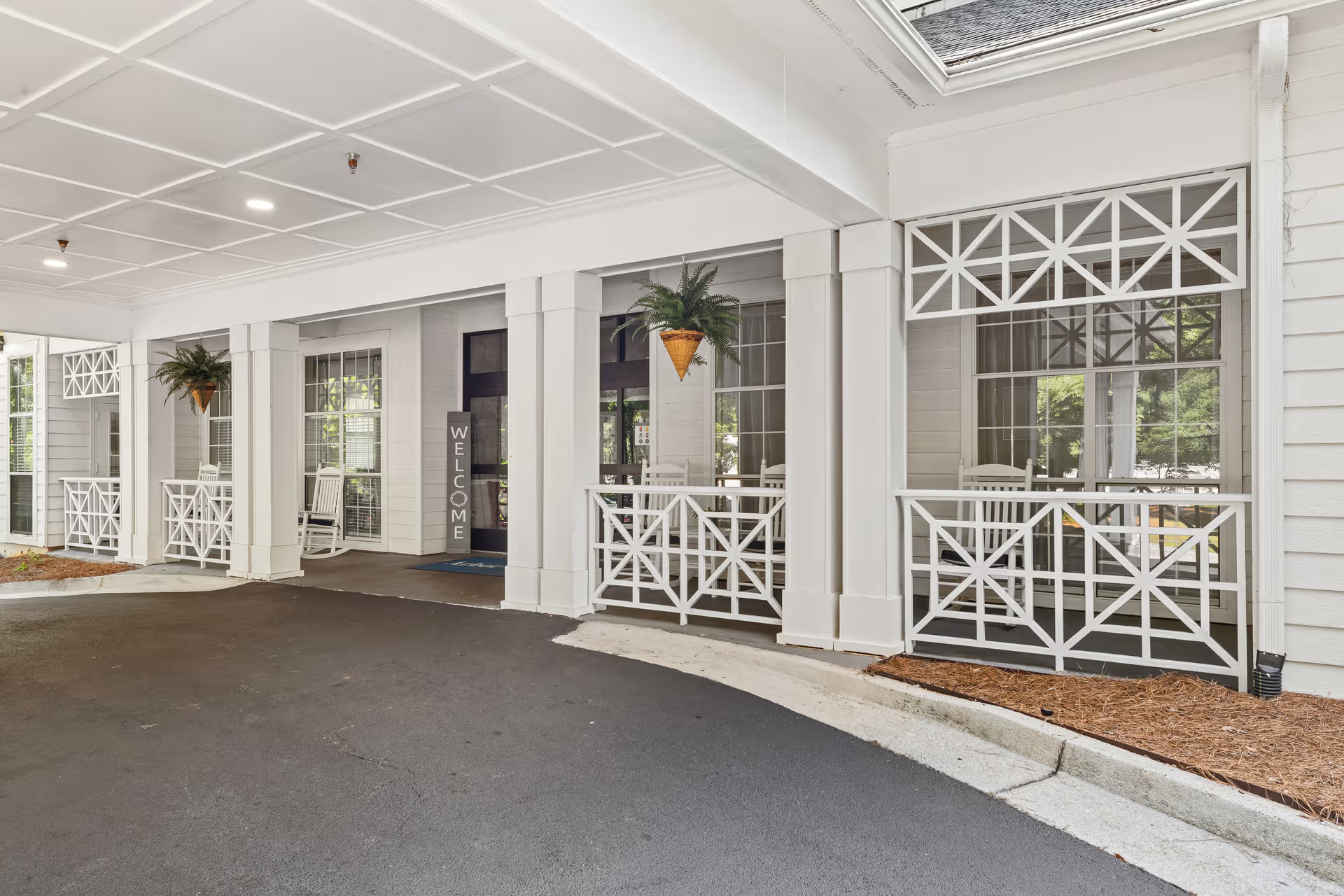
Reviews describe a facility with a clear mix of strengths and operational weaknesses. Strengths most frequently noted include a cadre of dedicated nurses and therapy staff, particularly physical and occupational therapy, which many families credit with positive rehab outcomes. Reviewers also praise engaging activities, volunteer involvement, a welcoming community atmosphere, helpful maintenance staff, and generally favorable meal quality. Several reviewers singled out individual staff members for professionalism and compassion, and there are observations that leadership has pursued quality improvements, including Joint Commission recognition.
Care-quality impressions are mixed. Many families describe attentive nursing and meaningful therapy; however, chronic understaffing and inconsistent aide performance are recurring themes that reviewers link to delayed assistance, delayed linen changes, and concerns about timely attention to residents' personal-care needs. There are also isolated but serious clinical-process concerns raised, including pressure-injury and infection-control issues; these suggest variability in consistent clinical oversight and protocol adherence.
Staffing and conduct present a polarized picture. Numerous comments commend nurses, aides, and maintenance staff for warmth, responsiveness, and individualized attention. Conversely, other reviews describe lapses in staff conduct, uneven performance among CNAs, and communication tone issues. Maintenance staff received repeated praise for responsiveness and morale-building on the floors, even as the physical plant shows signs of needing more investment.
Facilities and operations show clear areas for improvement. Reviewers cite aging décor, peeling paint, dated furnishings, inadequate lighting in some areas, and laundry-management breakdowns such as fading or lost labels. Sanitation and odor concerns in shared and resident areas are mentioned several times, which, combined with phone-system failures and security complaints, point to gaps in day-to-day operational oversight. There are also allegations of theft and break-ins that raise questions about current security protocols and visitor/staff access controls.
Dining and nutrition receive both praise and criticism. Many reviewers found meals satisfying, yet others reported inconsistent adherence to dietary restrictions or nutritionist recommendations. Family communication and discharge planning were described as effective by some and unreliable by others; this variability suggests that administrative processes are uneven across shifts or units.
Notable patterns: two parallel narratives emerge — one of compassionate individual caregivers and effective therapy services, and another of systemic operational problems that can undermine care continuity (staffing shortages, laundry and sanitation lapses, security and communication failures). Several reviews indicate improvement over time, while others describe persistent issues. Prospective residents and families should weigh the strong therapeutic and relational aspects against the facility-level operational weaknesses.
Practical suggestions for families considering placement include: ask about current staffing ratios and how shortages are managed; request documentation of infection-control and security protocols; tour resident rooms and common areas to assess cleanliness and maintenance; inquire about laundry and clothing-labeling procedures; review dietary accommodation processes; and ask how the facility communicates with families during incidents and care transitions. These targeted questions can help determine whether the facility's strengths align with an individual resident's priorities and safety needs.