Summary:
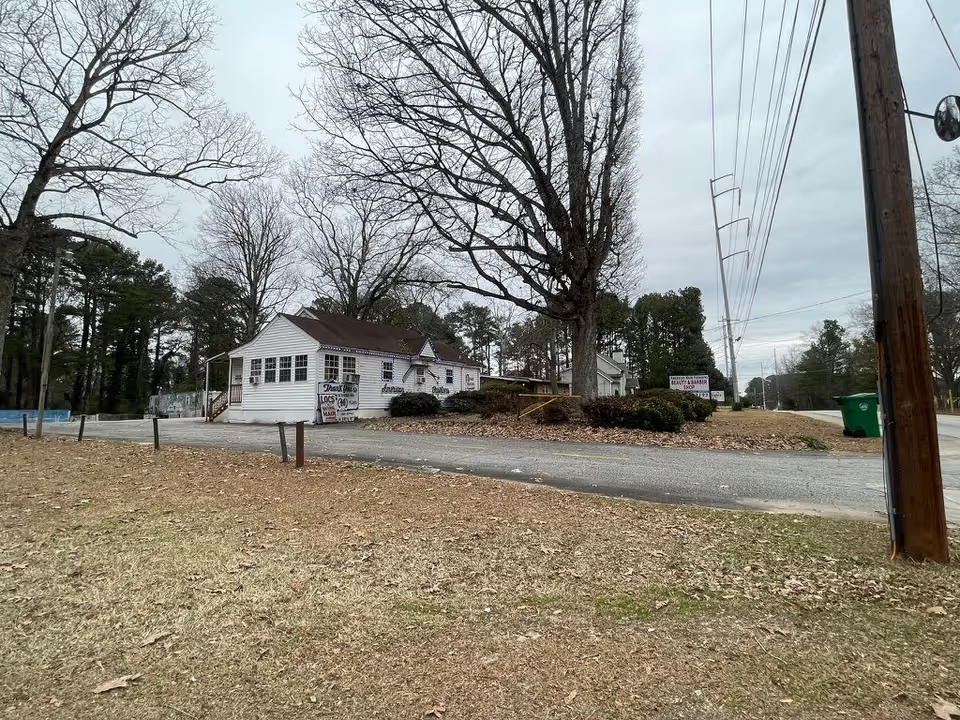
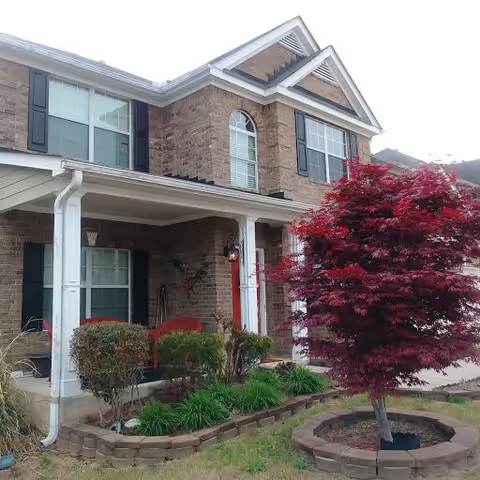
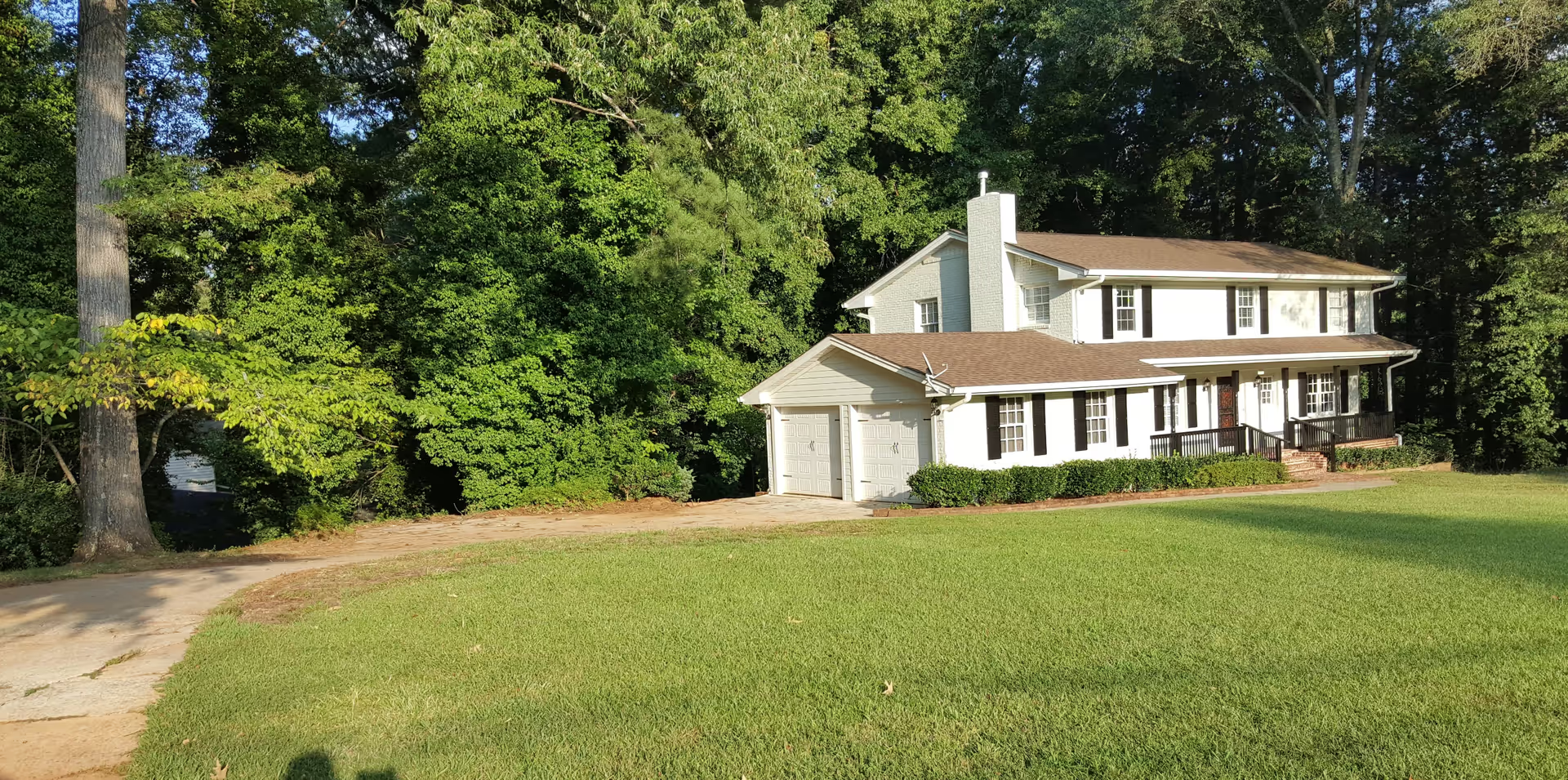
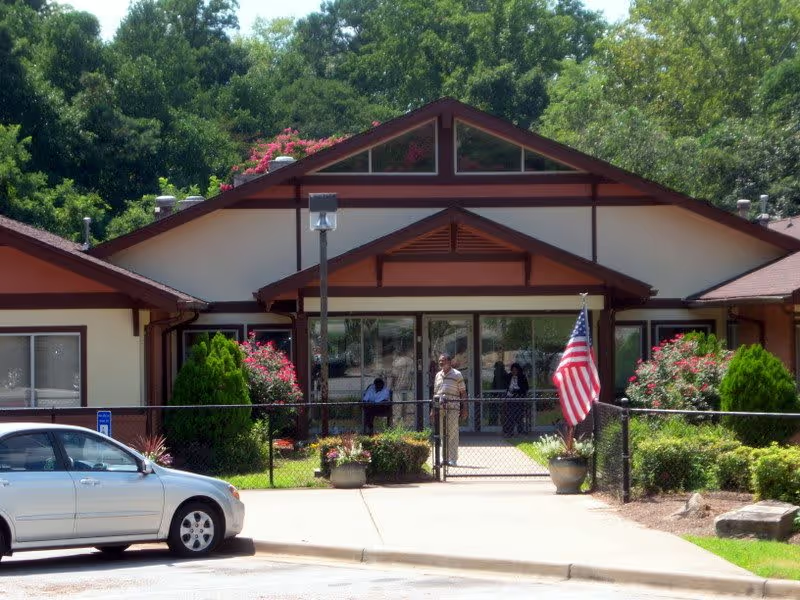
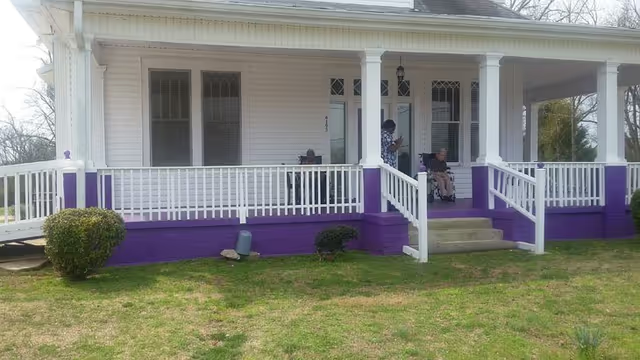
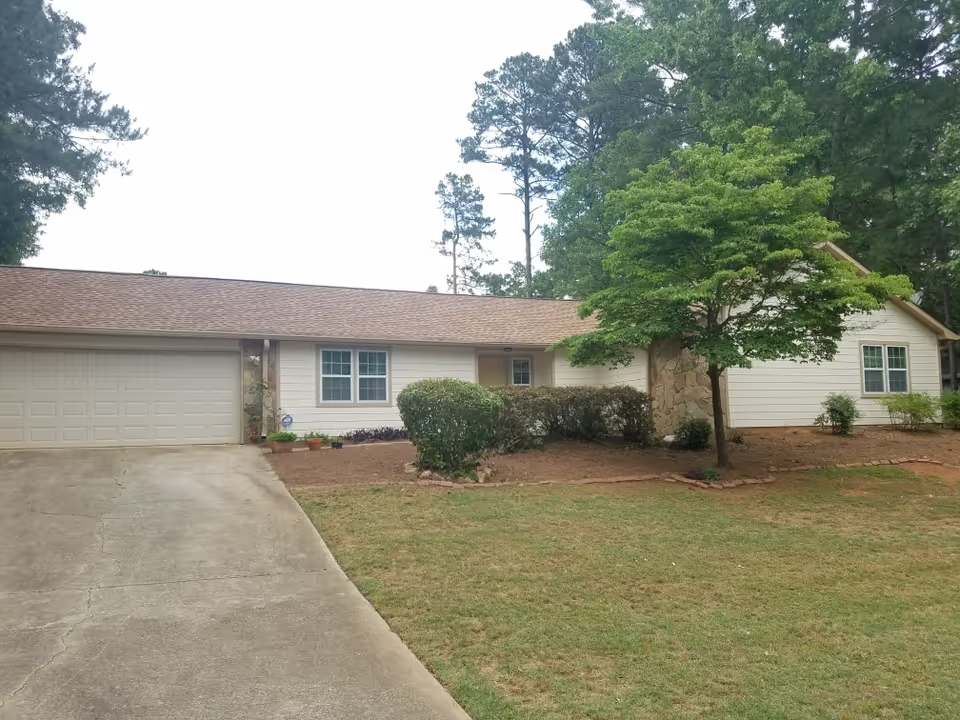
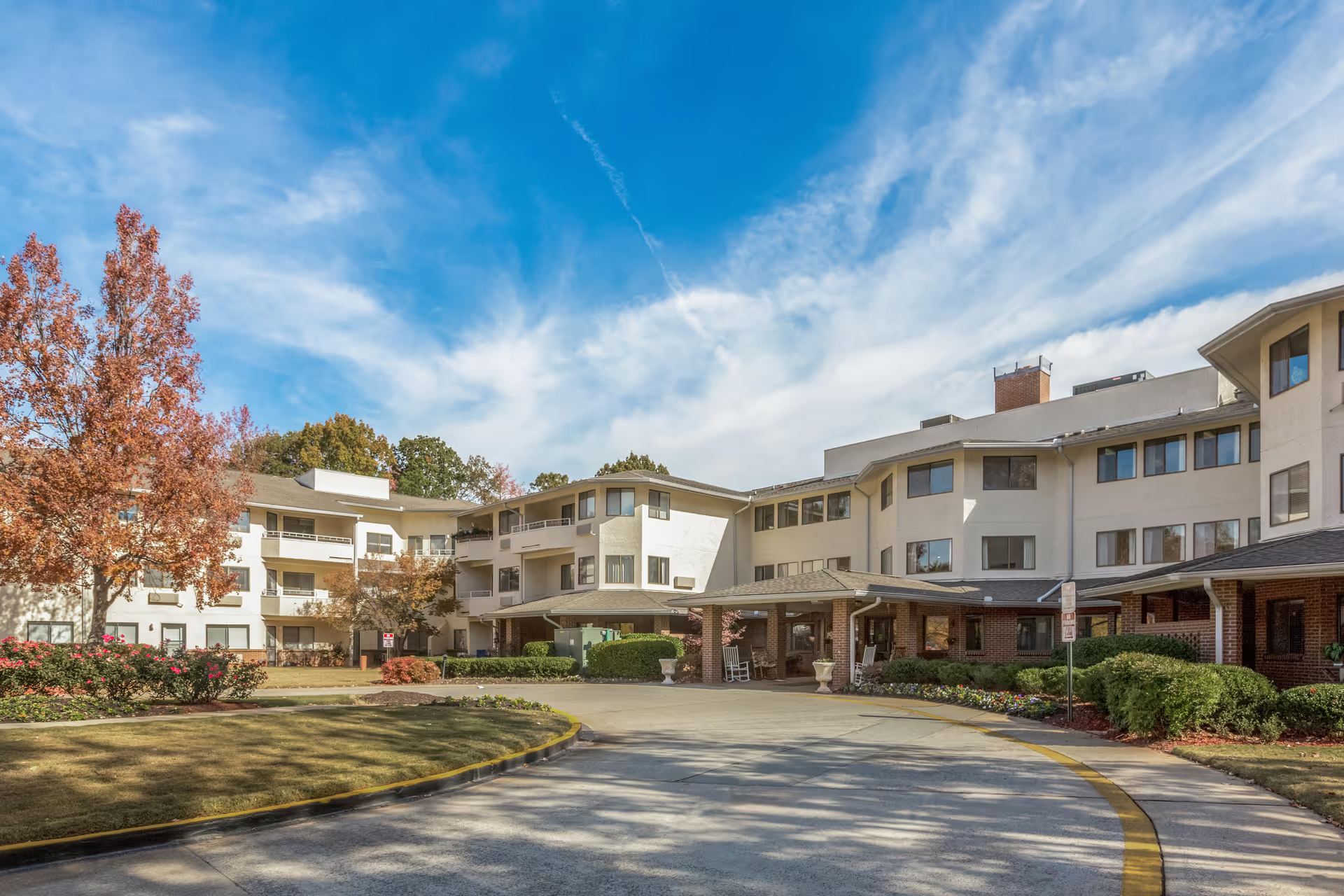
Feedback indicates that Heart to Heart Personal Care presents well on basic environmental measures. The facility is described as clean and well-kept, with a presentable appearance that may make a favorable first impression during tours. Comments about staff emphasize a professional and friendly demeanor, suggesting strength in day-to-day interactions between staff and visitors or prospective families.
Care quality and staff: Direct commentary about clinical care is limited in these summaries; however, the consistent mention of friendly, professional staff supports a generally positive impression of frontline caregiving and customer-facing operations. There are no detailed clinical concerns documented in the provided summaries, but the dataset is small and does not allow a firm conclusion about clinical performance or medication-management practices.
Dining: Dining is a notable area of concern. Review content specifically highlights a high frequency of fried items (for example, fries nearly every night), which points to limited menu variety and potential nutritional monotony. Management may need to review menu planning and dietary balance to provide more varied and nutritionally diverse offerings for residents.
Activities and social environment: There is little direct information about organized activities or programming. A clear theme in the feedback is the social climate among residents; descriptions characterize fellow residents as unfriendly, which suggests potential challenges with community cohesion or peer-to-peer interactions. This may affect how well a new resident integrates or enjoys communal spaces and activities. Programming that supports social engagement and conflict mediation could help address this operational trait.
Facilities and management: The physical environment and housekeeping practices appear to be strengths, indicating attention from management to cleanliness and presentation. At the same time, the operational areas that could benefit from management focus include dining variety and resident social dynamics. Those are actionable targets for quality improvement — for example, menu diversification, enhanced nutritional oversight, and facilitated social programming or resident-relations initiatives.
Notable patterns: The overall pattern is a facility that looks and feels well maintained and staffed by courteous personnel, yet exhibits weaknesses in resident social climate and menu variety. Prospective residents and families should consider visiting during a meal and observing communal interactions to assess fit, and should ask management about dining rotation, dietary accommodations, and social programming when evaluating the community.