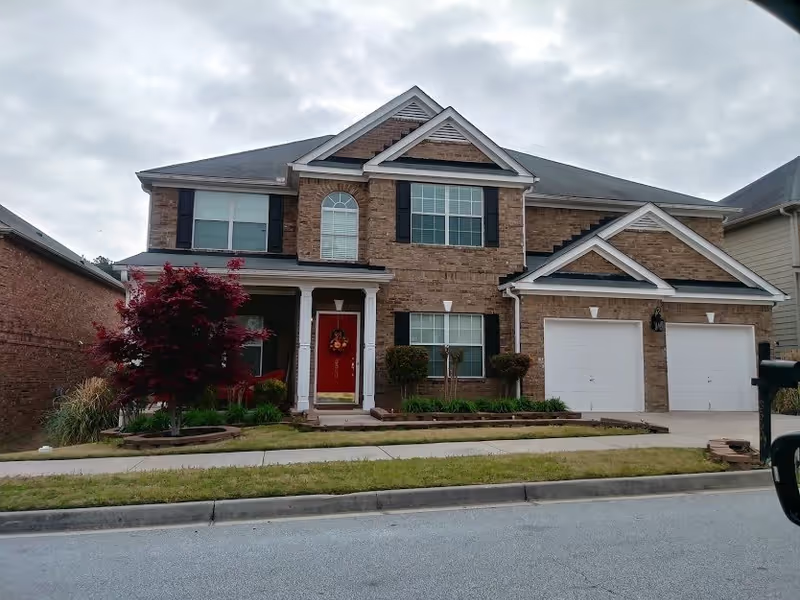
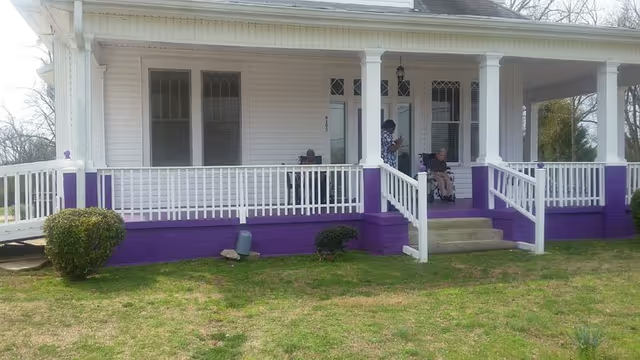
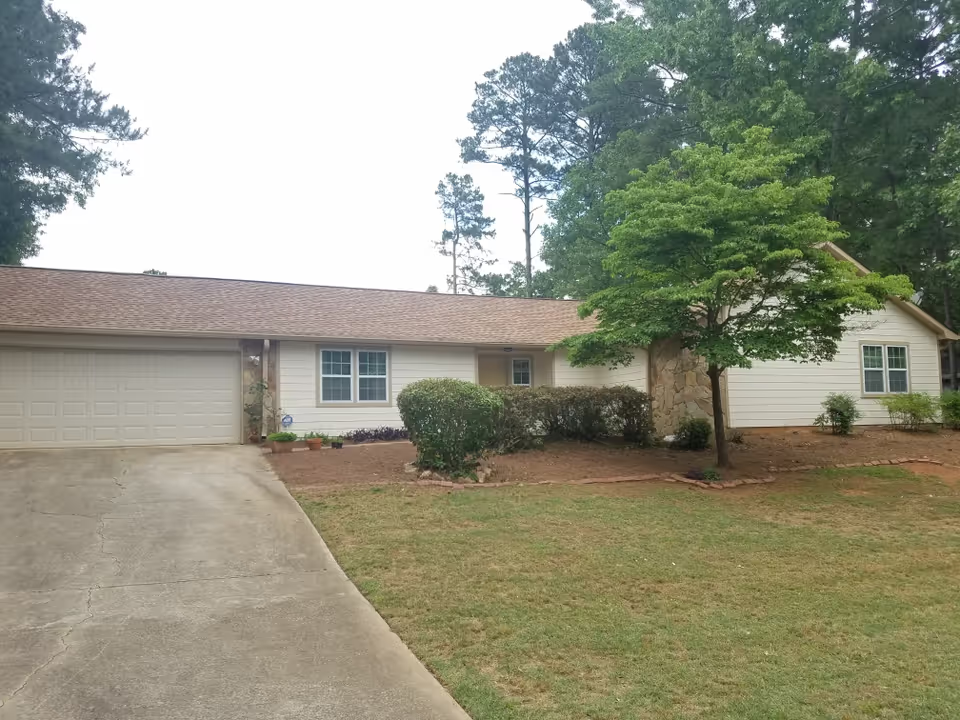
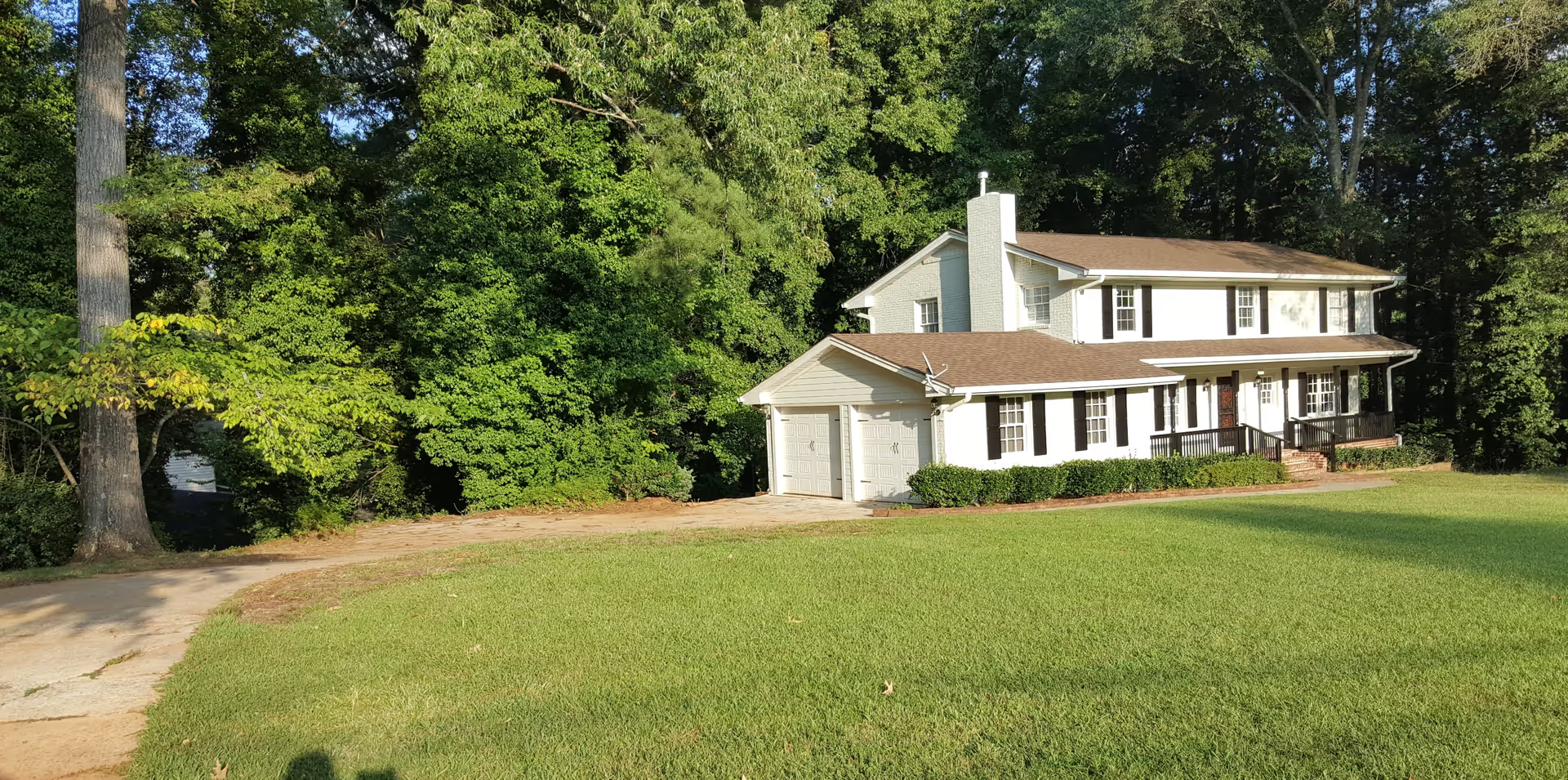
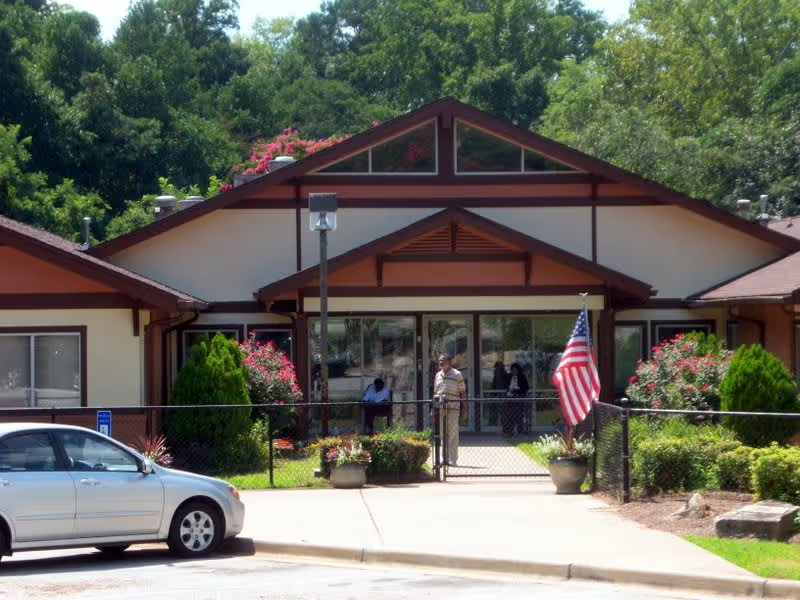
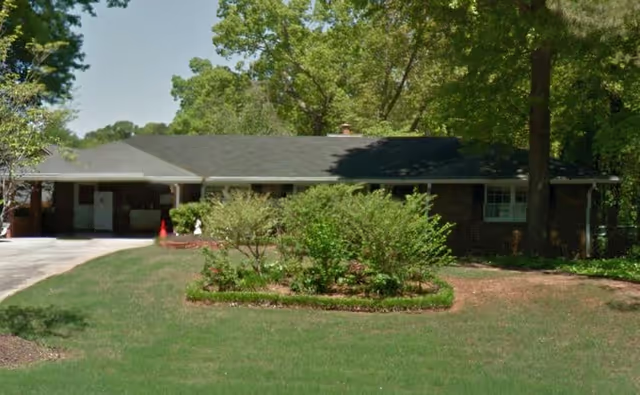
Transitional Care, LLC presents as a small, family-oriented residence (roughly 20 residents) that several families describe as clean, nurturing, and well suited to individuals who prefer a homelike setting. Reviewers consistently emphasize compassionate, attentive staff and high levels of resident and family satisfaction; multiple comments indicate that residents are happy and that staff interactions are respectful and supportive. The facility offers respite care (cited at $85/day) and provides three meals daily, which supports short-term stays and basic long-term needs.
Care quality and staff conduct are generally characterized positively. Many families described staff as kind, competent, and attentive; reviewers used language indicating respect and reliable day-to-day care. There are occasional operational concerns about responsiveness: a recurring theme involves after-hours communication difficulties and, in a few instances, delays in staff responsiveness. These suggest a gap in off-hours family communication and potentially inconsistent response times rather than a pervasive pattern of poor day-shift care.
Dining and activities are modestly described. The facility provides three meals each day and is portrayed as family-oriented and nurturing. Because of the facility’s small scale, reviewers did not describe an extensive formal activity program; prospective families should assess activity offerings and individualized engagement plans during a visit if programming is a priority.
Facilities and management show strengths and limitations. The interior is described as clean and welcoming, but reviewers note that renovations are incomplete, which may temporarily limit some amenities or create disruption. A notable facility-level characteristic is the absence of private en-suite bathrooms: resident rooms rely on shared hallway bathrooms. The site’s small size contributes to a homelike atmosphere but also constrains specialized services and program variety. Location details in reviews place the facility closer to Covington than Decatur, which may be relevant for family access.
Overall pattern: Transitional Care appears to be a strong option for families seeking a small, personal environment with hands-on staff and straightforward supports (meals, respite care). It may be less appropriate for individuals who require private in-room bathrooms, extensive activity programming, or consistently responsive after-hours communication. Prospective residents and families should visit to evaluate the current stage of renovations, clarify after-hours communication protocols, and confirm activity and clinical-service availability relative to their needs.