Reviews present a mixed but specific picture of care and operations. Positive comments emphasize respectful, attentive caregivers, a clean and well-maintained facility, and meals described as healthy and varied. Residents and families also noted onsite activities and regular transportation to a senior activity center, which reviewers saw as valuable for engagement. Several reviewers highlighted transparent pricing for private and semi-private rooms and an owner who interacts positively with families, contributing to a sense of value.
At the same time, there are substantive operational concerns that prospective families should evaluate. Some accounts point to gaps in resident supervision and elopement-prevention practices; these describe situations where oversight and monitoring did not function as expected. Relatedly, reviewers described inconsistent communication practices — particularly phone etiquette — and identified variability in staffing reliability and oversight. Together these items suggest potential weaknesses in day-to-day supervision, shift coverage, and staff communication standards.
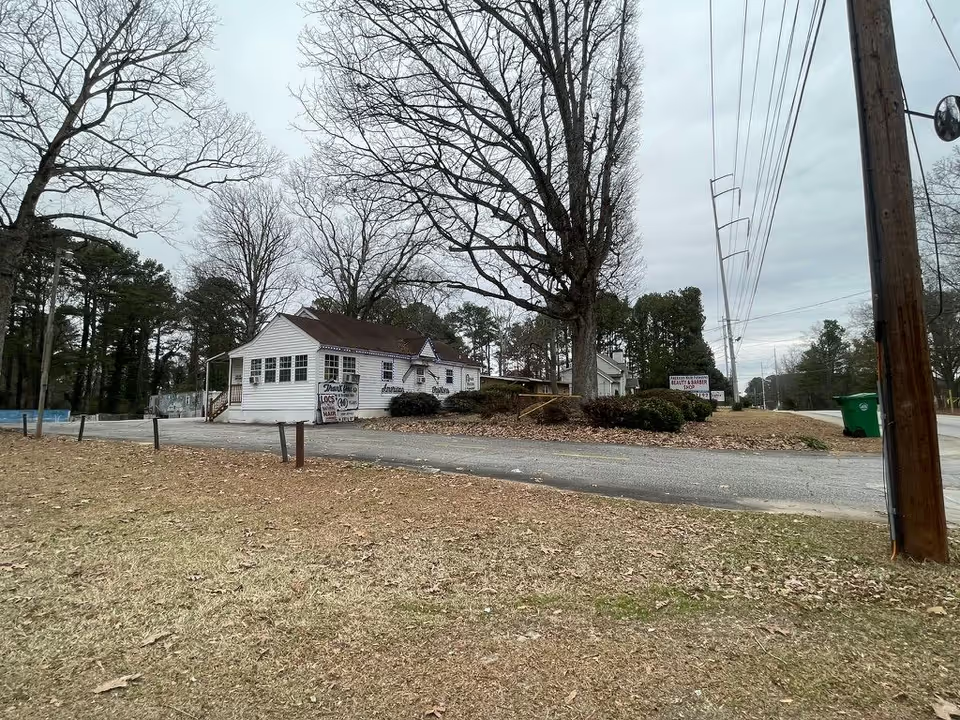
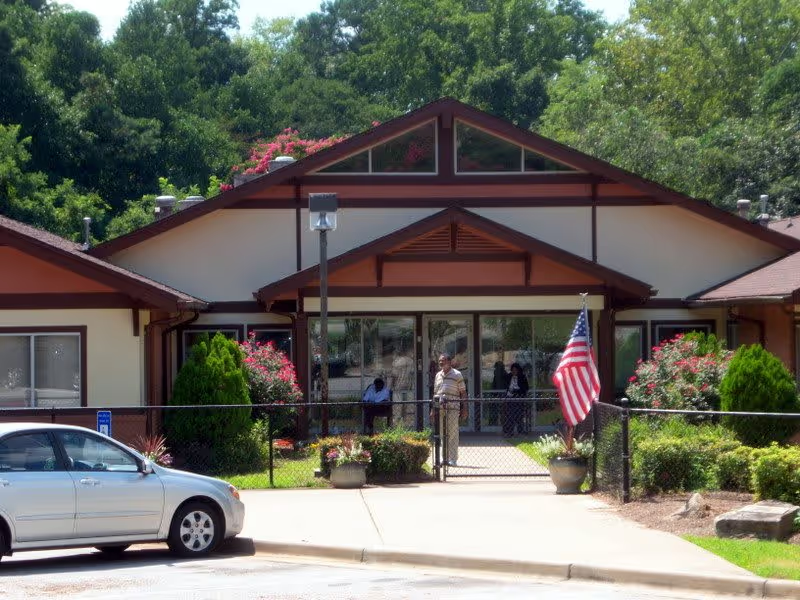
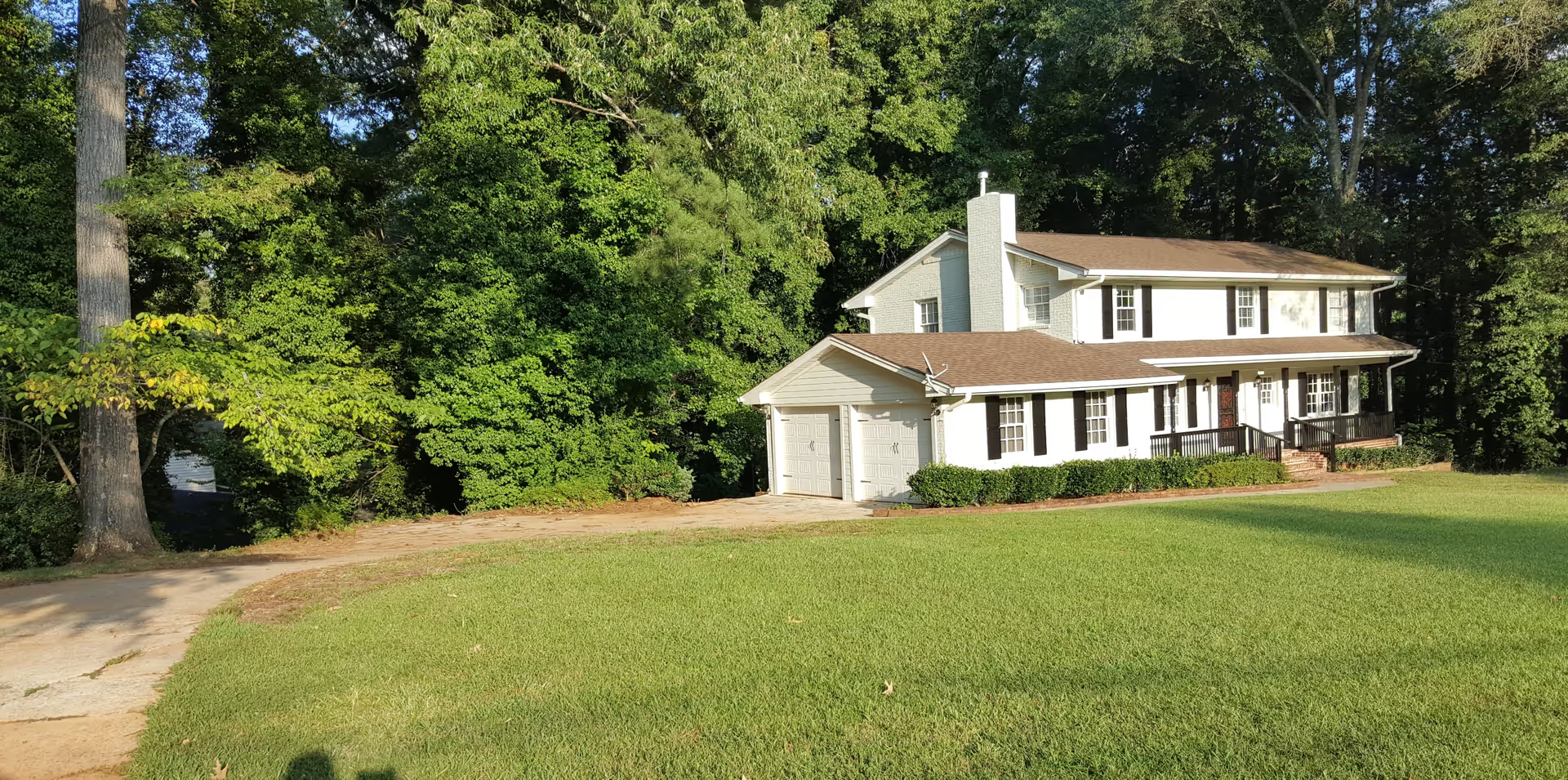
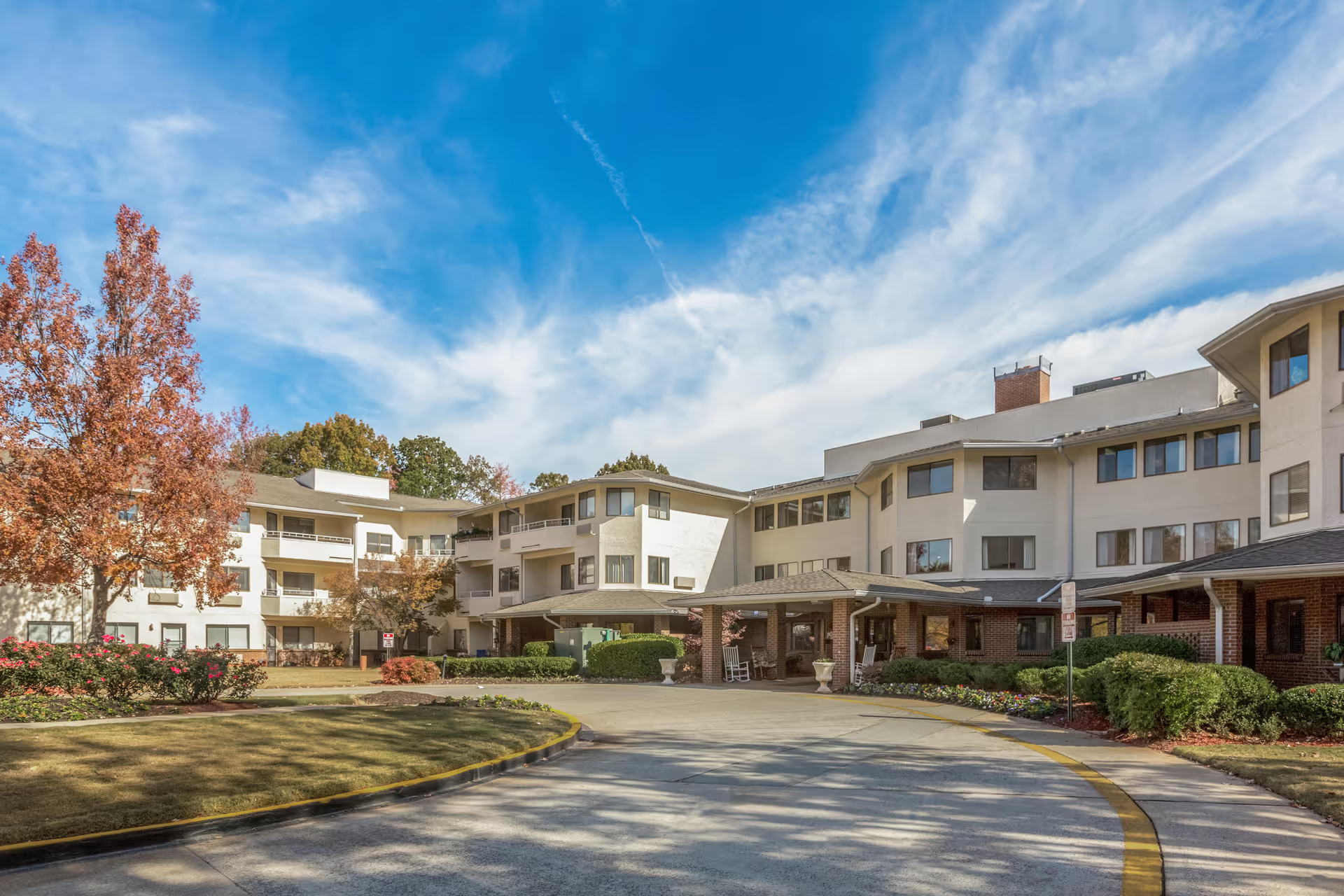
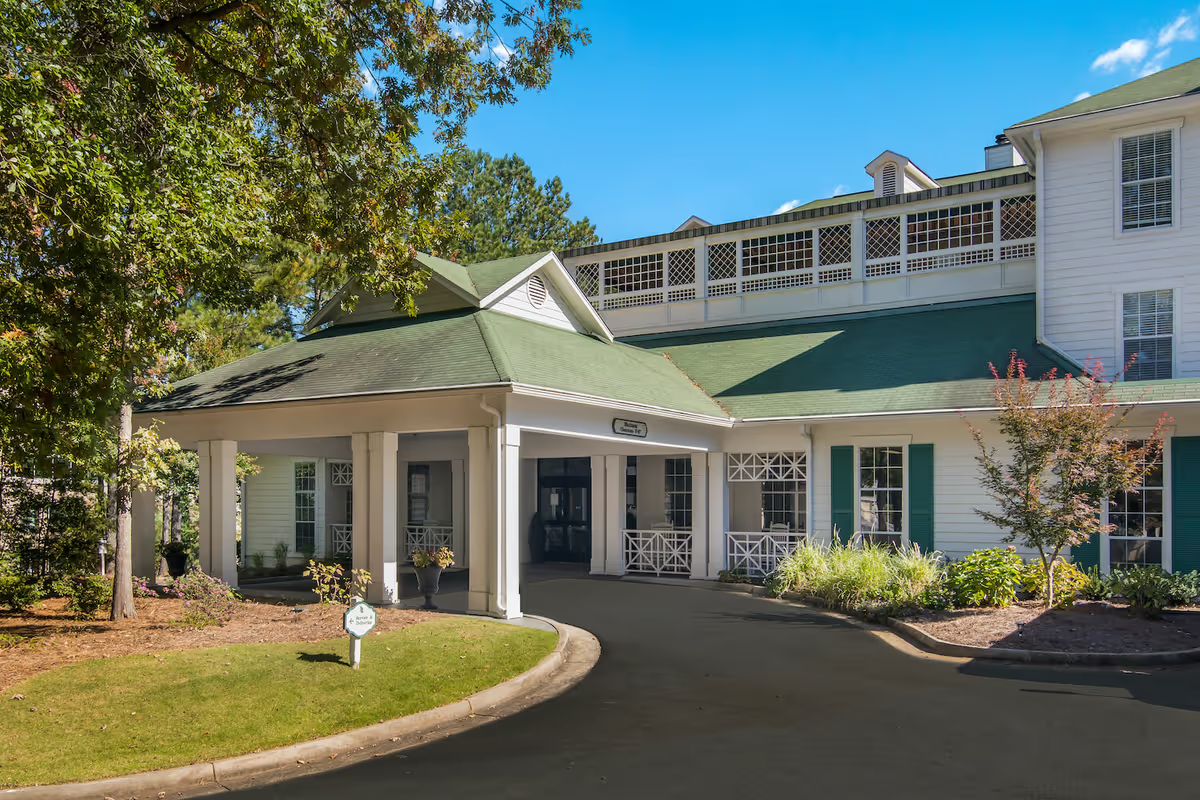
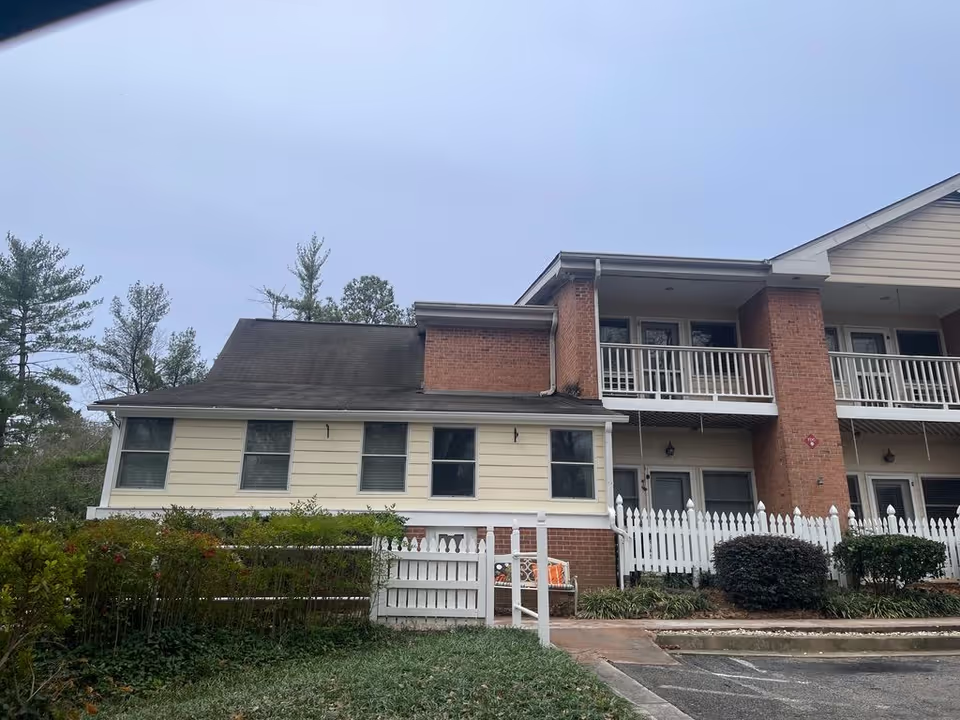
Facility features are generally praised for cleanliness and maintenance, and some units include accessible restroom and shower facilities. However, accessibility appears inconsistent: at least one reviewer found bathroom layouts too small for certain mobility devices. The facility’s atmosphere was described by some as more institutional than homelike, which may be relevant for families prioritizing a residential rather than clinical feel.
A small number of reviews raised very serious concerns, including concerns following a resident's death and allegations of severe misconduct. Those accounts focus attention on the facility’s incident-response protocols, family notification practices, and escalation procedures. Because these are serious individual claims, prospective families should request documentation of clinical-incident policies, elopement-prevention measures, staff training records, and recent inspection or licensing reports when evaluating the community.
In summary, strengths center on attentive caregiving, meal quality, activities, and an orderly facility presentation. Areas for further inquiry are supervision and oversight practices, consistent accessibility for residents with mobility needs, communications standards, and the facility’s policies for incident response and family notification. Prospective residents and their families would be wise to tour the home, review staffing ratios and training programs, verify accessibility in specific rooms, and ask for formal explanations of any significant incidents or regulatory findings before making placement decisions.