Overall impression is mixed: many families praise the direct-care teams and therapy program, while a separate set of concerns centers on environmental maintenance, personal-care consistency, and operational oversight. Positive comments emphasize caring, communicative nurses and aides, effective speech and physical therapy, and helpful discharge coordination from social work. Several reviewers also described accessible leadership and improvements under new administrative staff.
Care quality appears uneven. Strengths include attentive bedside care from many staff members and strong rehabilitation services that some families singled out as instrumental in progress. At the same time, there are recurring concerns about inconsistencies in personal-care routines and responsiveness — examples include missed or delayed assistance with bathing or clothing changes and delays in feeding support. These patterns suggest variability in frontline staffing practices and in adherence to individualized care plans for residents who require close assistance.
Dining and day-to-day operations show similar variability. Positive notes focus on friendly, welcoming staff and satisfactory therapy/activities interactions; negative observations include delayed meal-service and instances of unattended food trays, which point to gaps in meal delivery and feeding-assistance protocols. Activities beyond therapy are not widely described in the reviews, so prospective families should inquire directly about program schedules and engagement opportunities.
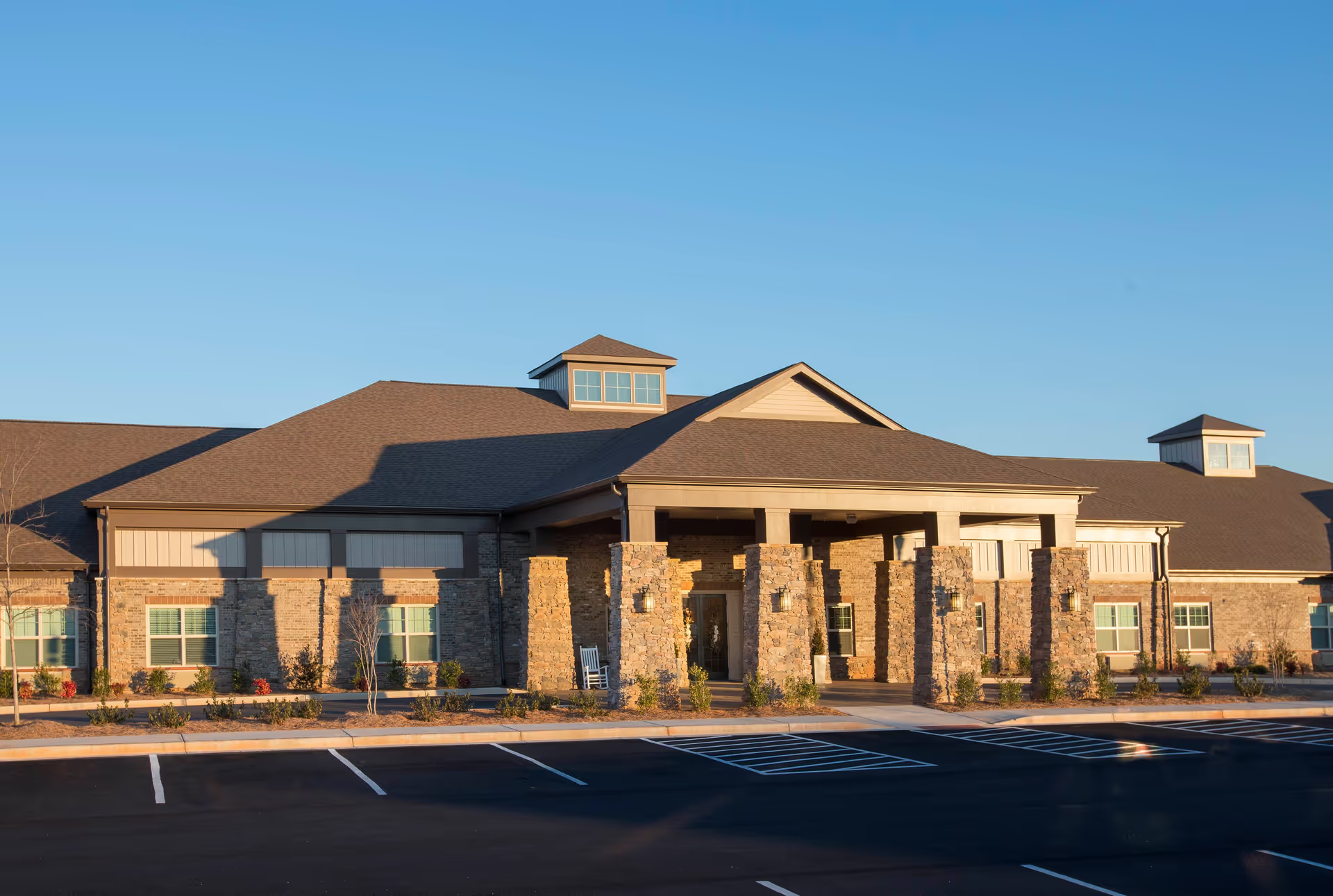
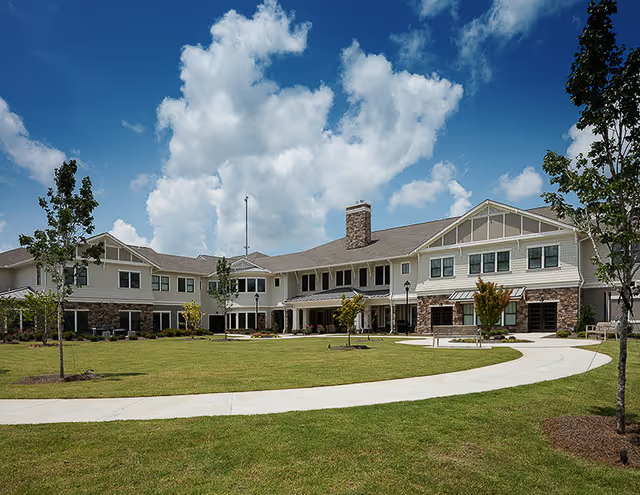
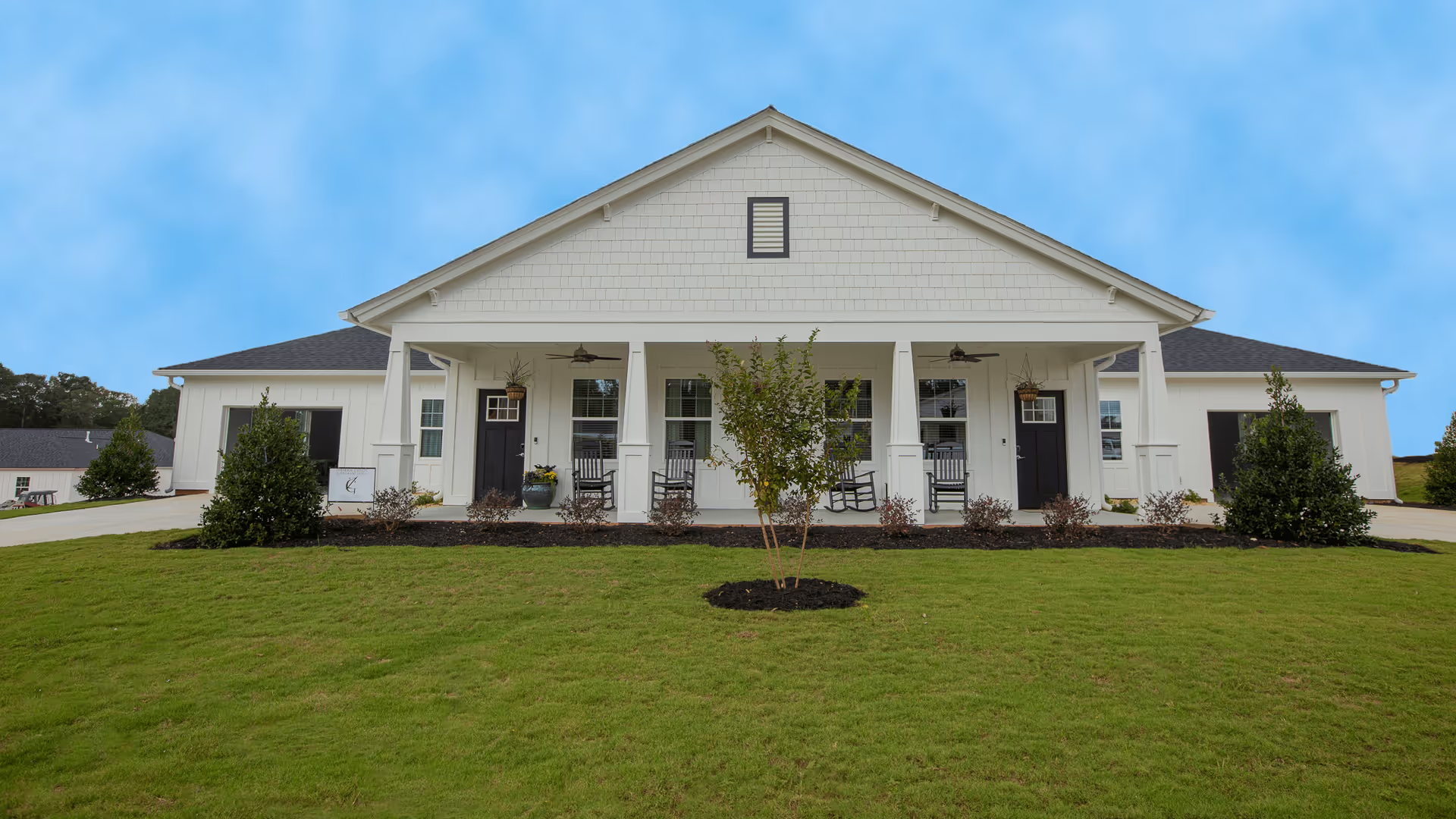
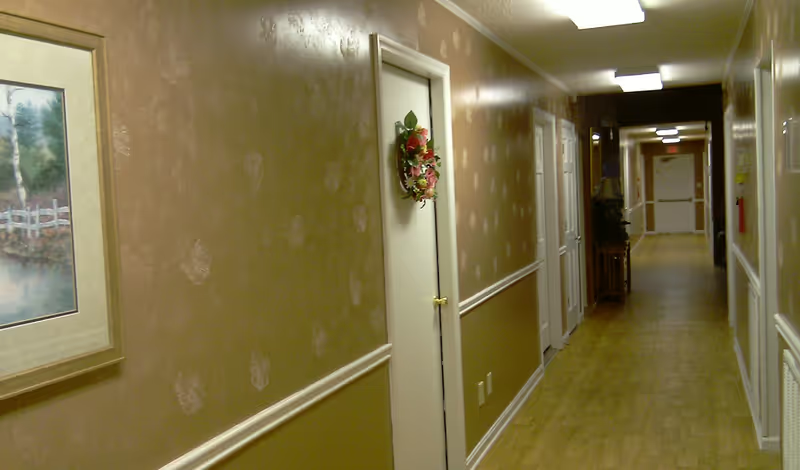
Facility condition and housekeeping are important areas of contrast. Several reviewers reported sanitation concerns, odor concerns in some areas, visible maintenance issues (water damage, dated furnishings, poor lighting), and pest-control concerns in resident rooms and common areas. Other reviewers described clean, comfortable spaces, indicating inconsistency between units or shifts. These comments together indicate aging infrastructure and uneven housekeeping standards rather than uniformly poor or uniformly excellent conditions.
Management and organizational patterns are mixed as well. Some families noted visible involvement from administration and a positive shift under new leadership and nursing directors; others described unprofessional conduct or limited responsiveness from management. There are also indications of staffing variability, including reliance on agency personnel — which some families found satisfactory while others perceived it as contributing to inconsistency in care. A few comments raise concerns about clinical follow-through for higher-risk residents, suggesting the facility may benefit from strengthened monitoring and care-continuity practices.
For prospective residents and families: arrange multiple visits at different times of day, inspect the specific room and nearby common areas, and ask facility leadership about housekeeping schedules, pest-control protocols, staffing ratios, meal-assistance procedures, and care-plan oversight for residents with complex needs. Also request information on therapy availability and discharge-support services; the facility’s social-work and therapy teams were a noted strength in several accounts. These steps will help verify whether the facility’s strengths align with an individual resident’s priorities and risk profile.