Reviews for Fairburn Health Care Center describe a facility with clear strengths in rehabilitation, therapy services, and pockets of compassionate caregiving, alongside persistent operational weaknesses that families should evaluate before placement.
Care and clinical services: Many families praised the facility's rehabilitation program — frequent therapy sessions (PT/OT/speech), measurable mobility gains, and hands-on therapists who facilitate timely discharges home. Several reviewers highlighted individual nurses, CNAs, and therapists as attentive, professional, and effective, and some noted strong wound-care when staffed appropriately. However, a recurring theme is variability in nursing coverage and responsiveness. Reviewers describe delays in attending to resident requests, medication-timing inconsistencies, and gaps in clinical-incident response and family communication. There are specific concerns about wound management and pressure-ulcer follow-up; these raise questions about consistency of routine clinical monitoring and escalation practices.
Staff and management: Under new ownership some reviewers observe visible improvements — friendlier administration, an open-door policy, an active resident council, and a responsive social worker. These changes appear to have improved admissions and family communication in many cases. At the same time, others report inconsistent staff training and oversight, variable leadership follow-through on grievances, and serious allegations including staff impairment and questions about certification. Those latter claims are significant and suggest families should request documentation on staff credentials, monitoring, and disciplinary procedures as part of their evaluation.
Dining and activities: The activities program is a commonly cited strength; reviewers mention a dedicated activity director and a range of social engagement options that contribute to a community feel. Meal service is regular, with daily meals and snacks, and some families found the food nutritious. Conversely, several reviewers noted inconsistent food quality, small portions, and dissatisfaction with specific meals. Prospective families may want to sample menus and ask about meal customization and special-diet handling.
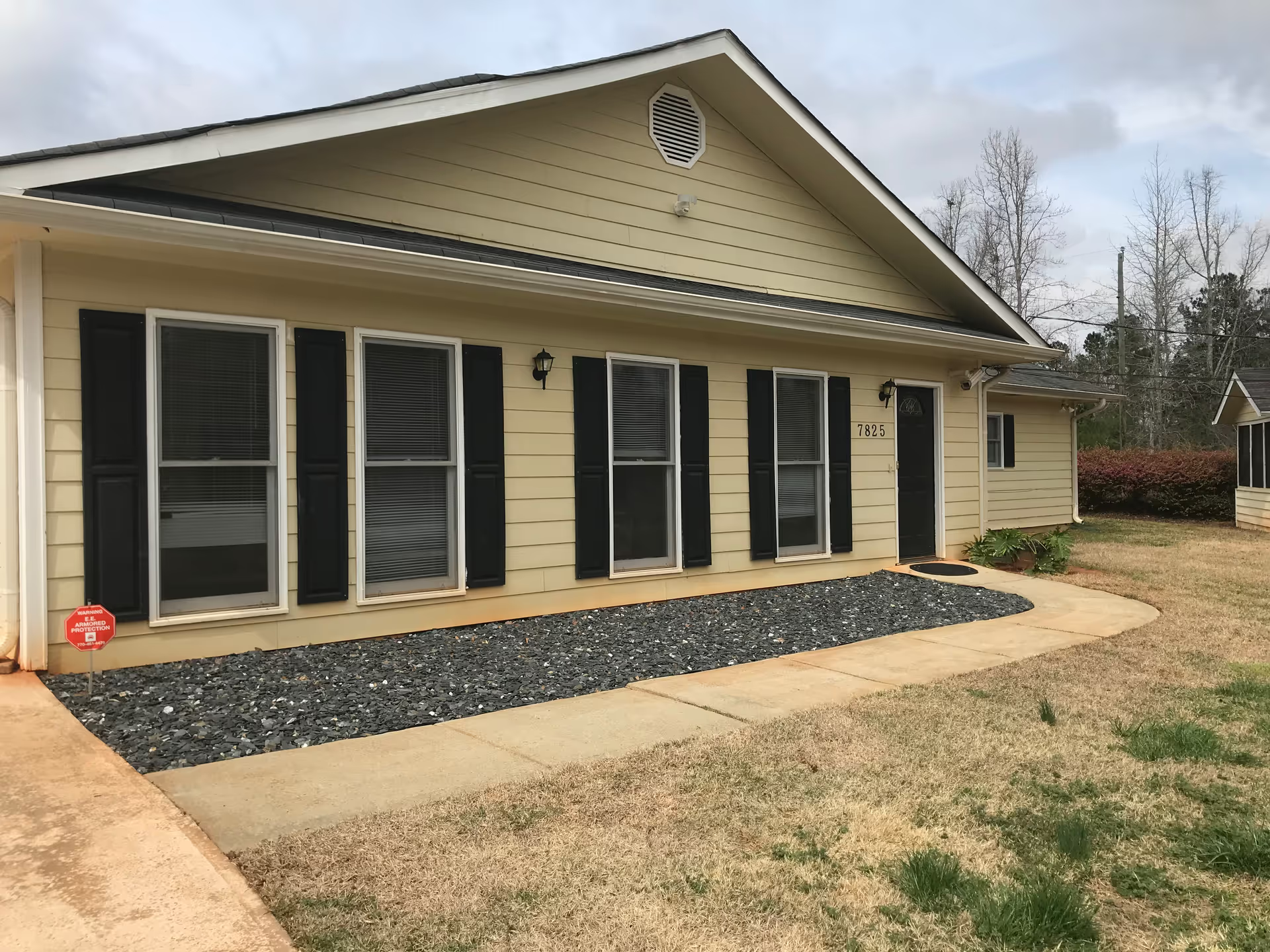
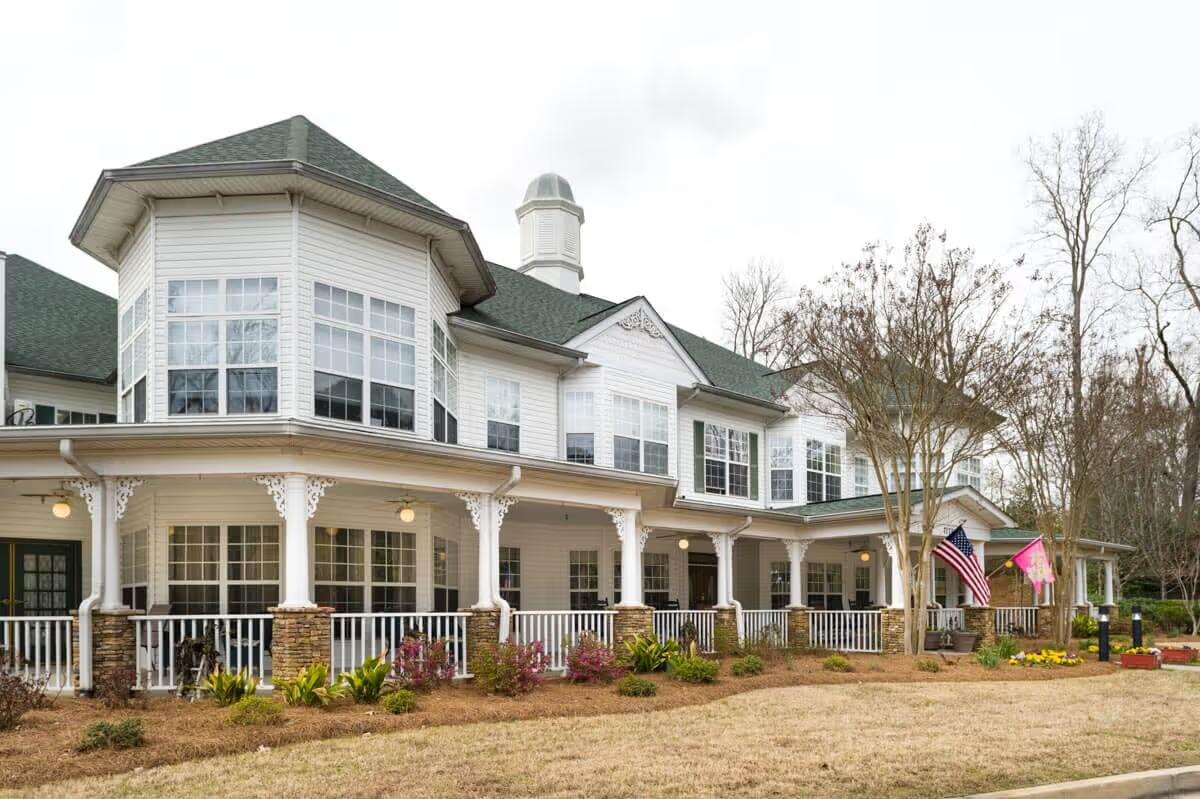
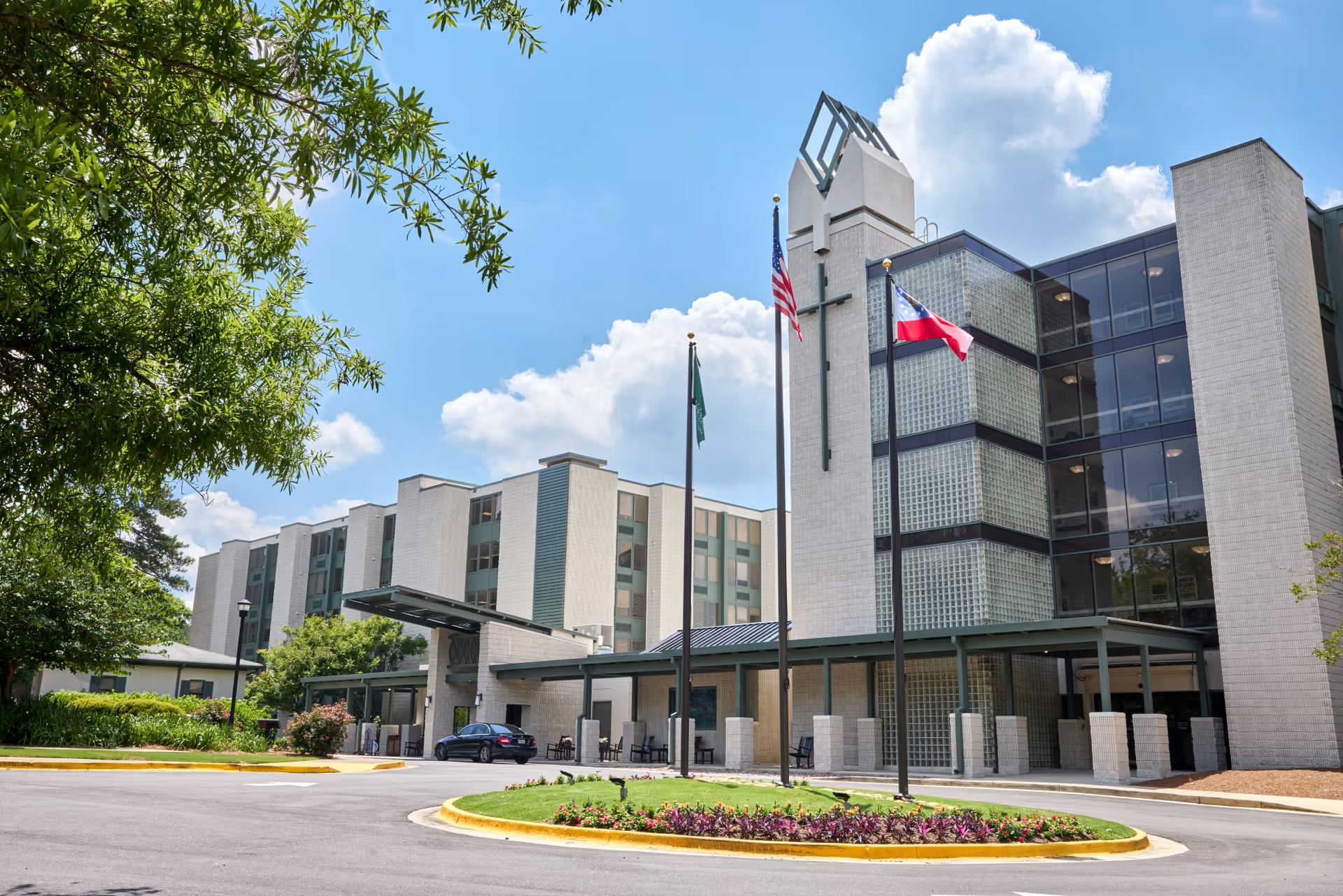
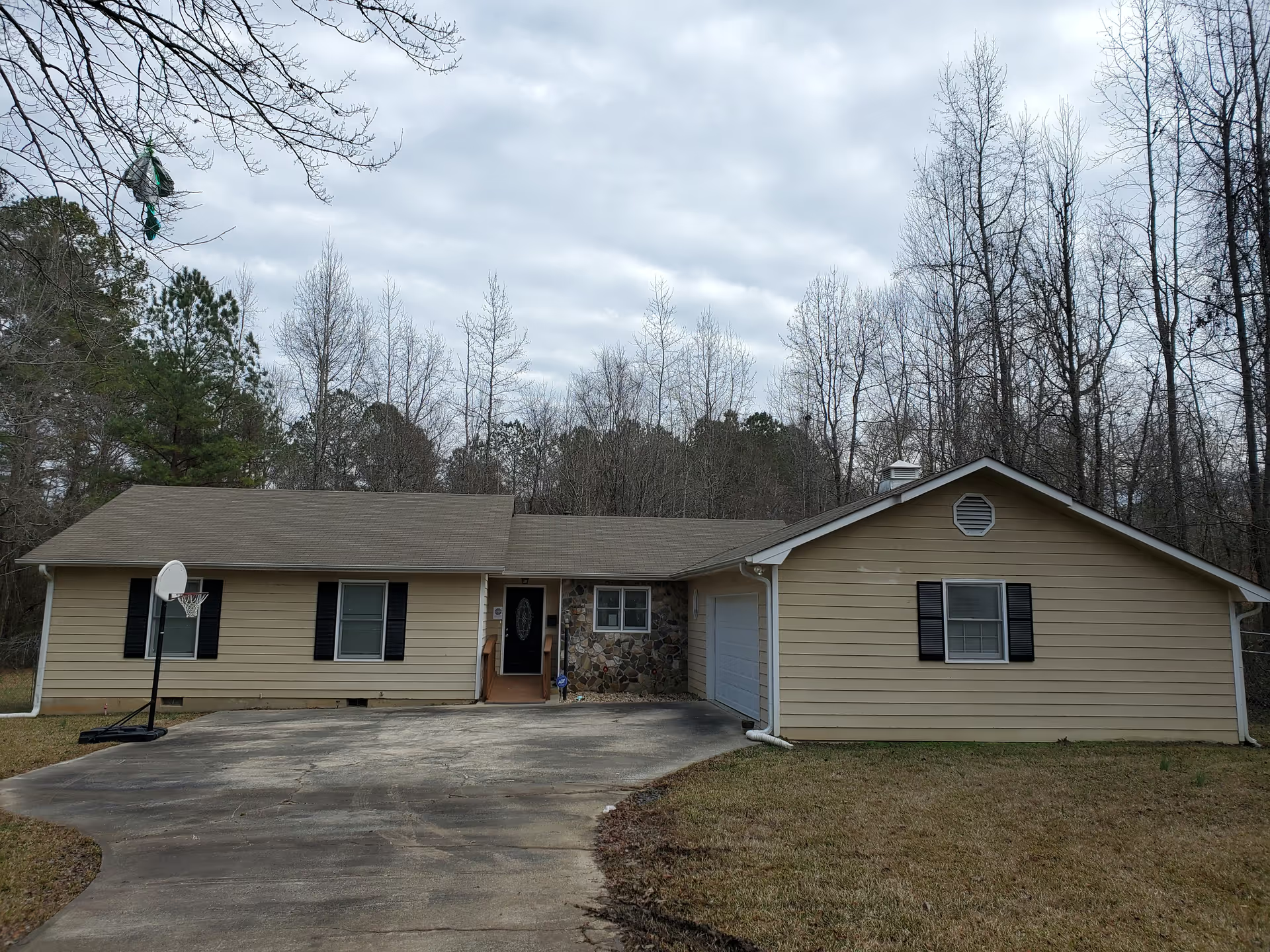
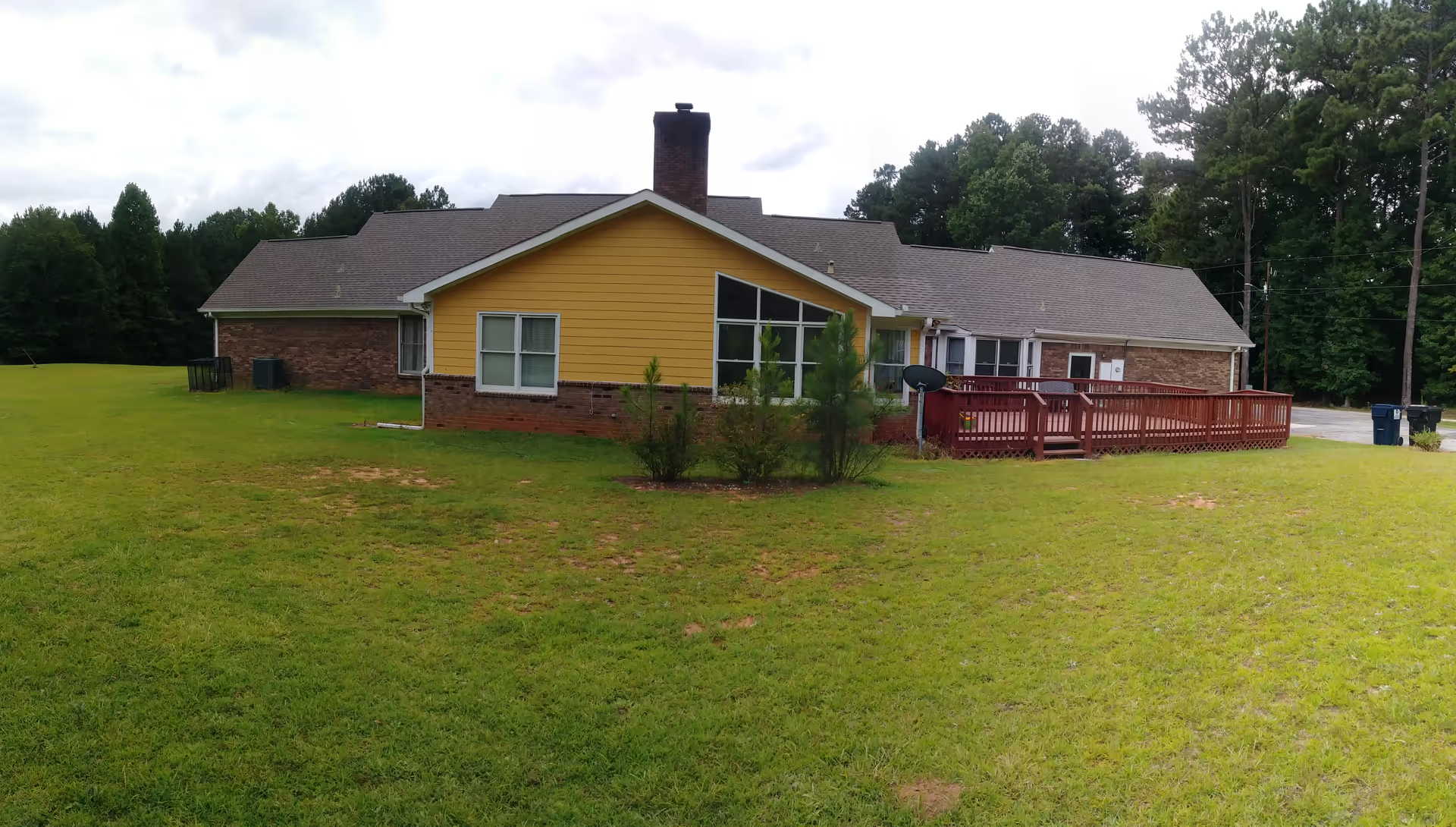
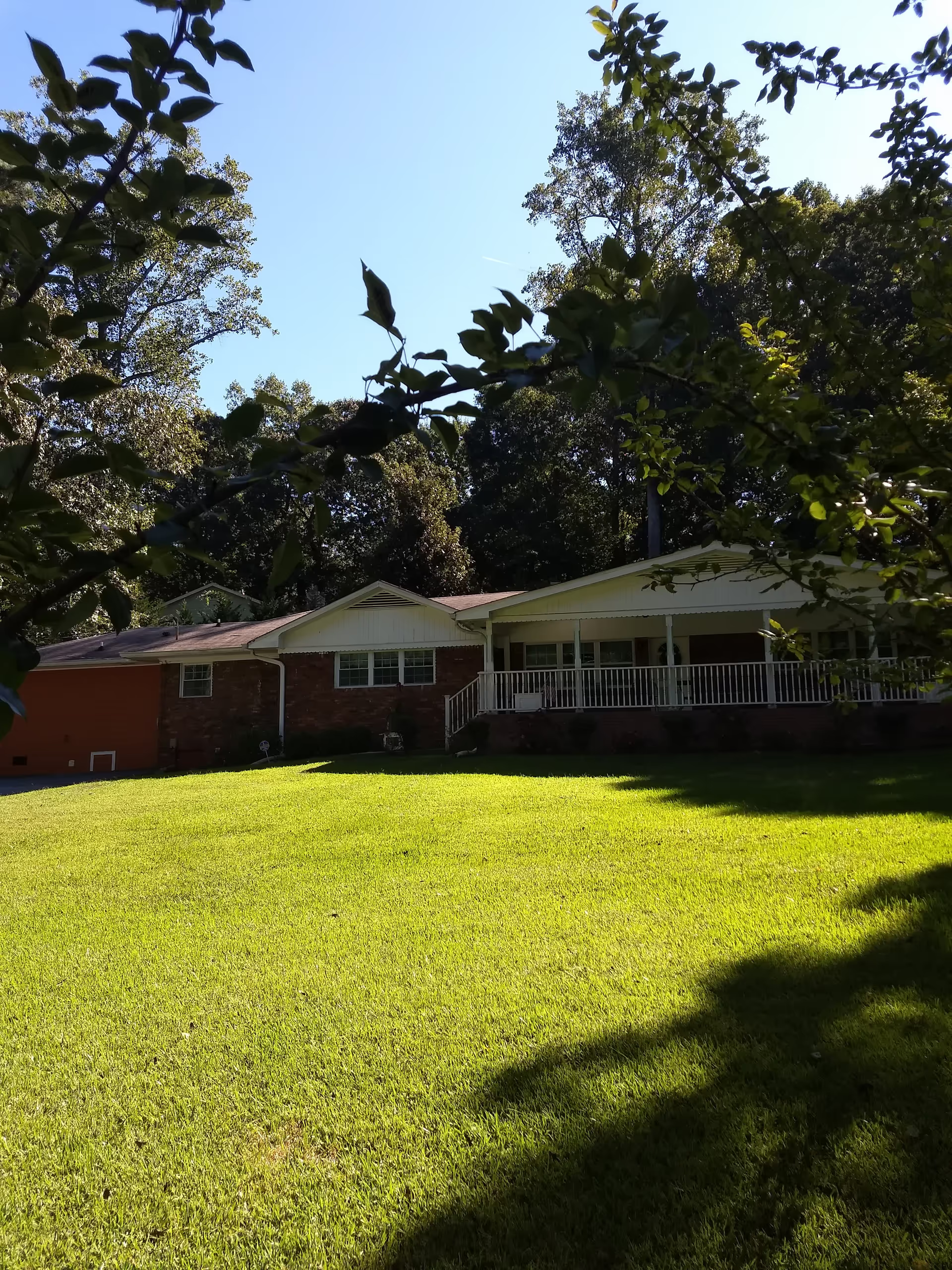
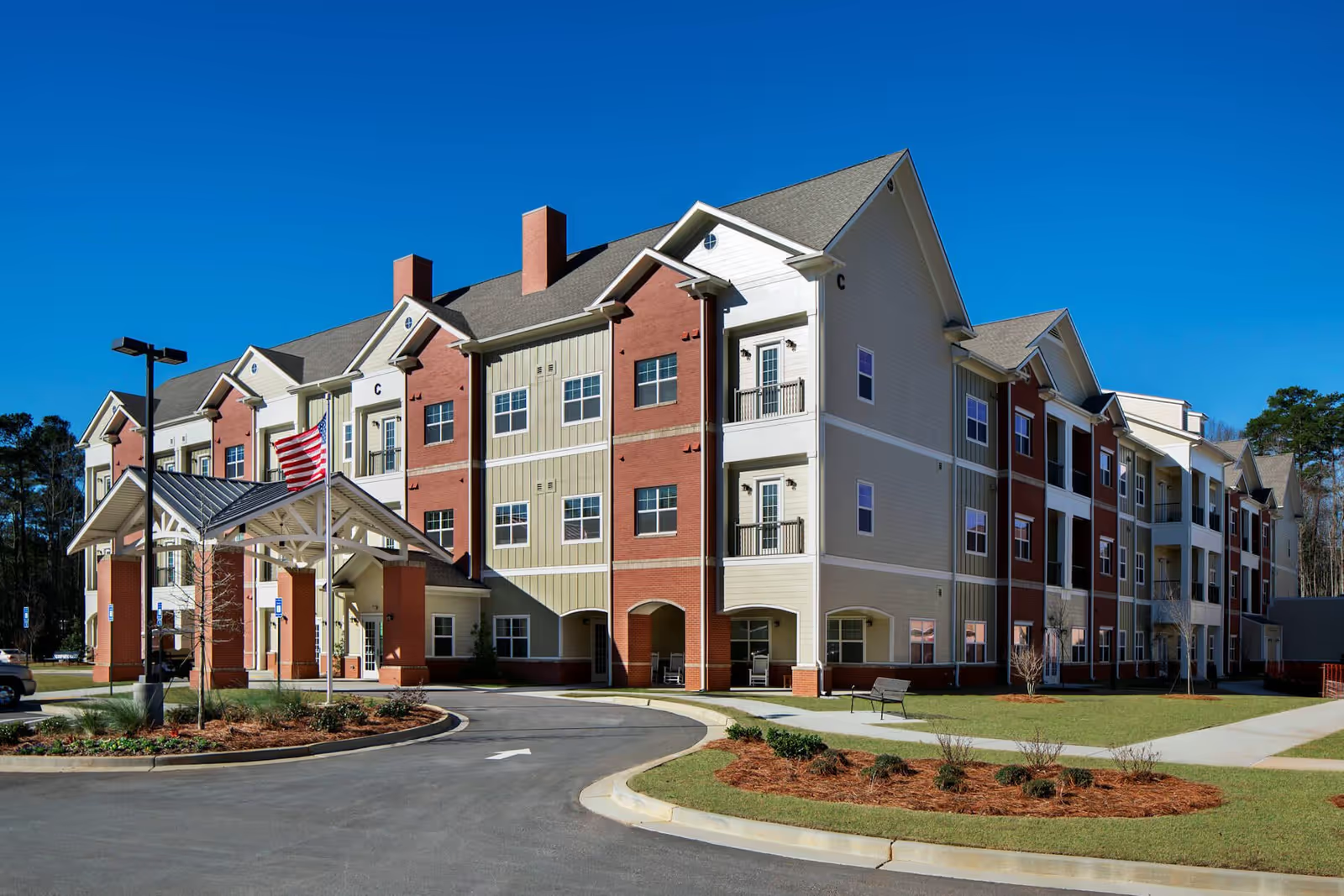
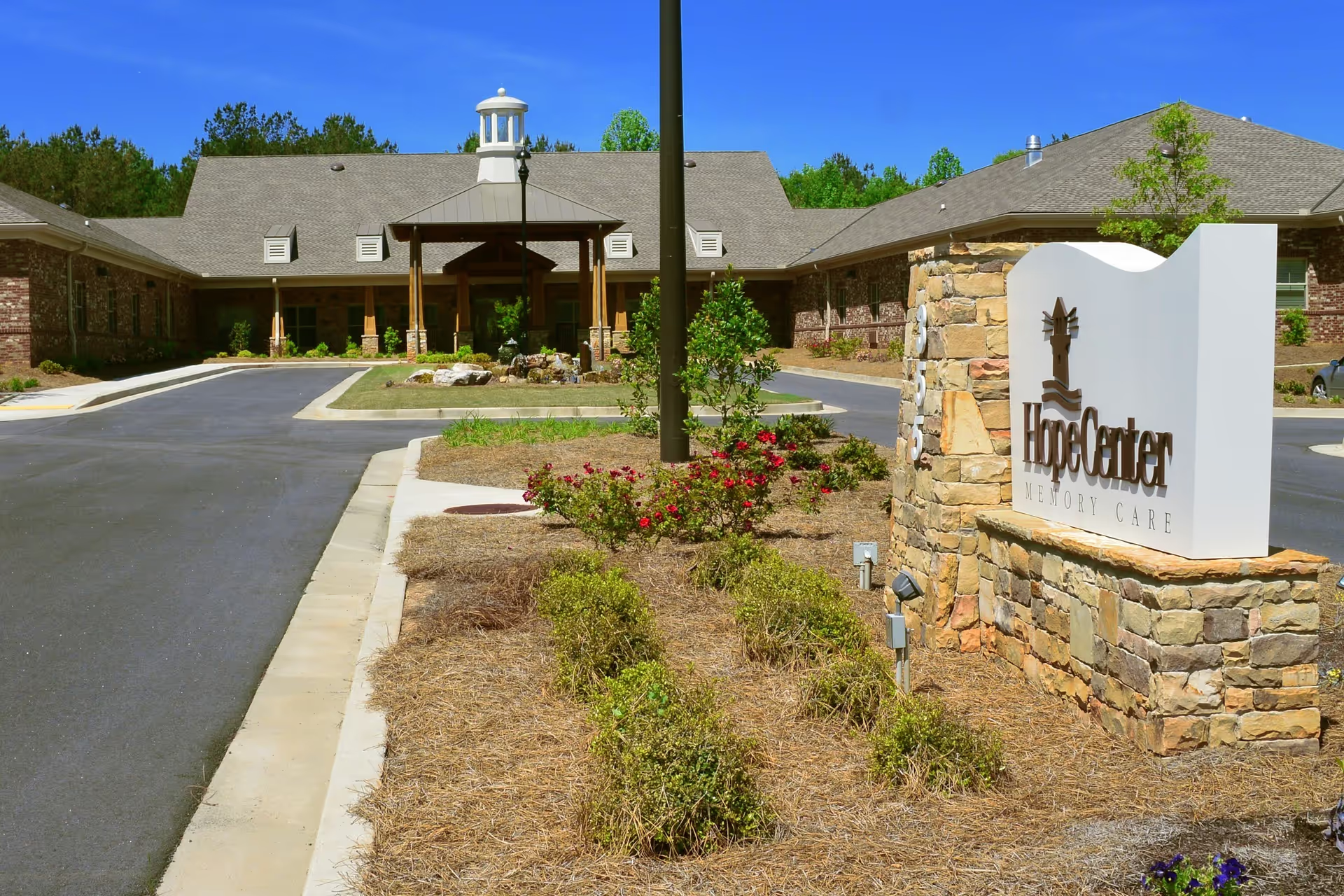
Facilities and environment: The physical plant is described as an older building that has undergone some refreshing — recent painting, clean common areas, and a pleasant covered patio and multipurpose dining area with a large screen TV. At the same time, there are recurring facility-level concerns: outdated flooring and other infrastructure in need of replacement, pest-control and sanitation concerns in some rooms, and intermittent odor/cleanliness issues. Property-control problems — missing clothing, personal items, and allegations of theft — were raised by multiple families and suggest the facility’s inventory and security processes merit direct inquiry.
Patterns and recommendations: Overall, the facility shows meaningful strengths in therapy, certain caregiving teams, and community engagement, particularly under recent management changes. However, variability is a strong pattern: staffing consistency, response times, clinical follow-up, property controls, and environmental maintenance fluctuate across shifts and units. Prospective residents and families should tour multiple units at different times of day, review staffing ratios and recent state inspection reports, ask for written policies on medication administration, wound care, pest control, visitation, and grievance resolution, and confirm therapy schedules and credential documentation. Doing so will help weigh the facility’s rehabilitation and community advantages against the operational risks noted in these reviews.