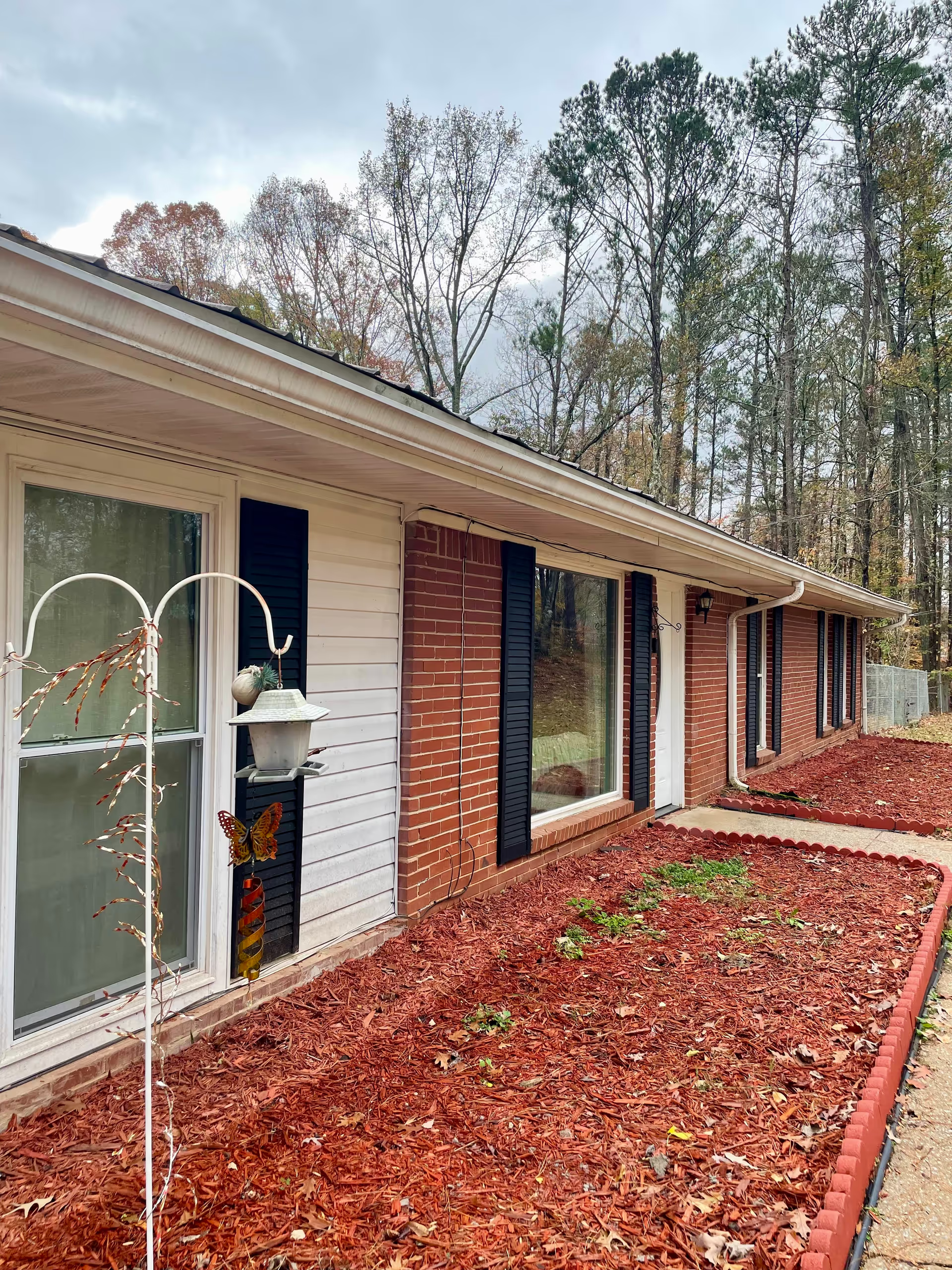
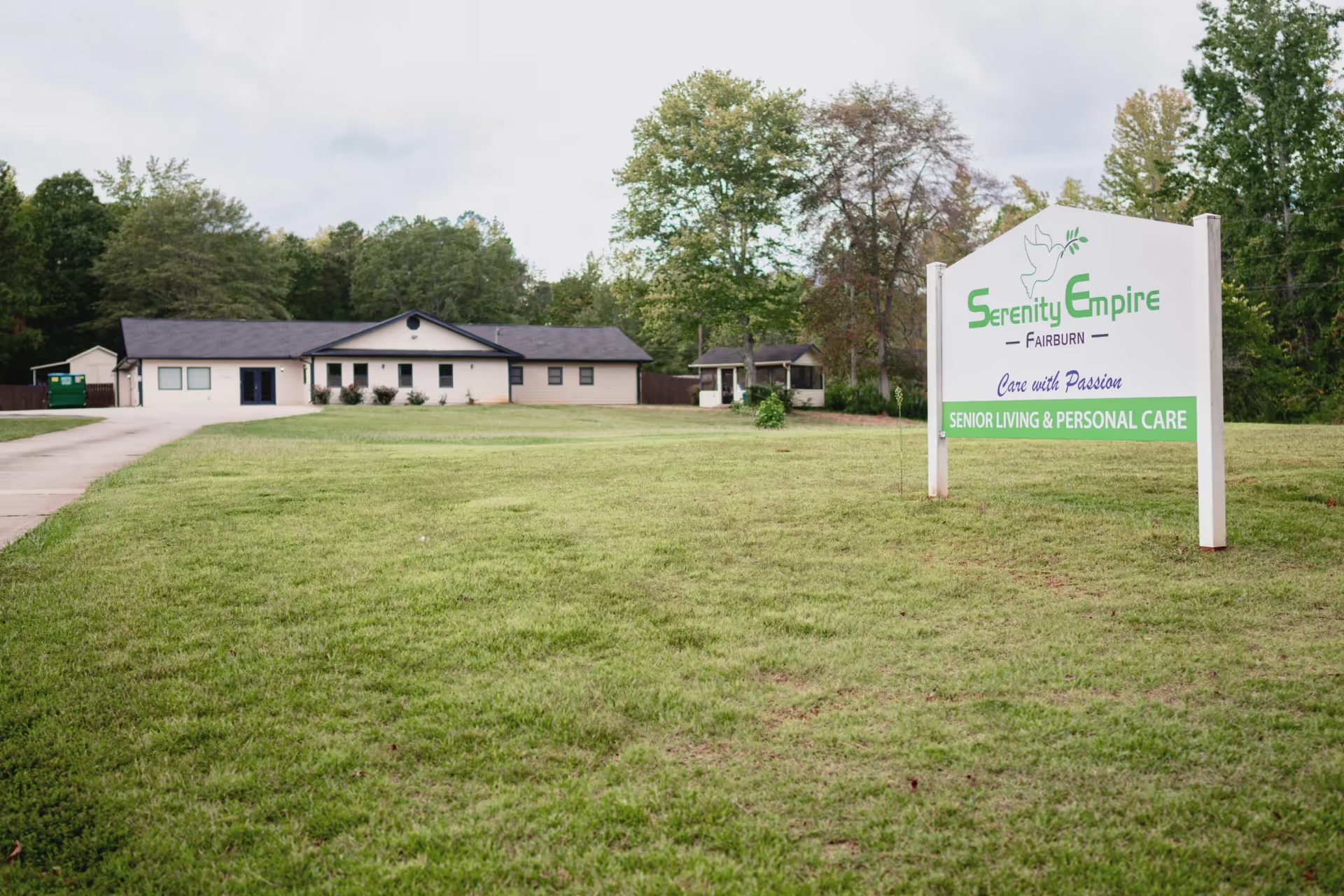
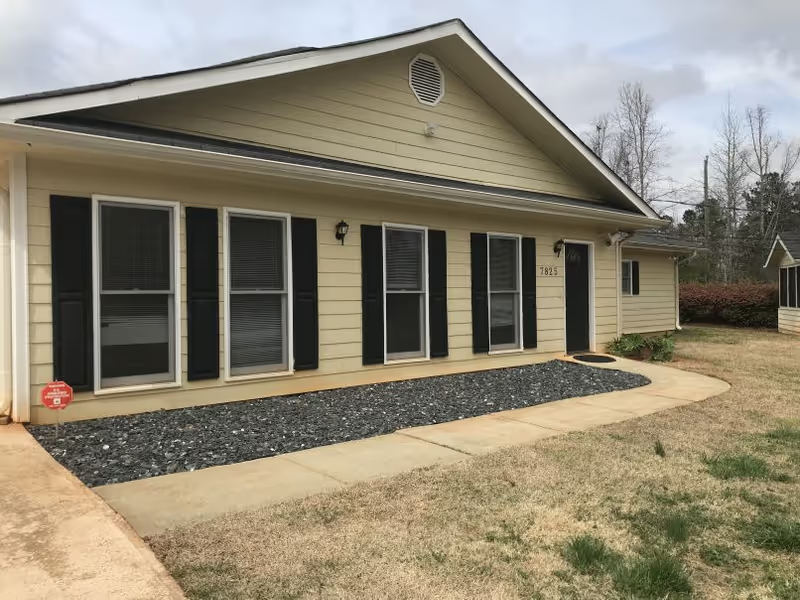
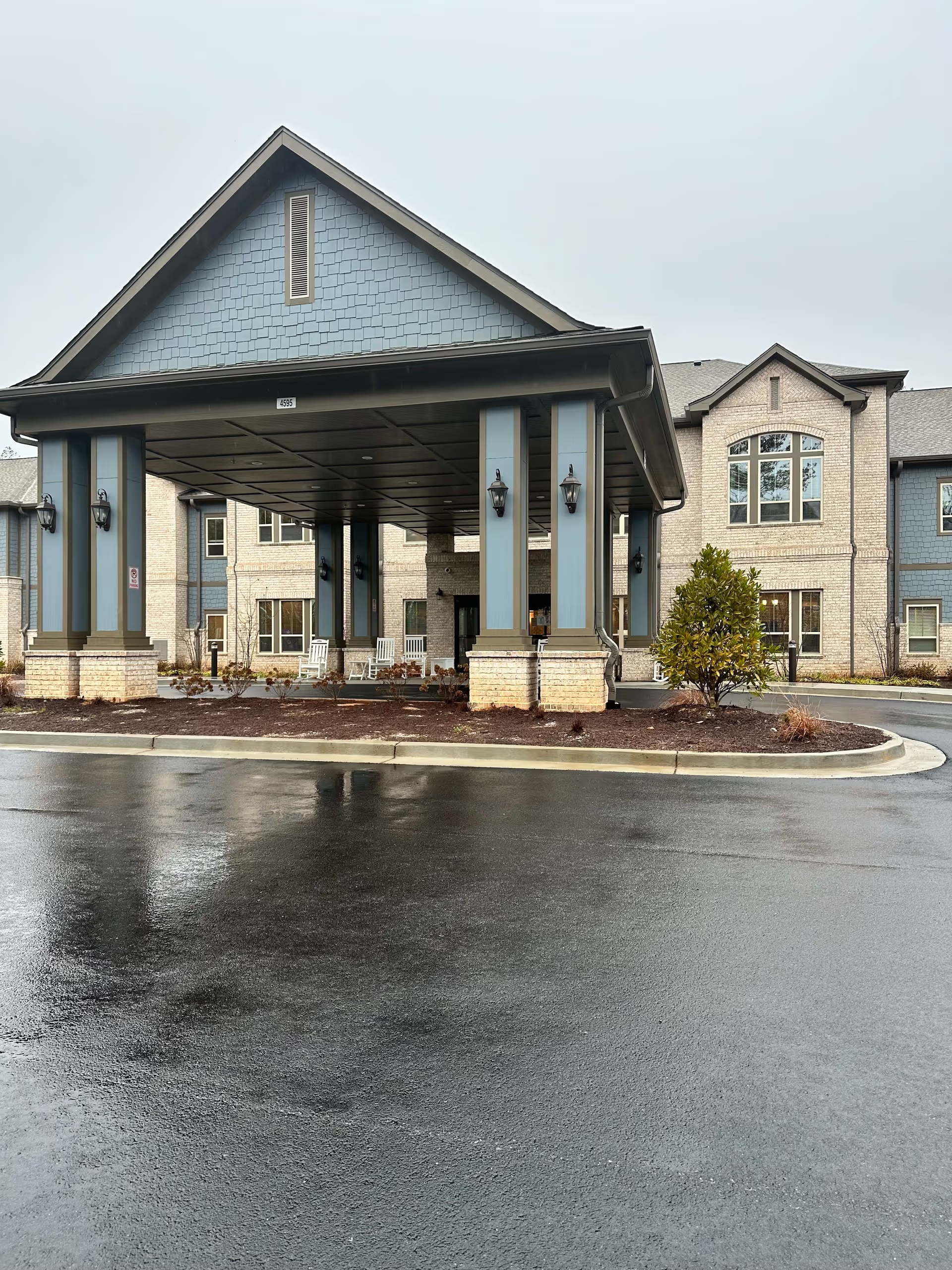
Peniston Personal Care Home presents as a very small, home-like personal care option with consistent praise for individualized attention and a familial atmosphere. The facility is described as clean and odor-free, with private rooms and a compact layout that supports close staff–resident relationships. Staffing is a recurring positive: reviewers highlight compassionate, professional caregivers, 24-hour coverage, and at least one caregiver with nursing credentials. Many families emphasize clear communication, video updates, and proactive care planning as strengths.
Care quality is generally described as attentive and personalized. Medication administration is handled by staff, which some families view as a safety feature; staff also monitor nutrition and prepare diabetic-friendly meals. Daily walks, an exercise schedule, and small-group activities such as checkers, memory games, reading and coloring are regularly noted, contributing to residents’ mental stimulation and companionship. The on-site services (cooking, laundry, and housekeeping) and accessible outdoor spaces such as a backyard and wraparound porch further reinforce the home-like character.
At the same time, there are operational patterns prospective families should evaluate. A few accounts raise concerns about meal sufficiency and consistency; while many families describe meals as delicious, others experienced feelings of hunger or inconsistent portioning. Communication tone and certain staff interactions are cited as occasional issues, so it is worth clarifying communication expectations and escalation pathways during admission. Several reviews indicate that the facility does not routinely coordinate off-site medical appointments, leaving families to manage external medical transport and scheduling.
More serious operational red flags noted in isolated accounts include vulnerabilities in financial controls and billing practices; there are allegations of credit-card misuse in some narratives. Prospective families should therefore request clear documentation of billing policies, financial safeguards, and written consent processes. Other practical constraints include a restrictive policy on resident self-administration of medications and limited off-site outings or transportation, which may affect residents who value frequent community engagement. The small capacity and compact interior also mean less open space for mobility compared with larger facilities—this is part of the trade-off for more intimate staffing.
Overall, Peniston appears well suited for families seeking a small, clean, and closely supervised residential setting with strong interpersonal caregiving and engaging daily routines. Families considering placement should conduct a focused tour: observe meal service and portioning, review medication and financial policies in writing, clarify how external medical appointments are handled, and assess whether the facility’s scale and outing practices match the resident’s mobility and social needs.