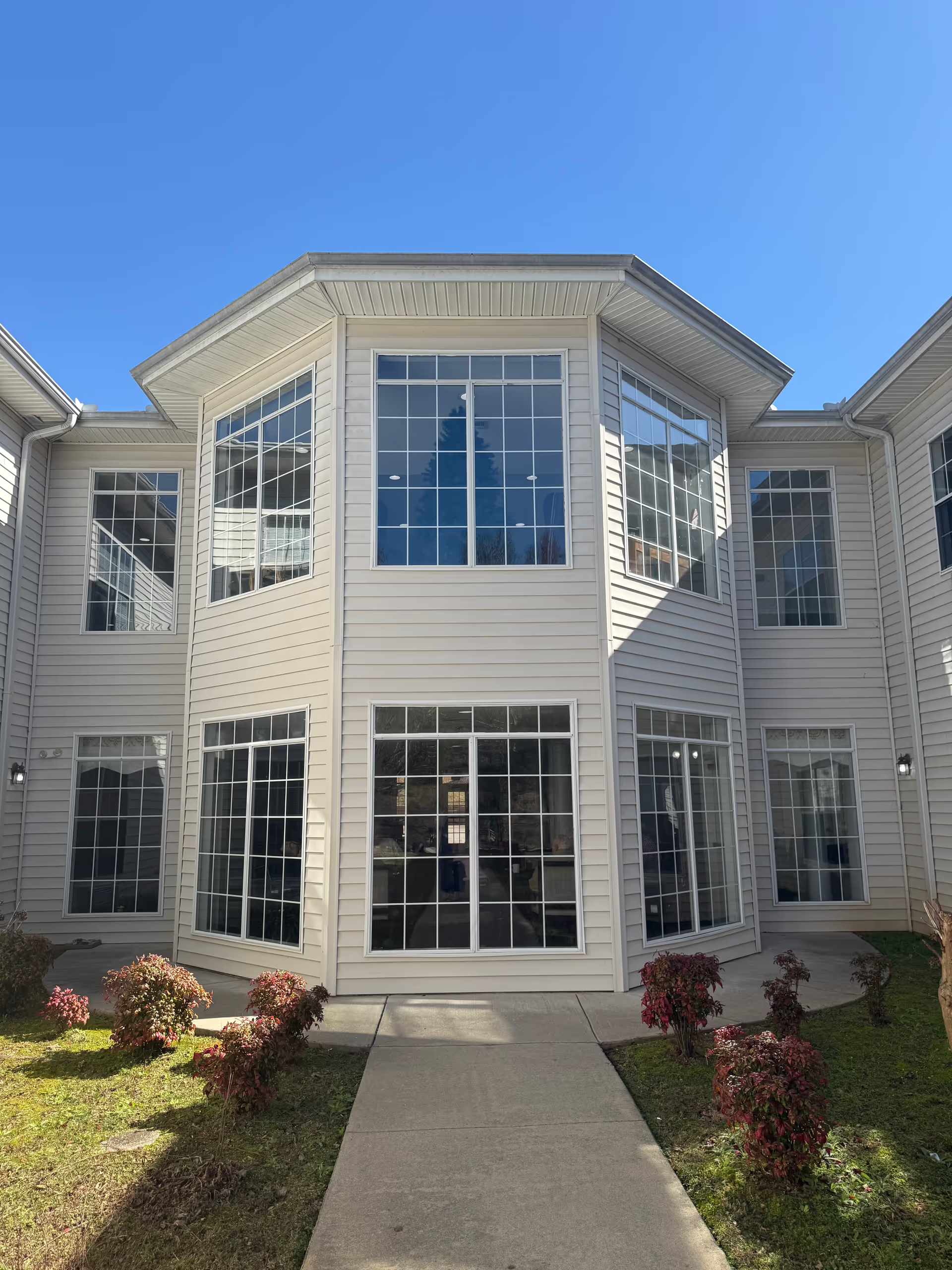
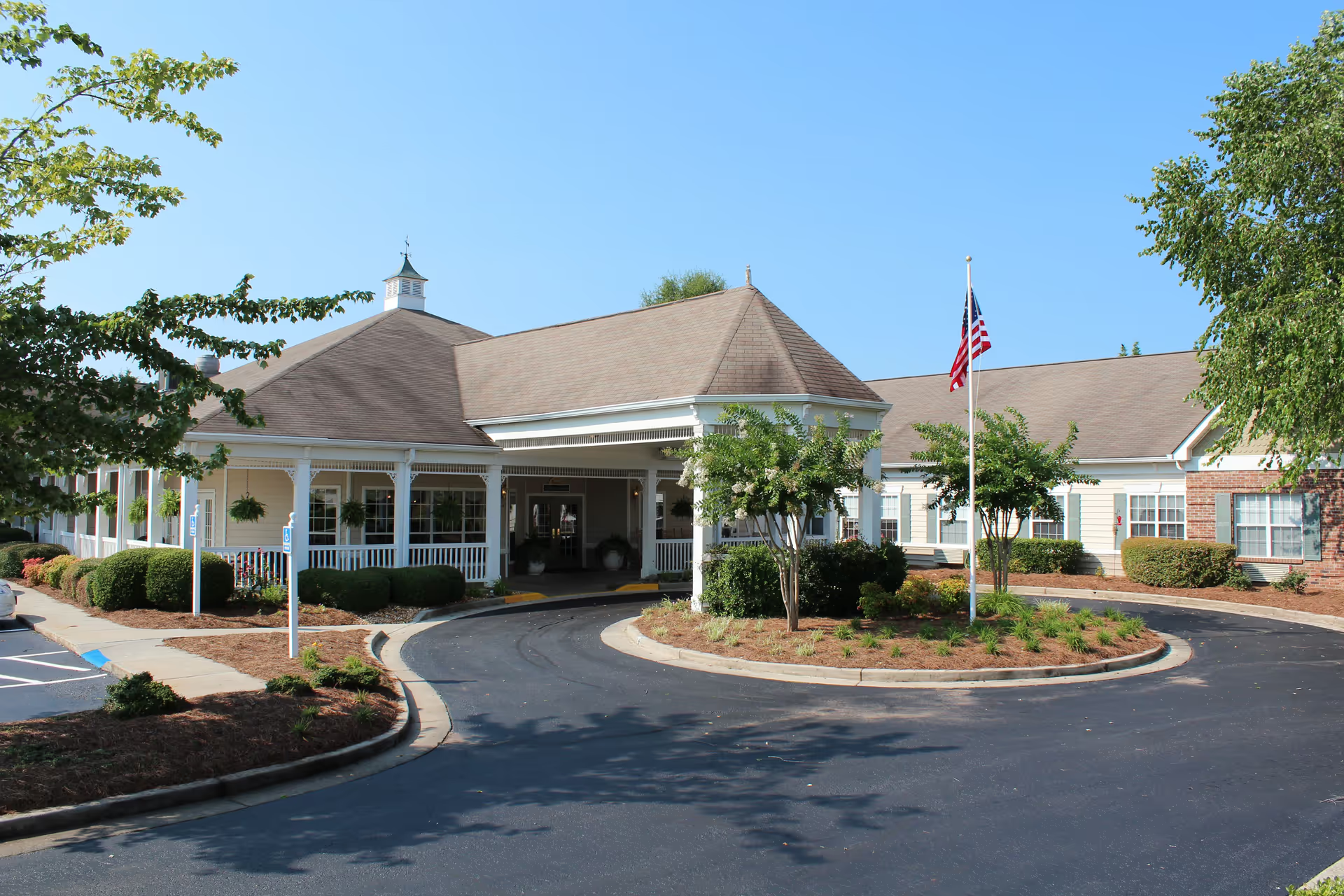
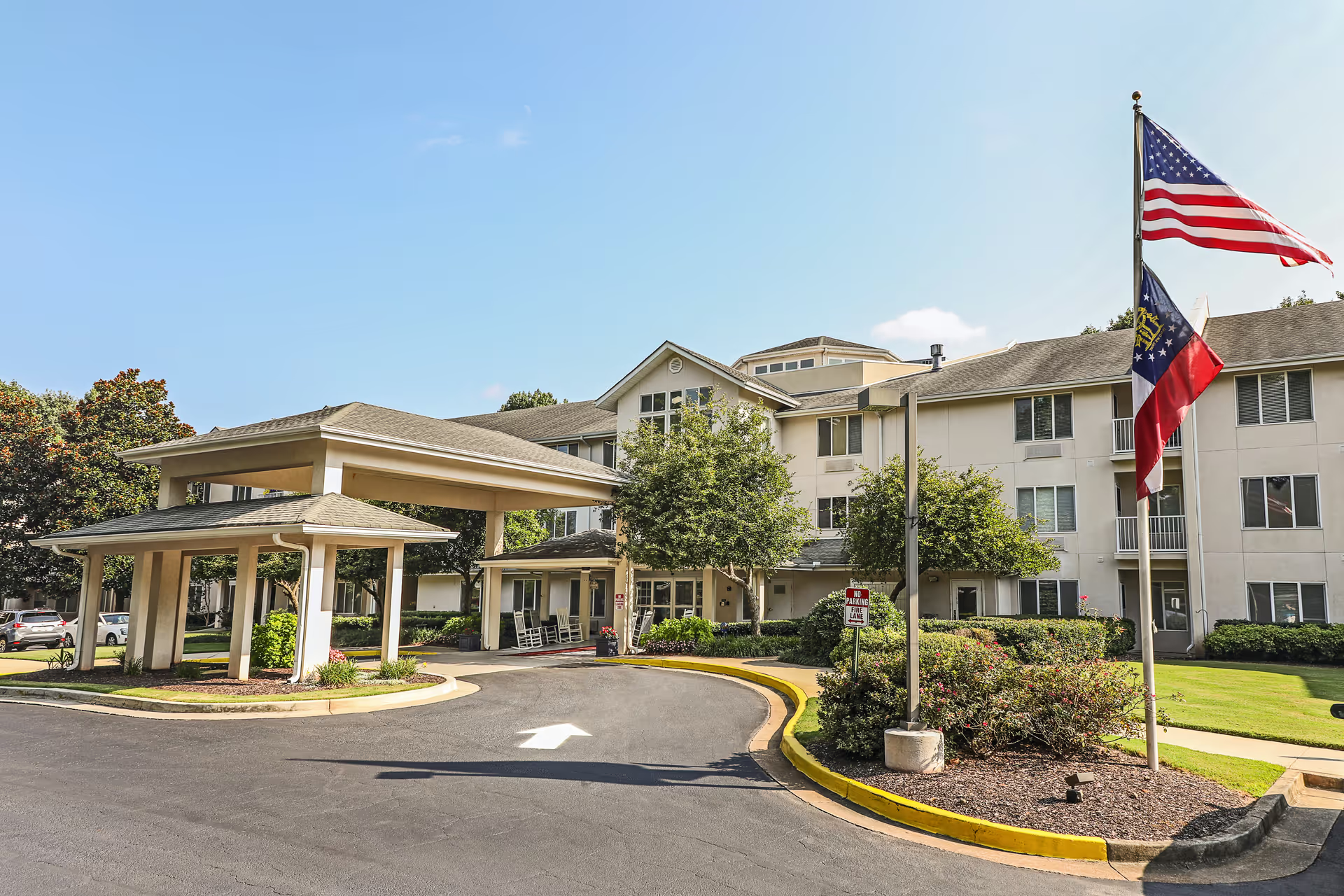
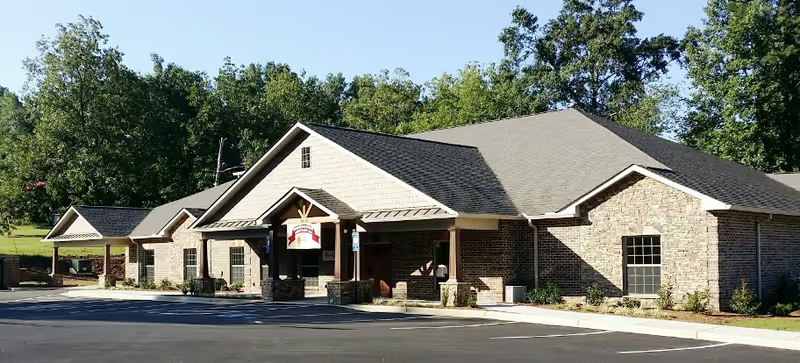
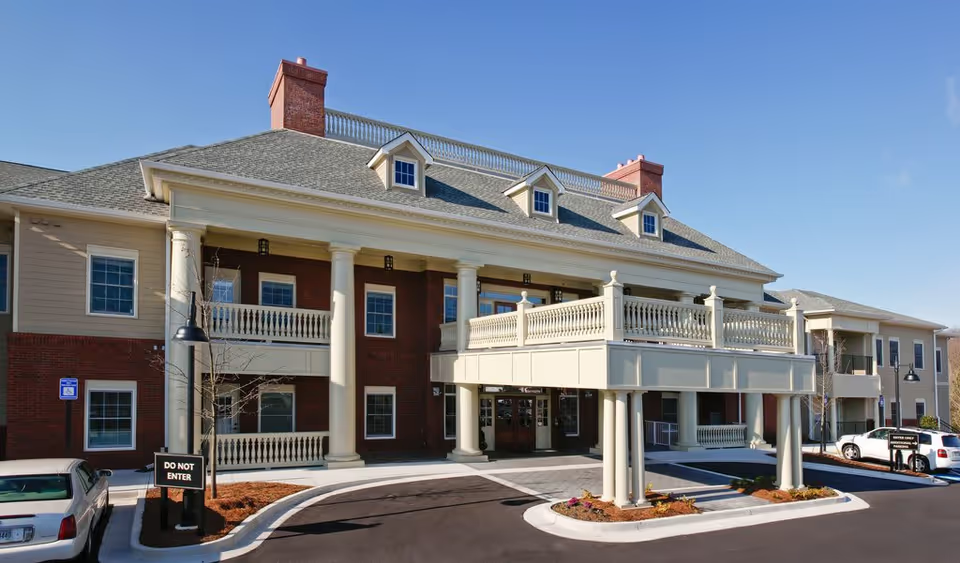
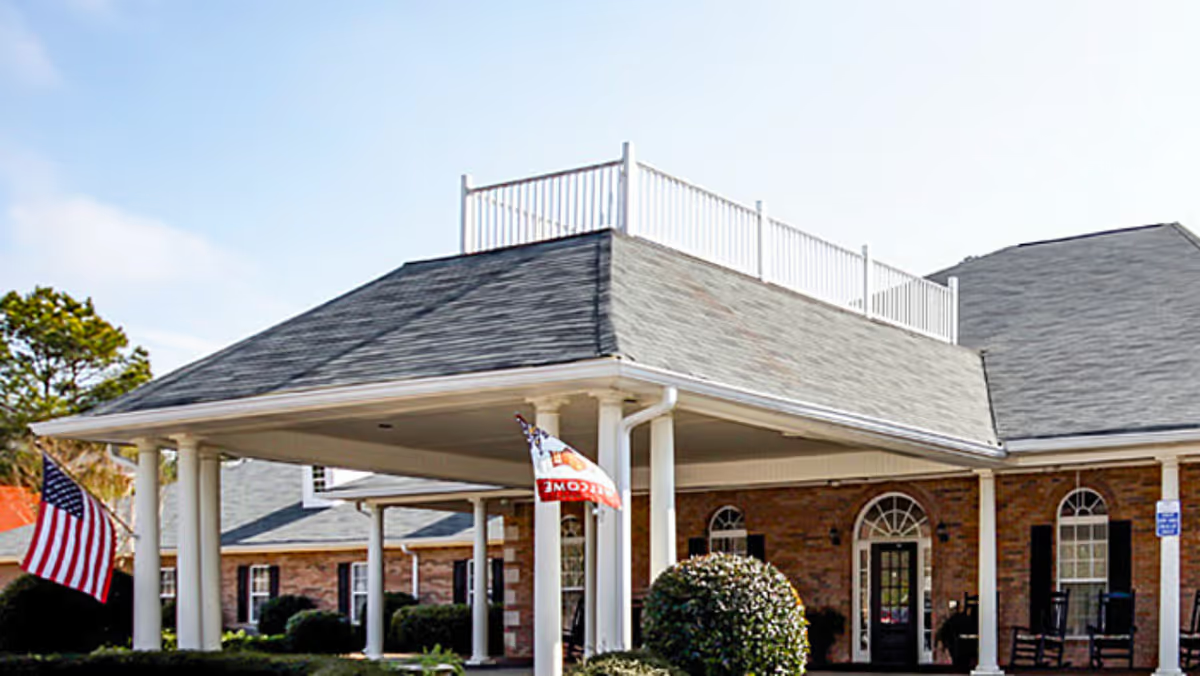
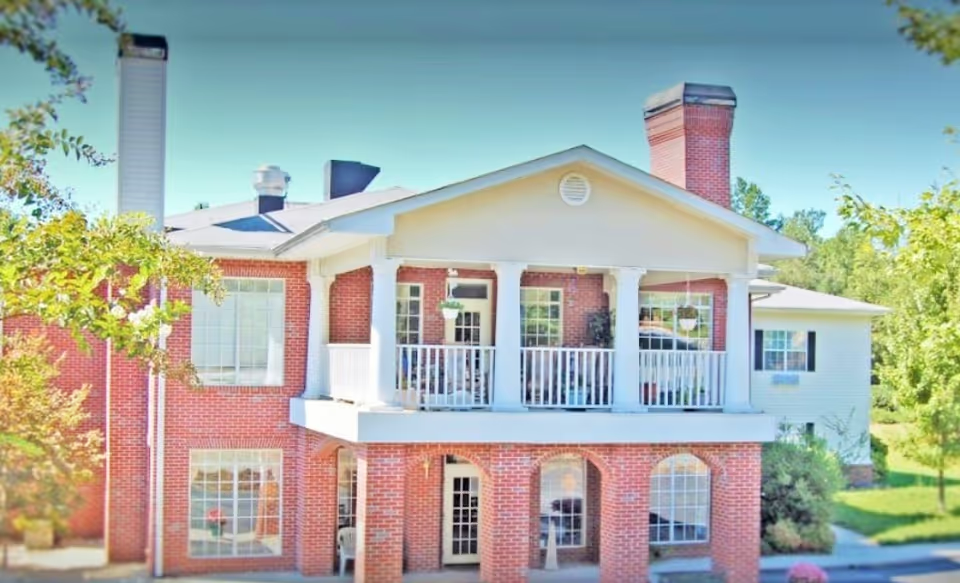
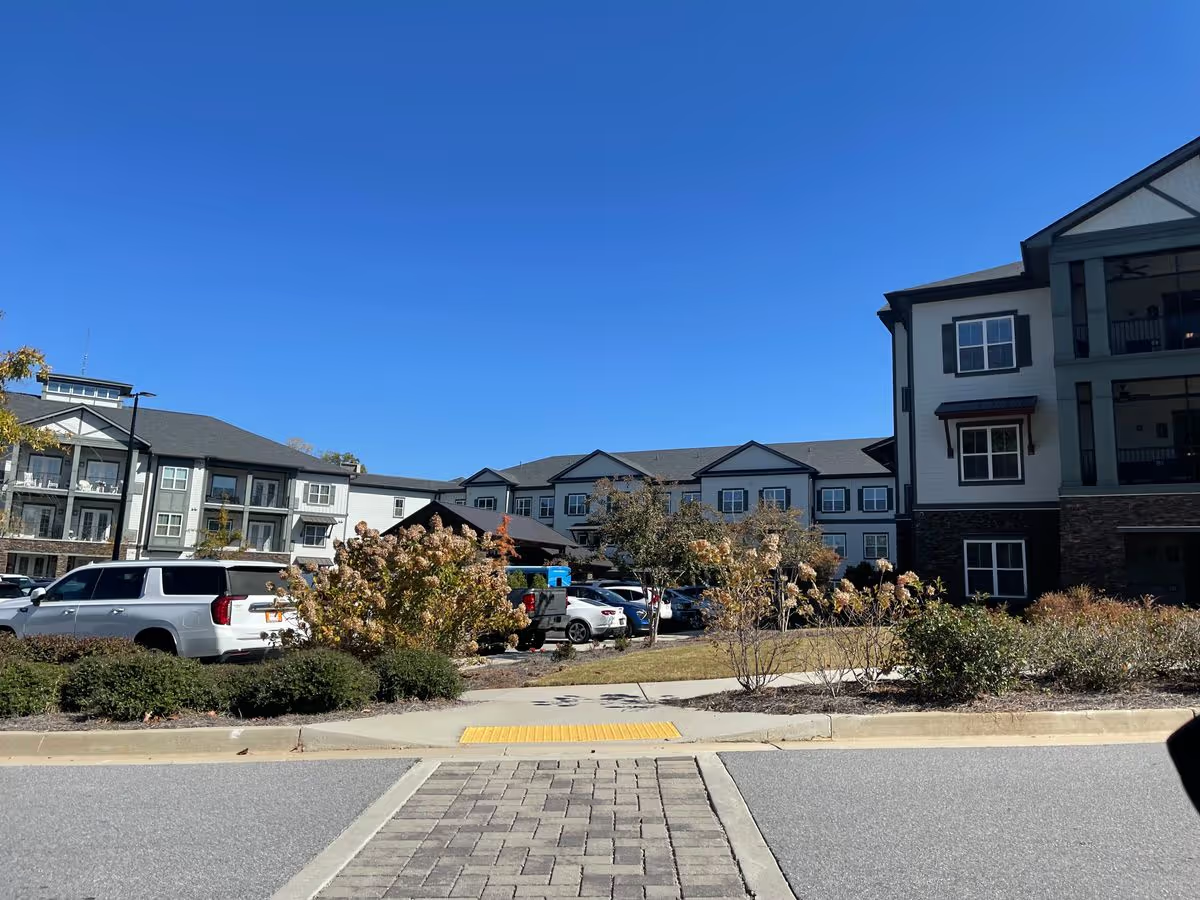
Reviewer feedback for New Horizons Lanier Park is mixed, with clear strengths alongside recurring operational concerns. Many comments praise the facility's physical appearance, cleanliness in common areas, and an overall pleasant environment. Therapy services—particularly physical and occupational therapy—are frequently highlighted as high quality, and the facility is noted for having hospice capabilities. Dining receives positive feedback for taste and accommodation of dietary preferences. Several families described administrative staff as personable and some caregiving staff as kind, courteous, and attentive.
At the same time, a set of consistent operational weaknesses emerges. Communication and front‑desk responsiveness are commonly described as insufficient: families experienced difficulty obtaining basic admission details, long waits for answers, and limited proactive updates from management. Staffing patterns appear uneven; reviewers described times when care was attentive and times when residents required constant observation to receive prompt assistance. This inconsistent staffing correlates with concerns about timeliness of routine personal care and incontinence cleanup.
Clinical oversight and safety practices are another area of concern. While therapy and some nursing care are praised, reviewers also raised issues such as delayed attention to clinical maintenance (for example, medical device hygiene), inconsistent access to timely medical evaluations, and apparent gaps in fall‑prevention or monitoring practices. One reviewer raised an allegation of staff misconduct that prompted an investigation; that claim and disputed outcome contribute to perceptions of variability in staff professionalism and conduct.
Facility upkeep and sanitation present a mixed picture. The campus and many rooms are described as attractive and well maintained, but others noted odor and sanitation issues in some areas, and inconsistent housekeeping follow‑through. Meal service is a relative strength, with several notes about enjoyable food and flexibility around dietary needs.
Management and operational leadership receive divergent evaluations. Positive interactions with administration are reported, yet there are also comments describing the facility as poorly run, with inadequate communication and a sense of declining staffing quality over time. Together these patterns create a polarized set of experiences: some families are satisfied and would recommend the facility based on staff compassion, therapy quality, and environment; others have encountered service gaps significant enough to prompt relocation decisions.
For prospective residents and families: consider a targeted tour and direct questions about current staffing ratios, fall‑prevention protocols, infection‑control practices, procedures for managing medical devices and enteral feeding, and how the facility communicates with families during changes in condition. Ask for documentation of recent inspections or corrective actions and request references from current residents or families to help assess consistency of care and responsiveness over time.