The reviews present a polarized picture of Pinewood Manor Nursing and Rehabilitation: several accounts describe attentive, compassionate caregiving, effective admissions transitions led by a long-tenured director, timely hospice coordination, and functional on-site therapy services; other accounts raise substantive operational concerns about safety, sanitation, communication, and clinical oversight.
Care quality: Positive comments highlight staff who provide compassionate bedside care and coordinated hospice involvement without delay, and therapy/rehabilitation services that supported recovery for some residents. However, there are serious clinical concerns in other accounts, including an allegation of prolonged missed medication for a resident and broader statements suggesting gaps in medication-administration and routine monitoring. Families should seek clear documentation of medication protocols, staffing ratios, and fall- or transfer-safety procedures during any evaluation.
Staff and communication: Several reviewers praised individual caregivers and the director who facilitated smooth transitions. At the same time, there are consistent remarks about inconsistent professionalism, disrespectful interactions, and poor responsiveness from the facility by phone — including long hold times and calls that were not returned. Some families described adversarial or dismissive interactions with management. These patterns point to variability in staff training, culture, and family-engagement practices.
Dining and activities: Reviews contain limited detail about dining and social programming. Therapy and rehabilitation were mentioned positively by some families, but there is insufficient information to form a clear assessment of the facility’s broader activities, menu quality, or engagement offerings. Prospective families should request activity schedules and sample menus during a tour.
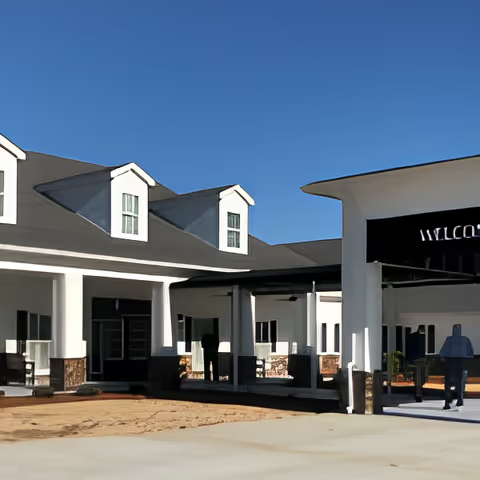
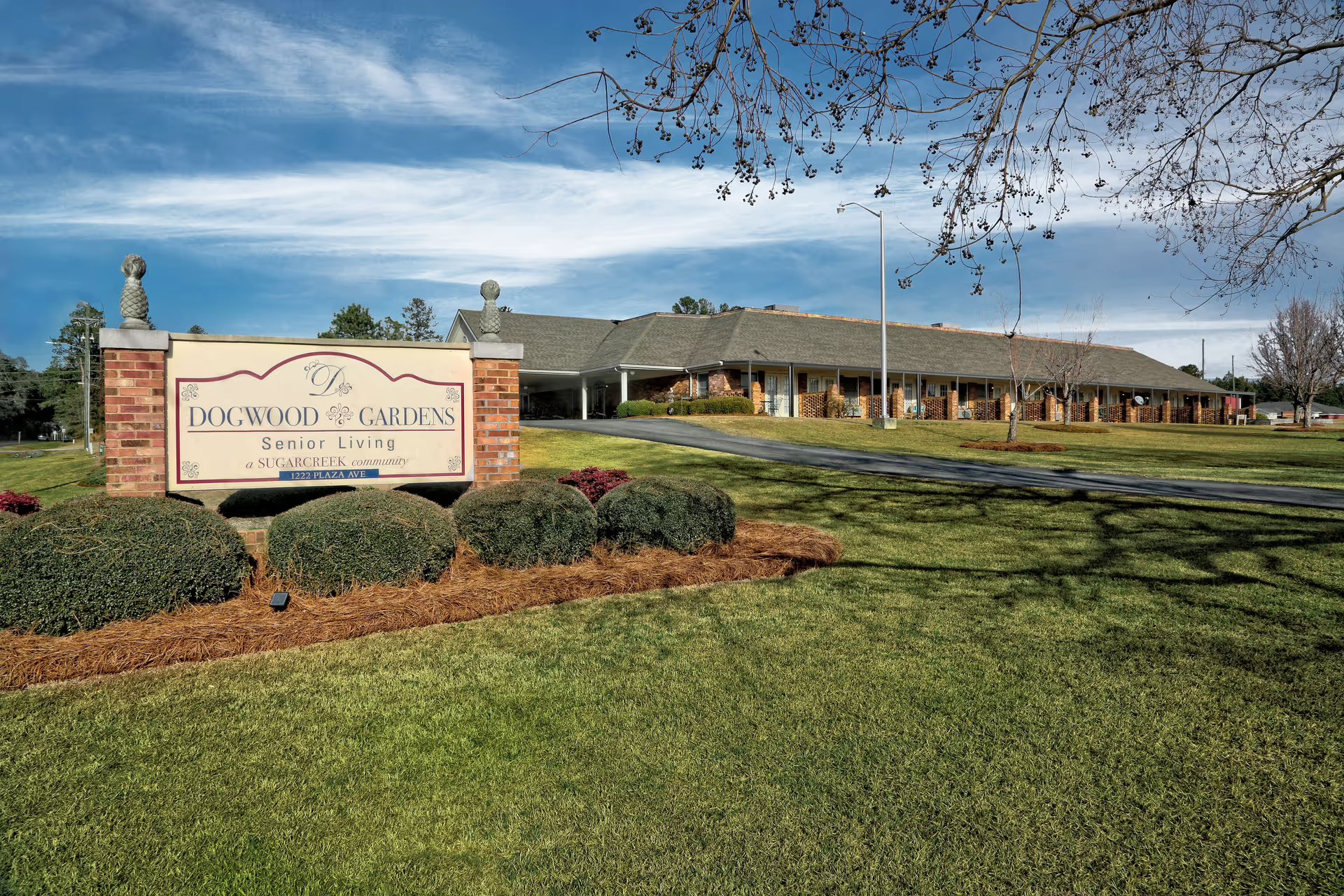
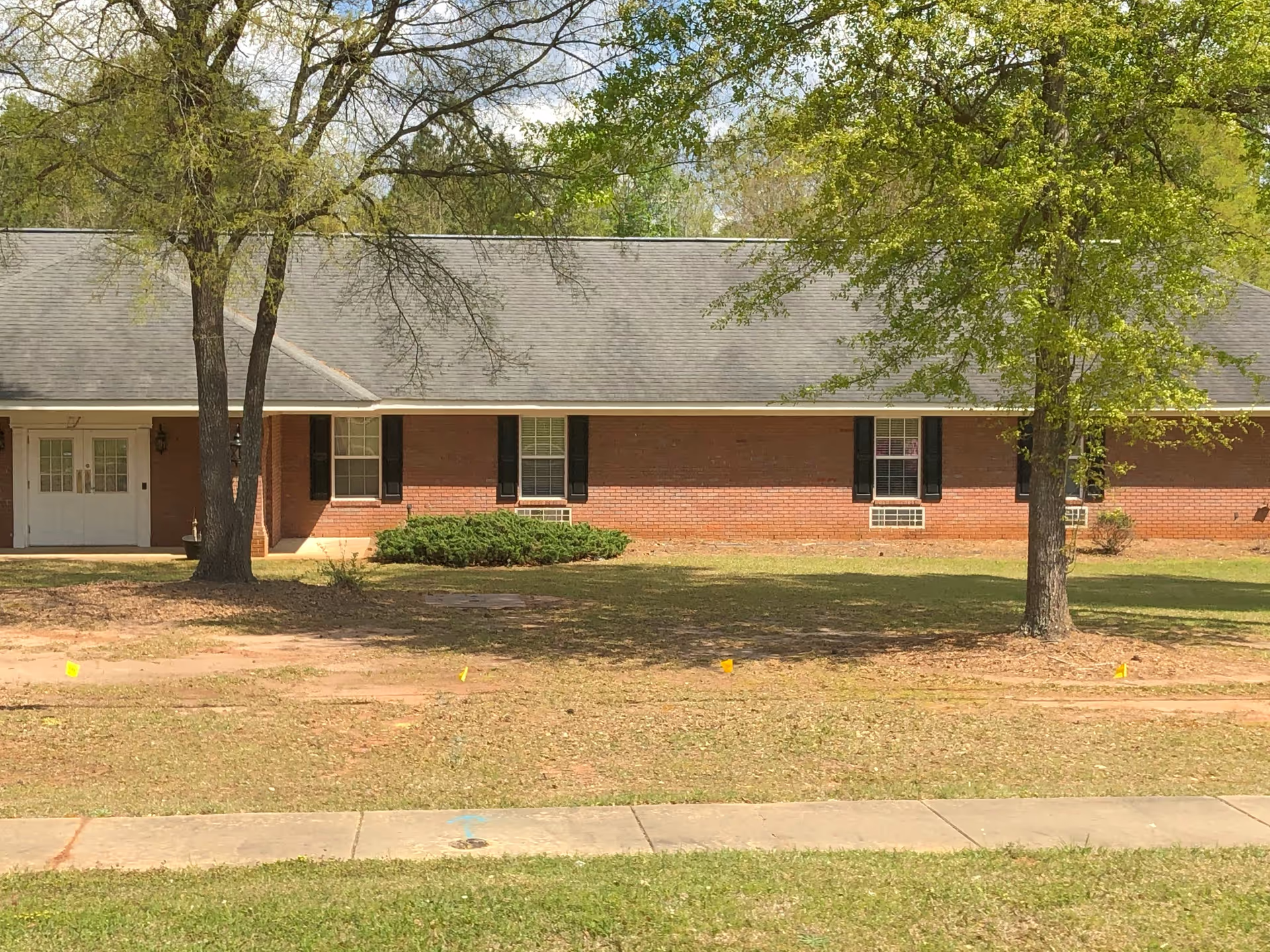
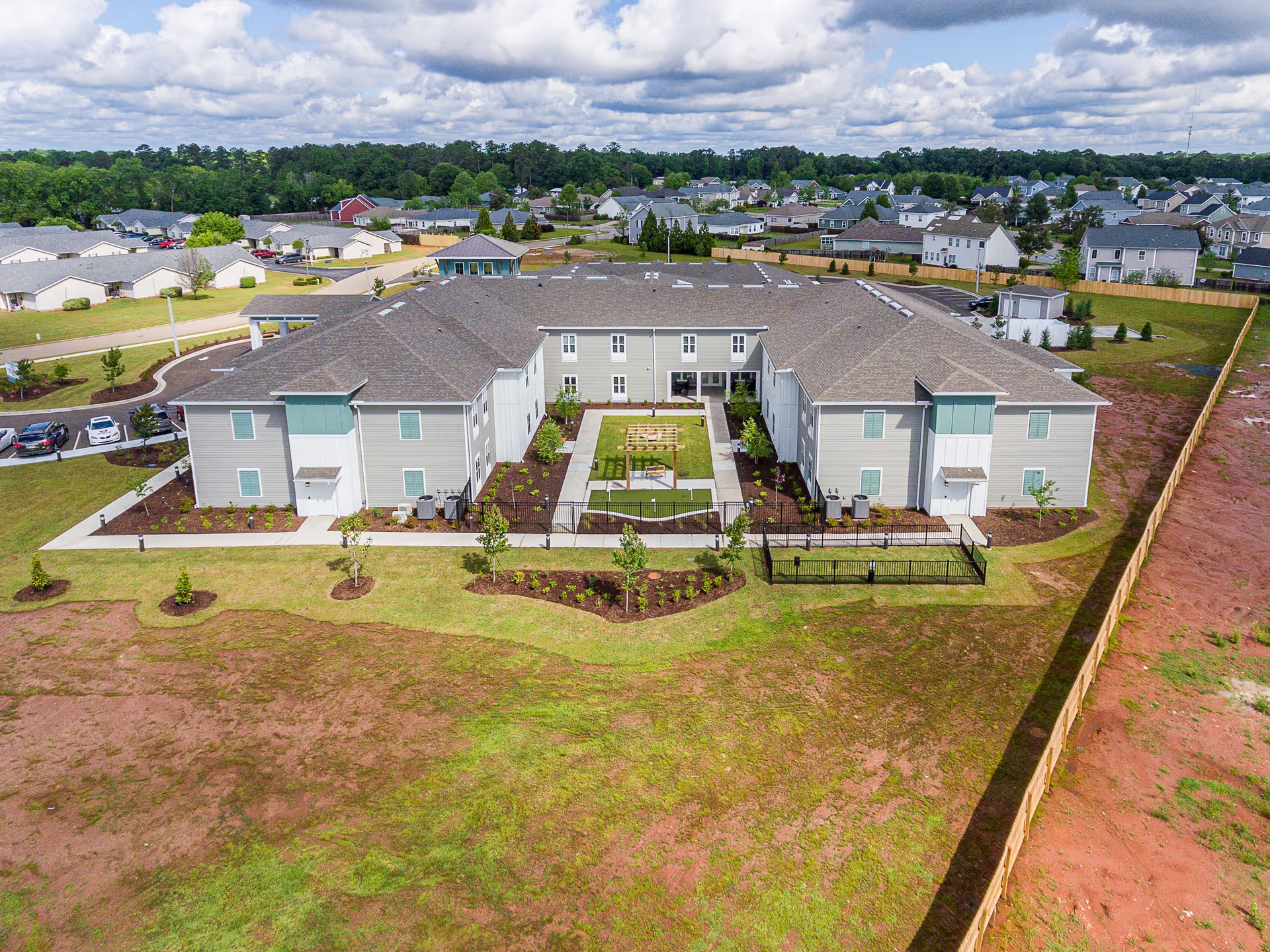
Facilities and sanitation: Positive statements reference areas described as clean, yet several comments raise sanitation and odor-control inconsistencies and specific infrastructure problems, notably unreliable hot water in resident rooms and other plumbing concerns. Photographs and descriptions in some accounts suggest areas that need maintenance or updating. Safety-management and environmental maintenance were also cited as weak points, indicating facility-level capital and operational needs.
Management and oversight: Management performance is reported as mixed. The facility’s experienced director is credited with facilitating positive admissions experiences, but reviewers also allege defensive or dismissive responses from administration and express concerns about insufficient oversight and accountability. Some families indicated they filed complaints with regulatory bodies and external agencies, suggesting unresolved grievances that escalated beyond informal family channels.
Notable patterns and guidance: The overall pattern is one of uneven performance — strong experiences for some families and serious operational concerns for others. Key recurring themes are inconsistent staff professionalism, communication breakdowns with families, medication and monitoring gaps, and infrastructure/maintenance issues. Prospective residents and their families should: tour the building at different times of day; meet nursing leadership and ask about staffing levels and training; review medication-safety and incident-reporting procedures; inquire about recent regulatory inspections or complaints; verify plumbing and hot-water reliability; and confirm hospice and therapy-service arrangements. Direct observation and specific, documented answers from facility leadership will be important to assess whether the facility’s strengths align with an individual resident’s needs.