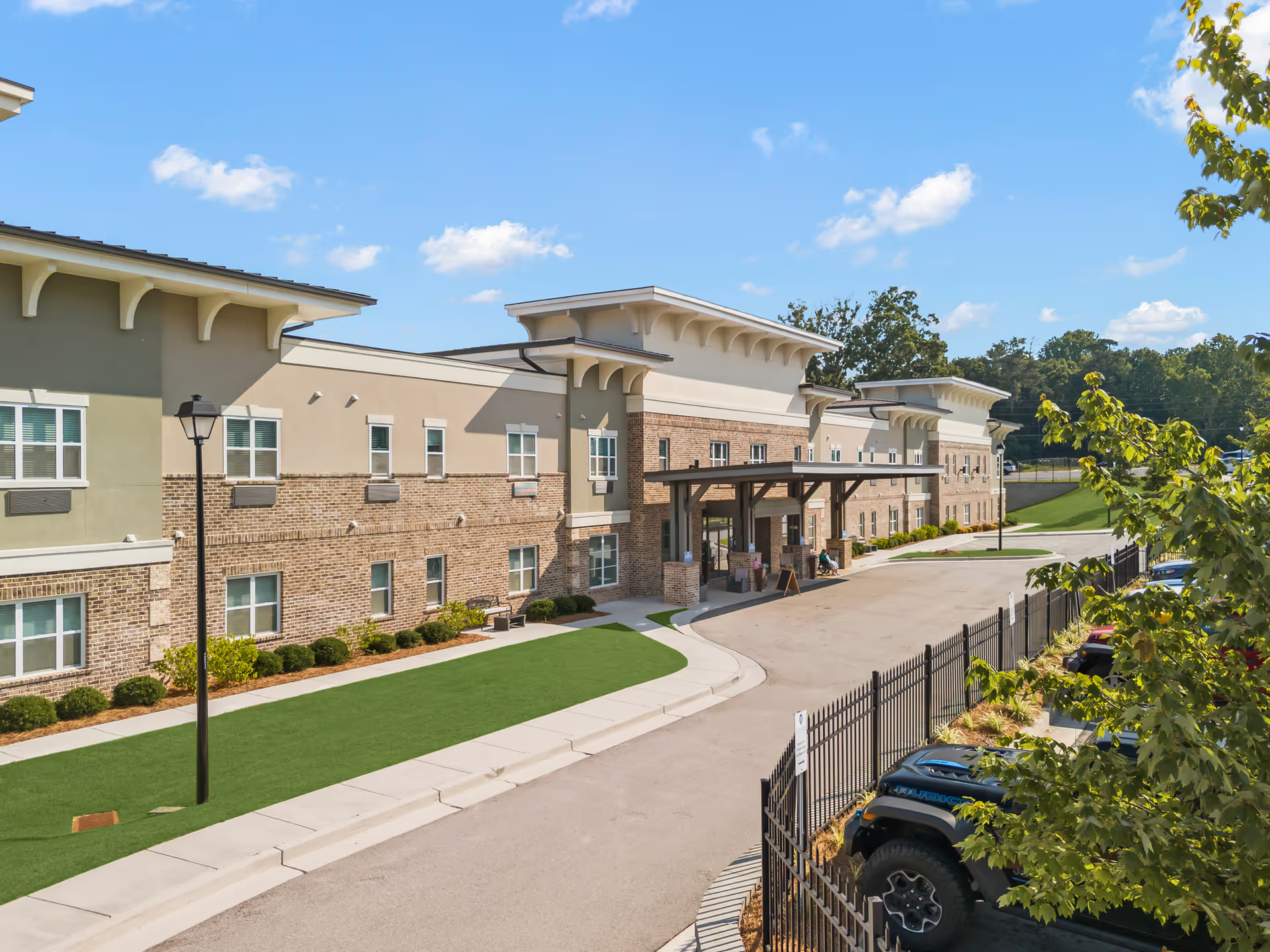
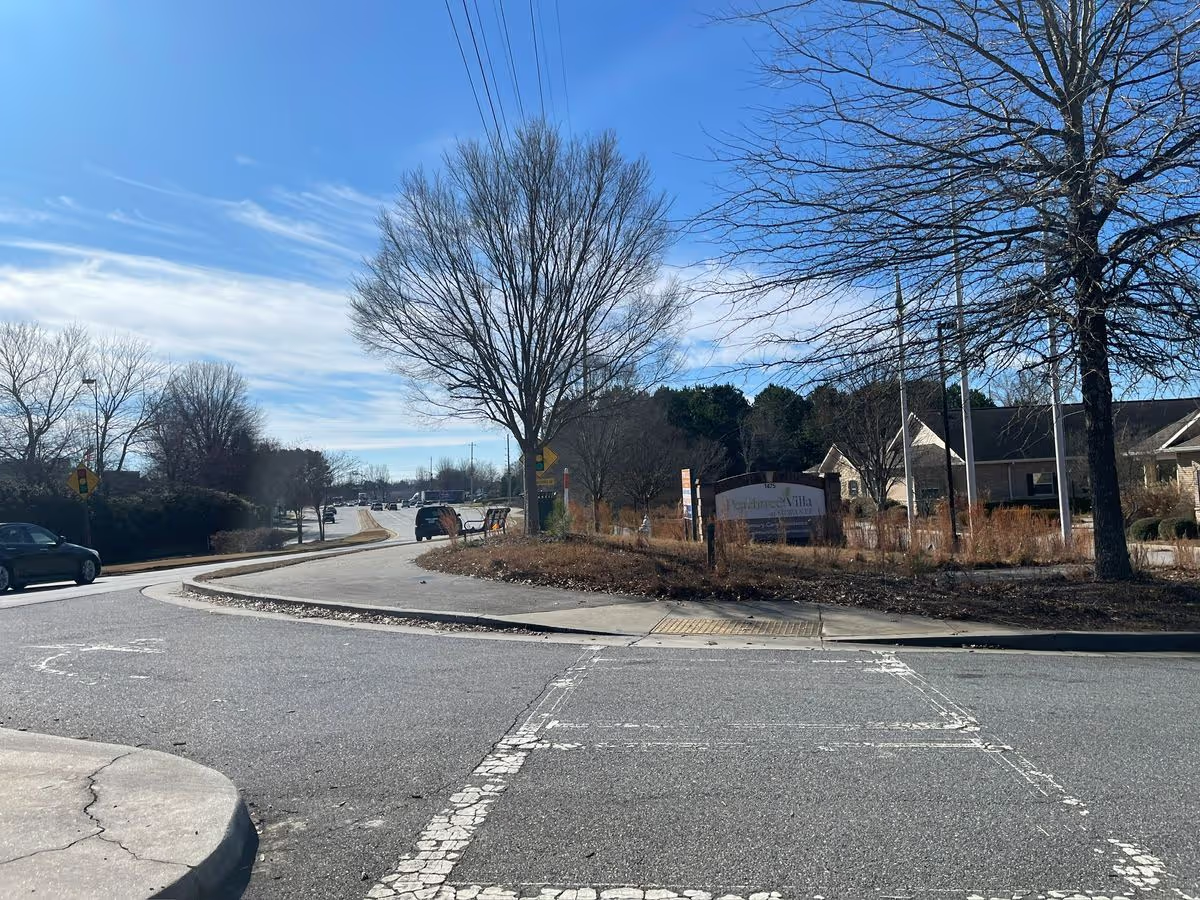
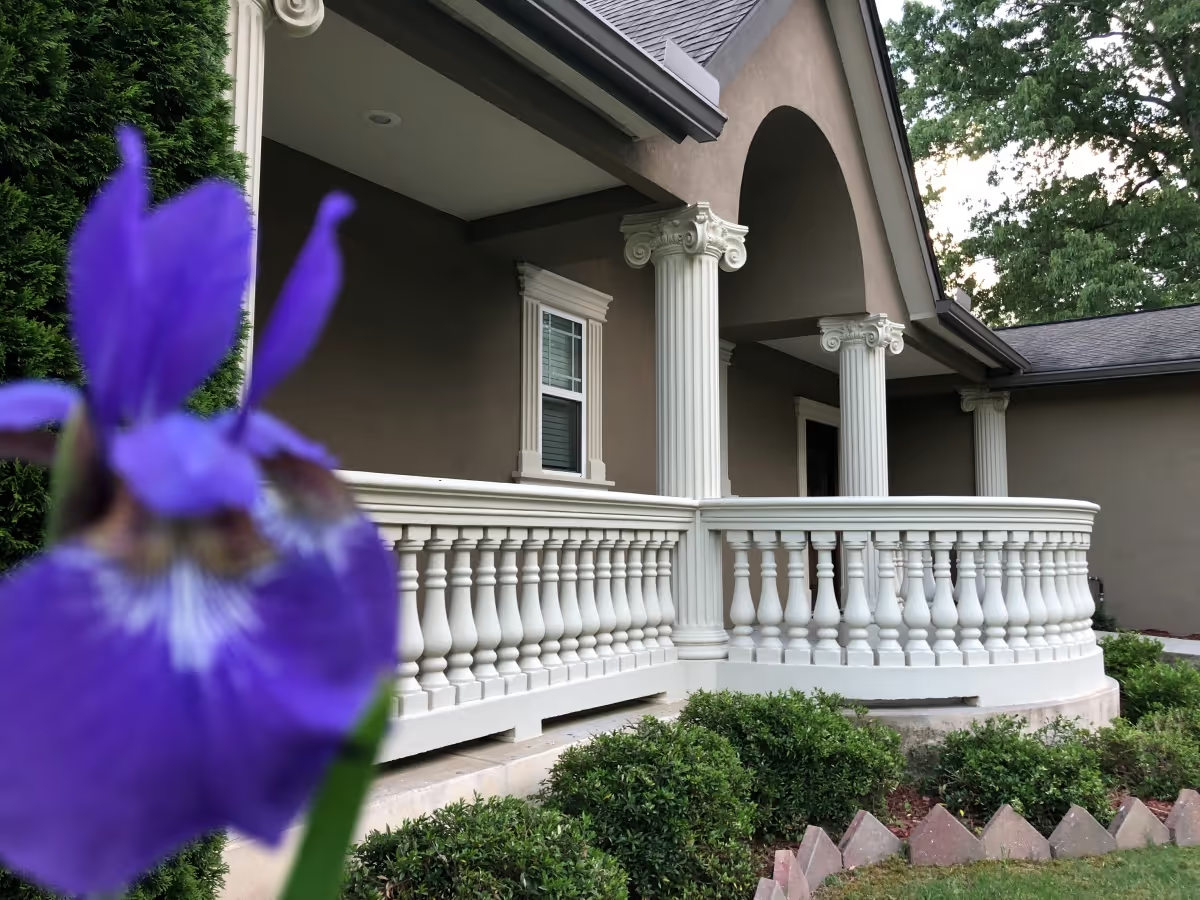
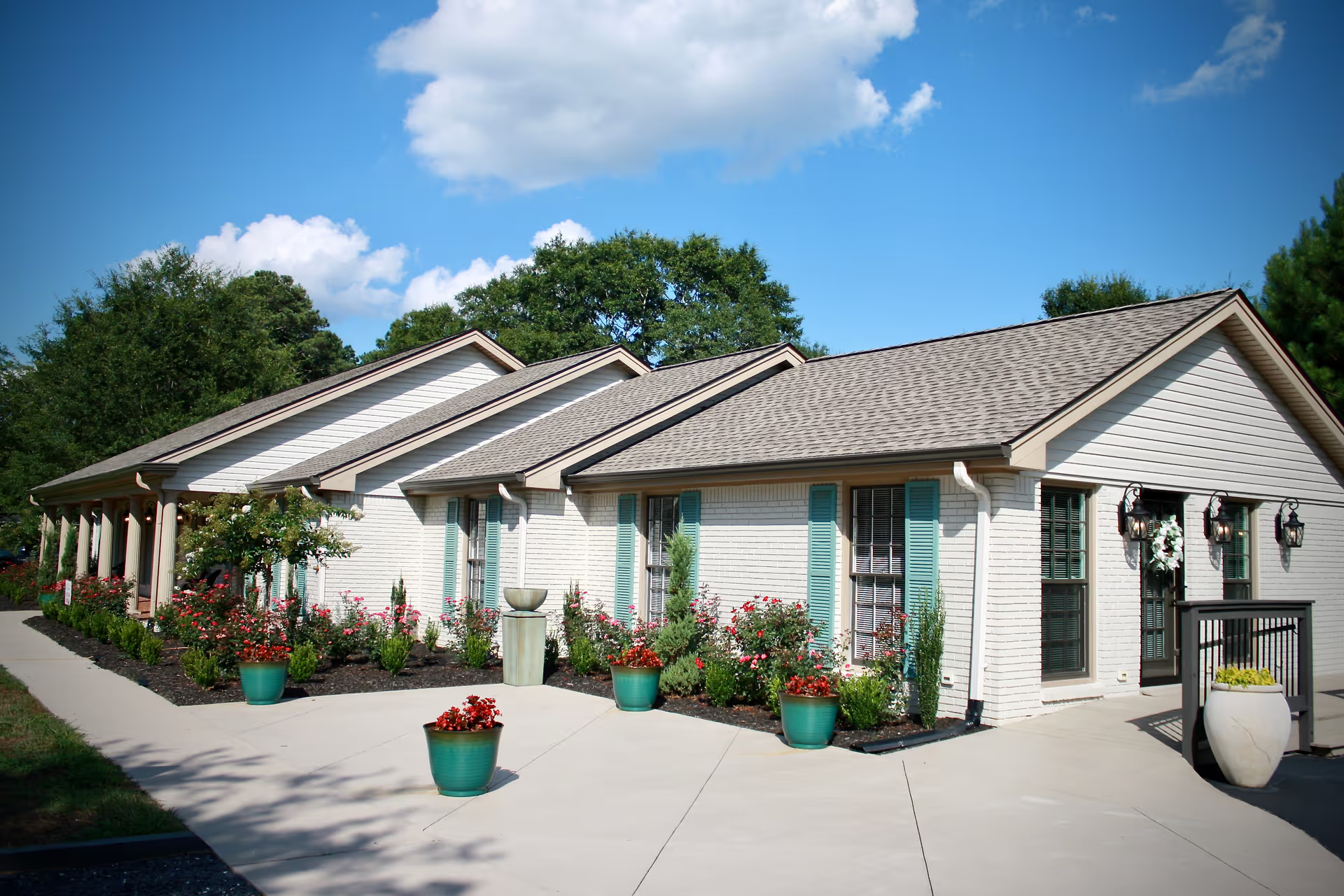
Garden Plaza at Lawrenceville presents a largely upscale, amenity-rich independent/assisted living environment with strong, positive impressions of day-to-day staff and the physical campus. Many comments emphasize a resort-like interior, well-kept courtyards, indoor pool, multiple recreation spaces, and plentiful common-area amenities (library, cafe, activity rooms). The front-desk, admissions, and many direct-care employees are frequently described as welcoming, helpful, and attentive, contributing to a family-like atmosphere and generally smooth move-ins for a number of families.
Care and staffing impressions are mixed but lean positive at the direct-contact level. Numerous reviews praise compassionate, long-tenured employees and highlight specific staff who ‘‘go the extra mile.’’ Housekeeping, laundry, and floor-level supports are frequently described as reliable. At the same time, reviewers raise operational concerns about staffing patterns: driver shortages, role vacancies, and occasional limits on supervision (including nighttime coverage) that can affect continuity of services and residents’ sense of safety. Communication during transitions and after clinical events is uneven in some reports, and prospective families should verify current staffing ratios and supervision arrangements.
Dining emerges as a polarized area. Some residents describe restaurant-style meals, three-course dinners, and an overall fine-dining experience. Conversely, multiple accounts document inconsistent food availability, small portions, running out of menu items, and frequent turnover among dining directors and chefs. There are also references to kitchen rules that have resulted in out-of-pocket charges for extra meals for some residents. While there are indications of menu improvements under new leadership in certain periods, the pattern points to vulnerability in meal-service continuity and dietary accommodation.
Activities and transportation are strengths in breadth but variable in execution. The community offers a wide range of social, recreational, and religious programs (bingo, pageants, arts, outings, pool and fitness activities), a monthly activity bulletin, and amenities that support active lifestyles. Off-site trips and social outings are available, though reviewers note that transportation reliability has at times limited participation due to driver shortages or scheduling constraints. Prospective residents who depend on community-provided transport should confirm current schedules and contingency plans.
Facility condition is generally described as attractive and well-maintained in public areas, lending to an upscale, hotel-like feel. However, other comments indicate an aging building envelope and the need for ongoing updates in some systems; maintenance responsiveness is characterized as mixed—excellent in some instances and slow or inconsistent in others. A subset of reviewers raises concerns about temperature control and air quality in common spaces, which may reflect HVAC or building-control issues.
At the management and operational level, reviewers describe gaps in upper-management responsiveness, inconsistent volunteer recognition, and notable turnover in leadership positions (especially in the dining department). Unexpected resident fees were cited as a budgeting surprise for some families, which suggests the importance of clarifying contract terms before committing. While many residents and families report positive, personalized interactions with on-site staff, the organizational-level patterns (leadership turnover, communication lapses, and operational inconsistencies) are the principal risk factors to weigh alongside the facility’s clear strengths.
In summary, Garden Plaza at Lawrenceville offers a compelling physical environment and many examples of strong, compassionate front-line staff and robust programming. The principal trade-offs are operational: inconsistent dining and kitchen stability, transportation and staffing variability, and occasional management communication gaps. Prospective residents should tour the campus, ask targeted questions about current dining leadership and backup plans, transportation reliability, staffing levels (including night supervision), maintenance response protocols, and all resident-fee policies to ensure the community’s current operations match their priorities.