Life Care Center of Gwinnett elicits a wide range of experiences. A prominent strength across many accounts is the caregiving team: nurses, aides, and therapists are frequently described as compassionate, hardworking, and attentive. Physical and occupational therapy receive particular praise for restoring mobility and achieving positive rehabilitation outcomes; several families noted skilled therapists and successful therapy programs. Activities staff are commonly viewed as energetic and engaged, contributing to a home-like atmosphere and regular social programming.
Despite these strengths, reviewers describe substantial variability in day-to-day care quality. Staffing levels and staff consistency appear to be recurrent operational challenges: families describe stretched caregiver coverage, long waits for assistance, and variable conduct from individual staff members. These staffing constraints are linked in several accounts to delays in medication administration and clinical monitoring, phone-call and message-response failures, and missed or inconsistent assistance with personal care tasks.
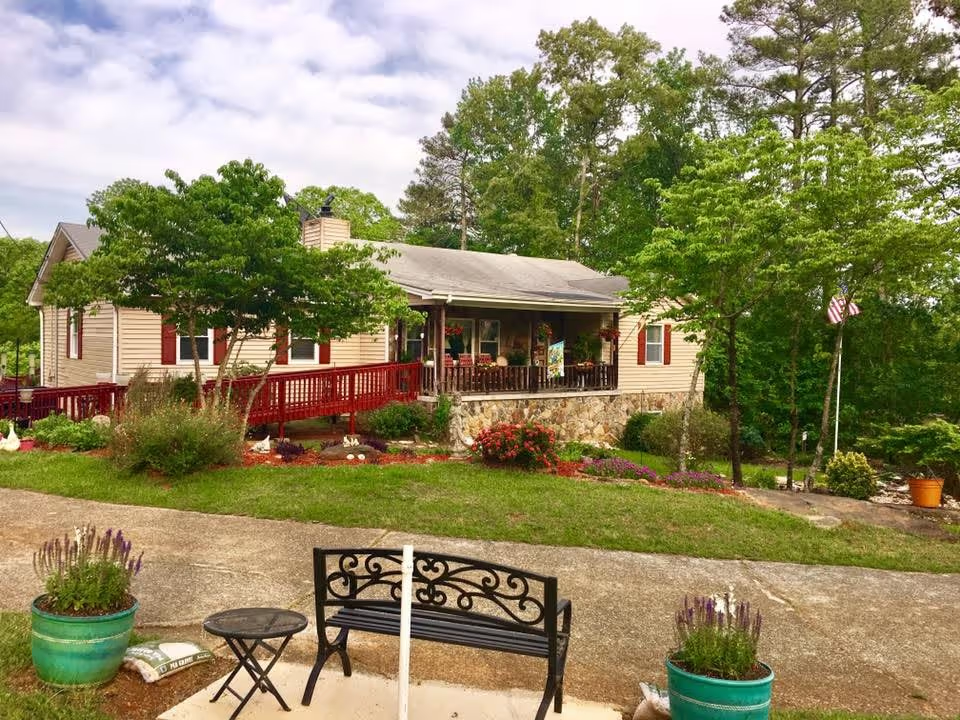
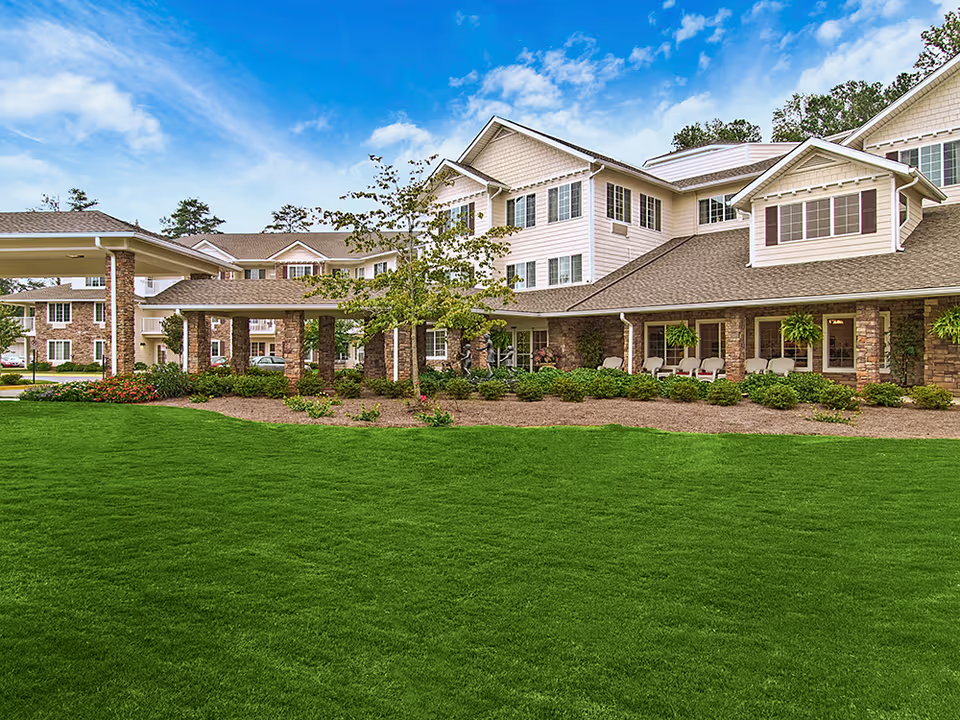
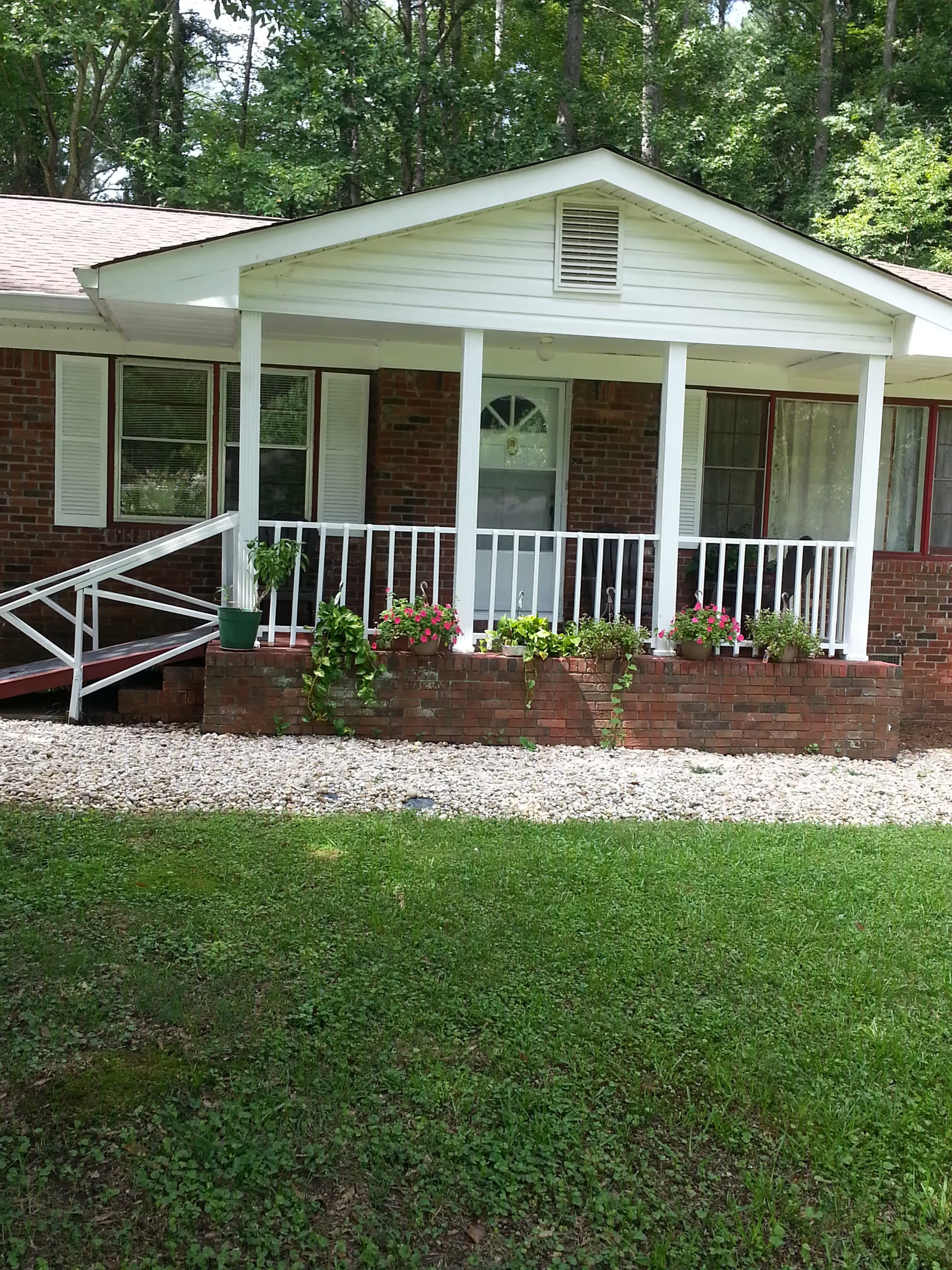
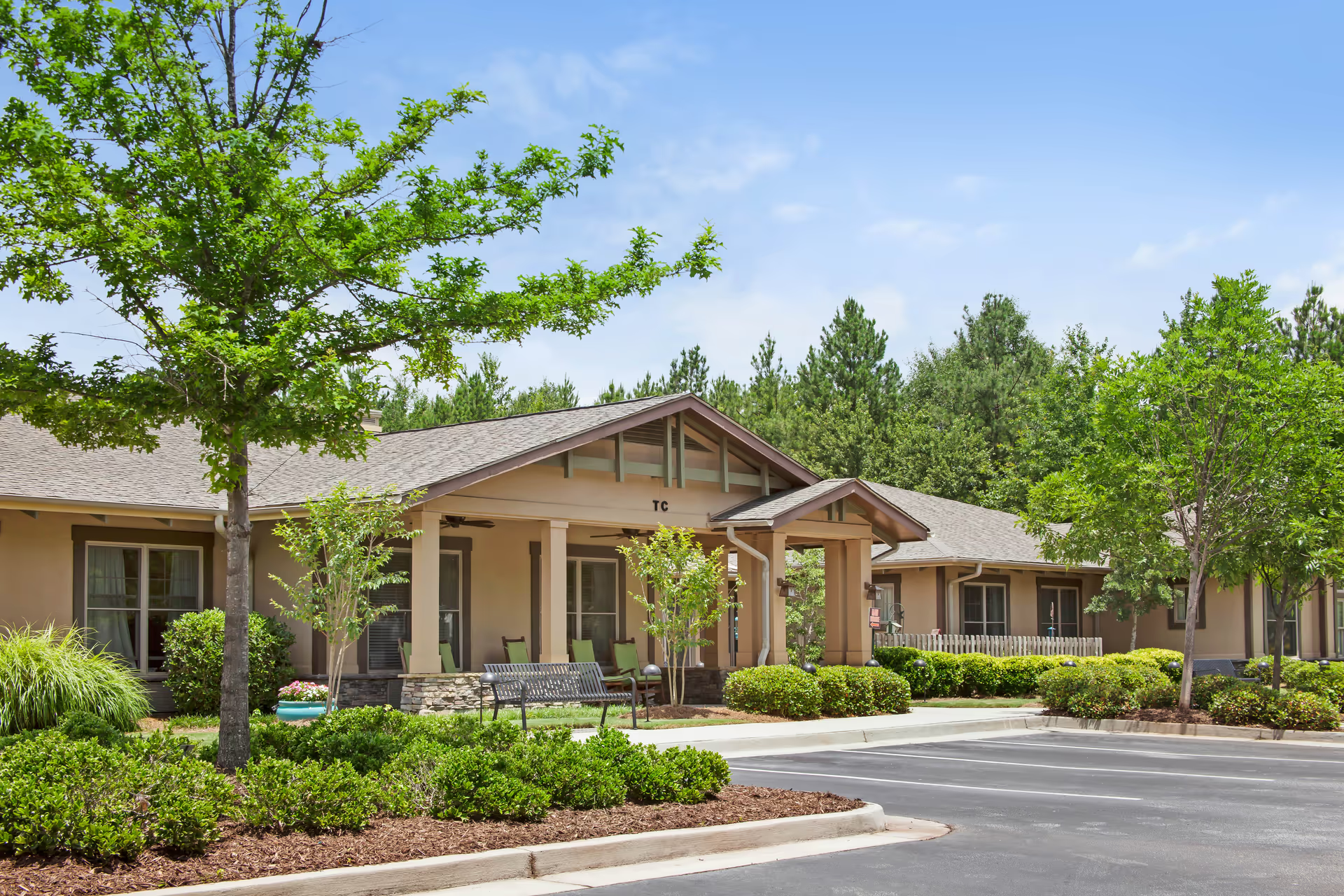
Facility condition is another mixed area. Some parts of the building and common areas are described as clean and welcoming, with private-room availability and pleasant dining rooms; others note aging infrastructure, broken furniture or fixtures, leaking air conditioners, mold concerns in bathrooms, and pest-control problems. Equipment availability and maintenance—examples include missing wheelchair parts or lack of lifts—was raised as an operational gap that can affect resident safety and mobility support.
Dining and nutrition responses are inconsistent. Multiple families praised well-presented meals and dietary accommodations in some instances, while others described bland or unacceptable meal choices and limited menu variety. Several reviews mention families bringing supplemental food, and there are occasional billing and administrative discrepancies related to dietary billing and charges.
Communication and management issues recur as a theme. Reported problems include delayed or unreturned phone calls, late discharge notices, deleted or missing records, and billing errors. Infection-control practices and policies also produce friction: families described frequent testing, restrictive visitation, and concerns about staff vaccination and quarantine practices. A small number of accounts describe serious safety events occurring during or shortly after admission (including falls and fractures), which raises concerns about transfer, monitoring, and early post-operative surveillance practices.
Overall, the facility demonstrates clearly positive elements—especially in therapy services, many individual staff interactions, and an active activities program—but also shows operational weaknesses that affect reliability: staffing consistency, communication, building maintenance, sanitation controls, and discharge/continuity planning. Prospective residents and families should weigh the strong rehabilitation and compassionate staff against variability in infrastructure and administrative responsiveness, and consider visiting in person to assess room condition, staffing levels on different shifts, and current infection-control/visitor policies before making placement decisions.