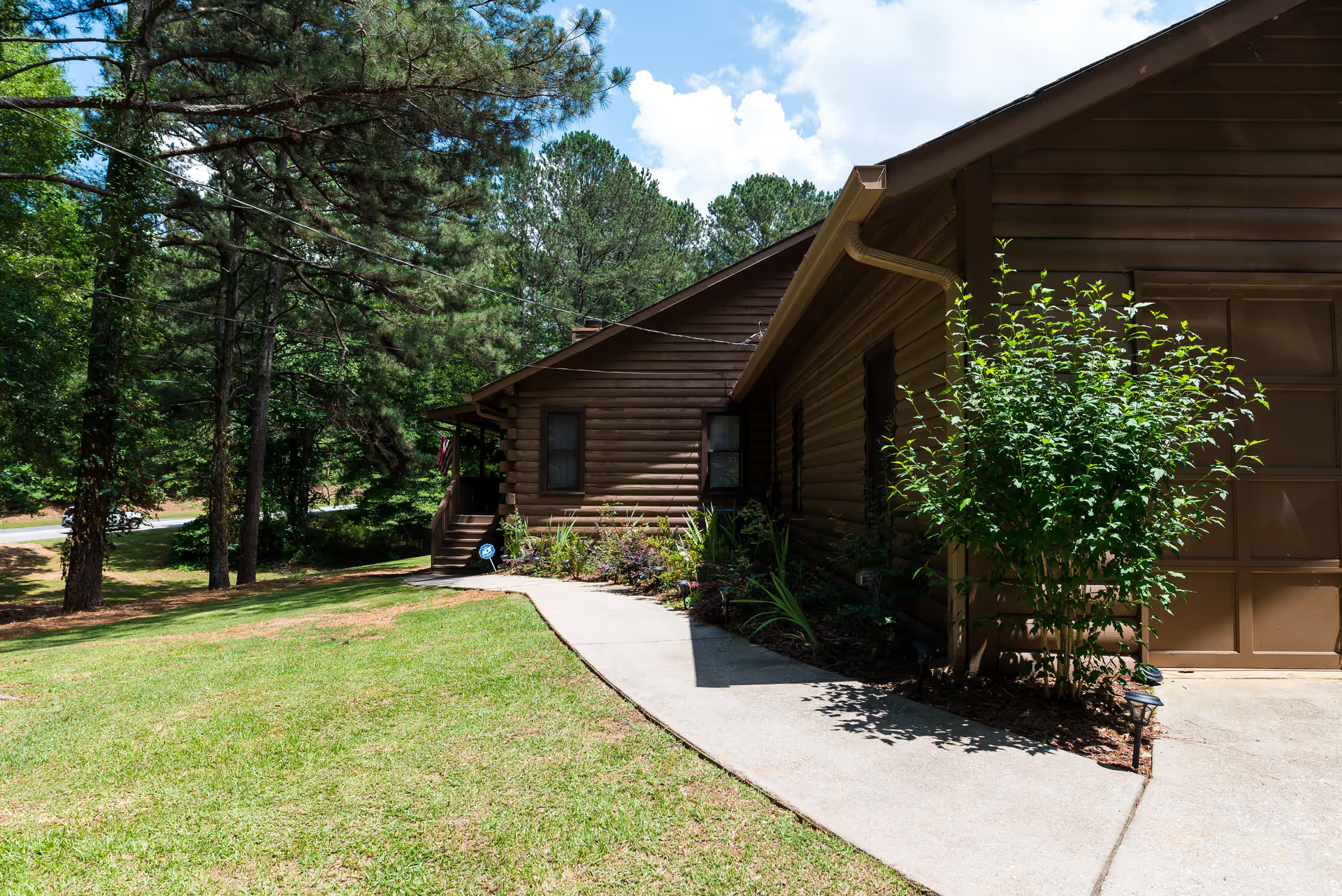
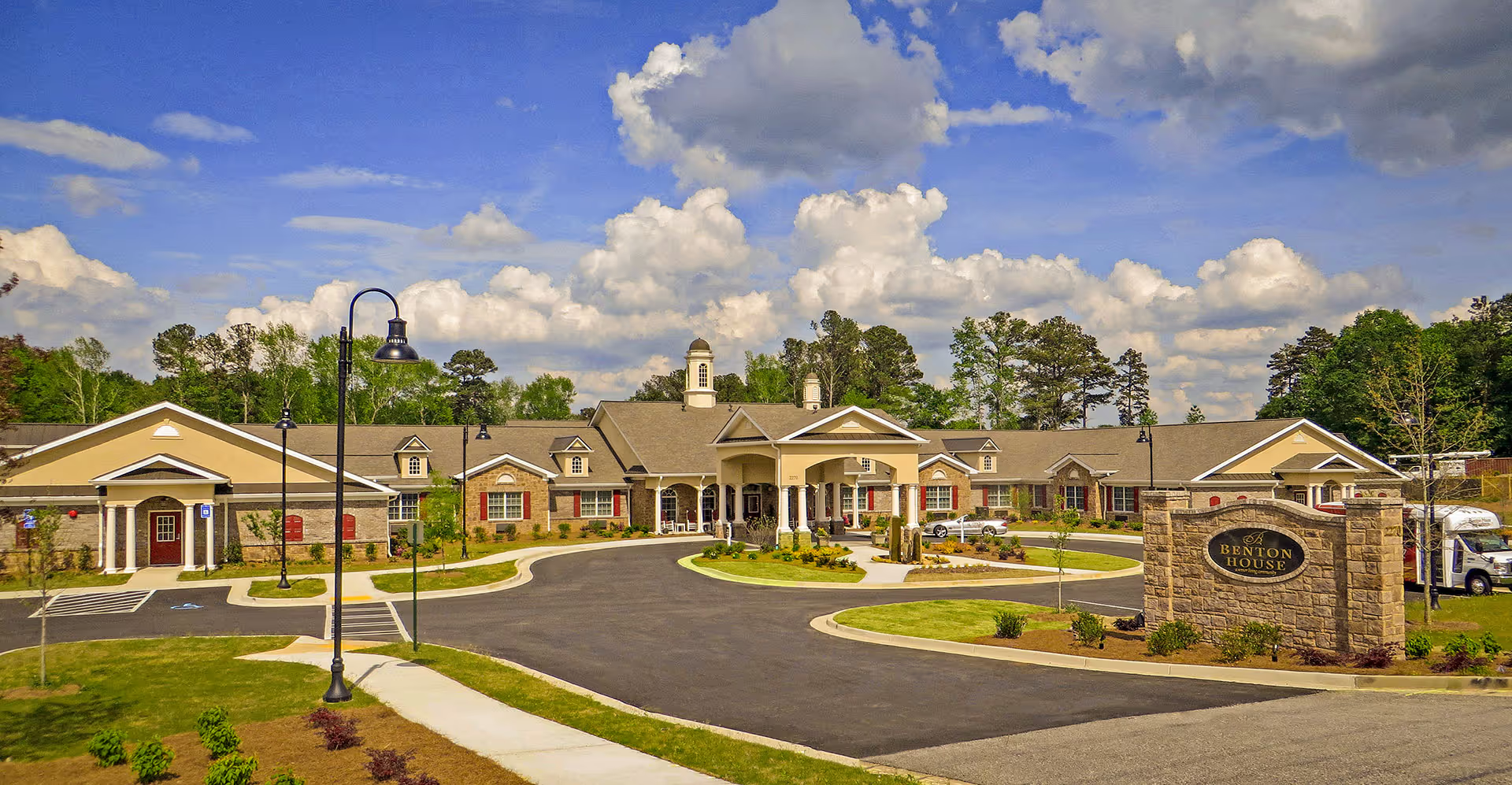
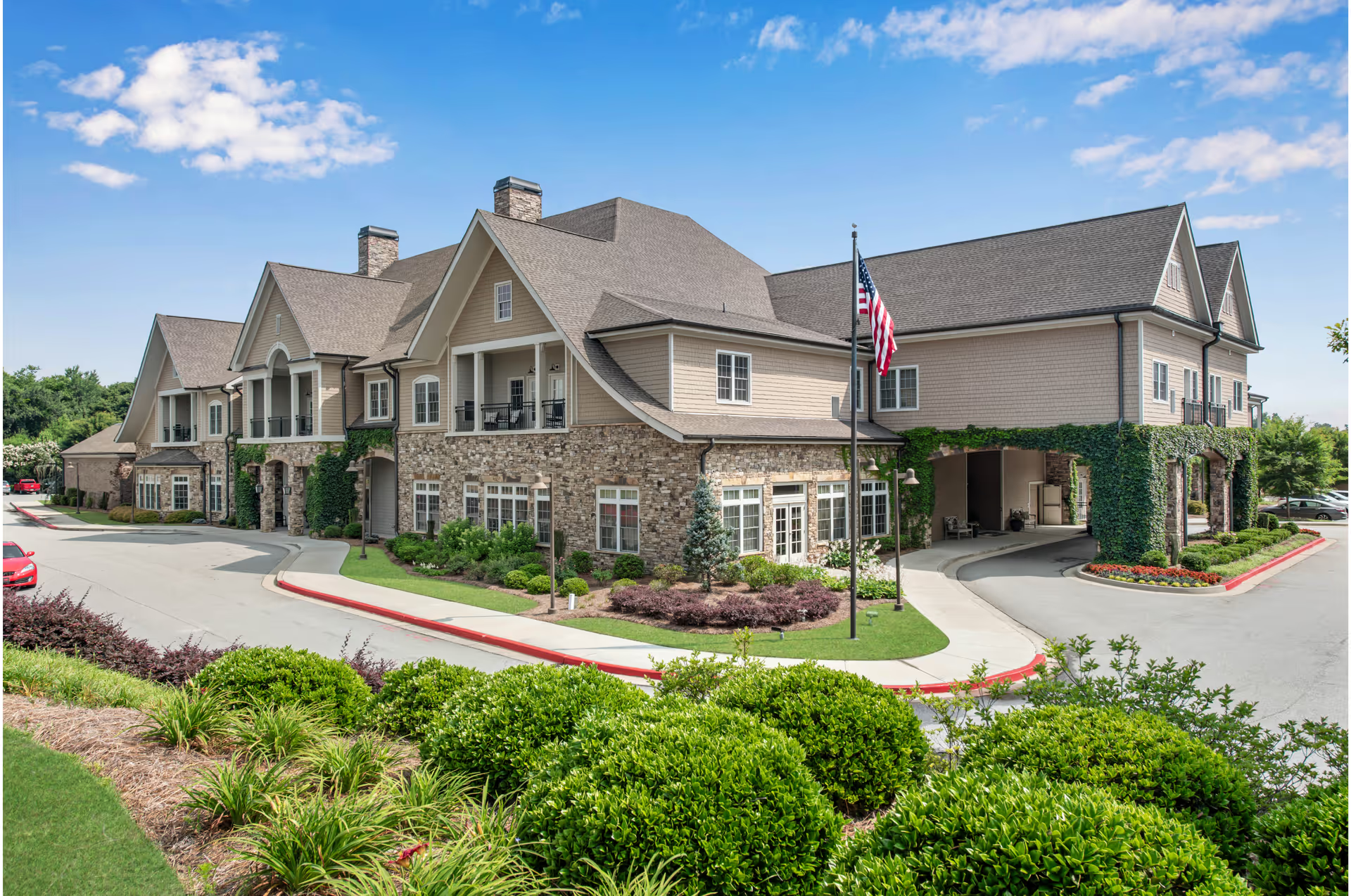
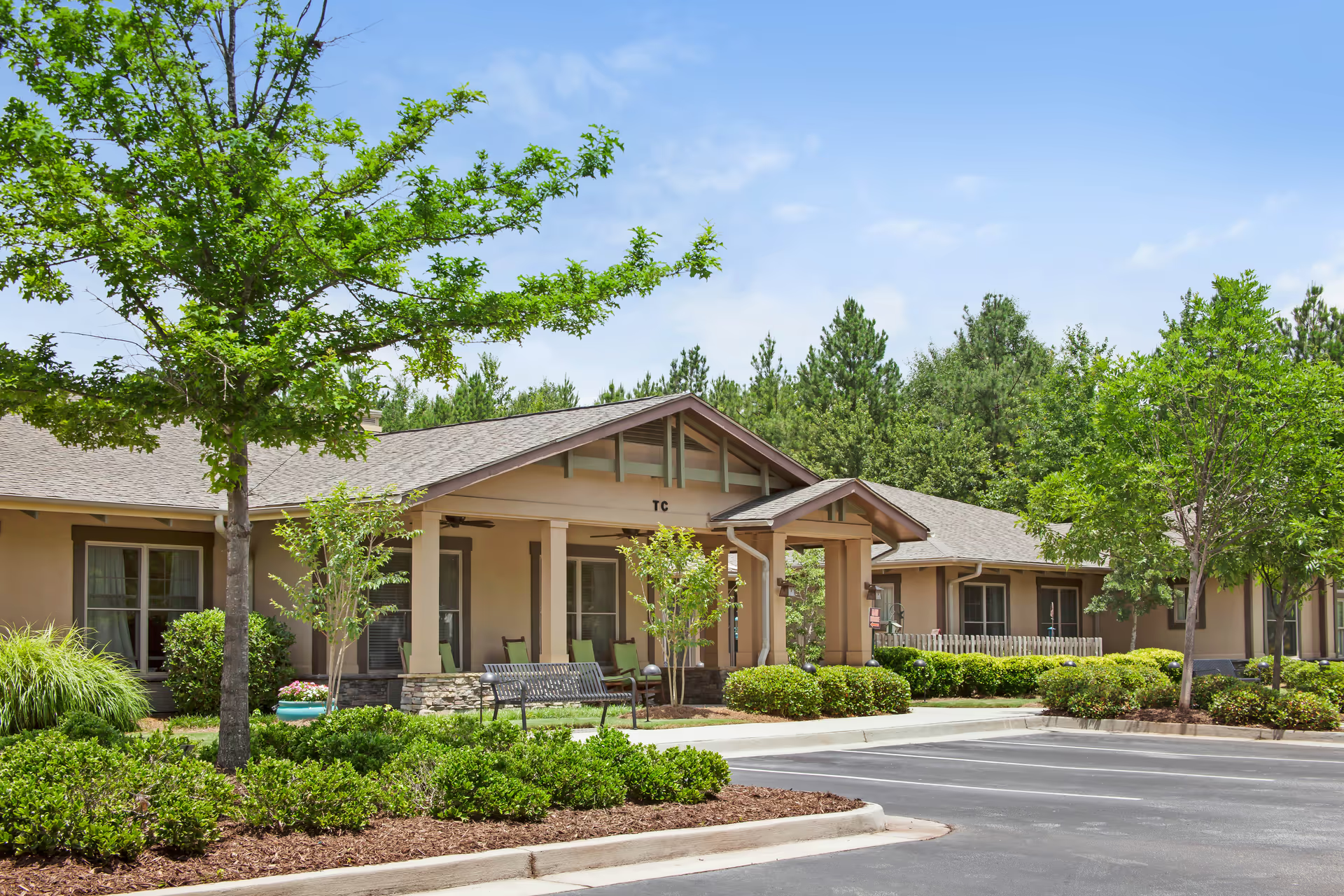
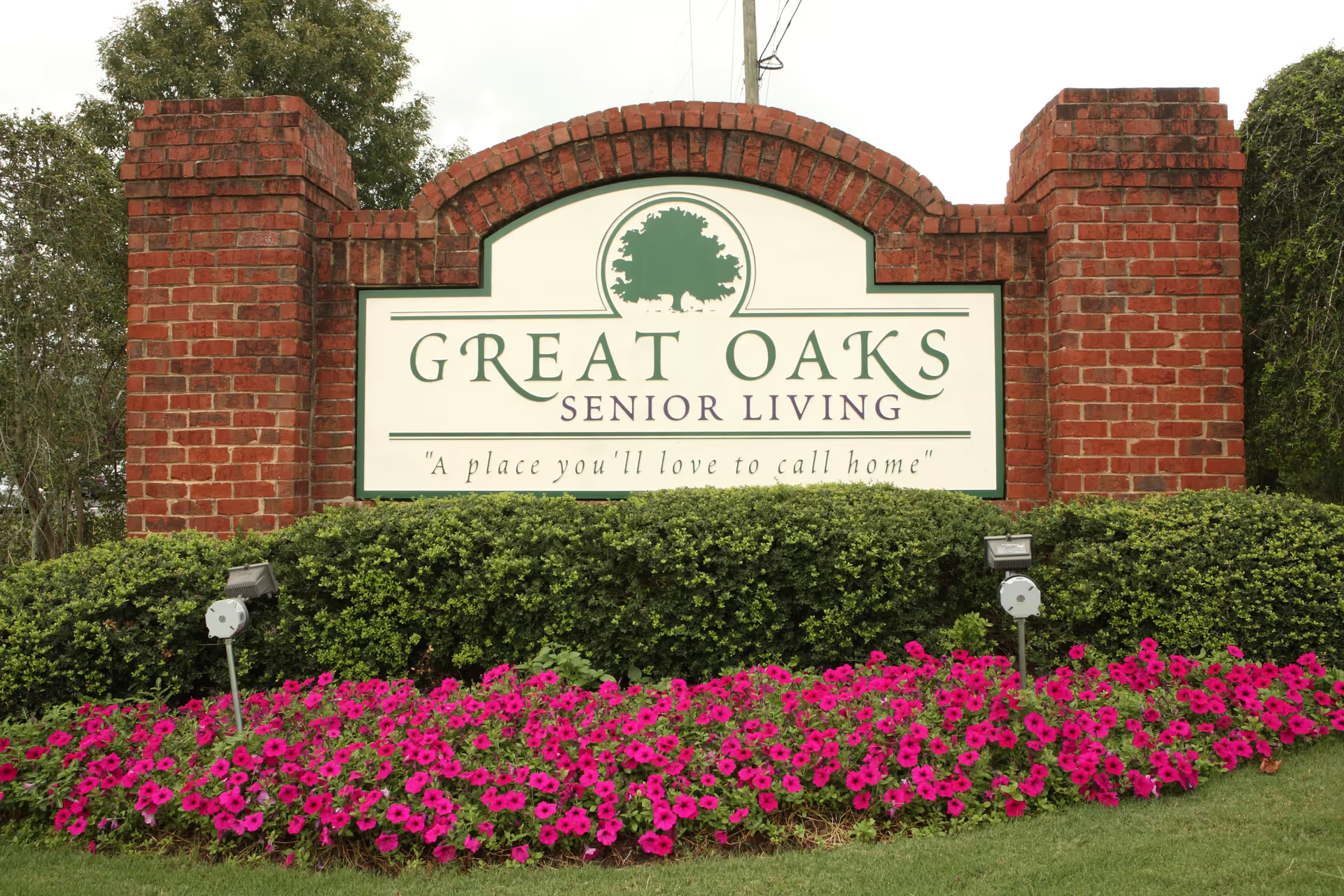
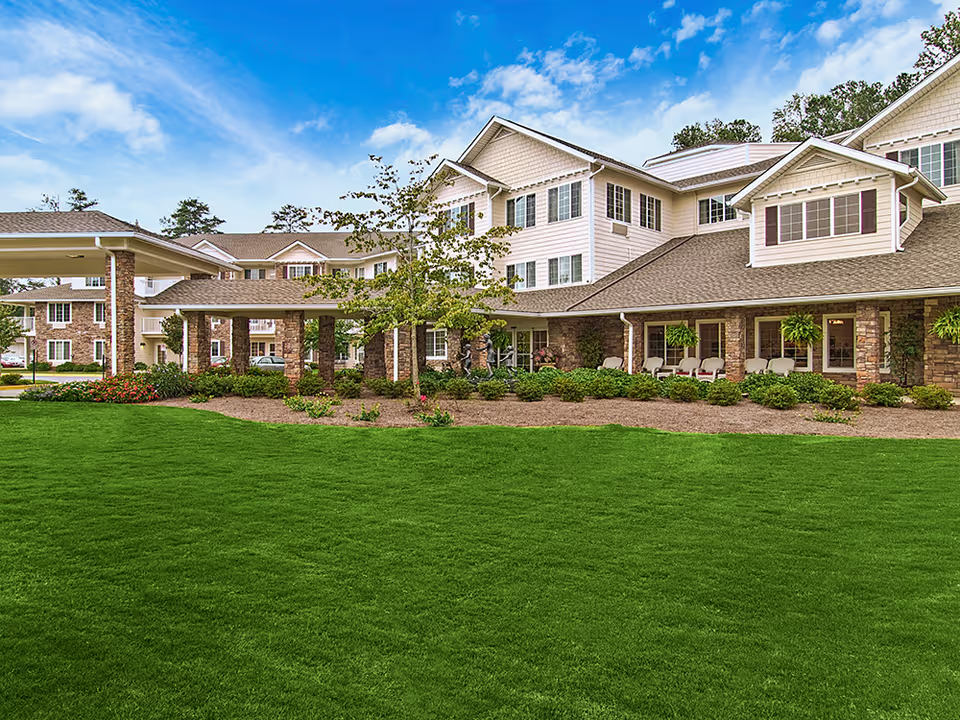
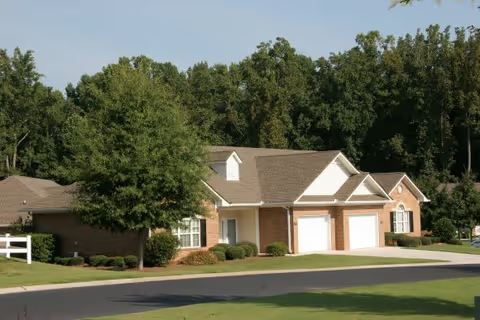
The Retreat at Loganville elicits strongly mixed impressions. Strengths most consistently cited include a friendly, compassionate frontline staff, a broad schedule of activities, attractive communal spaces and grounds, and a range of housing options from independent cottages to assisted-living suites and a separate memory-care unit. Many families praise the admissions process and tour staff, note useful on-site clinical resources (visiting physician/doctor access), and appreciate amenities such as transportation, a salon, chapel, library, and multiple dining areas.
Care quality descriptions are variable. Numerous accounts highlight attentive aides and helpful nurses who provide medication management, assistance with bathing and dressing, and routine check-ins. At the same time, there are recurring concerns about staffing levels and responsiveness: high staff-to-resident ratios, delays answering call buttons, and inconsistencies in personal-care follow-through. Several comments describe gaps in medication administration and clinical monitoring; these suggest that care reliability may fluctuate depending on shift staffing and personnel mix.
Dining and housekeeping receive mixed evaluations. Some reviewers describe very good meals, a chef who provides standout items, dignified dining rooms and social meal experiences; others report inconsistent food quality, problems with meal temperature and timing, and variability in portioning or menu appeal. Housekeeping and laundry services are generally cited as services offered, but cleanliness and sanitation are uneven in some units according to multiple accounts, and cleaning staff capacity appears strained at times.
Activities and community life are frequently praised. The community offers daily programming (bingo, crafts, Bible study, outings, movie rooms, and special events), an active activities director, and opportunities for socialization across wings and in outdoor spaces. That said, activity staffing and follow-through can be inconsistent in certain parts of the campus, and memory-care programming and facilities are described as less updated or less active than the main assisted-living building.
Facility condition is a contrast between renovated, hotel-like common areas and older sections needing maintenance. Many reviewers admire the remodeled assisted-living building, cottages and duplexes that feel well-built and spacious, and the pleasant outdoor areas. However, there are also mentions of deferred maintenance, dated decor in parts of the campus, intermittent HVAC or hot-water issues, and ongoing renovation disruption.
Management and organizational themes recur: families report improved responsiveness under newer leadership in some cases, but others describe communication shortfalls, inconsistent follow-up, turnover, and reliance on agency staff. There are also comments that question the overall value relative to monthly cost and references to regulatory or oversight concerns in isolated instances; prospective families may want to ask for documentation of regulatory status and recent inspection results.
Bottom line: The Retreat at Loganville may be a good fit for residents seeking an active community, attractive grounds, and a range of housing choices—particularly for independent-living or assisted-living residents who can benefit from the renovated main building and robust activity schedule. Prospective residents and families should prioritize an in-person tour of the specific unit type they are considering, ask targeted questions about current staffing ratios, call-response times, medication administration processes, housekeeping schedules, and the condition and programming of the memory-care unit, and request recent inspection or compliance information to confirm consistency of care and services.