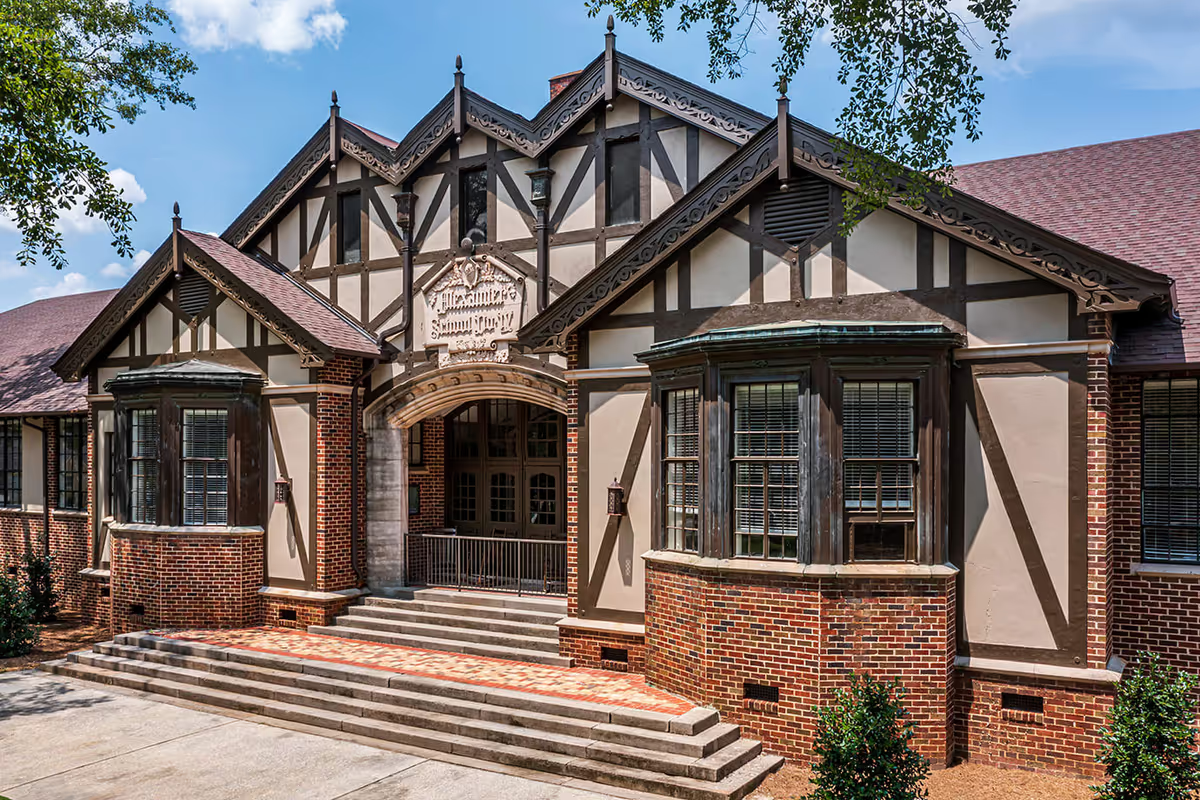
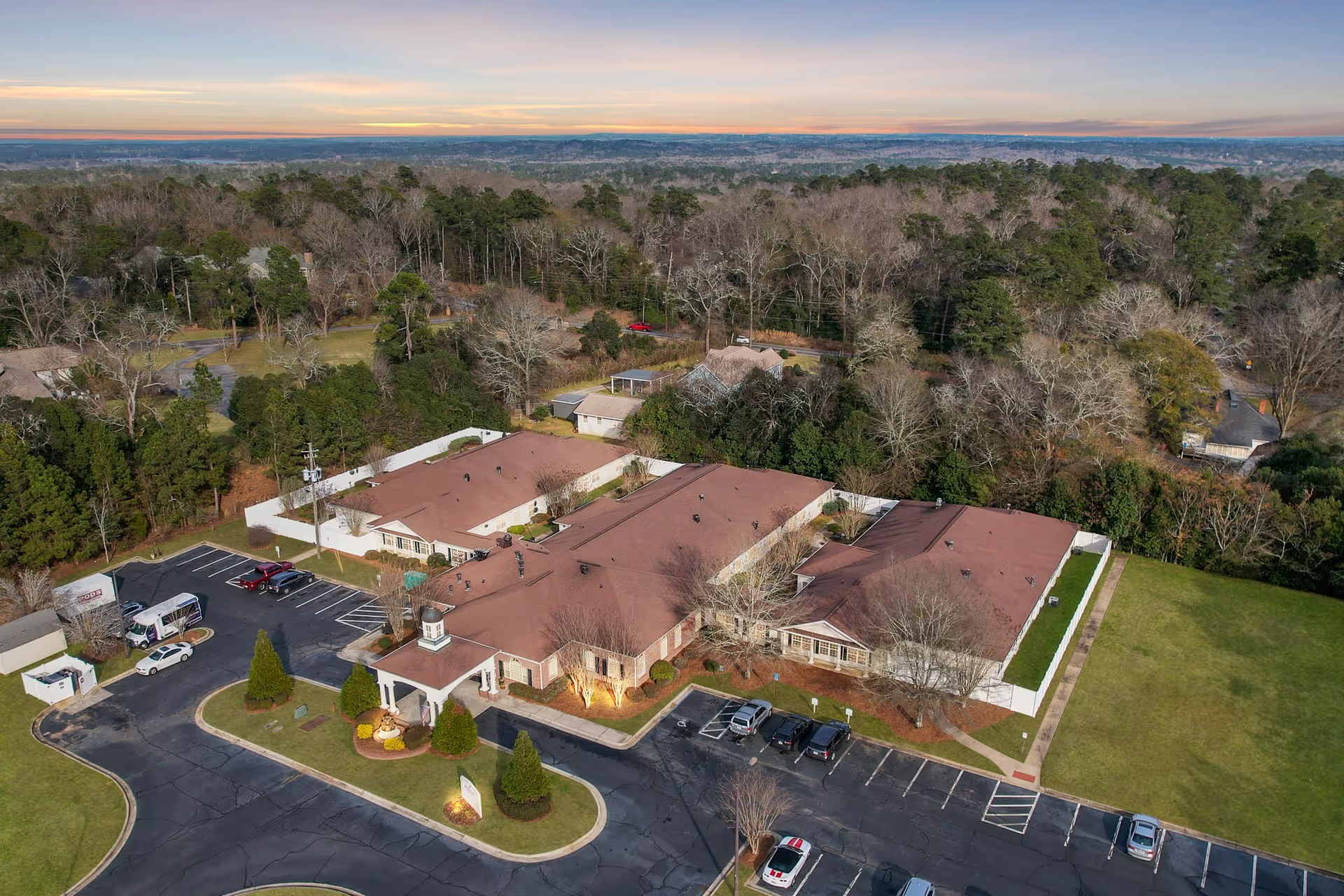
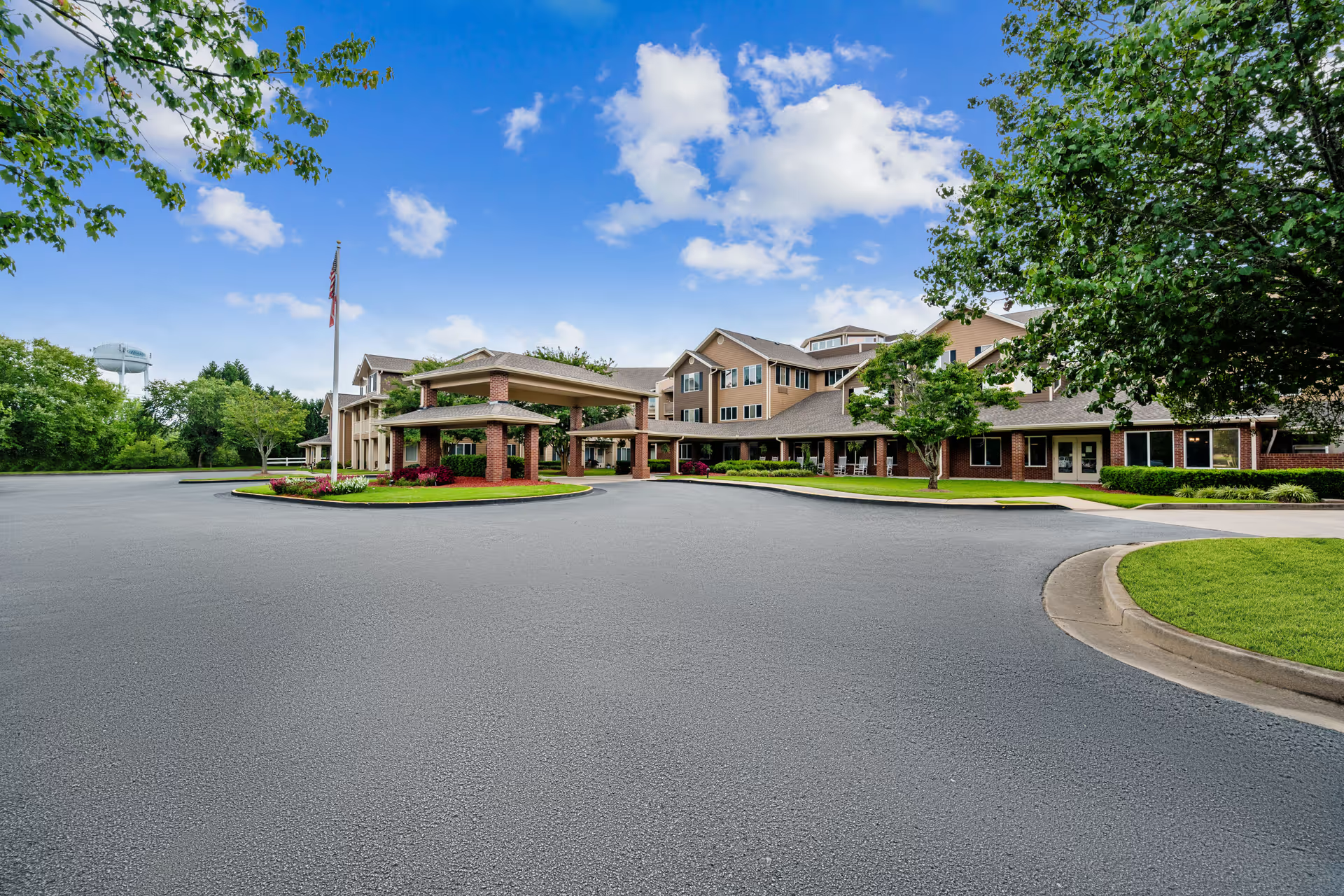
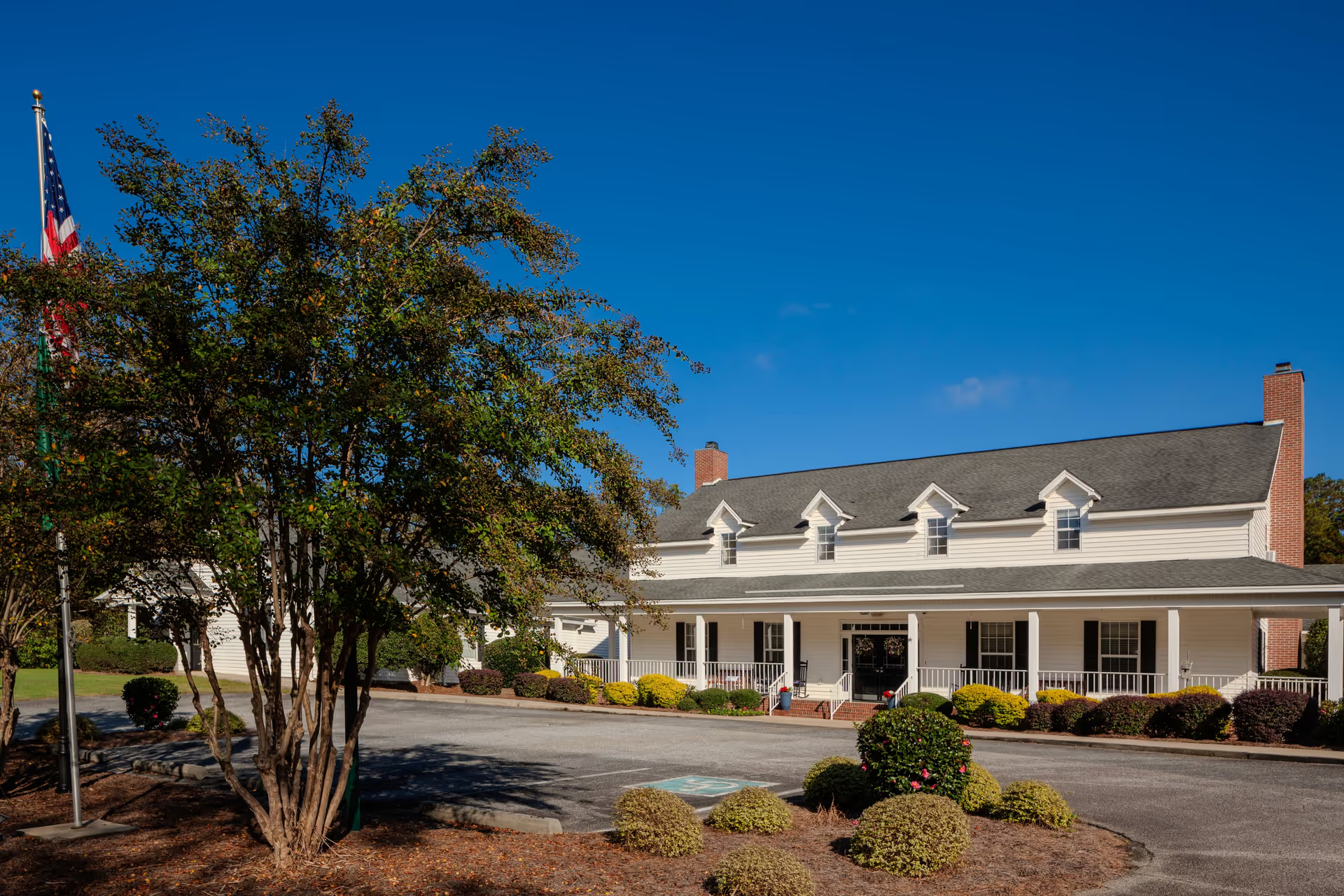
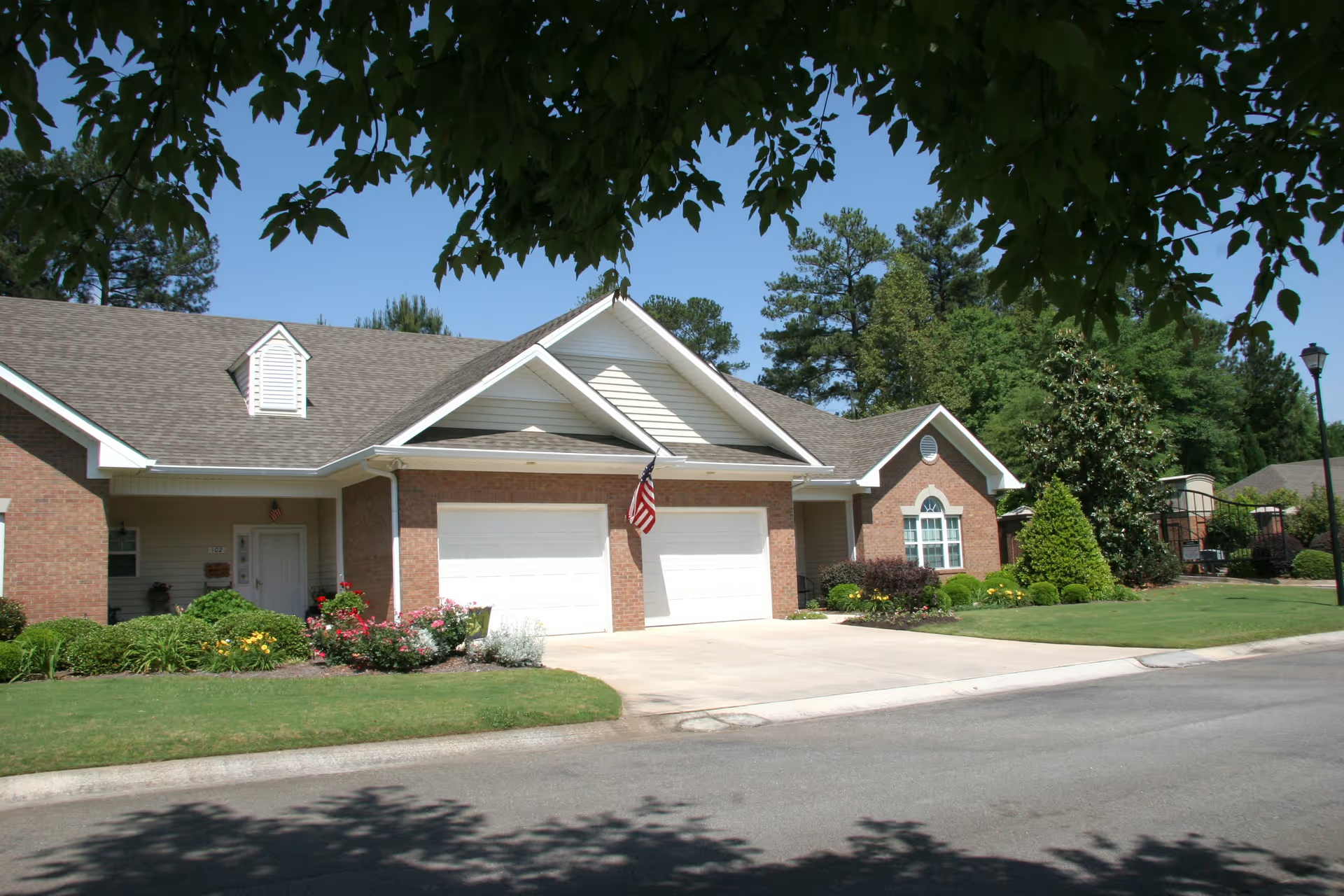
Overall impressions emphasize a welcoming independent-living environment with attractive grounds and a strong sense of community. The campus, particularly the lakefront setting and outdoor landscaping, is consistently described as well maintained. Common areas and the dining room are generally clean and organized, while security measures and controlled building access contribute to a sense of safety. Housing options span villas with full in-unit amenities and smaller apartments or studios; villas are highlighted for larger layouts and in-unit washers/dryers and dishwashers, while the smaller units are noted as compact and may lack kitchen facilities.
Staff interactions receive frequent positive mention: many accounts describe helpful, compassionate, and approachable employees who support move-in, admissions navigation, and day-to-day resident needs. Reviewers also note strong employee engagement and retention, and several accounts highlight individualized touches at move-in and responsive front-desk assistance. At the same time, there is a clear pattern of variability in frontline performance. Concerns include inconsistent responsiveness, uneven follow-through on routine service requests, and specific lapses in medication handling. These patterns suggest variability in operational consistency across shifts or teams rather than uniformly poor conduct.
Dining and programming present mixed signals. The facility offers an active social calendar with Bible study, bingo, exercise classes, special events, and regular transportation to shopping—features that support social engagement and resident satisfaction. Dining quality is described both positively and inconsistently: some residents praise the food, while others cite variable meal quality, limited meal-service hours, and restrictions on beverage service. Meal-delivery and assistance for residents with mobility or medical limitations are described as limited or inconsistent, which may affect residents who rely on delivered meals or closer dining support.
Operational and facility-level limitations are notable. Reviewers point to unclear explanations of what independent-living rent covers, occasional maintenance follow-through gaps (including pool availability, laundry equipment performance, and areas needing attention such as floors and bathrooms), and aging infrastructure elements like elevators. Several families expressed confusion or frustration with admissions communication, waitlists, and policy inconsistencies (for example, around pet policy and unit availability), which can complicate planning. Cost/value concerns appear to hinge on unit size and included services; villas generally offer stronger in-unit features and perceived value, while smaller studios are sometimes described as expensive for the square footage and amenities provided.
Implications for prospective residents and families: Magnolia Manor of Macon presents many hallmarks of a supportive independent-living community—engaging activities, attractive grounds, a secure campus, and numerous staff who are described as caring and helpful. Prospective residents who prioritize active programming, outdoor settings, and villa-style units with in-unit laundry will likely find strong fit. Those who require reliable meal delivery, consistent clinical or nursing support, or clear, all-inclusive pricing should clarify deliverables in writing and assess operational consistency during tours (ask about medication protocols, meal-delivery policies, staffing patterns, and real-time maintenance response). A focused conversation with management on existing supports for higher-care needs and documentation of what is included in rent will help align expectations with resident needs.