Overall impression: Golden Rose Personal Care Home is described by families and visitors as a small, home-like community with a strong emphasis on compassionate, personalized care. Many accounts highlight staff commitment, continuity of caregivers, and a family-oriented atmosphere. Reviewers frequently cite long-tenured staff and an RN-owner or similar clinical oversight as factors that support individualized care plans and proactive medication adjustments.
Care and staff: The dominant theme across feedback is positive staff–resident interaction. Caregivers are described as attentive, polite, and engaged; many families emphasized clear communication from management and noted supportive behavior during end-of-life transitions. The facility’s smaller scale appears to facilitate individualized attention and relationship-building. At the same time, some reviewers observed limited visible nursing presence on tours or during visits, which suggests clinical staffing levels may vary across shifts.
Dining and nutrition: Meals are consistently described as home-cooked and well received, with mentions of an on-site cook and family-style dining. Celebratory and holiday meals were cited positively. A few comments referenced meal-service logistics (meals being prepared on arrival), generally indicating timely food service and a pleasant dining environment.
Activities and social life: Golden Rose offers a range of social and recreational options — bingo, karaoke, crafts, game nights, knitting and other group activities were reported — and staff engagement with residents was praised. However, activity participation and program intensity appear variable; some reviewers described an active schedule and high resident involvement while others found periods of low stimulation. Prospective residents should assess current programing during a visit to confirm alignment with individual preferences.
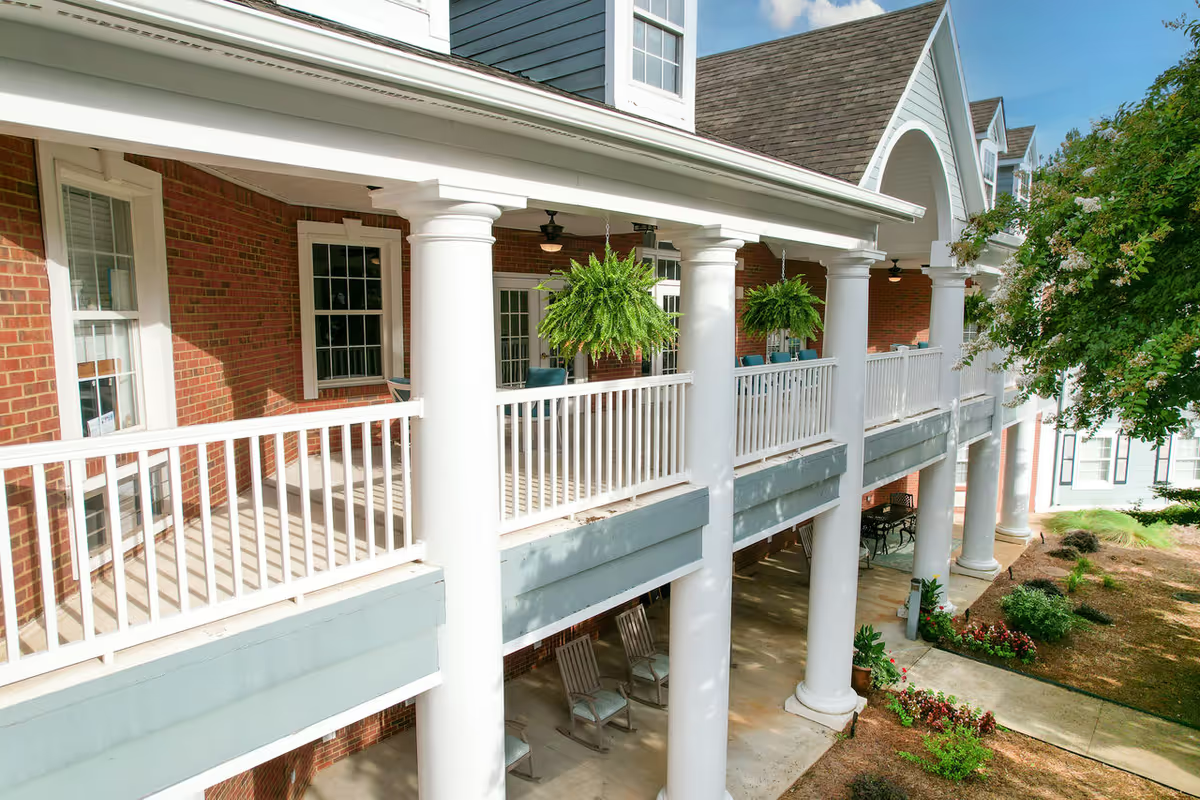
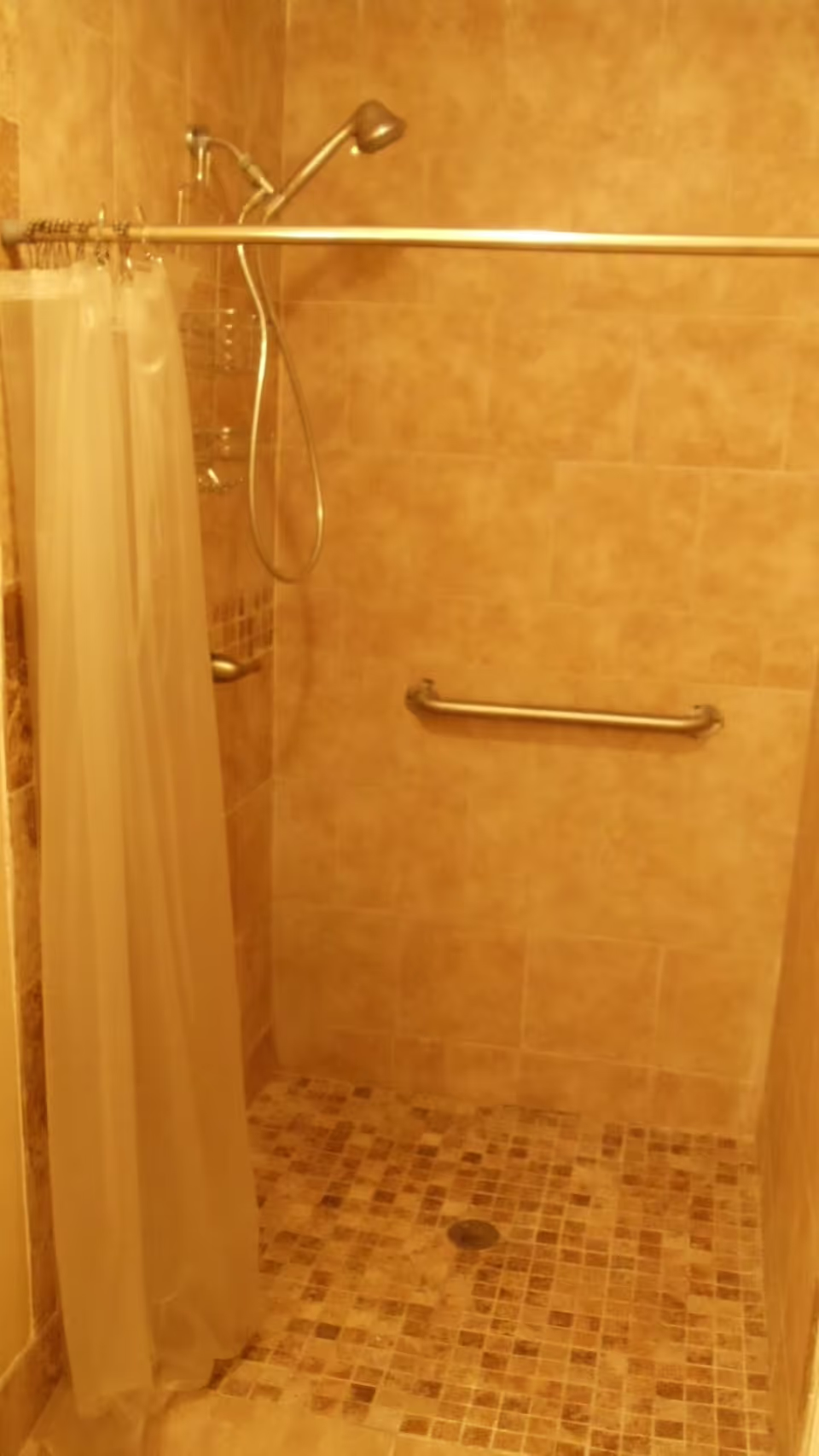
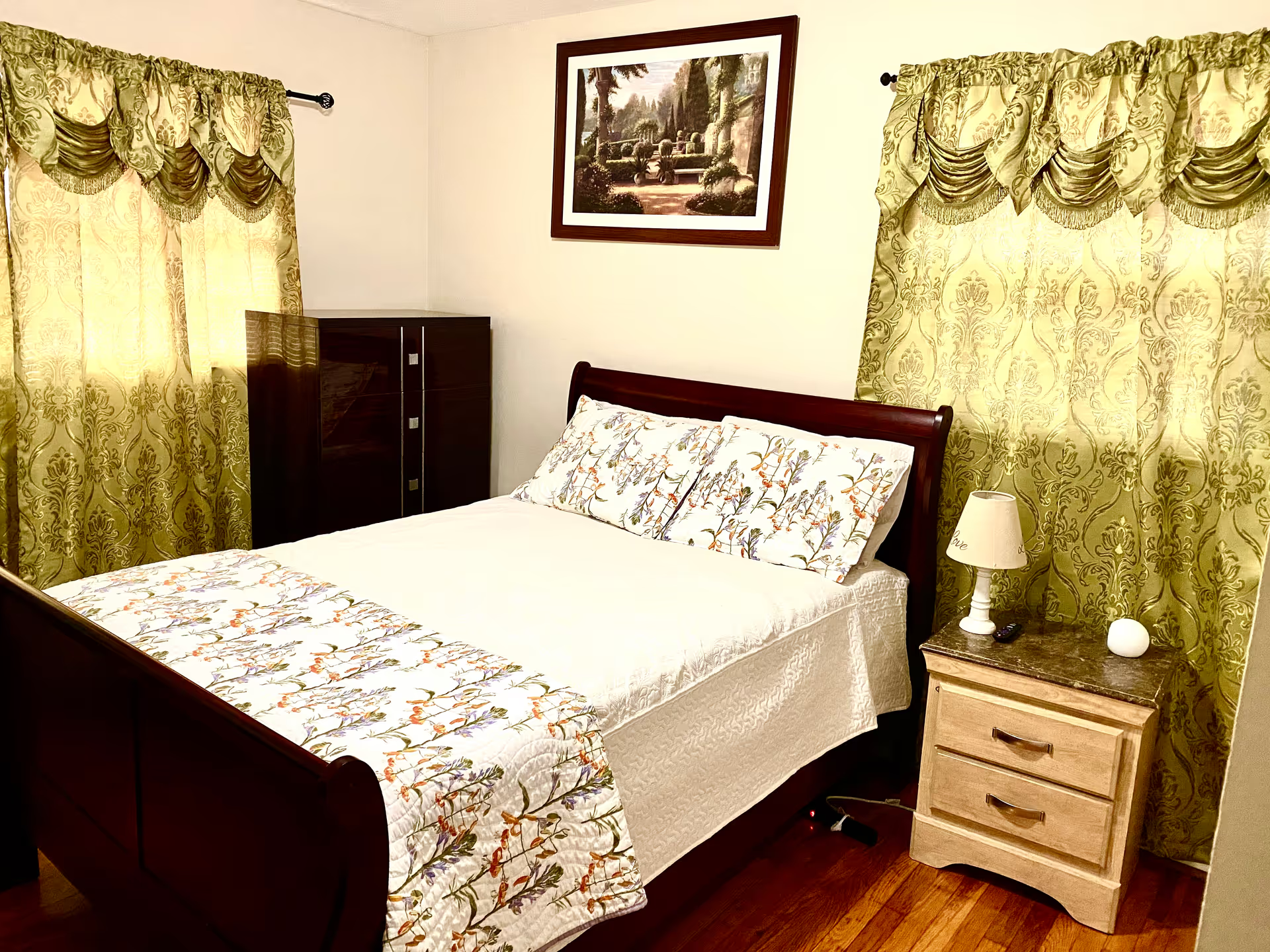
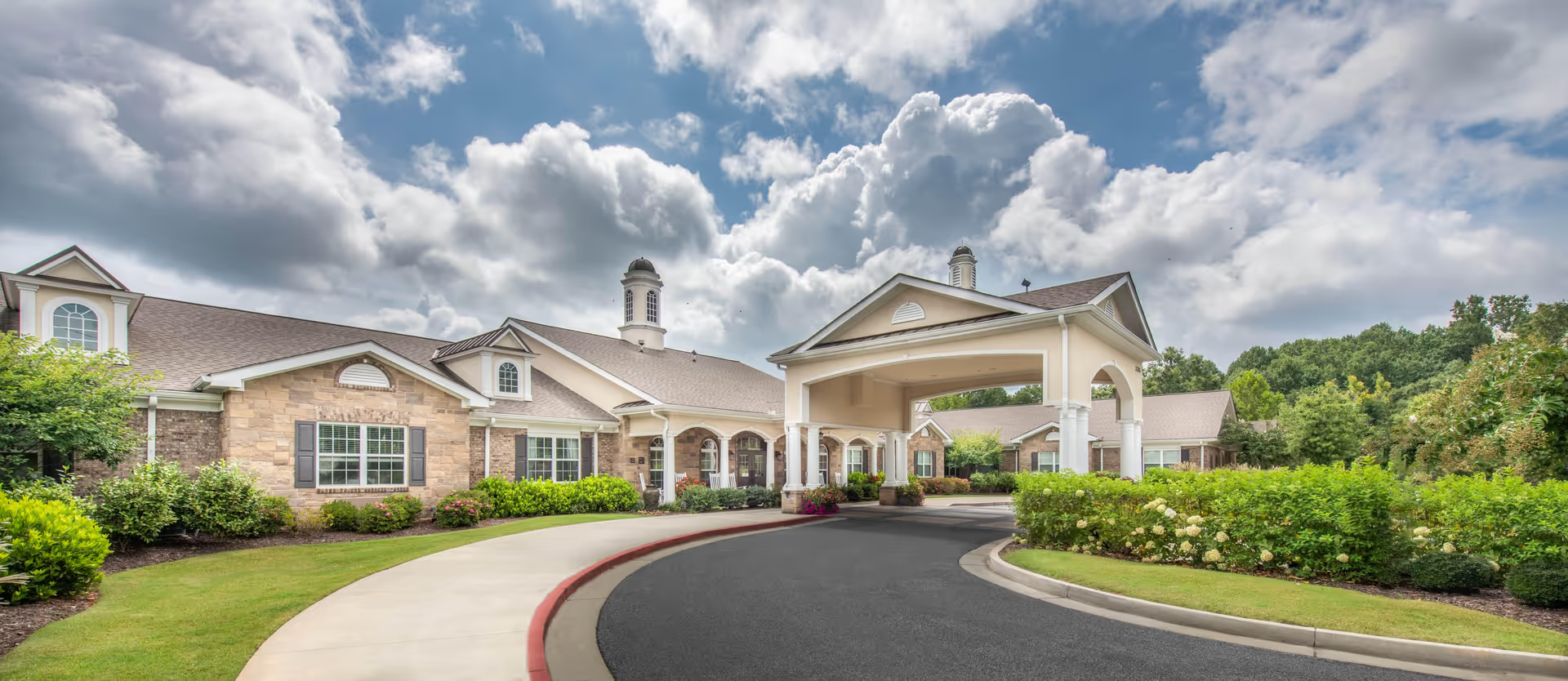
Facilities and safety: The physical plant is described as clean, cozy, and home-like, with inviting dining areas and maintained outdoor spaces and patios. Reviewers praised cleanliness and a welcoming interior. Trade-offs associated with the small, older building include dated amenities, some poorly lit areas, constrained room layouts (especially in shared rooms), and entry/wayfinding clarity issues. Importantly, the facility is not fully secured for residents at risk of wandering; families caring for people with significant exit-seeking behavior or high memory-care needs should evaluate perimeter and supervision arrangements closely.
Management and logistics: Management and the director receive strong positive remarks for being informative, patient, and available for communication. Admissions and move-in processes were described as straightforward, with staff assisting paperwork and placement. Conversely, transportation and logistical support for hospital transfers appears limited, which may require families to arrange external transport. Cost perceptions vary: many reviewers called the pricing affordable or good value, while others found certain room options or services to be outside their budget; expect variability depending on room type and level of care.
Notable patterns and recommendations: The facility’s strengths lie in its compassionate caregiving, small scale, and home-style environment, making it well suited for families seeking personalized attention and close staff relationships. Potential trade-offs include the building’s age, room configuration constraints, occasional uneven activity engagement, and safety considerations for residents who wander. Prospective residents and families should tour the facility during activity times, review clinical staffing patterns and emergency/transfer procedures, and inspect room layouts to ensure the environment meets clinical and safety needs.