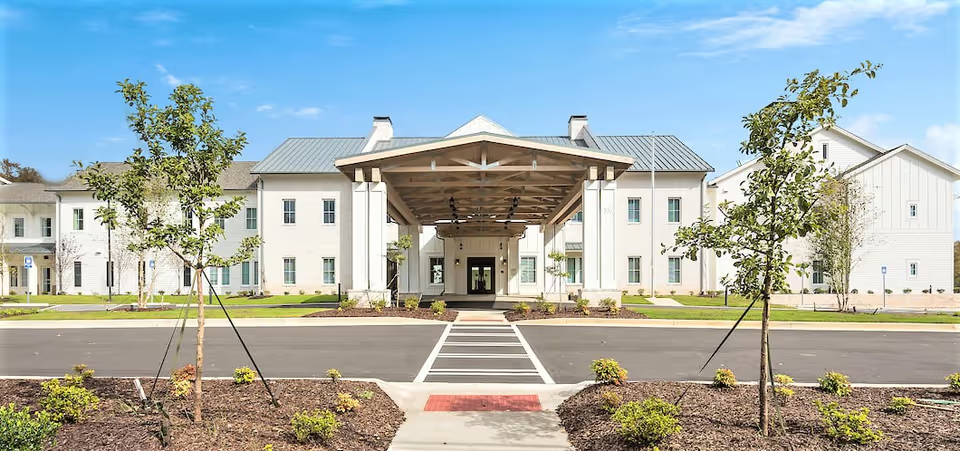
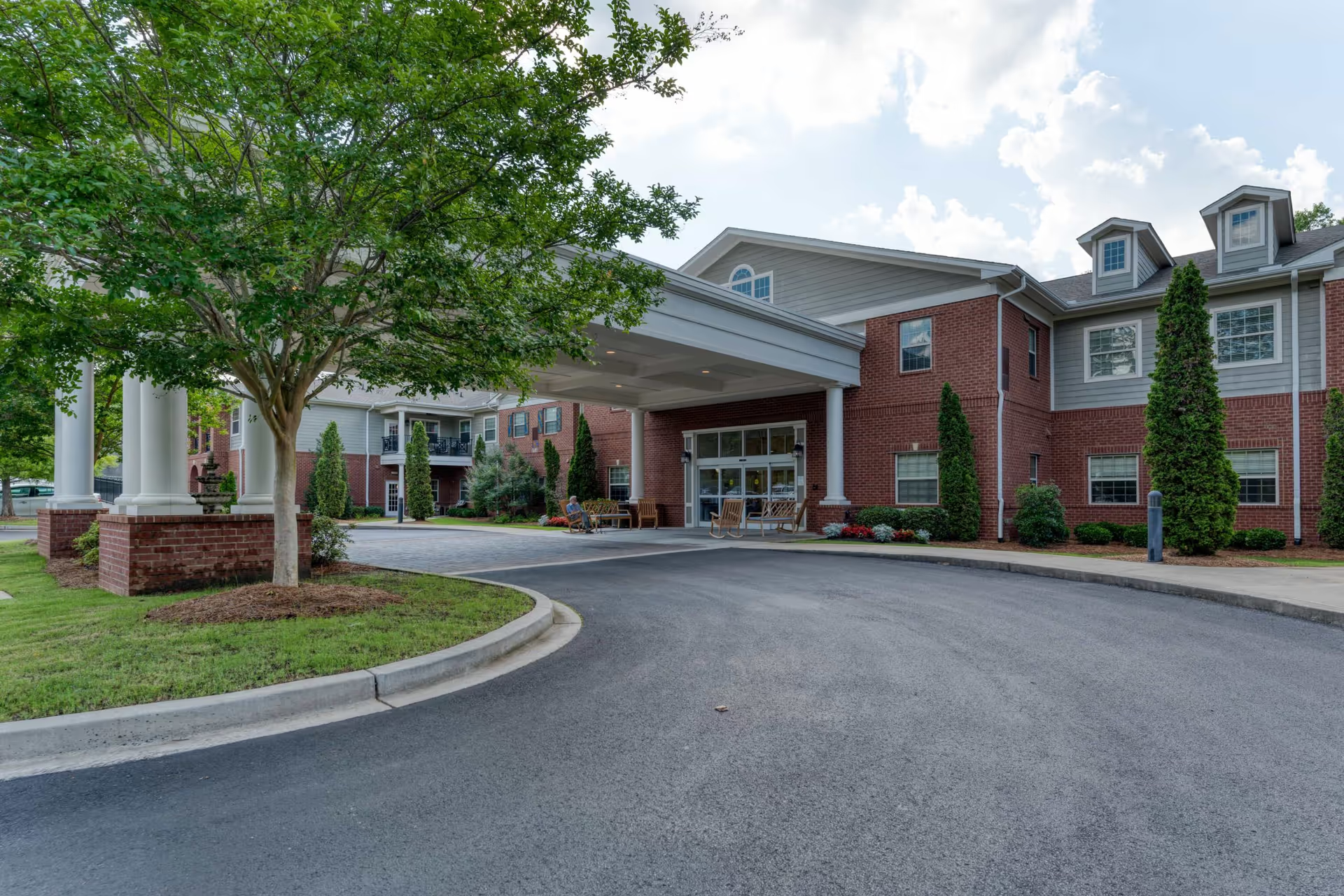
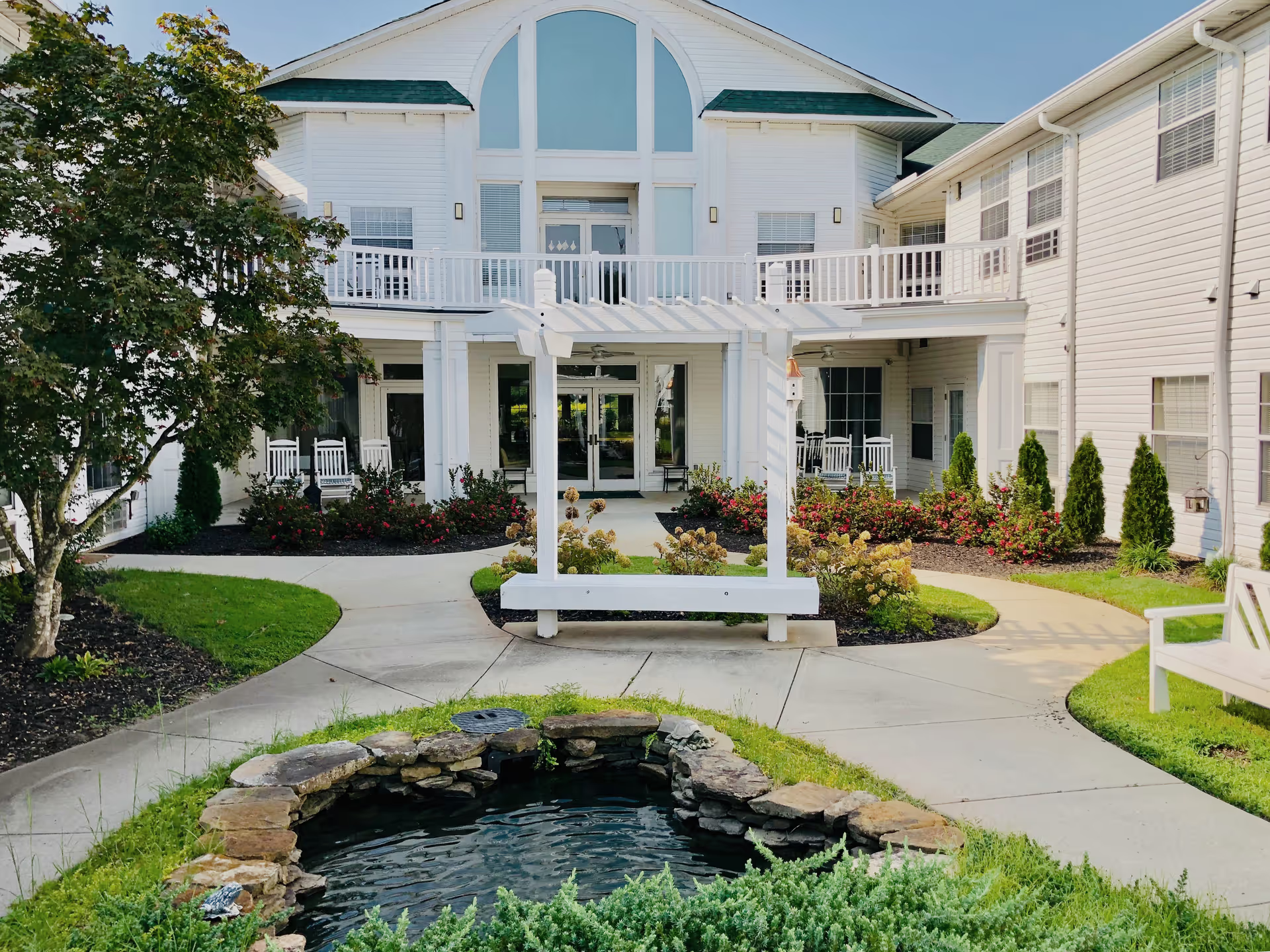
Thrive at Augusta is described overall as an attractive, resort-like assisted living community with strong strengths in staffing culture, dining, and social engagement. Reviewers consistently praise the facility’s appearance — well-maintained grounds, thoughtfully designed interiors, and comfortable apartments — and many families highlight a welcoming atmosphere and active resident life. The community offers on-site therapy services and a visible focus on resident well-being, which some families found reassuring.
Care and staff are the facility’s most frequently cited strength. Many accounts emphasize compassionate, attentive caregivers, personable leadership, proactive family communication (including virtual check-ins during restricted visitation), and staff who create a sense of safety and being cared for. That said, there is variability noted in staff experience and competence: several comments point to early-stage inexperience with a newer facility and occasional inconsistencies in how individual staff members perform. Operationally, this appears to translate into uneven experiences across households and shifts.
Dining and activities are also prominent features. The dining program — organized around a skilled chef — receives high marks for menu variety and quality from many families, and residents describe memorable meals and special touches. However, others describe inconsistent food quality and smaller-than-expected portions or seasoning issues, indicating variability in culinary delivery. Social programming is described as robust and engaging when running; pandemic-related restrictions temporarily reduced group activities and visitation, but staff frequently sought to maintain engagement through alternative means.
There are notable concerns around memory care and personal-care consistency. While some reviewers praised memory-care activities and staff, others expressed that the community may be less well suited to residents with advanced dementia or complex memory needs. Separate comments highlight inconsistent personal-care responsiveness — for example, irregular bathing or hygiene schedules — which points to operational gaps in personal-care delivery rather than isolated praise or criticism. Families also described a perception gap between promotional materials and lived experience, and some requested greater transparency or oversight options.
Management and communication emerge as mixed. Positive mentions of personable leadership and culture coexist with criticisms of management consistency and administrative communication. Several families called for clearer administrative responsiveness and more consistent follow-through on operational commitments. The facility’s safety-first approach during the COVID-19 period was appreciated, though visitation restrictions and event slowdowns affected family access. In sum, Thrive at Augusta presents a largely positive environment for assisted living residents who value quality dining, active social life, attractive surroundings, and engaged caregivers, while families of residents with advanced dementia or those seeking consistently regimented personal-care routines may want to probe memory-care practices, staffing stability, and management communication before committing.