Overall impression: Reviews show a polarized set of experiences. Many families and residents praised the facility for compassionate direct care, strong therapy services, and an engaged activities program; others raised substantive operational concerns that affected clinical confidence and day-to-day living. The result is a mix of clear strengths counterbalanced by recurring system-level weaknesses that prospective families should evaluate in person and against official inspection data.
Care quality: Clinical strengths frequently mentioned include professional nursing presence and a capable rehabilitation team that delivered measurable progress for some residents. At the same time, several families described clinical concerns such as medication changes with difficult side-effect management, recurrent urinary issues, and care transitions that did not always proceed smoothly. These accounts point to inconsistent medication oversight and gaps in care coordination for certain residents rather than uniformly poor clinical care.
Staff and management: Direct-care staff (nurses, CNAs, therapists) receive much of the positive commentary for individualized attention, friendliness, and hands-on support. However, reviewers also highlighted inconsistent teamwork, long call-response times, and frequent staff turnover. Multiple accounts referenced leadership instability — including changes in the director of nursing — and perceived favoritism or supervisory conflicts that can erode staff cohesion. Interpersonal variability was noted as well: some staff members were singled out for excellent bedside manner while others were described as curt or unresponsive.
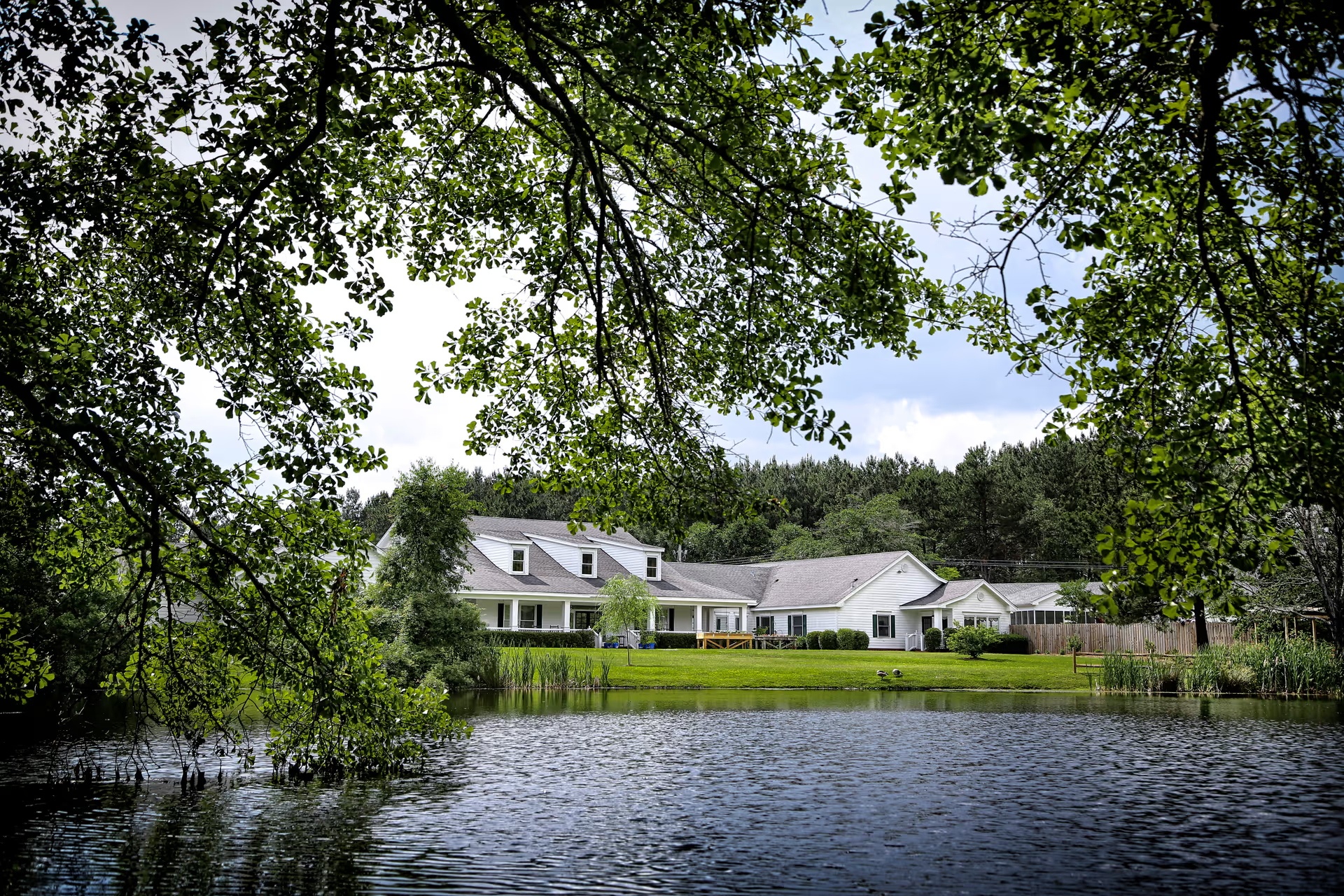
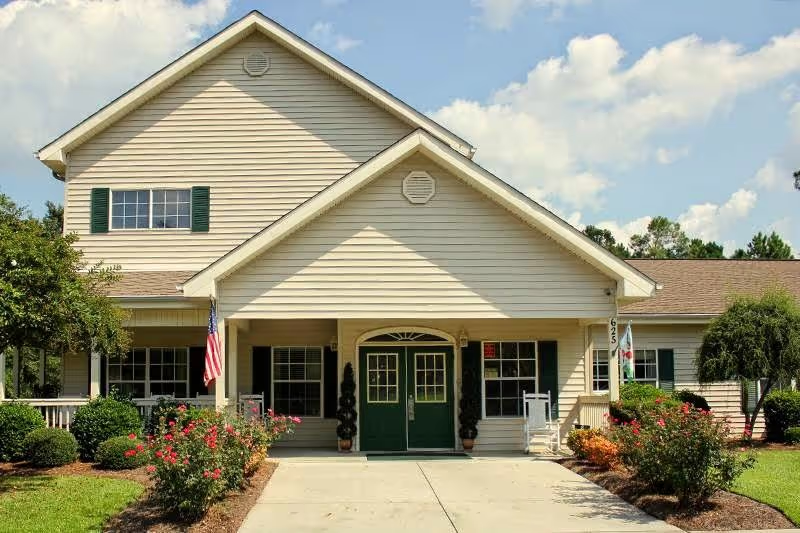
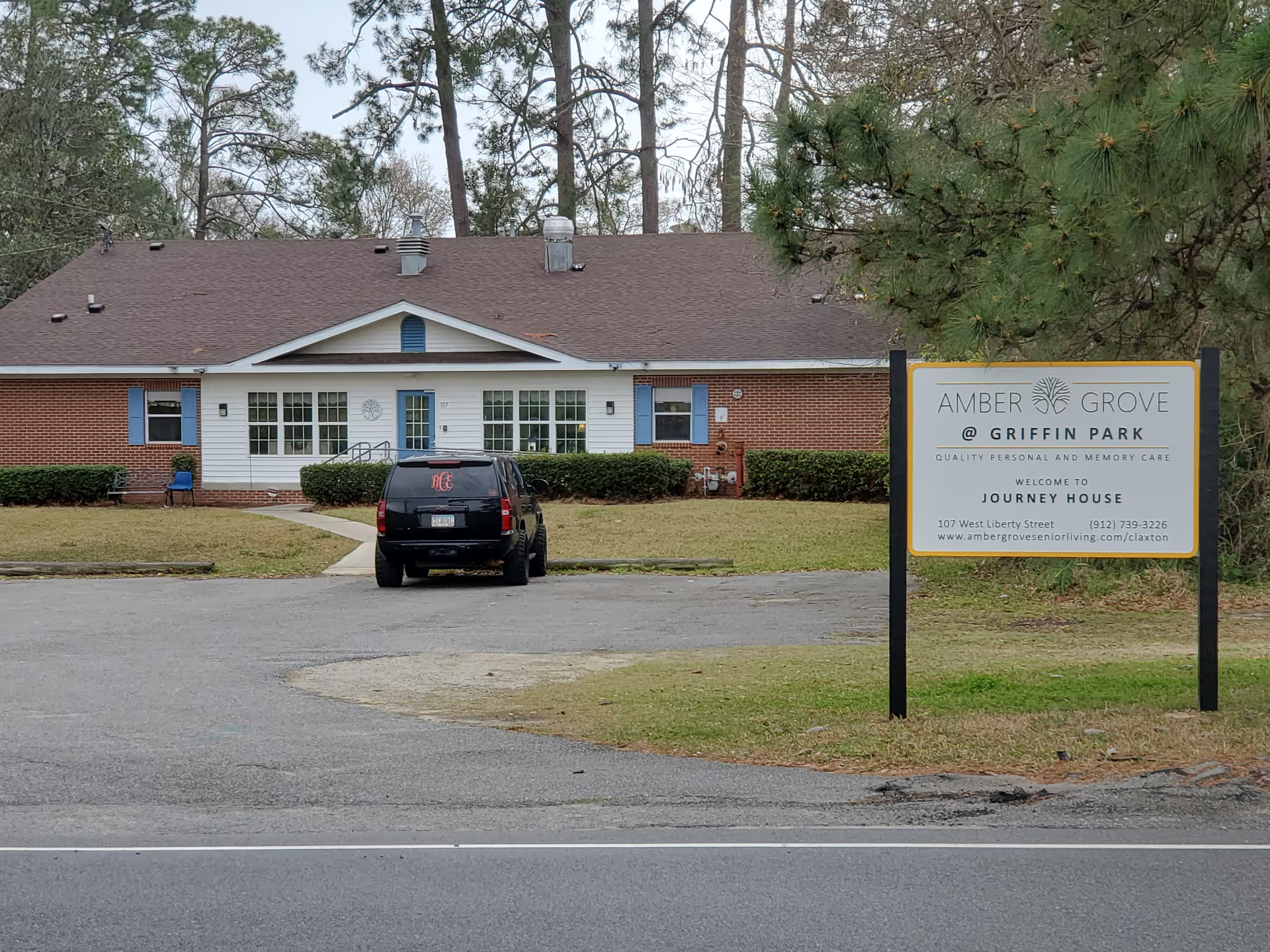
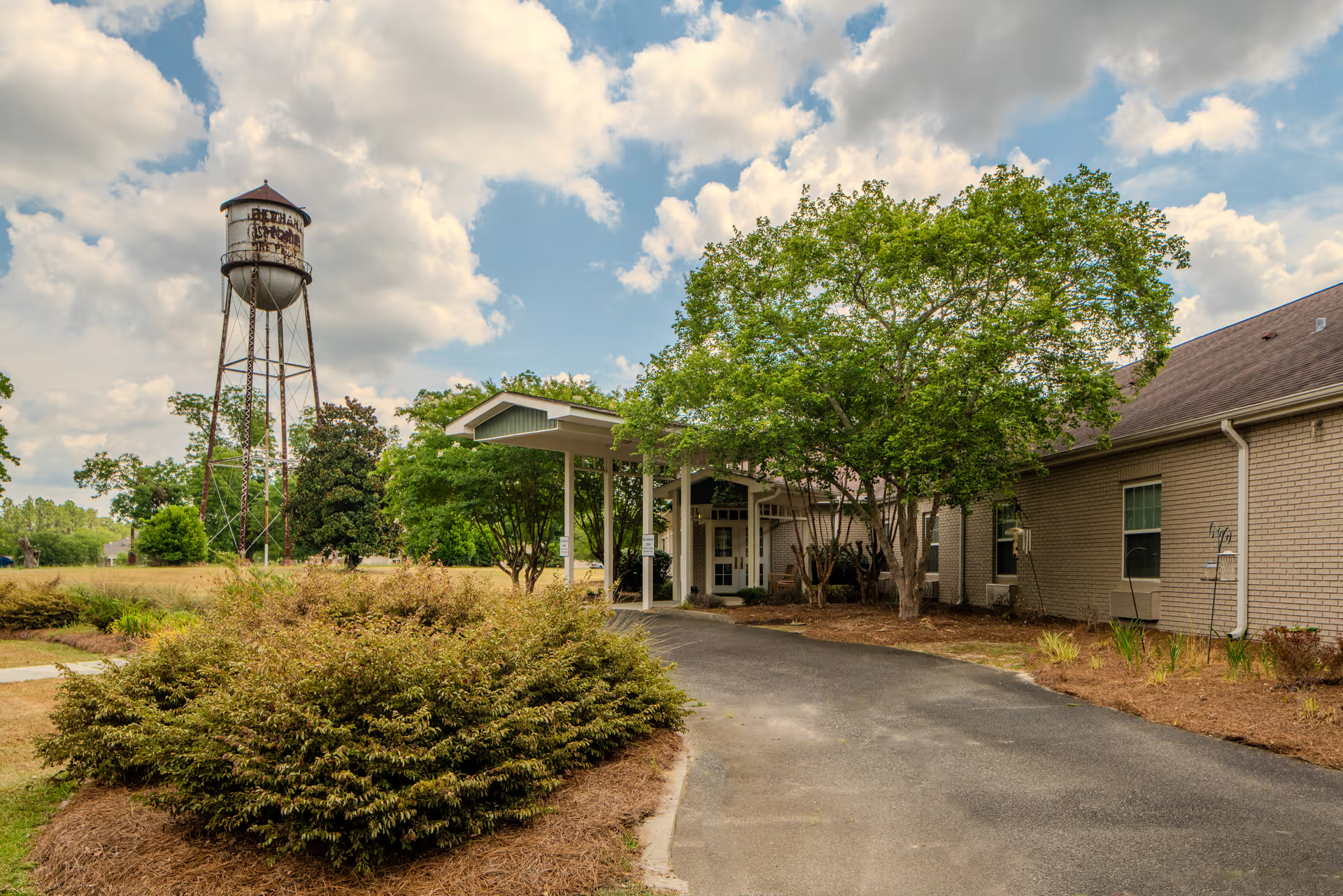
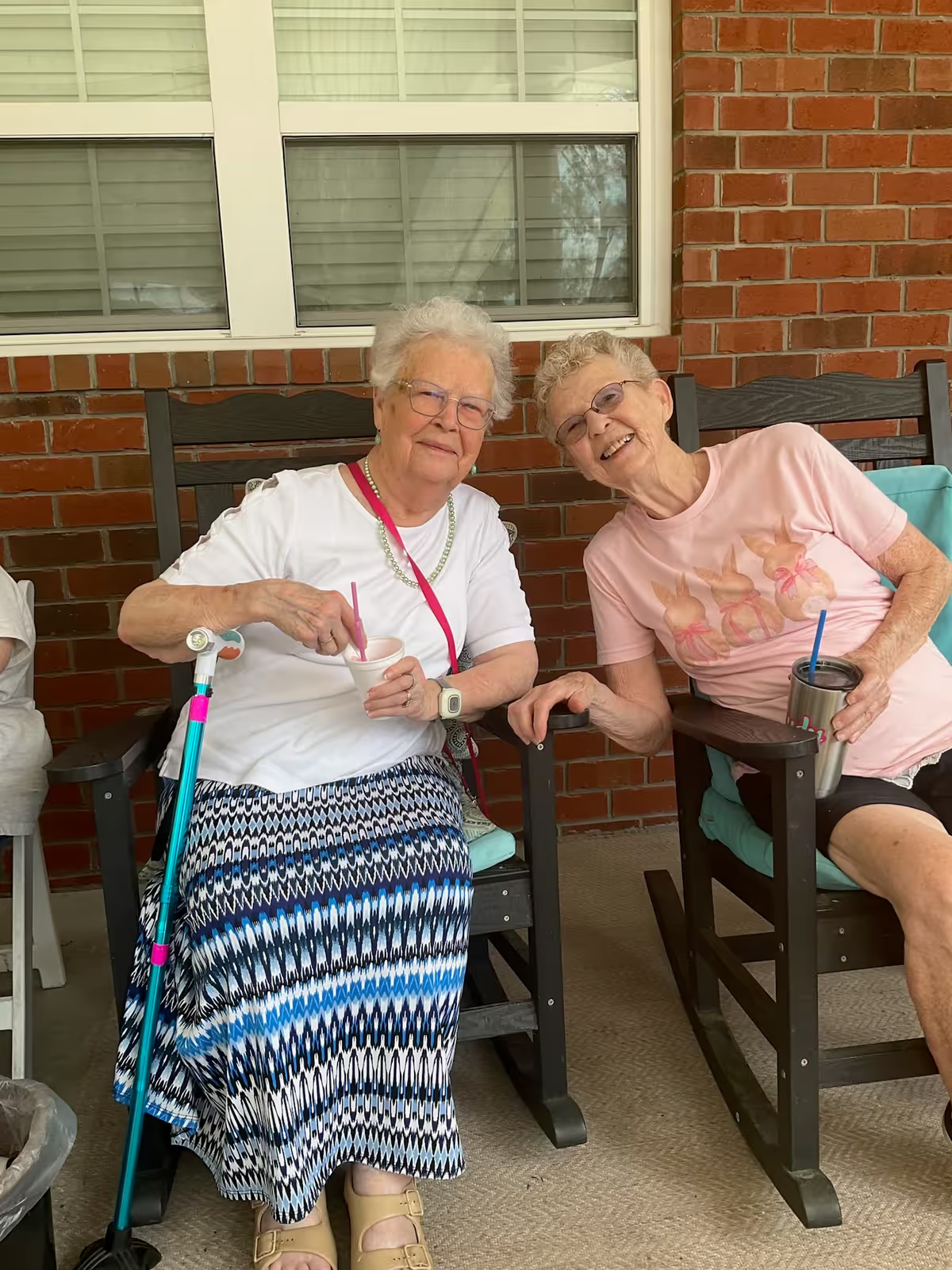
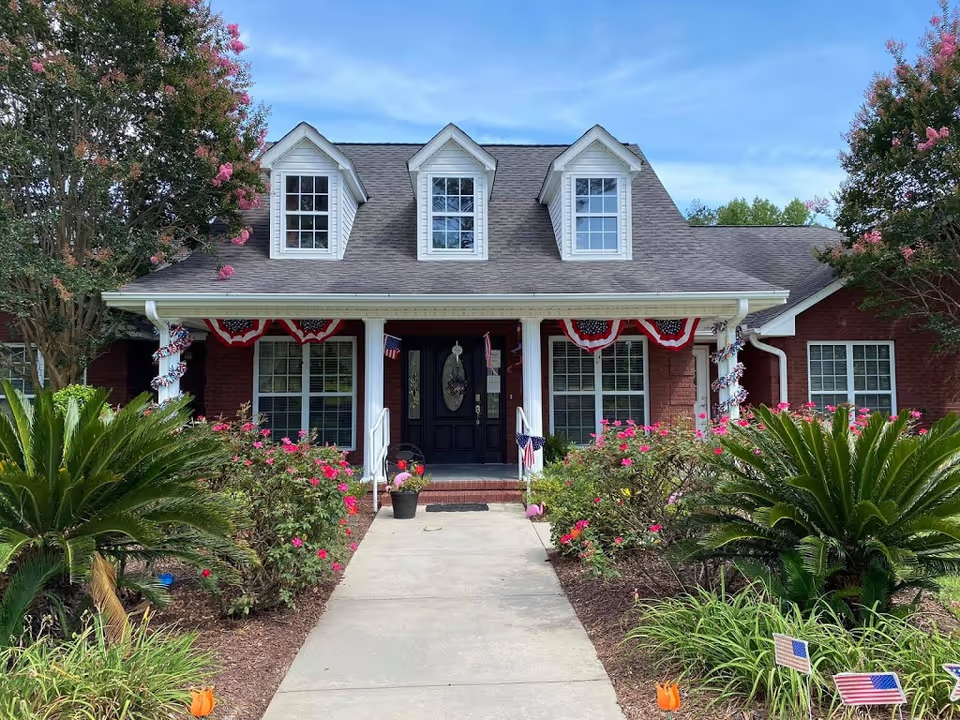
Facilities, dining, and activities: Many families described a clean, home-like interior, pleasant dining, and an active activities calendar that includes pet-friendly porch visits. Environmental and dietary teams were often praised for their attentiveness. Counterbalancing that, reviewers raised issues with equipment maintenance (older beds, in-room fixtures), the absence of an intercom system, and some sanitation and pest-control concerns in specific areas. Activity engagement and social programming were consistently seen as a positive element of resident life.
Notable patterns and practical advice: The narrative across reviews is mixed — exceptional experiences coexist with operational gaps. Recurring themes for improvement are staffing consistency, response times to resident needs, medication-management oversight, and maintenance infrastructure. Because experiences appear to vary substantially by unit, shift, and leadership period, prospective families would be advised to tour the unit at different times, speak with clinical leaders about staffing and medication-review processes, and verify the facility’s latest state survey and CMS inspection history. Direct conversations with administration about corrective actions and staff retention plans may clarify whether the facility’s strong elements are being sustained while operational weaknesses are being addressed.