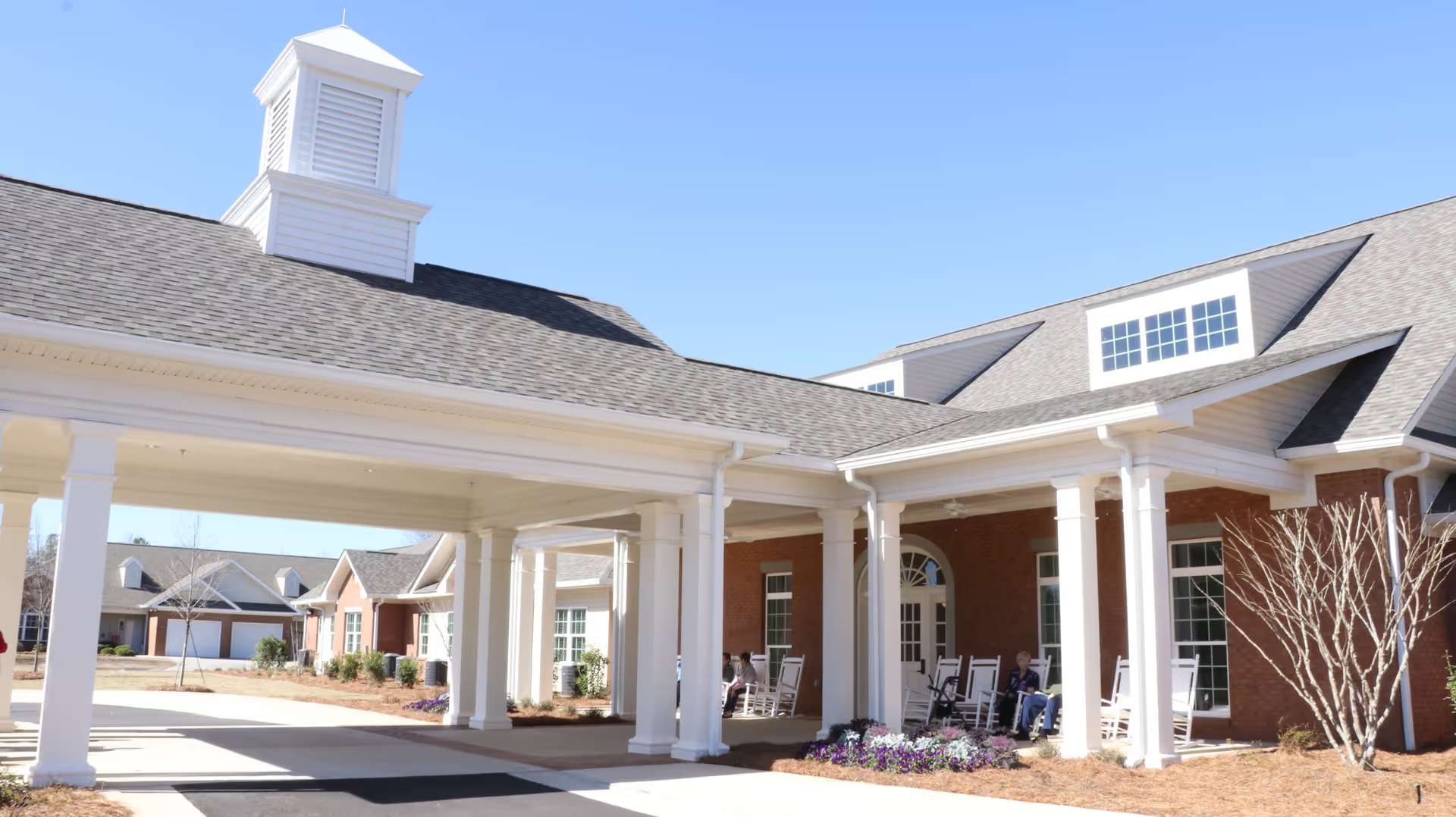
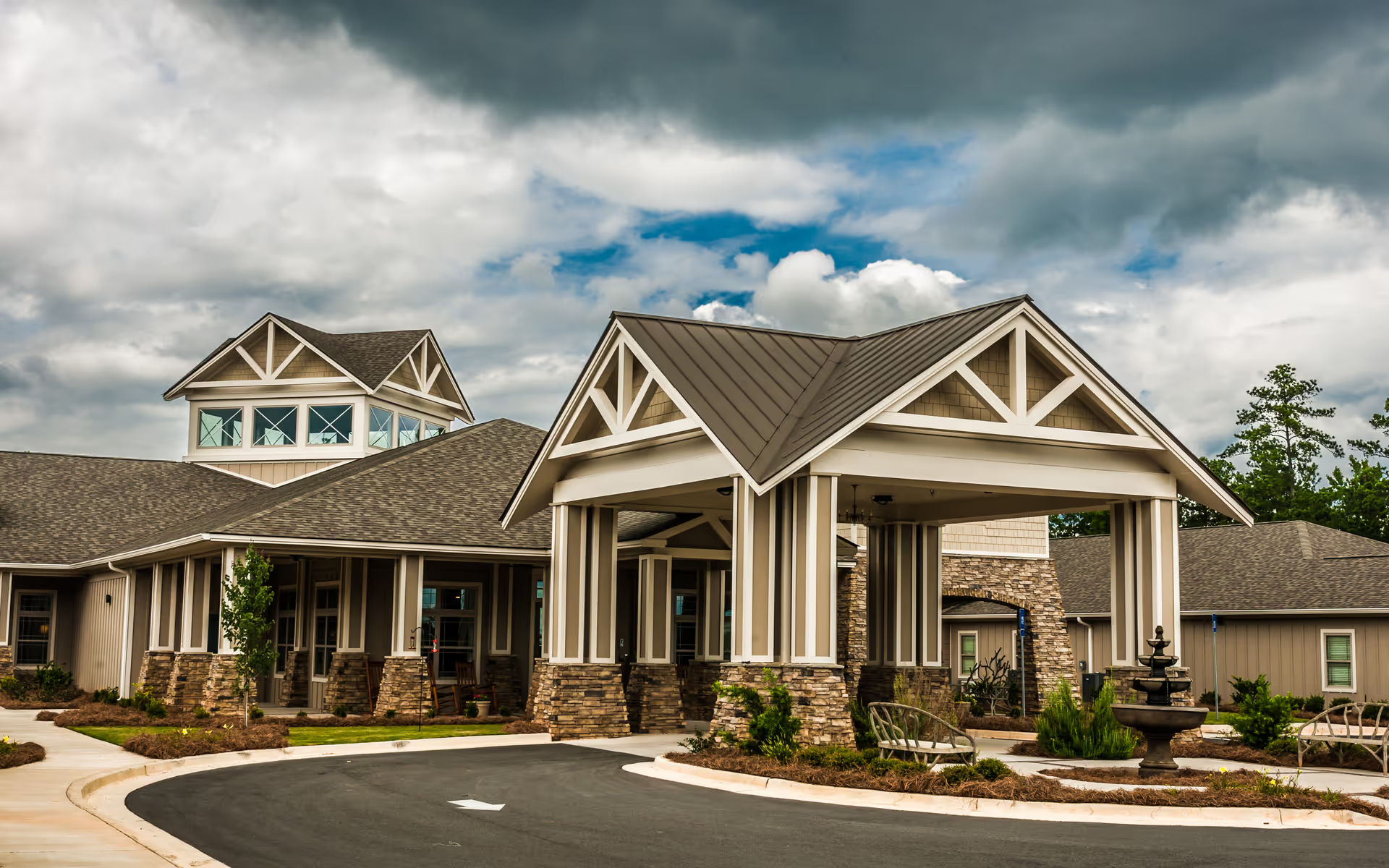
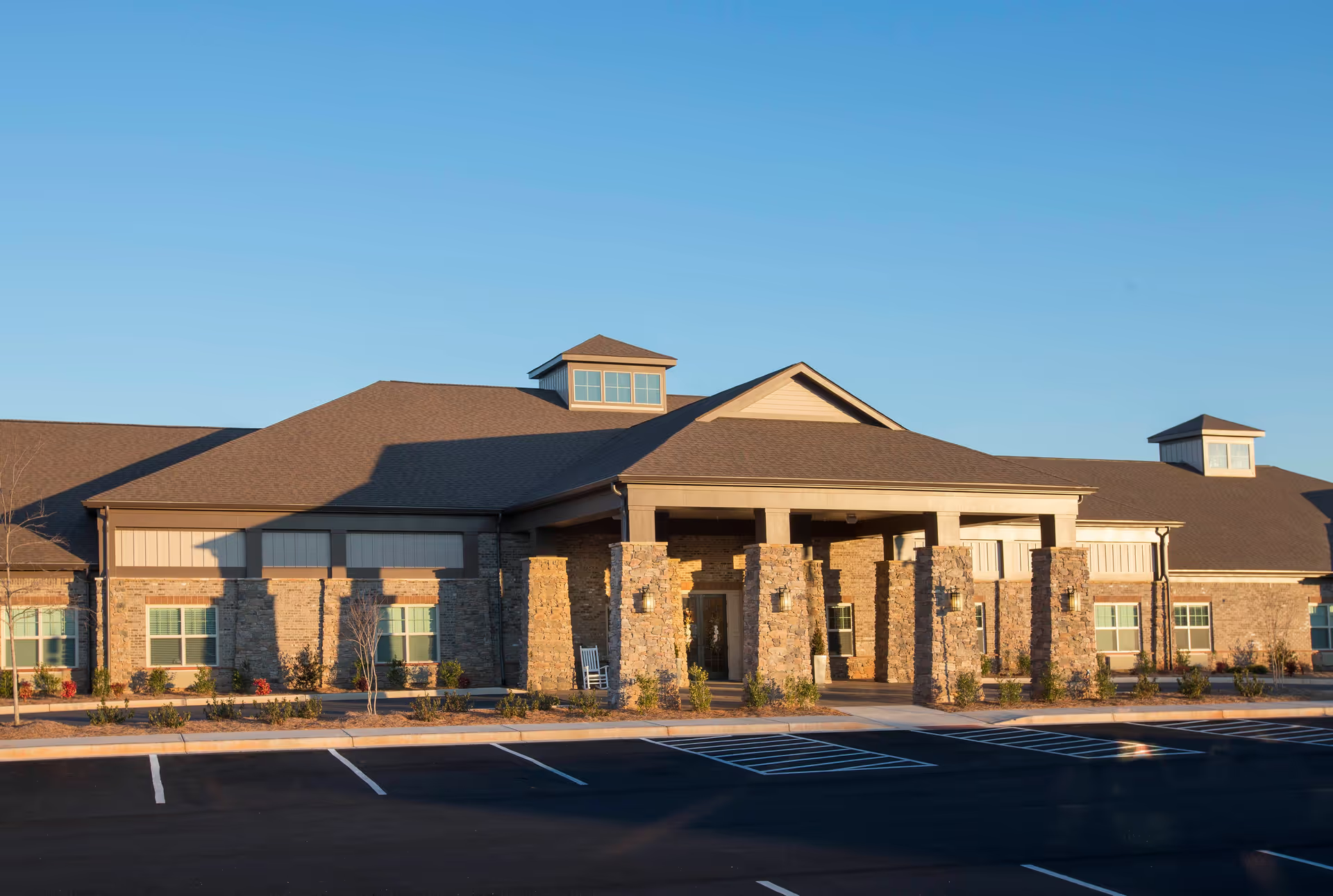
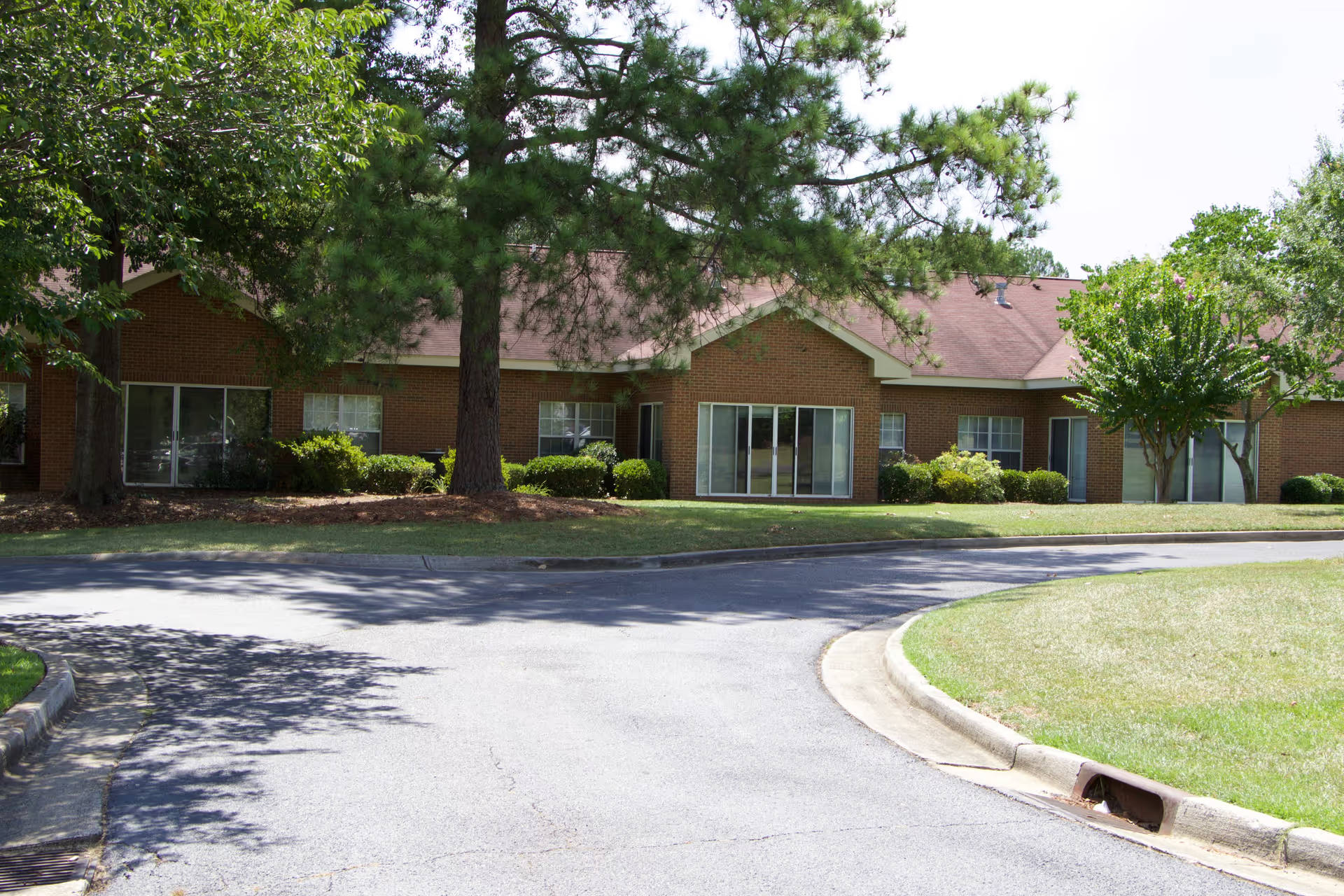
Reviews of Georgia War Veterans Home present a mixed but informative picture. Many accounts highlight the facility’s strong veteran-centered culture, with staff demonstrating respect and familiarity with veterans’ needs. Several reviewers praised timely access to care, availability of a multidisciplinary clinical team (including psychiatry, social work and physicians), and generally attentive nursing and support staff. The campus and grounds are frequently described as clean, landscaped and peaceful, and residents are often noted to appear content. Activities and social programming are a consistent strength — examples cited include cookouts, bingo, holiday parades and regular outings — which contributes to an active social environment for residents.
Dining and day-to-day care receive both positive and negative commentary. Numerous reviewers complimented homestyle meals and the communal dining experience, and some noted efficient service and satisfaction with food. Simultaneously, others raised concerns about meal temperature/quality inconsistencies and extra charges for dining not covered by the facility, indicating variability in the dining experience. There are also operational concerns around assistance with meals and basic daily living needs for some residents, particularly those with higher-dependency needs.
Staff-related themes are twofold. On the positive side, many accounts describe staff as friendly, helpful, and proactive in answering questions; several reviewers named specific staff members positively and appreciated short wait times and good communication when it occurred. On the other hand, a pattern of inconsistent responsiveness, occasional rudeness at the front desk, and perceived gaps in staff training and staffing levels was reported. These operational weaknesses appear to affect family communication and coordination of end-of-life or hospice services in some cases. Reviewers also described challenges in meeting the needs of residents with dementia or significant hearing impairment, indicating potential gaps in specialized care or sensory-assistive resources.
Facility-level concerns extend to inconsistent cleanliness and occasional odor concerns in some areas, and sporadic noise or environmental-control issues (for example, disruptive televisions). There are also broader concerns about administrative leadership and public reporting; some reviewers referenced negative media coverage and expressed doubts about long-term management and accountability. Taken together, the pattern suggests that resident experience at this facility may vary depending on staffing levels, time of day, or recent administrative changes.
For prospective residents and families: the home appears to offer notable strengths in veteran-focused culture, engaging activities, and a generally well-kept campus with accessible clinical staff. However, families should probe operational issues during visits — ask about current staffing ratios, dementia and sensory-care protocols, hospice and end-of-life coordination, dining fee policies, and recent inspection or media responses. Observing meal service, speaking with current families, and requesting documentation of staffing and training practices may help clarify whether the facility’s strengths are consistently delivered for a particular resident’s needs.