Overall impression: Reviewers convey a mixed but instructive picture. Many families and residents praise the facility for its compassionate clinical teams, rehabilitative therapy results, active programming and strong community ties. At the same time, several operational weaknesses were described that may affect everyday experience and risk perception.
Care and clinical services: Positive comments focus on effective therapy/rehabilitation, attentive nursing interactions, and supportive hospice transitions. Families described meaningful clinical interventions that improved residents' conditions, and clinicians who respond to changes in status. However, patterns of inconsistent daily-care delivery were also raised, most notably irregular bathing and personal-care schedules and variable attention to routine clinical needs. These inconsistencies suggest gaps in day-to-day operational reliability rather than wholesale clinical failure.
Staff, communication and family involvement: Many reviewers highlighted compassionate, helpful CNAs and nurses, administrators who listen, and inclusive care-plan meetings. Several families noted that staff went beyond clinical duties to support residents and relatives, including active outreach and respectful end-of-life care. Conversely, there are repeated accounts of variable staff professionalism and delayed responsiveness; some families felt communication tone and timeliness were uneven. These mixed accounts point to a facility with committed staff but uneven consistency in conduct and communication.
Activities and community engagement: The facility receives strong praise for its activities program and social environment. Reports emphasize a welcoming, home-like atmosphere, frequent programming, and visible community engagement — including educational donations and partnerships — that contribute positively to residents’ quality of life.
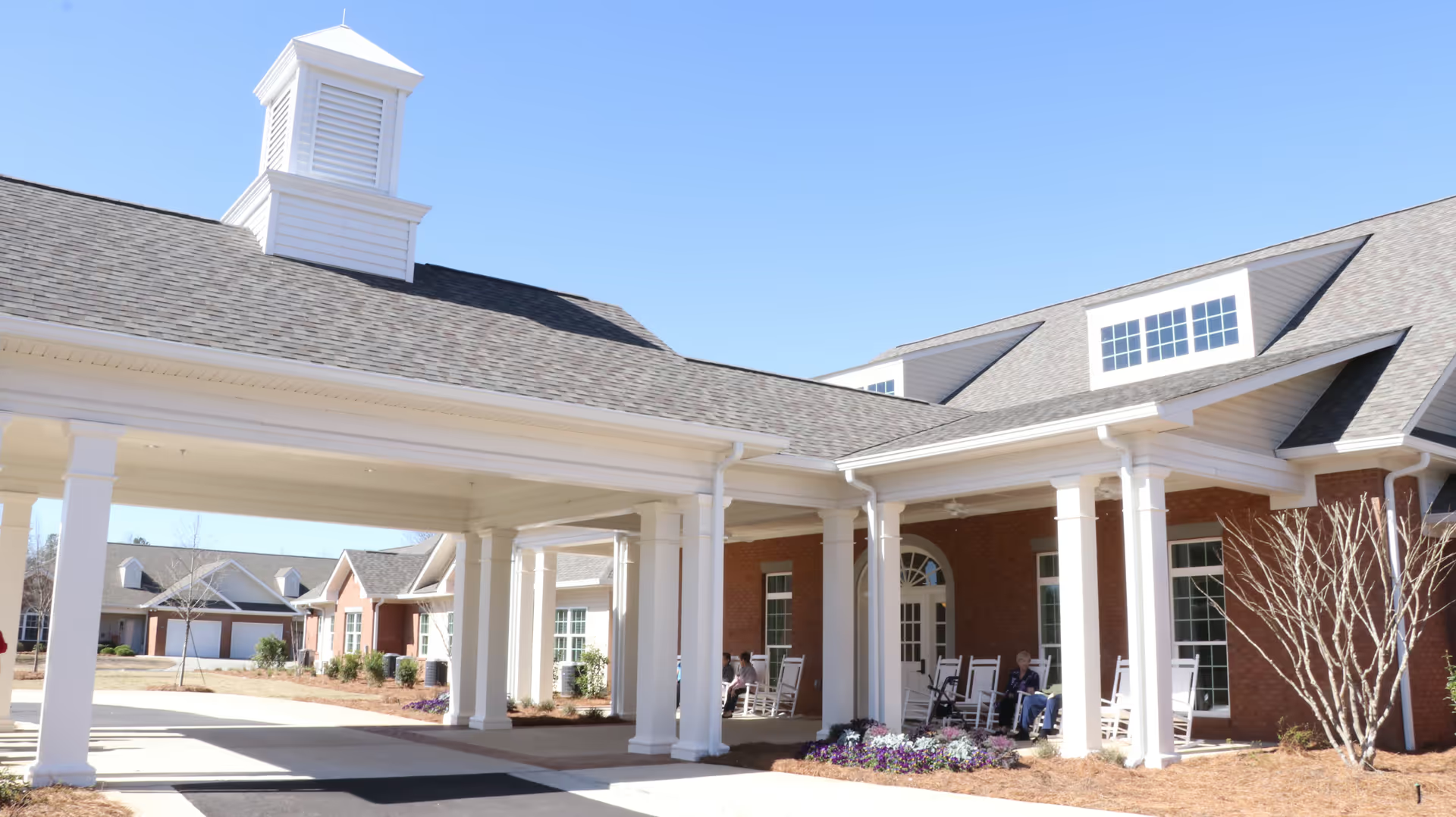
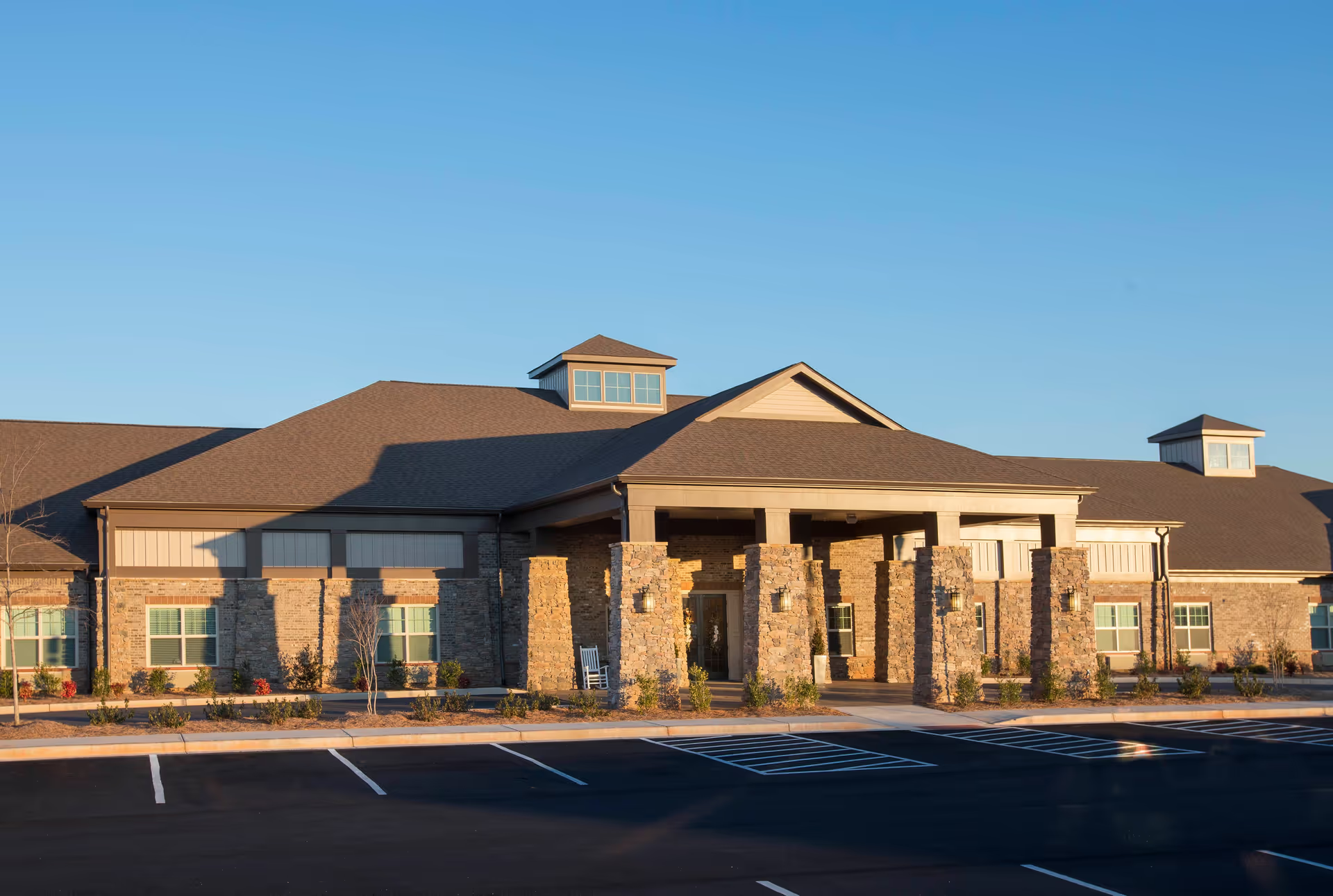
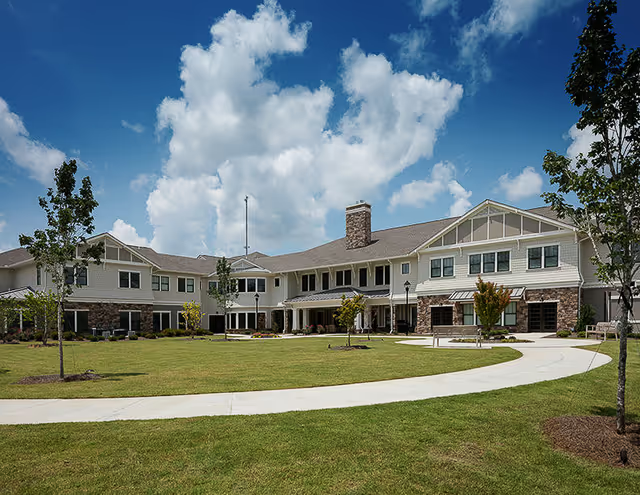
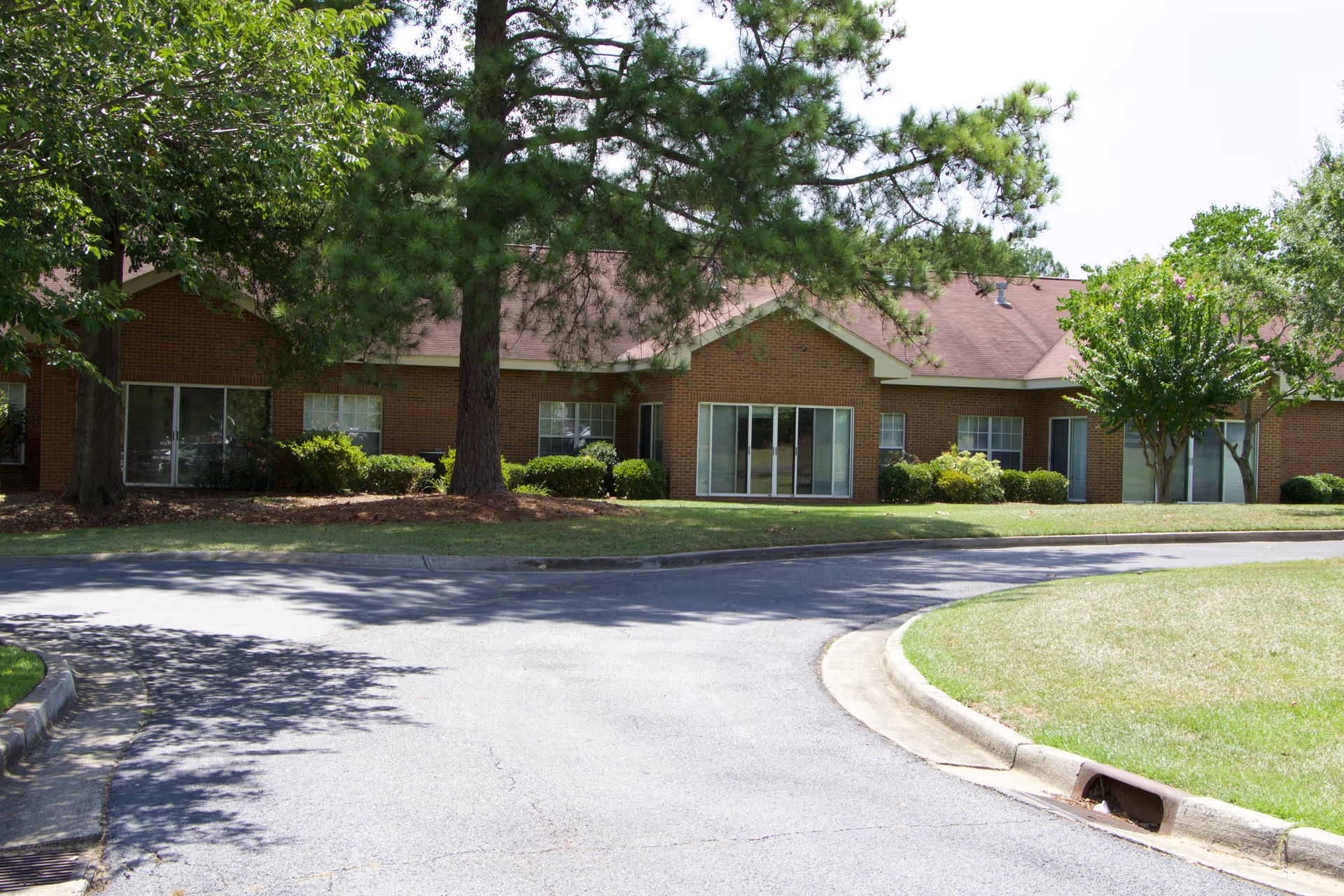
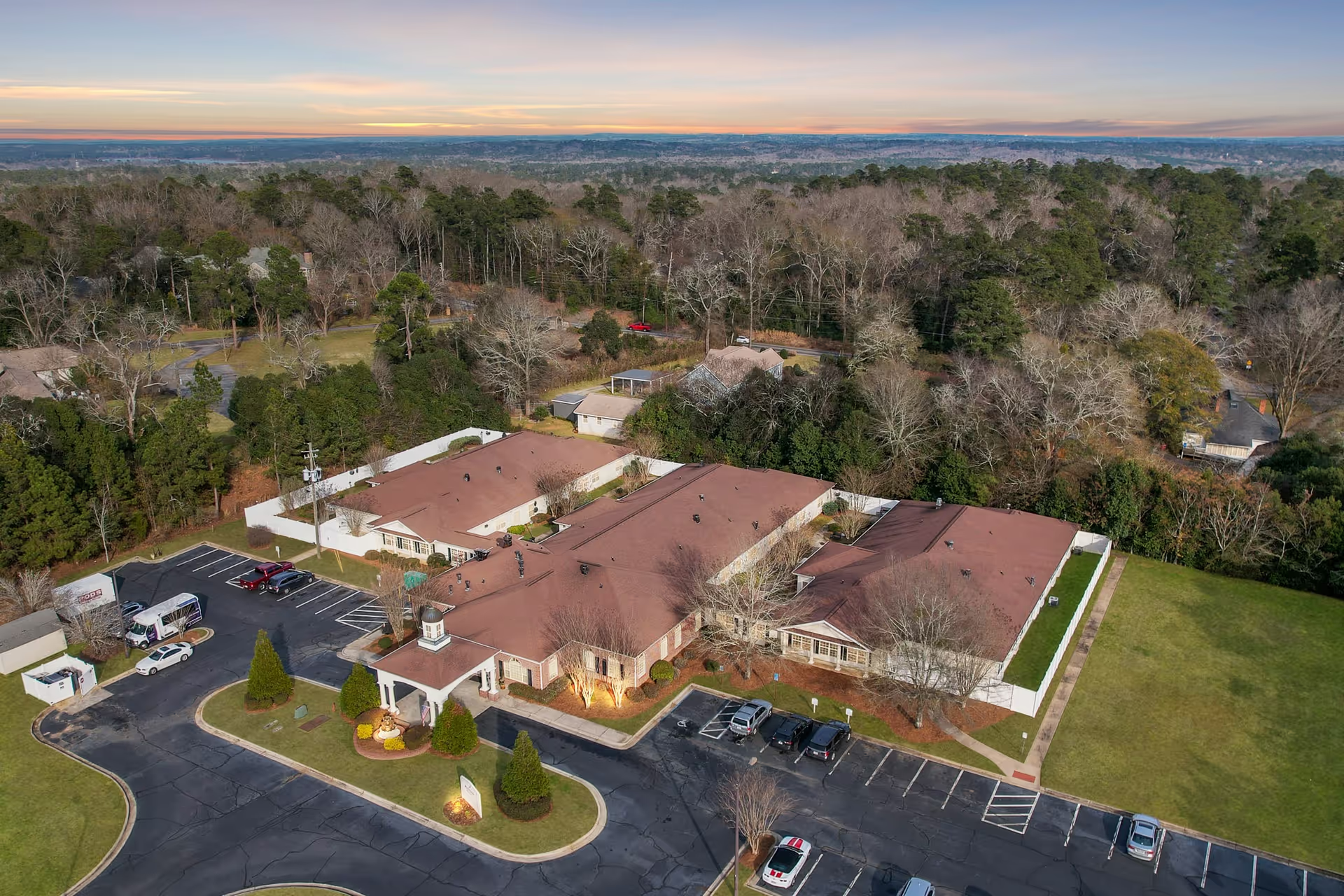
Facility condition and sanitation: Many reviewers describe a comfortable, well-maintained interior and larger resident rooms, but there are also operational concerns tied to environmental maintenance. Specific issues include dim lighting in certain rooms or common areas and pest-control concerns. Together these indicate that while the physical environment is generally pleasant, maintenance and sanitation practices may require targeted improvement in areas.
Management and notable patterns: Management responsiveness appears mixed: some reviewers describe prompt action and resolution when issues are raised, while others perceive management as prioritizing financial considerations over care decisions. There are also concerns about initial room setup and fall-risk mitigation at move-in, suggesting opportunities to strengthen admission protocols and safety checks. A small number of complaints rise to the level of regulatory concern for families; those instances underline the importance of direct verification (visits, care-plan meetings, and regulator records) when evaluating placement.
Bottom line: Green Acres Health & Rehabilitation demonstrates clear strengths in therapeutic outcomes, compassionate caregiving, community engagement and programming. Prospective residents and families should weigh those strengths against reported inconsistencies in daily personal care, staff conduct variability, and environmental maintenance issues. Recommended due diligence includes touring during different times of day, asking to review recent inspection records, meeting the nursing leadership and therapy team, and clarifying admission room-setup and fall-prevention procedures prior to placement.