The reviews for Newnan Health & Rehabilitation present a mixed picture with distinct strengths and recurring operational concerns. Positive commentary centers on the caregiving and therapy teams: families and short-term rehab patients frequently praised therapists (OT/PT) and many described visible clinical improvements during rehab stays. Direct-care staff are repeatedly described as friendly, compassionate, and helpful, and several reviewers noted a welcoming admissions process and knowledgeable leadership. Facility-level positives include a generally clean, well-maintained interior and an outdoor amenity (bird sanctuary) that some families found uplifting.
At the same time, a number of operational weaknesses appear across reviews and appear to influence care quality. Staffing and workload issues are a recurring theme and are linked in several accounts to delayed responses to resident needs (particularly at night or during shift changes), inconsistent bathing and incontinence care, and slow medication delivery. Reviewers described variable medication-management practices and delays in administering prescribed treatments, which contributed to concern about clinical continuity.
Dining and activity services received mixed feedback. While dining staff were often called supportive and helpful, many reviewers criticized the quality of meals and noted that the dining area was not always accessible for residents. Activity programming and the social director received praise where present, but programming availability has been affected by restrictive infection-control and visitation policies; some families found activity options limited as a result.
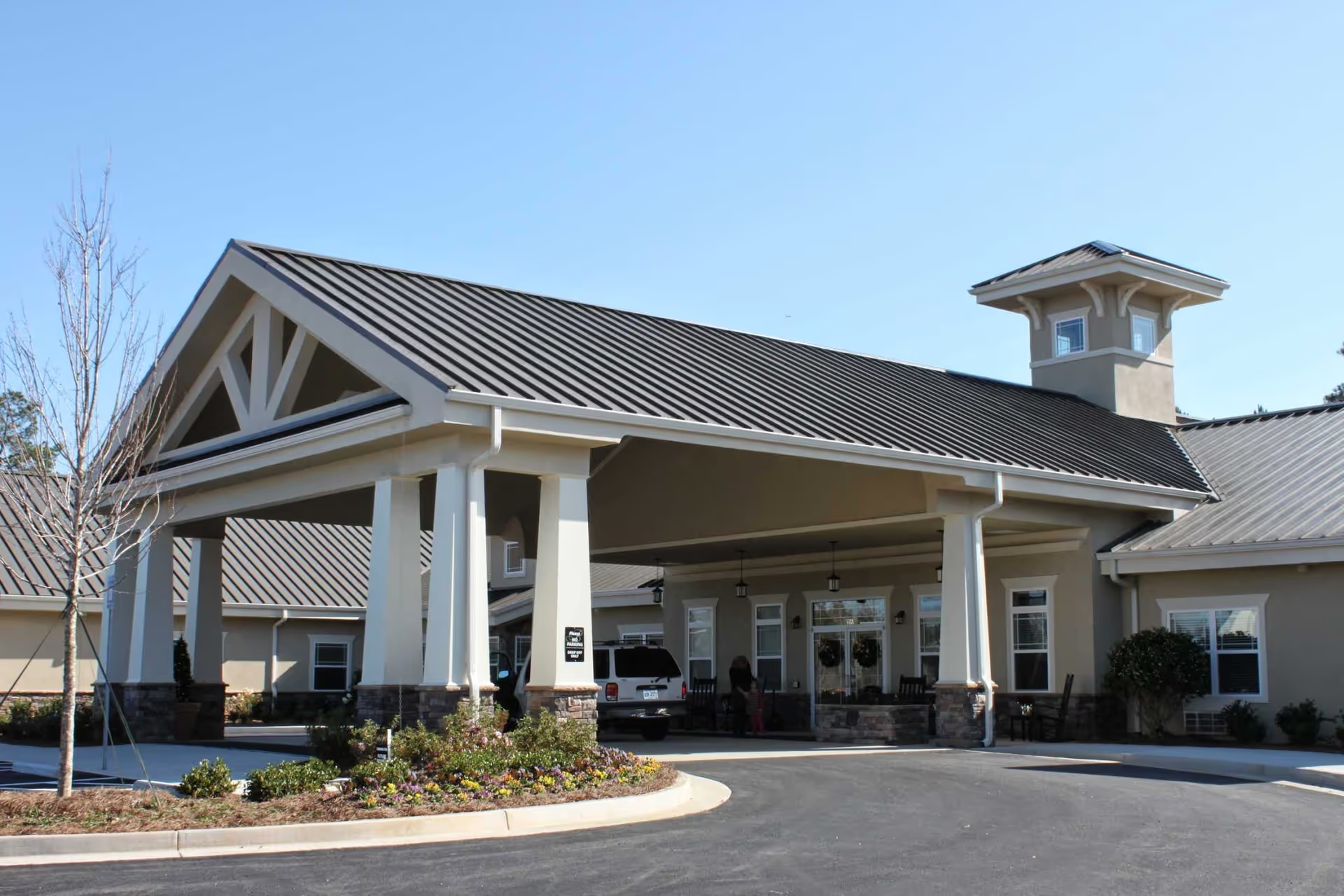
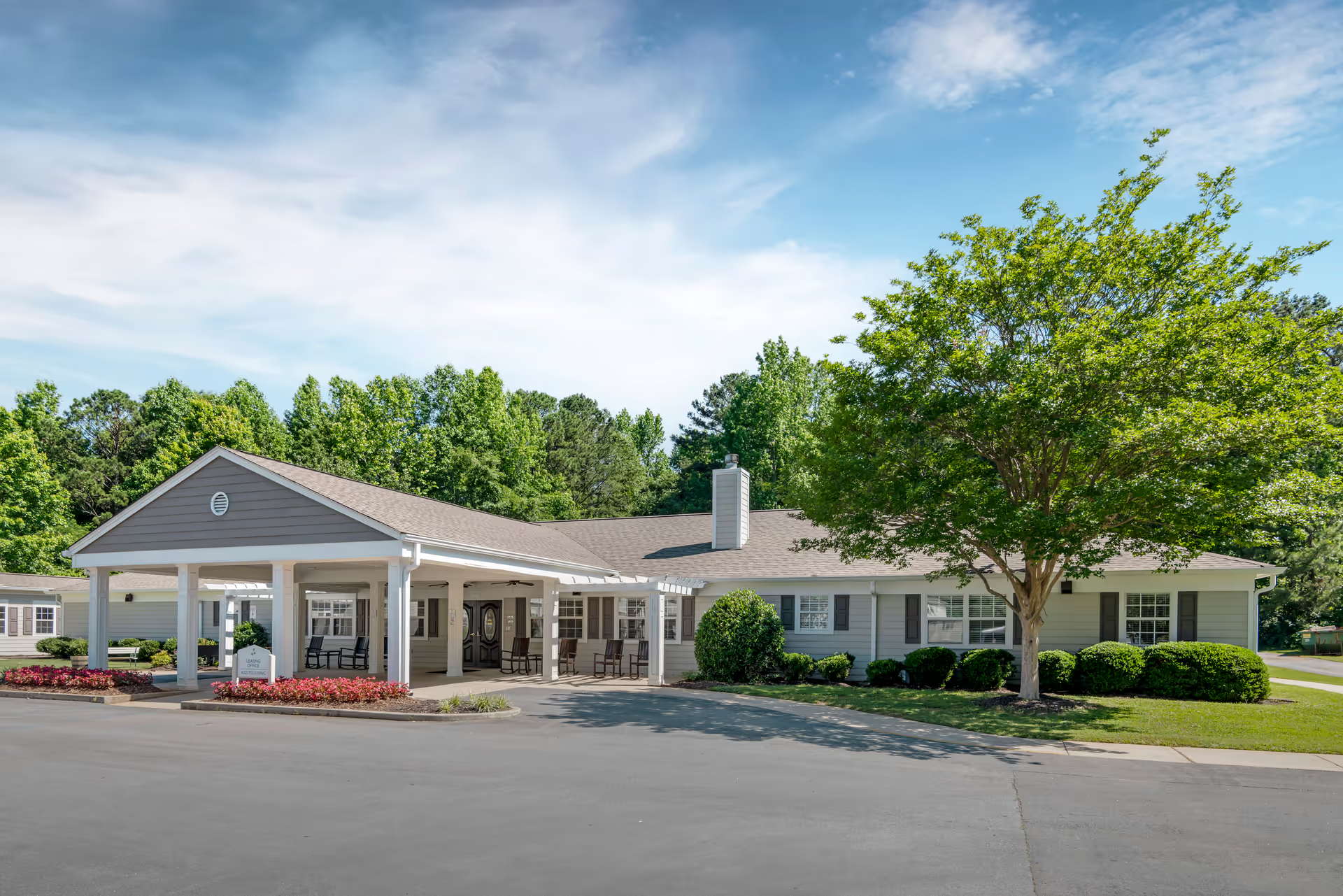
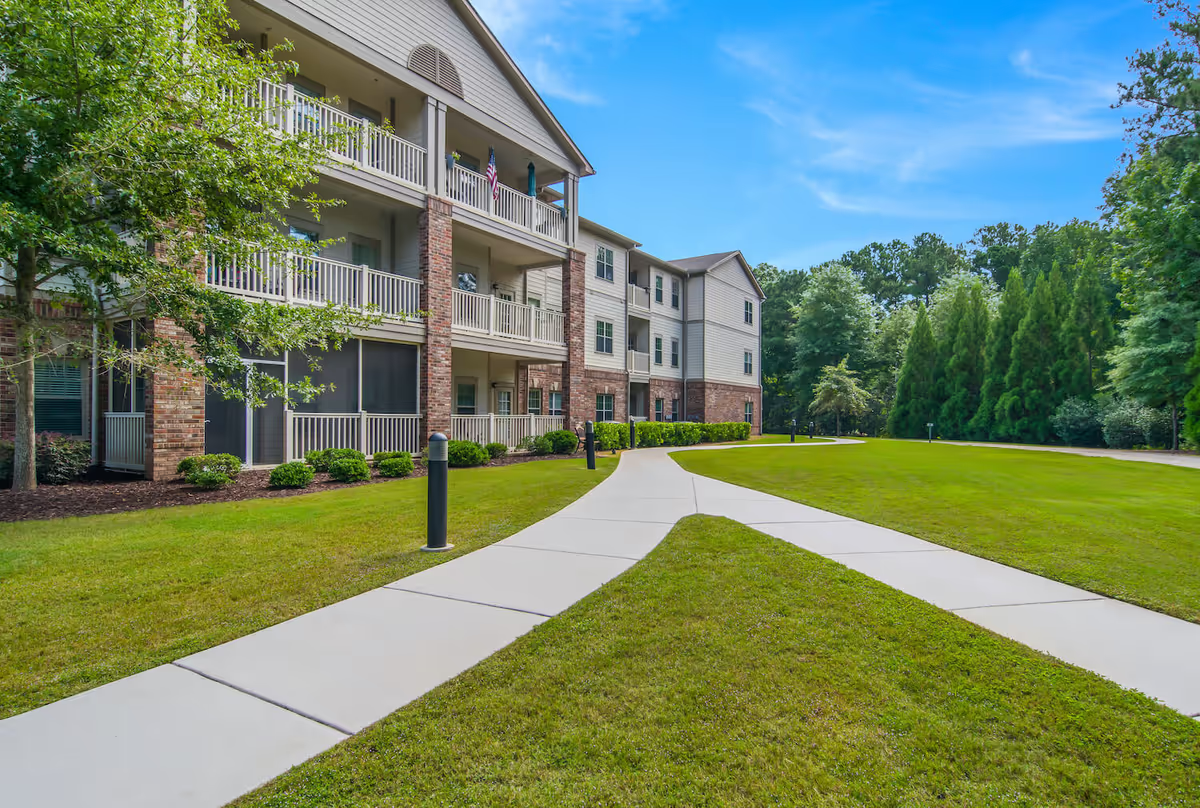
Facility and amenity observations are similarly mixed. The building is described as dated but generally well maintained and clean; however, privacy limitations from shared rooms with curtains, overcrowding in some rooms, and shortages of basic equipment or supplies (room phones, bedside commodes, wheelchairs, and toiletry items) were reported. Housekeeping and sanitation practices were described inconsistently across reviews, with some families satisfied and others raising sanitation concerns.
Management and administration elicited divergent impressions. Several reviewers commended specific administrators and noted responsiveness when concerns were raised, while others described difficulties reaching management, lack of transparent billing communication, and serious billing and property concerns. There are also mentions of concerns following a resident's death and other clinically significant incidents that some families cited in their assessments.
Overall patterns indicate that short-term rehabilitative care, when staffed and resourced appropriately, is a clear strength of the facility; long-term care experiences are more variable and appear sensitive to staffing levels, supply availability, and management communication. Prospective residents and families should weigh the facility's demonstrated therapy capabilities and friendly staff against recurring operational issues — particularly staffing consistency, medication and hygiene practices, meal quality, privacy, and clarity around billing and administration — and consider direct discussion with leadership about these areas before placement.