Cedarhurst of Oakwood elicits strong positive reactions around caregiving, community life, and physical environment, while also drawing recurring operational concerns. Many families and residents describe the caregiving team as attentive, compassionate, and resident-focused; several reviewers singled out nurses, med-techs, and specific managers for above-and-beyond assistance. Memory-care programming and engagement opportunities are frequently praised, with daily activities, live music, outings, therapeutic groups, and private dining options cited as notable strengths that contribute to improved quality of life for some residents.
Clinical support is generally viewed favorably by numerous families: on-call physicians, 24/7 nursing coverage, and responsive med-techs are mentioned. At the same time, reviewers describe inconsistencies in dementia-specific training and staff supervision that can affect outcomes for higher-acuity residents. Patterns described include falls, transfers to emergency care, and wandering incidents; these reports suggest opportunities to evaluate transfer-safety protocols, fall-prevention measures, and staffing models for memory-care units. Several families also raised concerns about the timeliness of assistance during busy periods.
Dining and activity offerings are a prominent part of the facility’s appeal. The community provides a restaurant-style dining room, accommodated dietary requests in many cases, and a broad schedule of social and recreational programming. However, meal quality and nutrition consistency are uneven across accounts: some families praise the food and chef accommodations, while others cite cold or uninspired meals and substitutions attributed to budget pressures. Prospective residents with specific dietary needs should confirm how those requirements are handled on an ongoing basis.
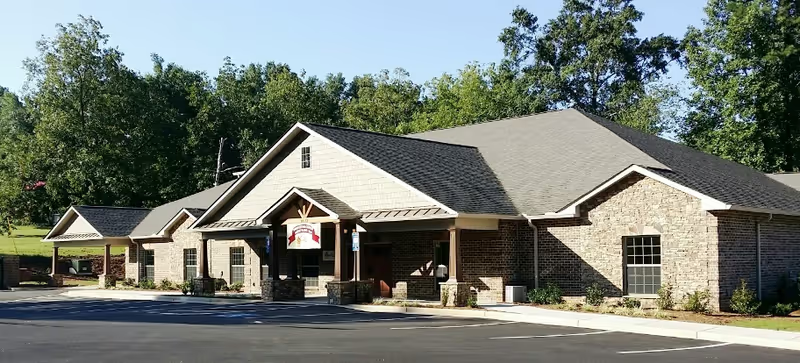
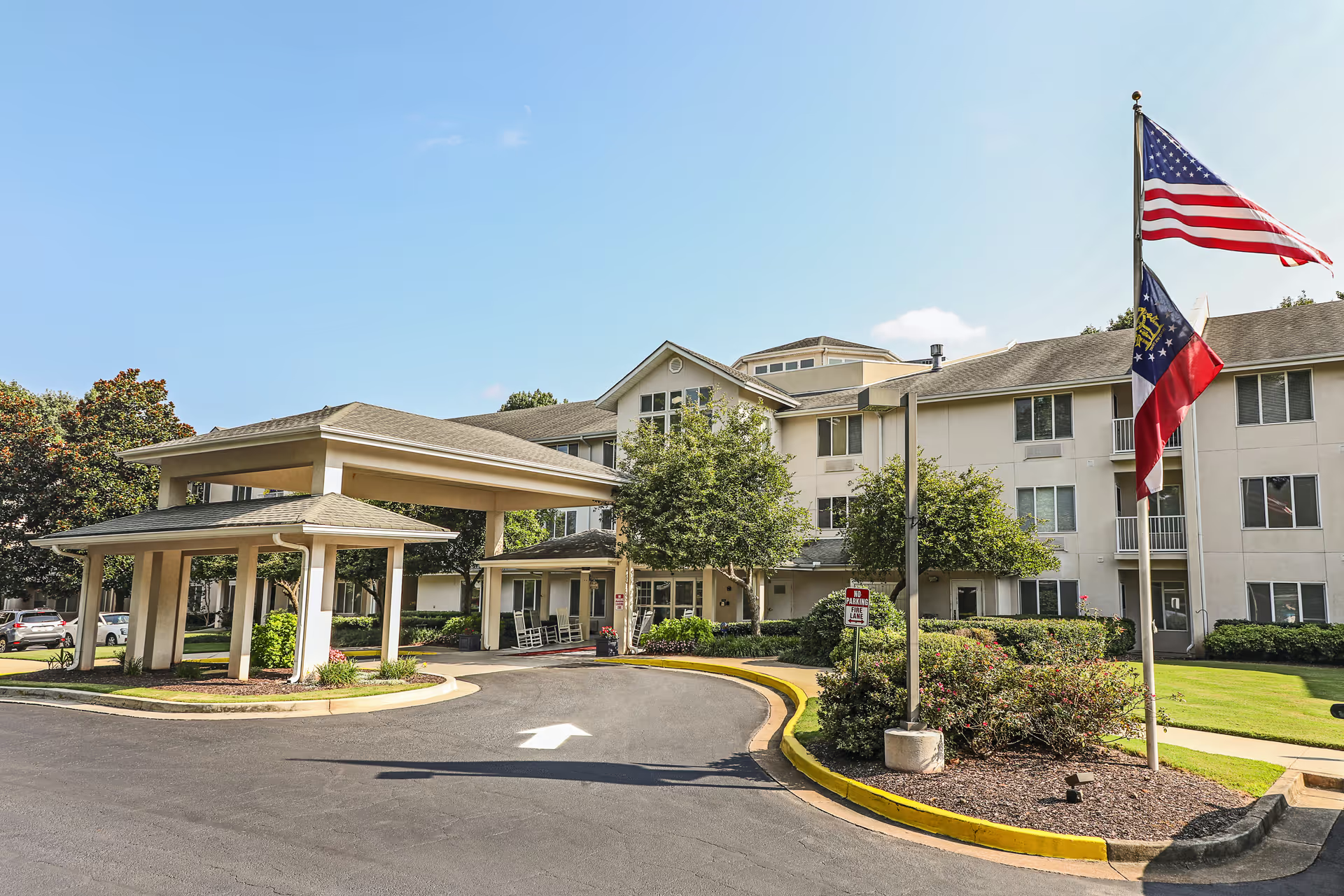
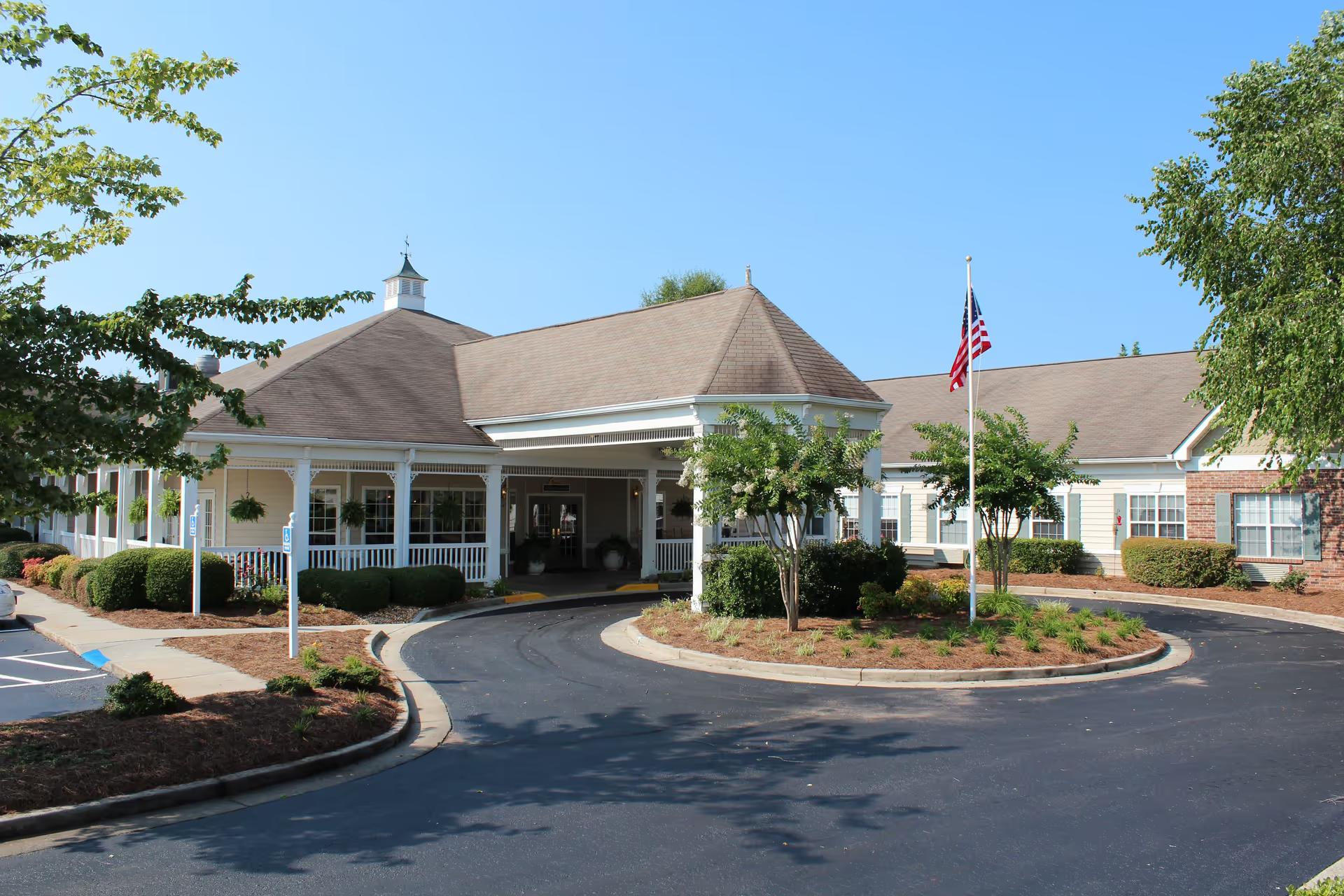
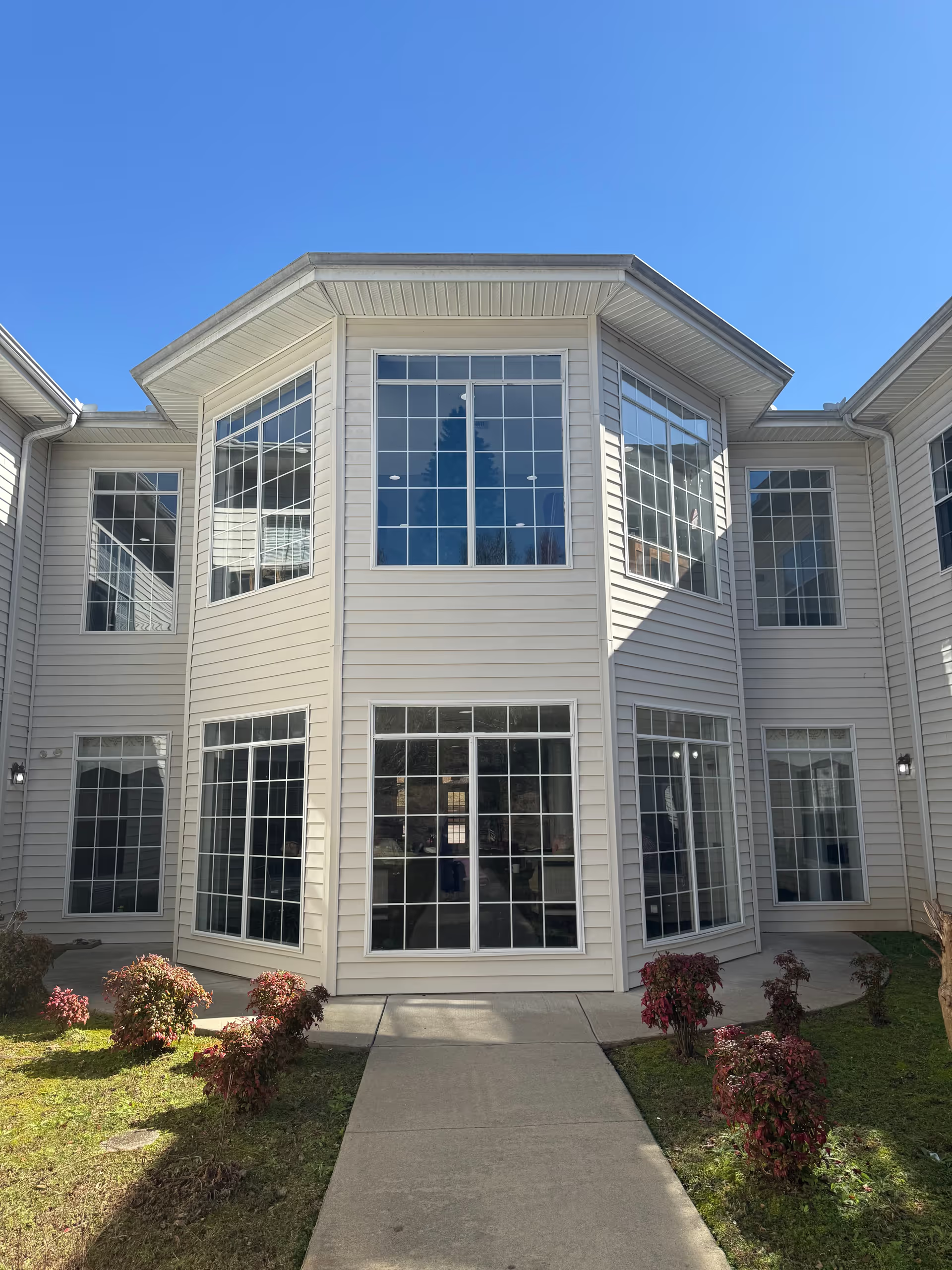
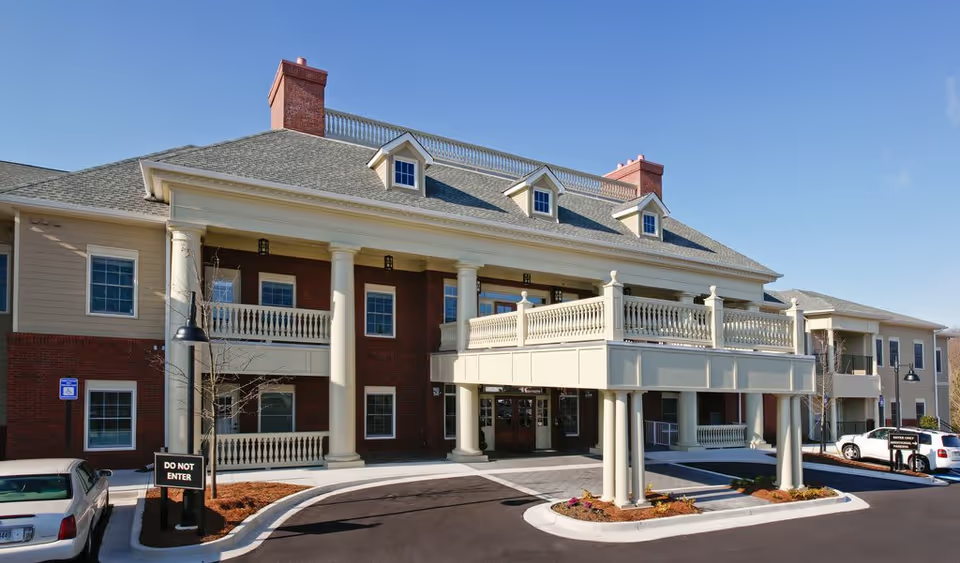
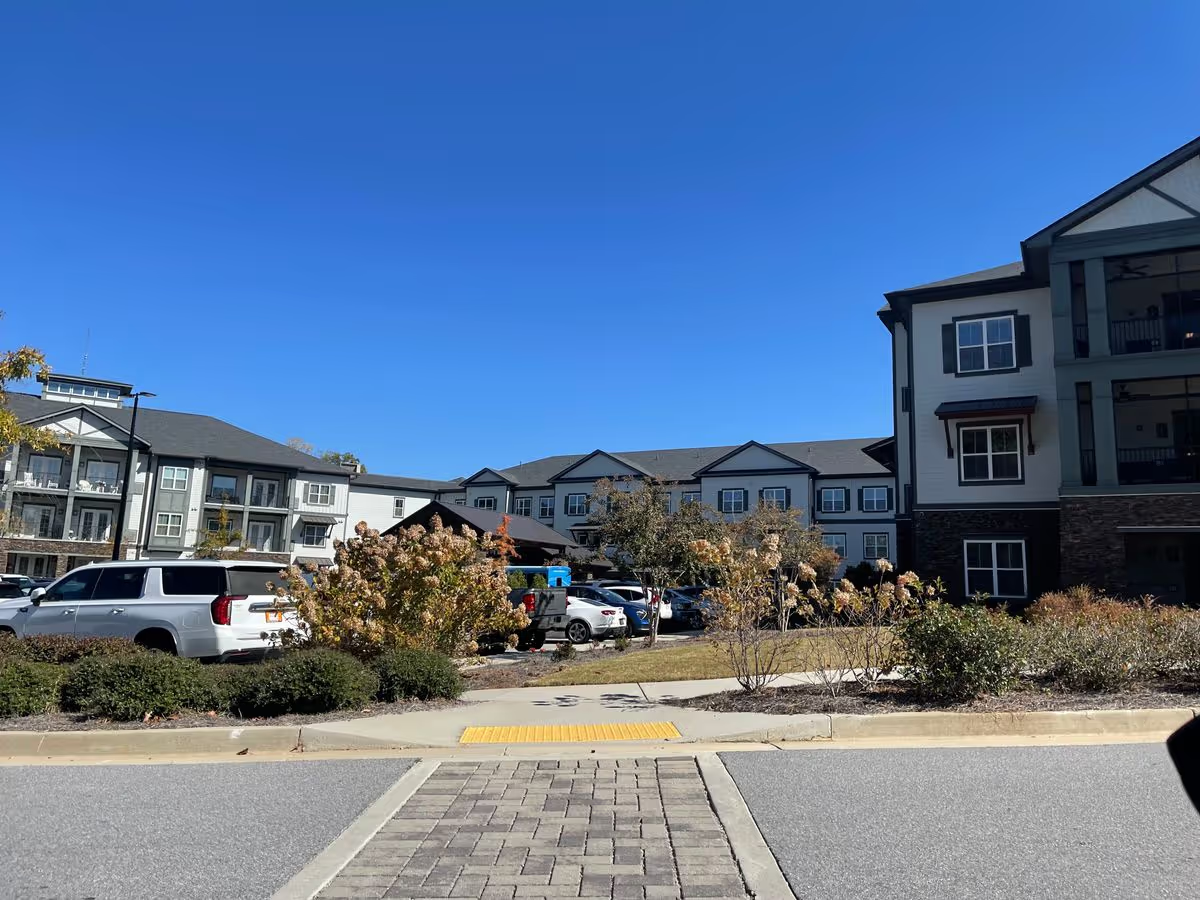
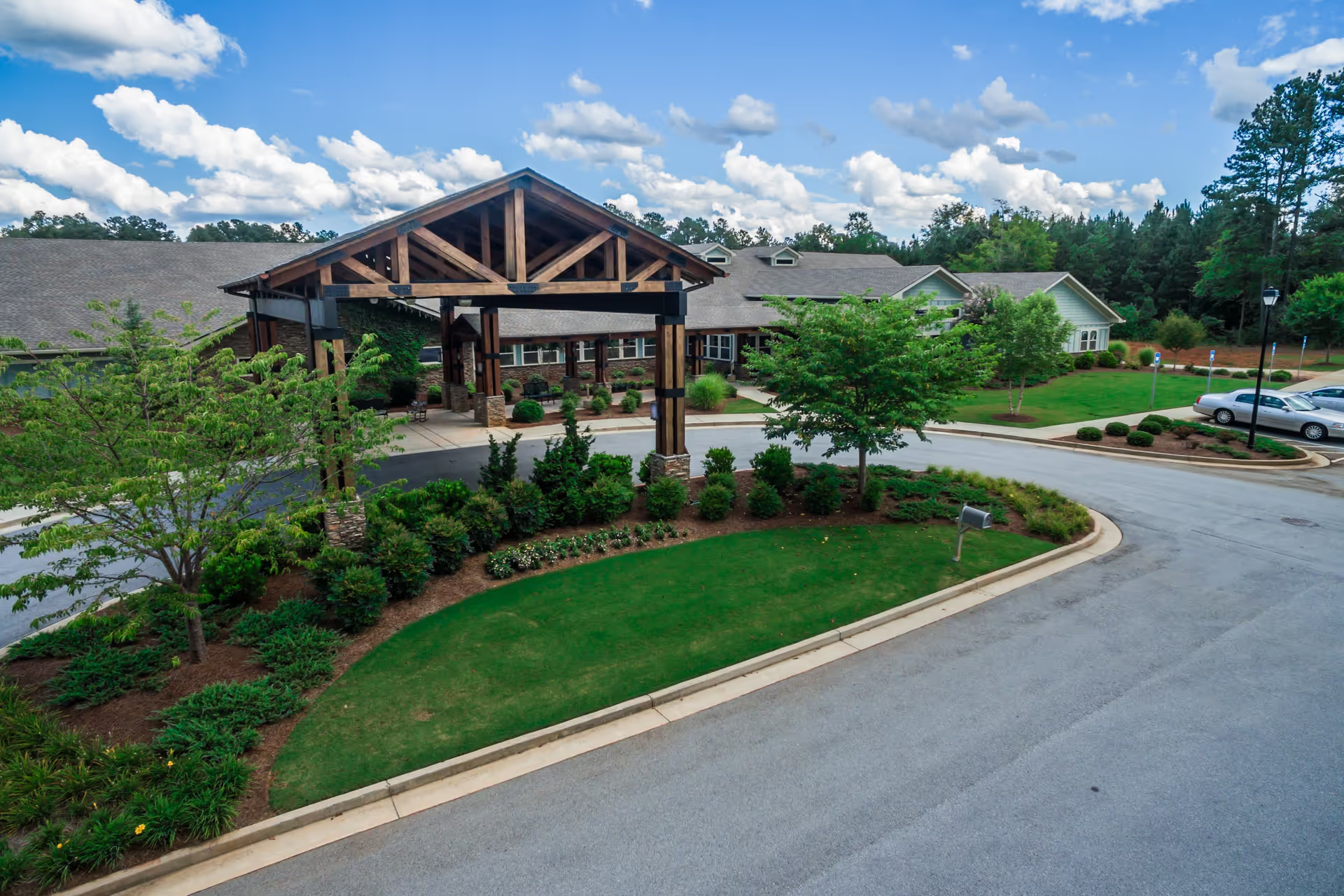
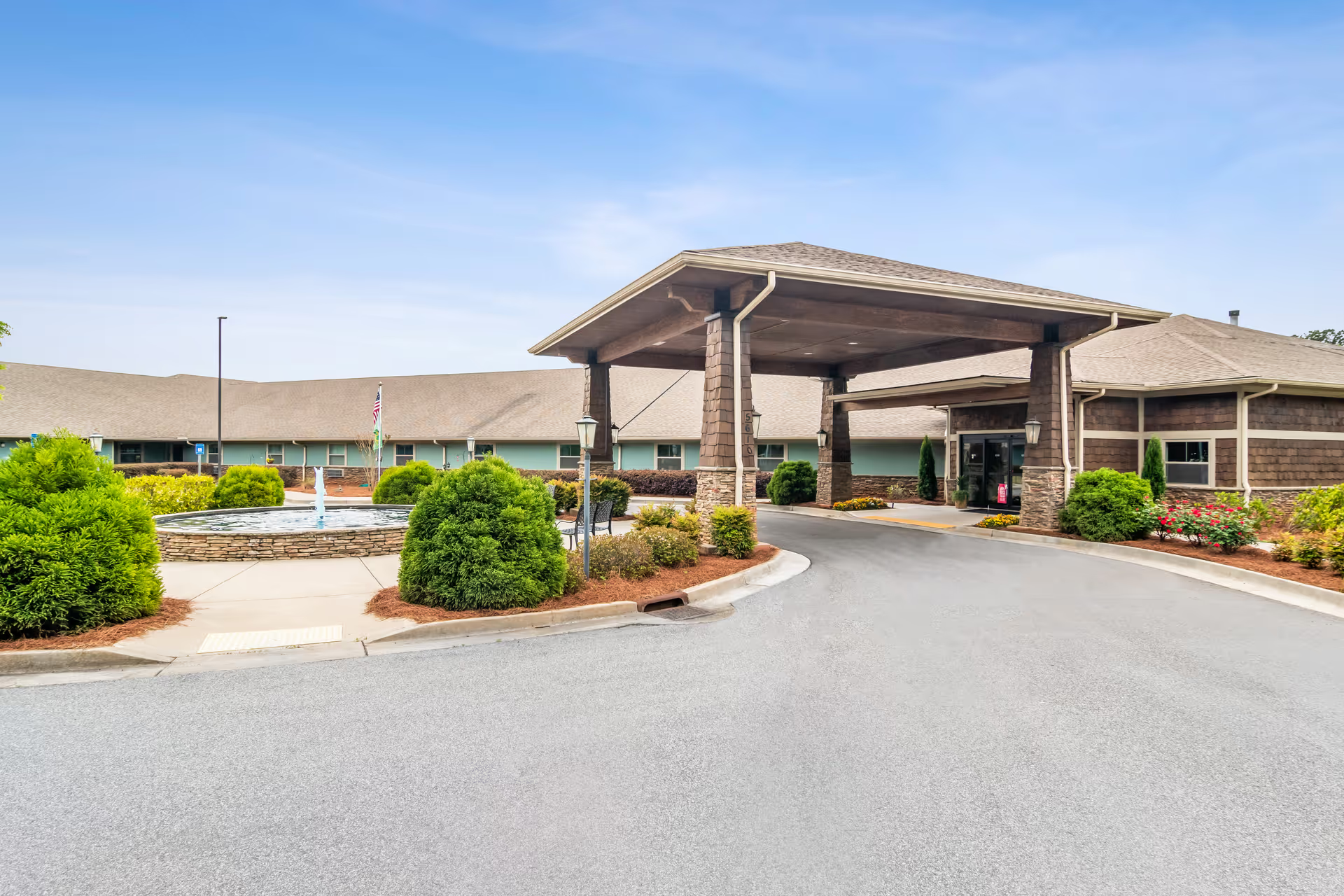
The physical plant and communal spaces earn consistent praise: reviewers describe a clean, well-maintained facility with attractive gardens, a large front porch with seating, and private apartment layouts that include kitchenettes and bathrooms. Housekeeping and laundry services are appreciated by many, though there are occasional reports of sanitation inconsistencies and concerns about personal-item security. Allegations concerning missing clothing or jewelry point to a need for clearer property-management and supervision practices.
Management and administrative performance are mixed. Several reviewers commend on-site leadership, individual staff members in admissions and public relations, and examples of responsive coordination with hospice and external therapists. Conversely, others describe high turnover among managers and front-line staff, uneven communication with families, unclear admission/billing practices, and limited transparency around incident investigations. These operational patterns appear to have intensified for some families following leadership transitions and broader organizational changes.
Overall, Cedarhurst of Oakwood may be well suited to families prioritizing a warm, home-like setting with active programming and visible caregiving presence. The facility’s strengths in community engagement, private accommodations, and compassionate staff are clear in many accounts. Prospective residents and families should, however, undertake targeted due diligence: ask specific questions about dementia-staff training, staffing ratios and turnover, incident-response and family-notification procedures, dietary accommodation protocols, security for personal belongings, and detailed admission/billing terms before making a placement decision.