Merryvale Assisted Living presents as a largely resident-focused community with frequent praise for its caregiving team, activity program, and dining services. Many families and visitors describe the staff as compassionate and personable; long-tenured caregivers and a visible central work area support day-to-day supervision and continuity. The facility emphasizes a home-like, family atmosphere and offers private apartments (typically with private bathrooms), pet-friendly options, and communal gathering spaces that facilitate social interaction. Short-term rehabilitation transitions into permanent residency are described as well-managed in a number of cases.
Care and staffing are recurring strengths, with many accounts of personalized assistance, prompt responses to needs, and cooperative staff during clinical transitions such as memory-care admissions or post-hospital rehabilitation. At the same time, reviewers indicate variability in clinical oversight: medication-administration processes and documentation have been flagged as areas needing more consistent controls, and several comments point to turnover or gaps in key nursing roles that can affect continuity of care.
Dining is one of the community’s more prominent positive features. The presence of an onsite chef, fresh-prepared meals, and available snacks throughout the day receives repeated positive mention. That said, there are isolated concerns about kitchen hygiene and food-safety controls; these remarks suggest the need for consistent adherence to sanitation procedures and pest-control protocols to align practice with the otherwise strong culinary reputation.
Activity programming and social engagement are consistently highlighted. A robust calendar including exercise, bingo, crafts, devotional services, outings, and special programs such as Veterans breakfasts supports resident engagement and family reassurance. Housekeeping and maintenance are generally described as attentive, with helpful maintenance staff noted, although some families report variability in room-level housekeeping standards and occasional delays in responding to room-cleaning requests.
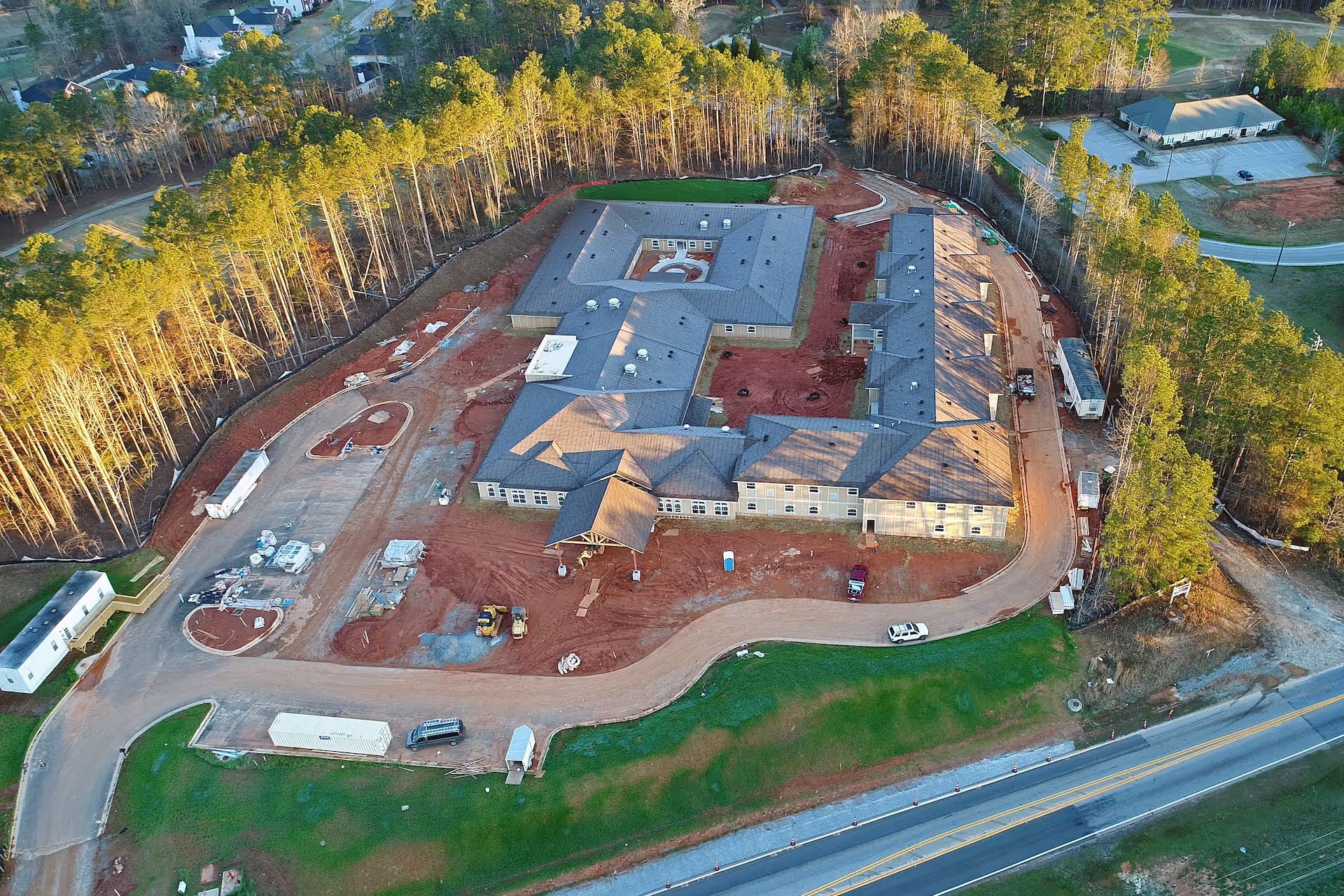
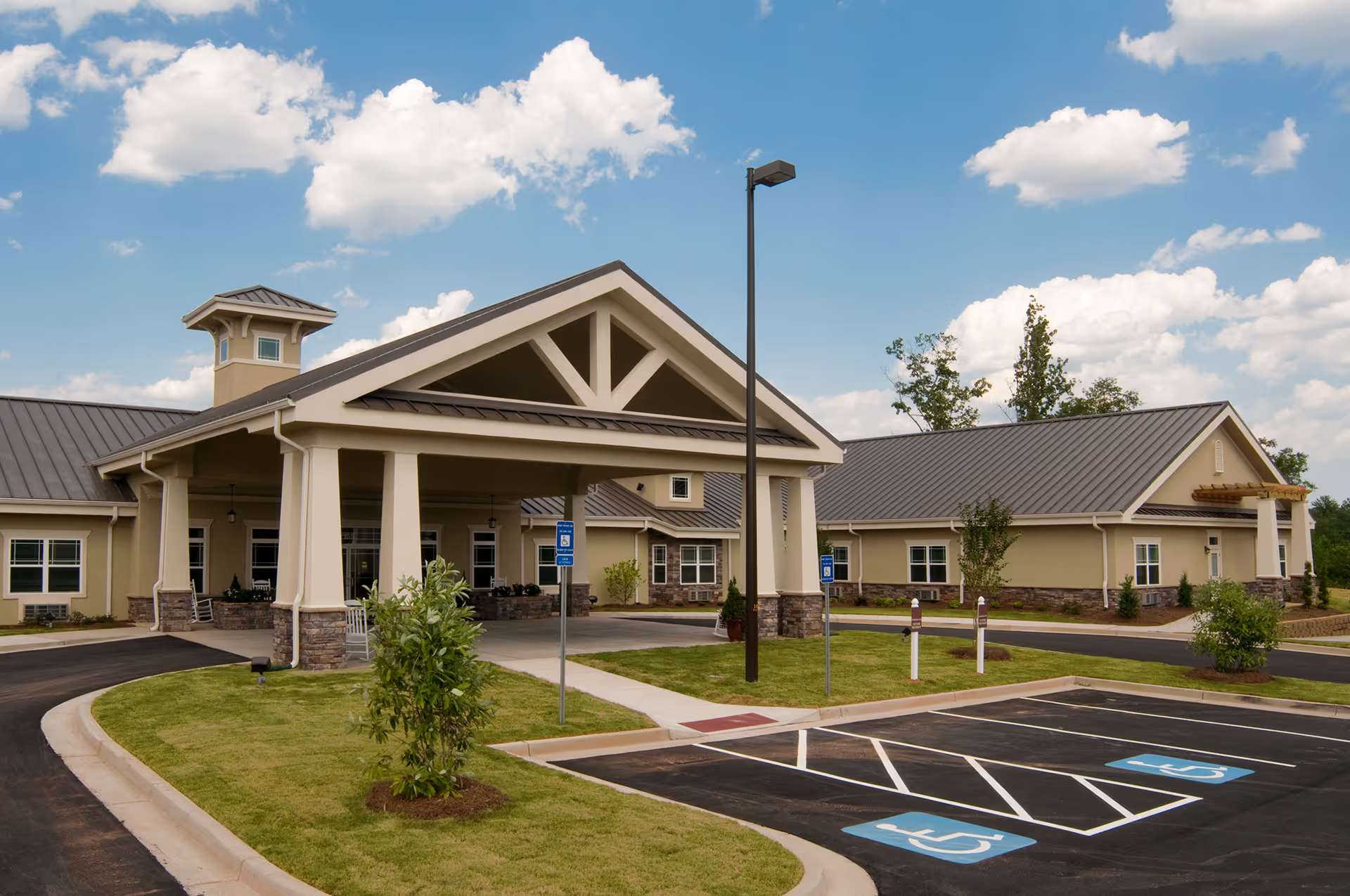
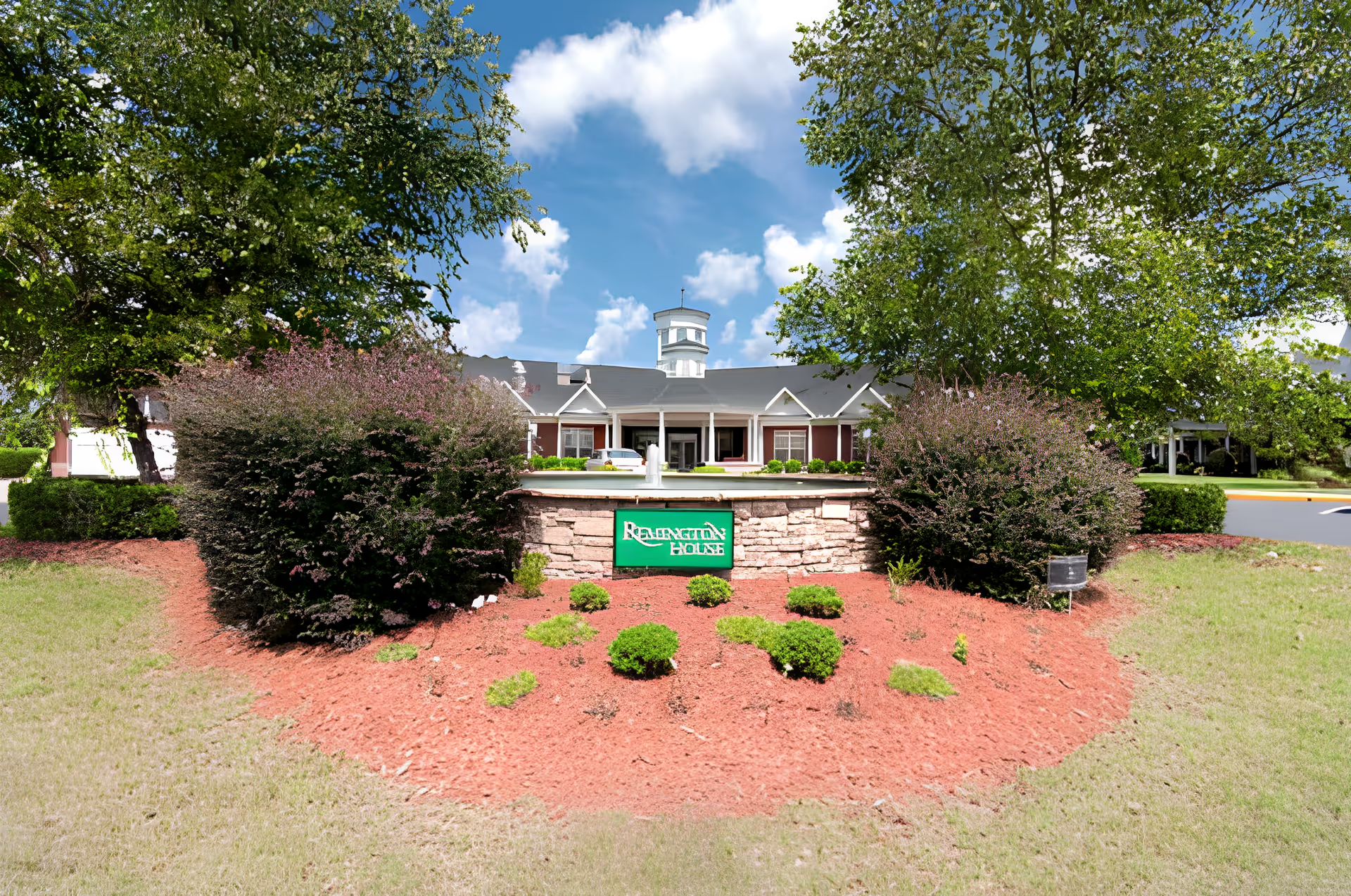
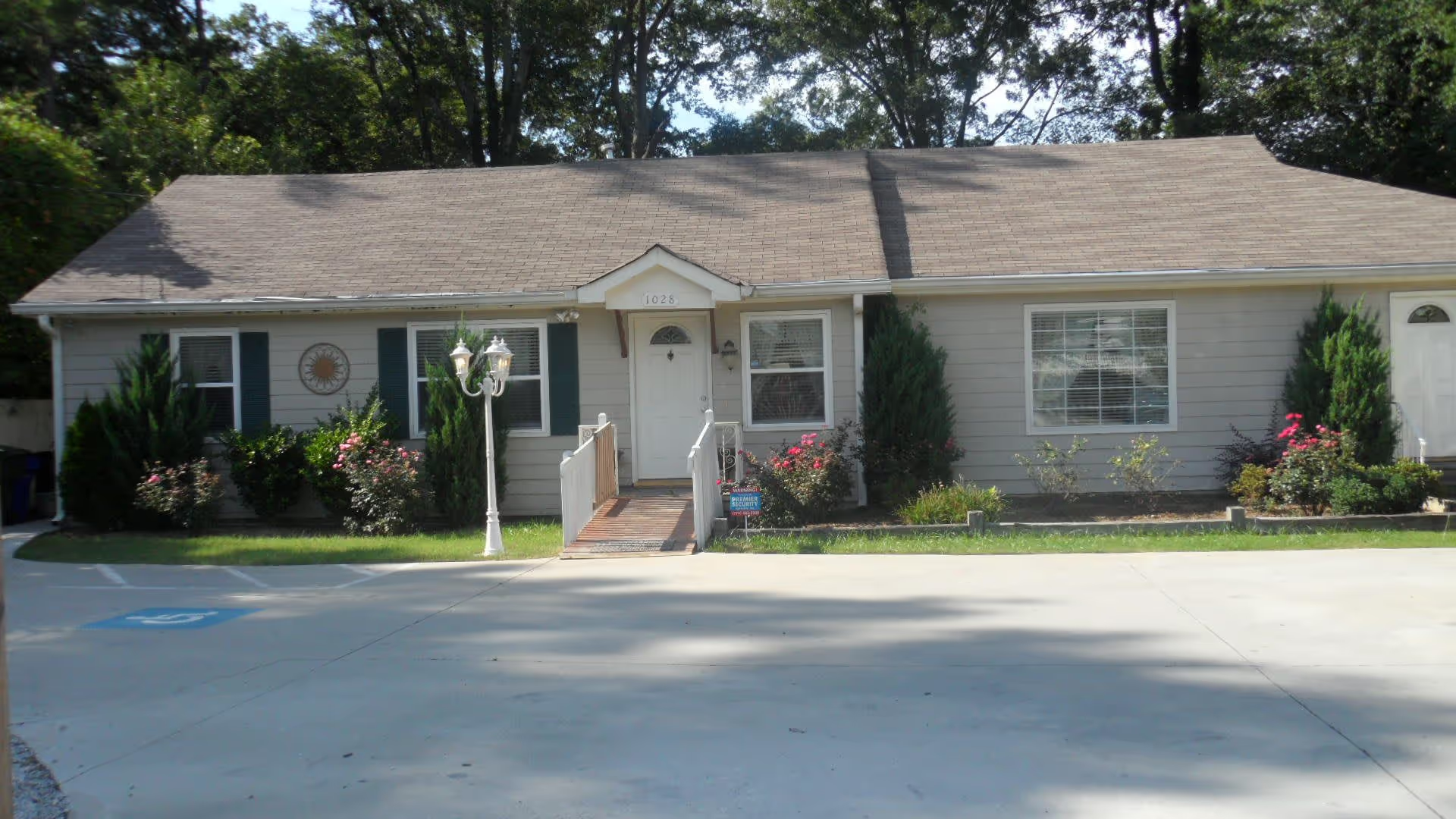
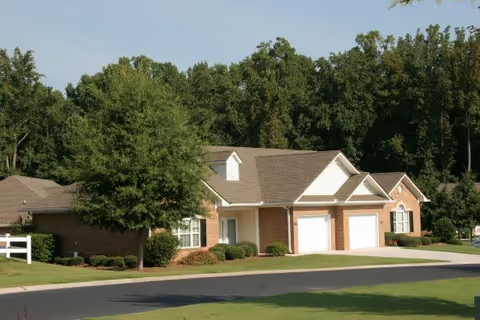
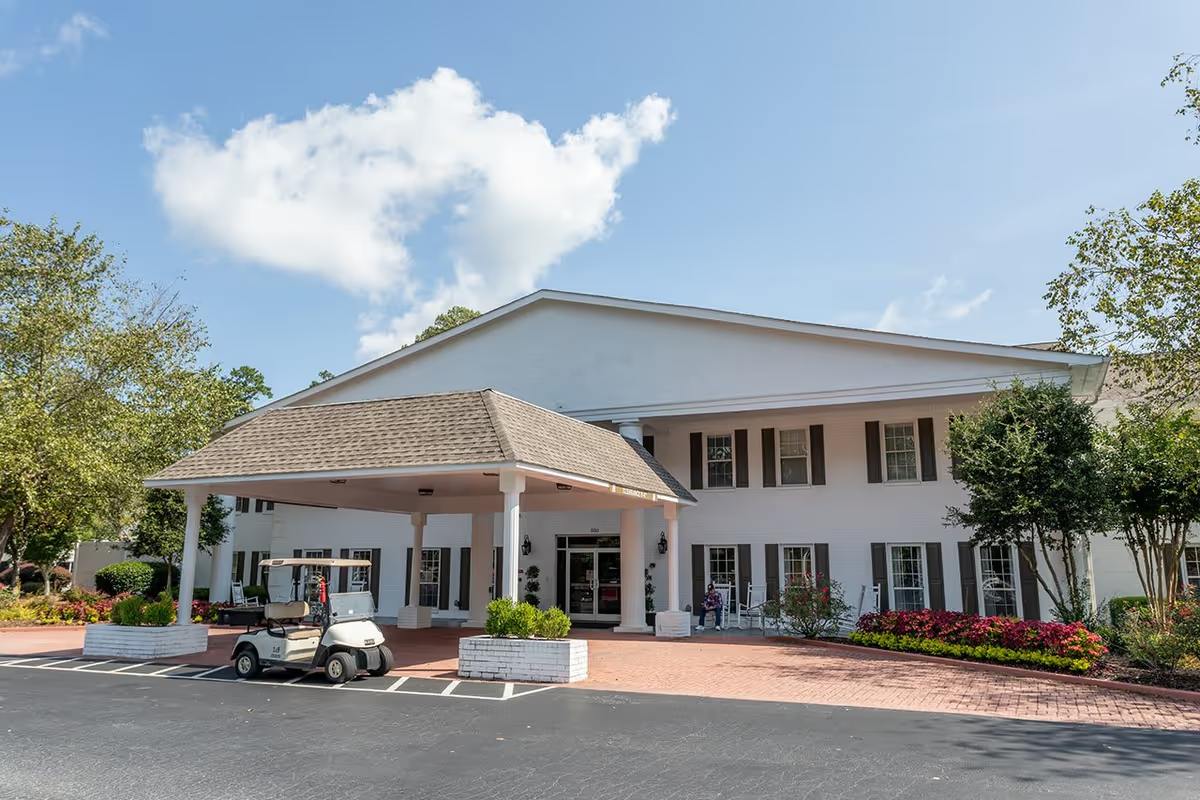
The physical environment is described as comfortable and home-like, with some recent upgrades (refurbished rooms, new carpets, updated dining areas) alongside areas that reviewers characterize as dated or constrained by small room and dining footprints. The facility’s clustered layout and proximity of rooms to the central kitchen and staff station can be an asset for supervision, but the building’s overall scale and finishes vary between units.
Management and communication present a mixed picture. Many families note accessible, informative administrators and proactive updates (including during the pandemic), while others cite inconsistent family communication, concerns about complaint handling, and occasional issues with staff conduct or tone. Additional operational weaknesses identified across accounts include inconsistent personal-property tracking and confidentiality practices, and the need for more consistent procedures around housekeeping, medication administration, and kitchen hygiene.
Overall, Merryvale offers solid strengths in person-centered caregiving, engaging activities, and strong dining—features that create a family-like environment for many residents. Prospective families should weigh these strengths against the noted variability in clinical oversight, housekeeping consistency, and management responsiveness; an in-person visit focusing on medication policies, kitchen sanitation procedures, staffing patterns for memory care, and room housekeeping expectations is advisable to confirm the current operational status before placement.