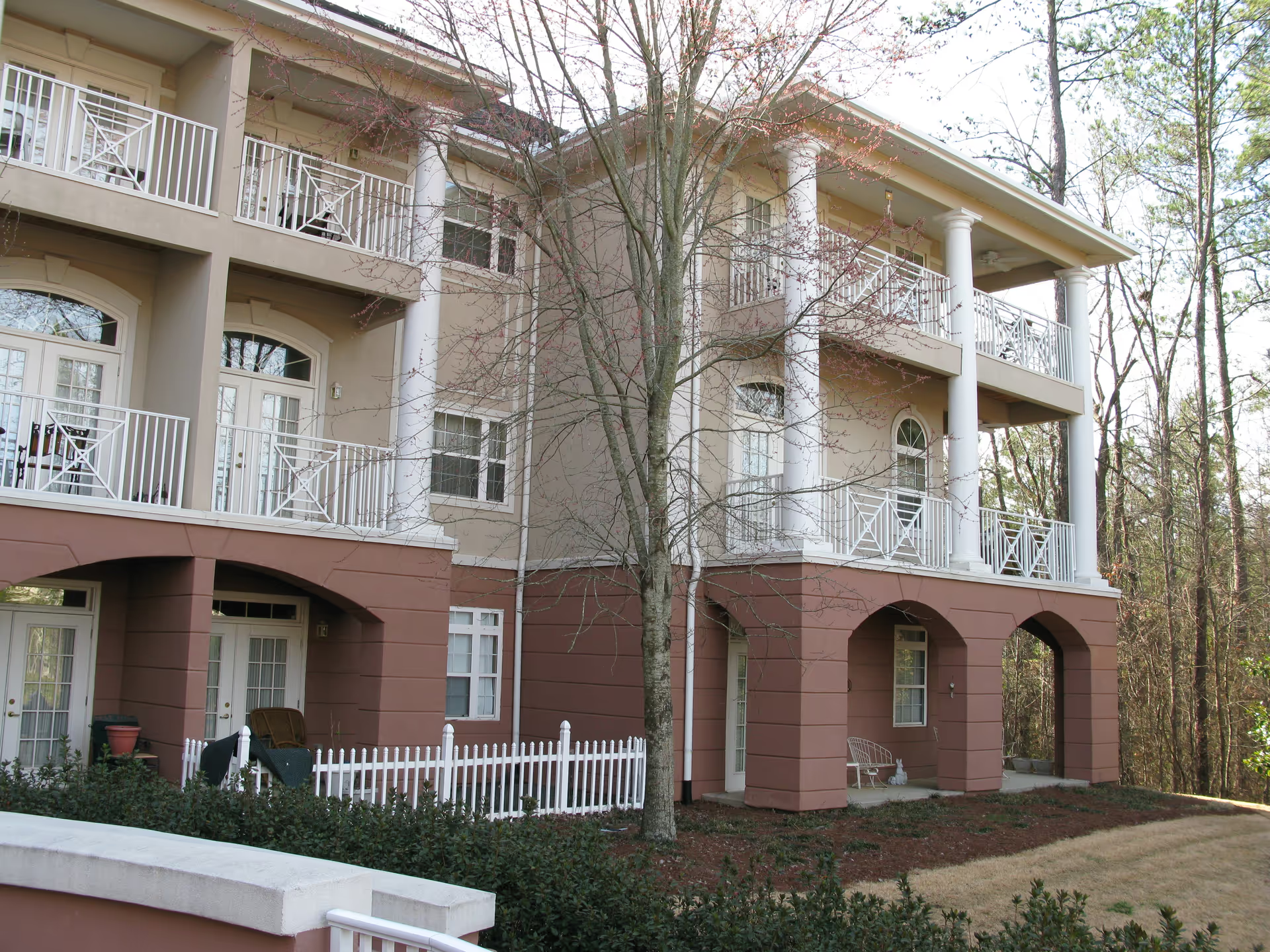
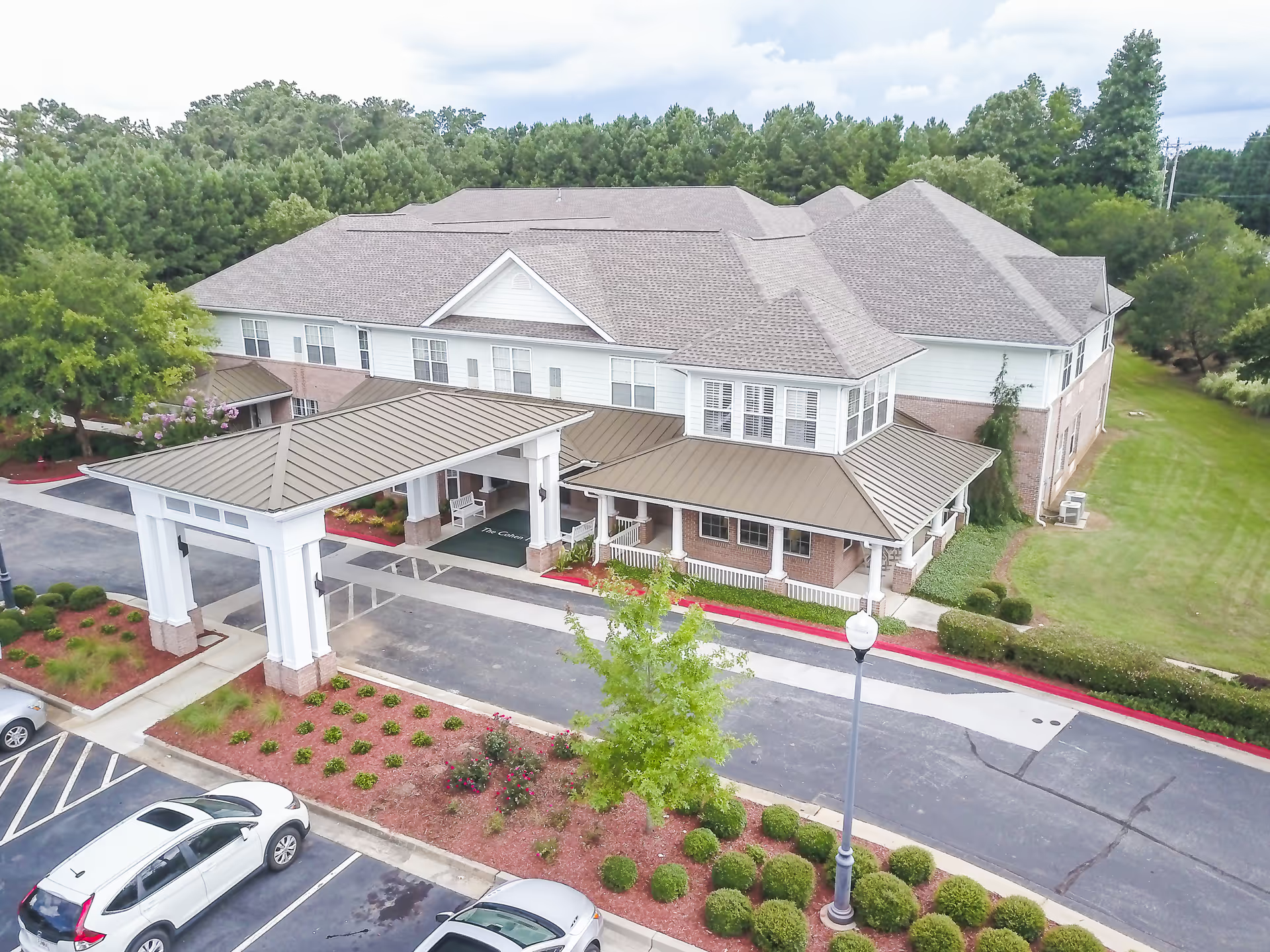
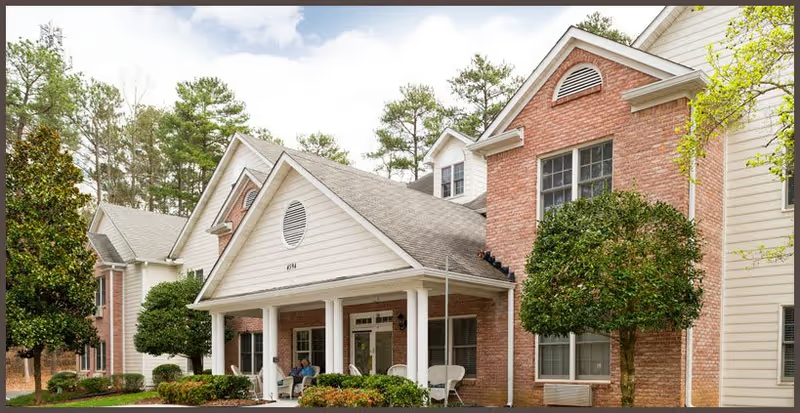
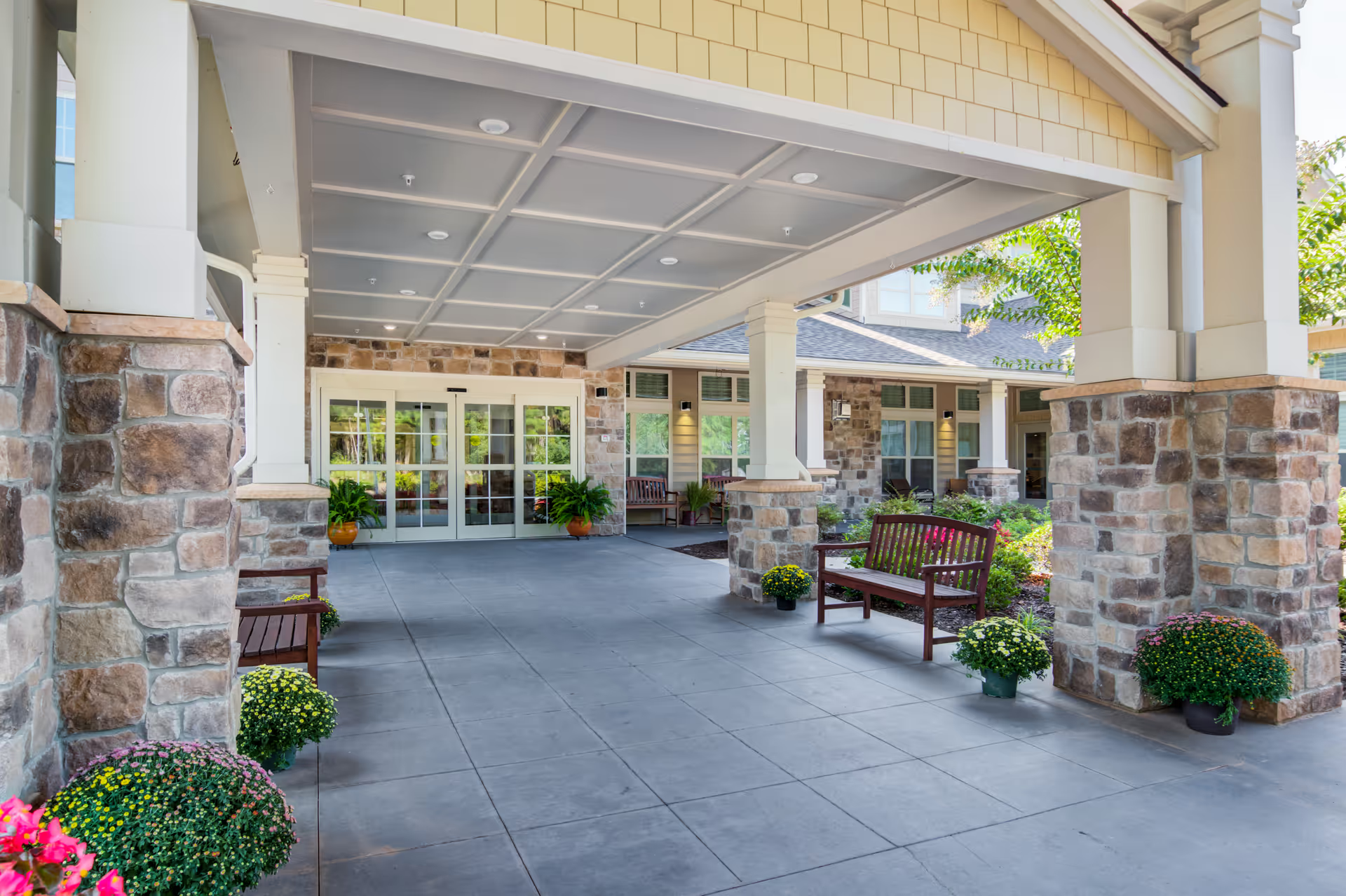
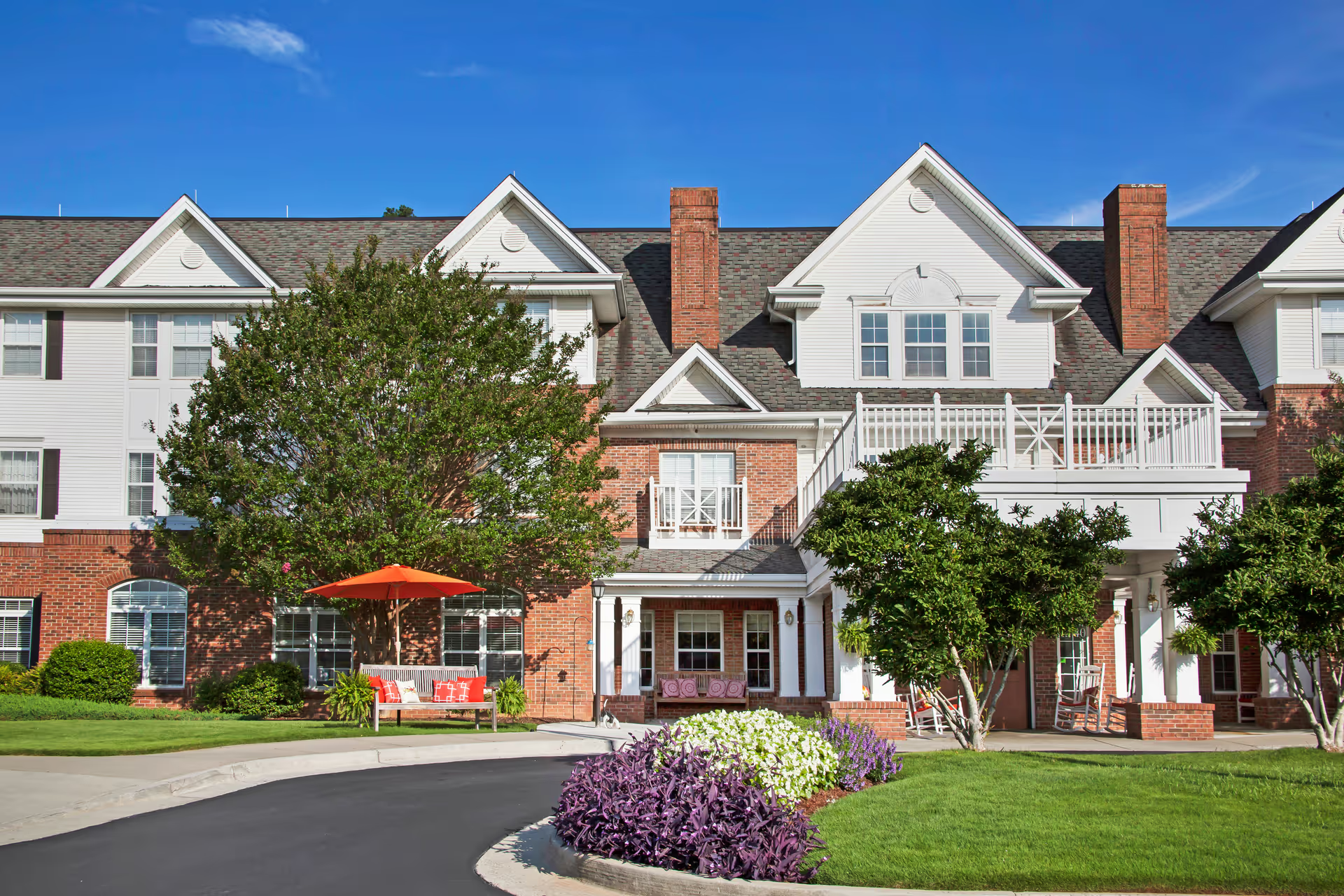
Village Park Peachtree Corners presents a clear dichotomy in reviewer experience. Physically, the community is frequently described as attractive, well maintained and resort-like: a craftsman-style campus with cottage and bungalow housing, accessible interiors for walkers and wheelchairs, and a suite of amenities (heated pool, therapy spa, gym, theater, salon, bistro and multiple social spaces). The layout and finish work receive consistent praise, and many families and residents value the age-in-place model, on-site rehabilitation services, transportation for outings, and the availability of one- and two-bedroom apartment and cottage configurations.
Staffing and direct care elicit mixed but important patterns. Numerous accounts highlight caring, attentive employees and strong individual leaders and community-relations staff who facilitate tours, move-ins and memory-care transitions. Memory-care staff and certain directors are singled out as knowledgeable and supportive. Counterbalancing those positives are repeated operational concerns: high turnover, ongoing understaffing, and frequent use of agency personnel that reviewers associate with inconsistent continuity of care. Several reviews indicate gaps in clinical coverage—including overnight skilled-nursing availability—and describe delays or failures in alarm response and family notification following incidents. These issues translate into uncertainty about the community’s ability to reliably manage higher-acuity needs; memory care is sometimes praised but other times described as inadequately staffed for 24-hour supervision.
Dining and daily services are another area of contrast. The community offers restaurant-style dining, a bistro, and social food-related programming that many residents enjoy. However, many reviewers describe inconsistent food quality and service timing, cold or delayed meals, and operational policies that families find restrictive—most notably mandatory meal-delivery fees, limits on family or resident pickup, and prohibitions on private caregivers assisting in dining areas. Reviewers also cite additional operational concerns such as dust buildup, laundry issues, and variable therapy-service availability tied to staffing levels.
Management and organizational issues recur across reviews. Positive experiences with specific managers and directors are common, but they coexist with reports of inconsistent leadership communication, slow corporate approvals, and uneven maintenance or security practices (for example, parking and gate-management problems). Serious operational allegations also appear in the feedback pool—sanitation and pest-control concerns in some units, and allegations of staff theft and financial misconduct—which merit direct inquiry and verification through facility management and regulatory channels.
What this body of feedback suggests for prospective residents and families: the community offers strong physical amenities, an attractive living environment, and meaningful social programming that can support an active independent-living lifestyle. At the same time, there are recurring operational and clinical concerns that could affect residents who require reliable, higher-acuity assistance. Before deciding, families should prioritize these checks during a visit: verify current staffing ratios and agency use, confirm overnight clinical coverage and emergency-response protocols, observe mealtime service, review pest-control and sanitation logs, clarify meal-delivery fees and dining policies (including rules about private caregivers), and ask for references from recent move-ins. Confirming those points with on-site leadership and inspecting any regulatory inspection records will provide a clearer sense of whether the facility’s strengths align with a particular resident’s care needs and expectations.