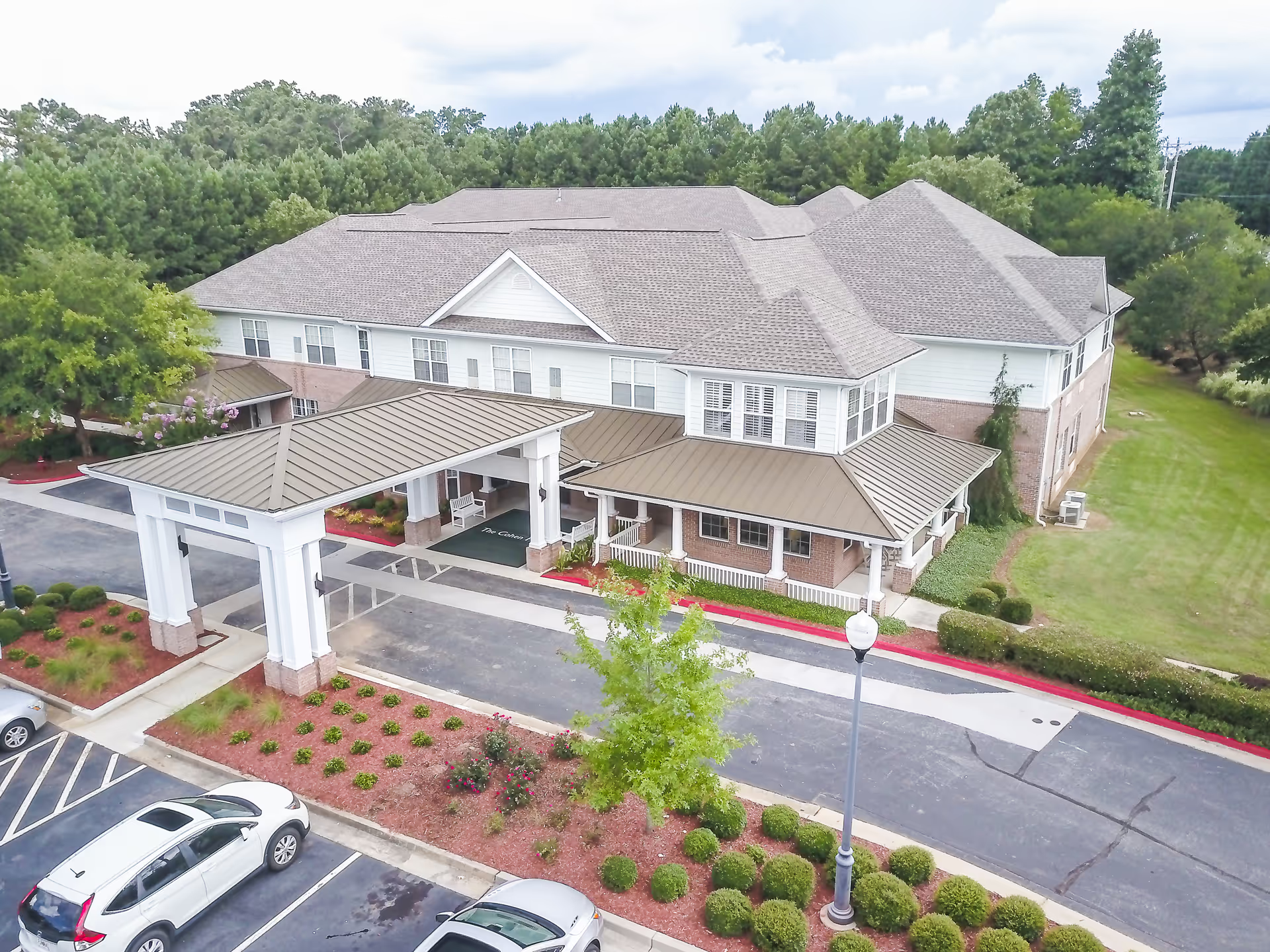
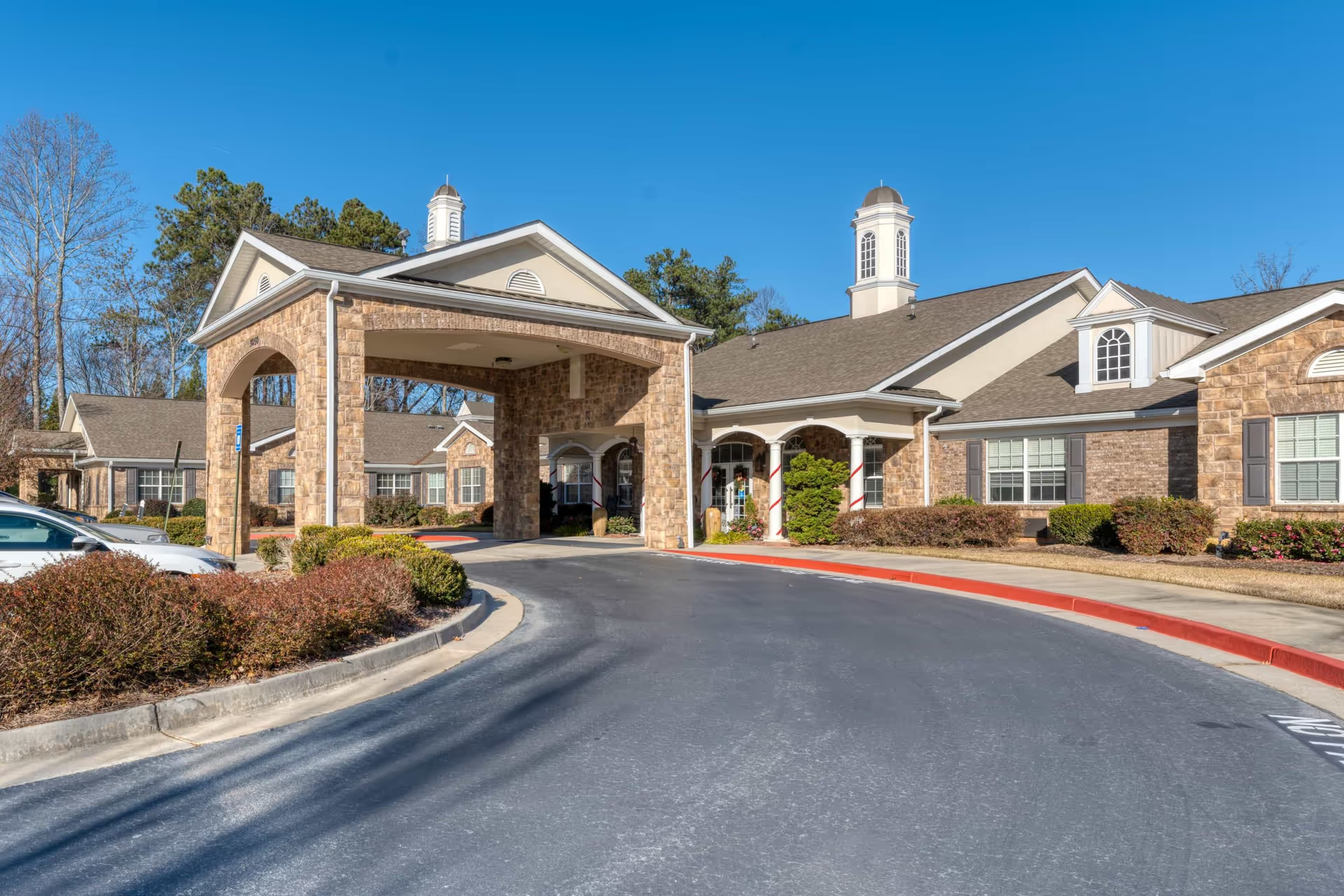
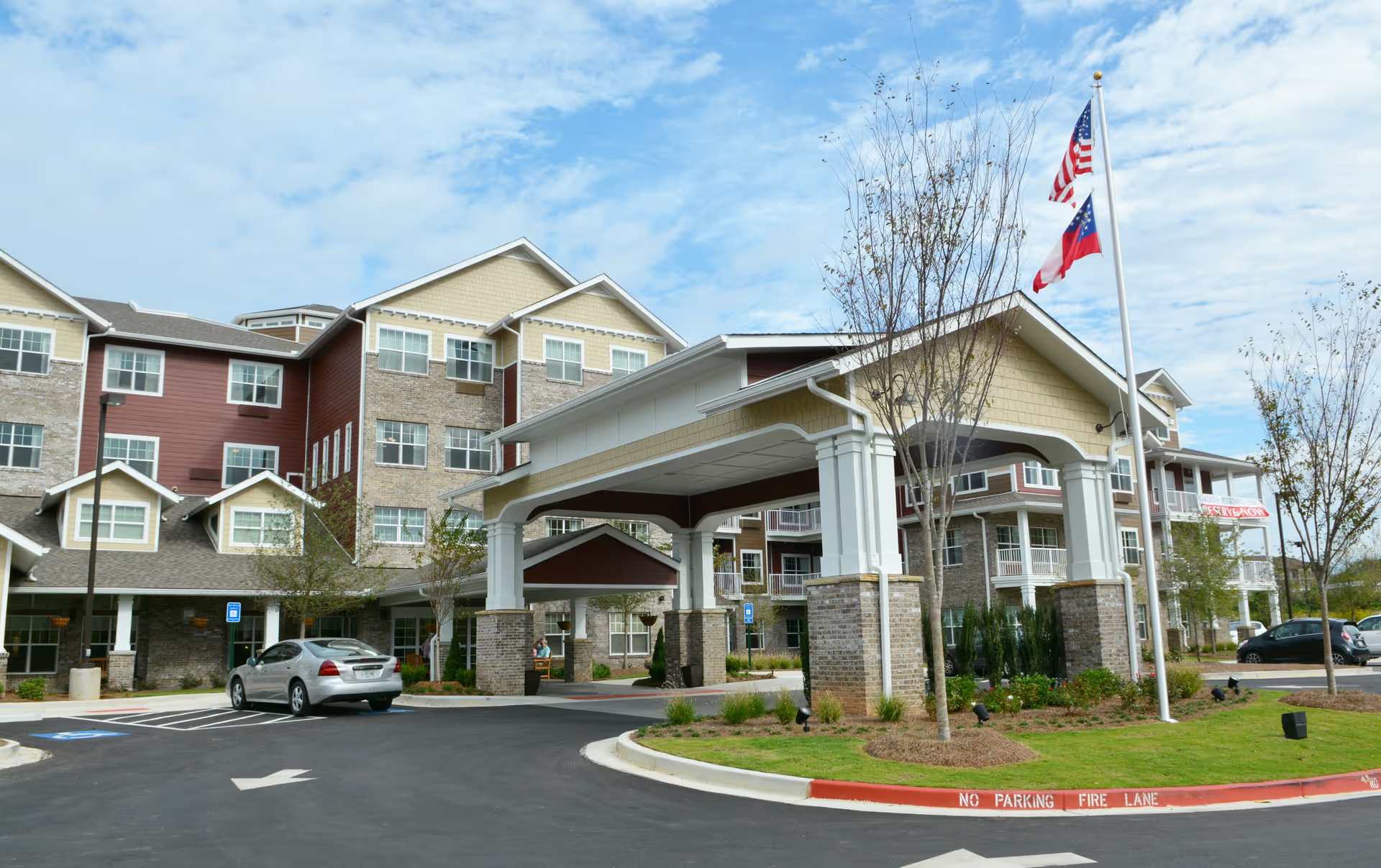
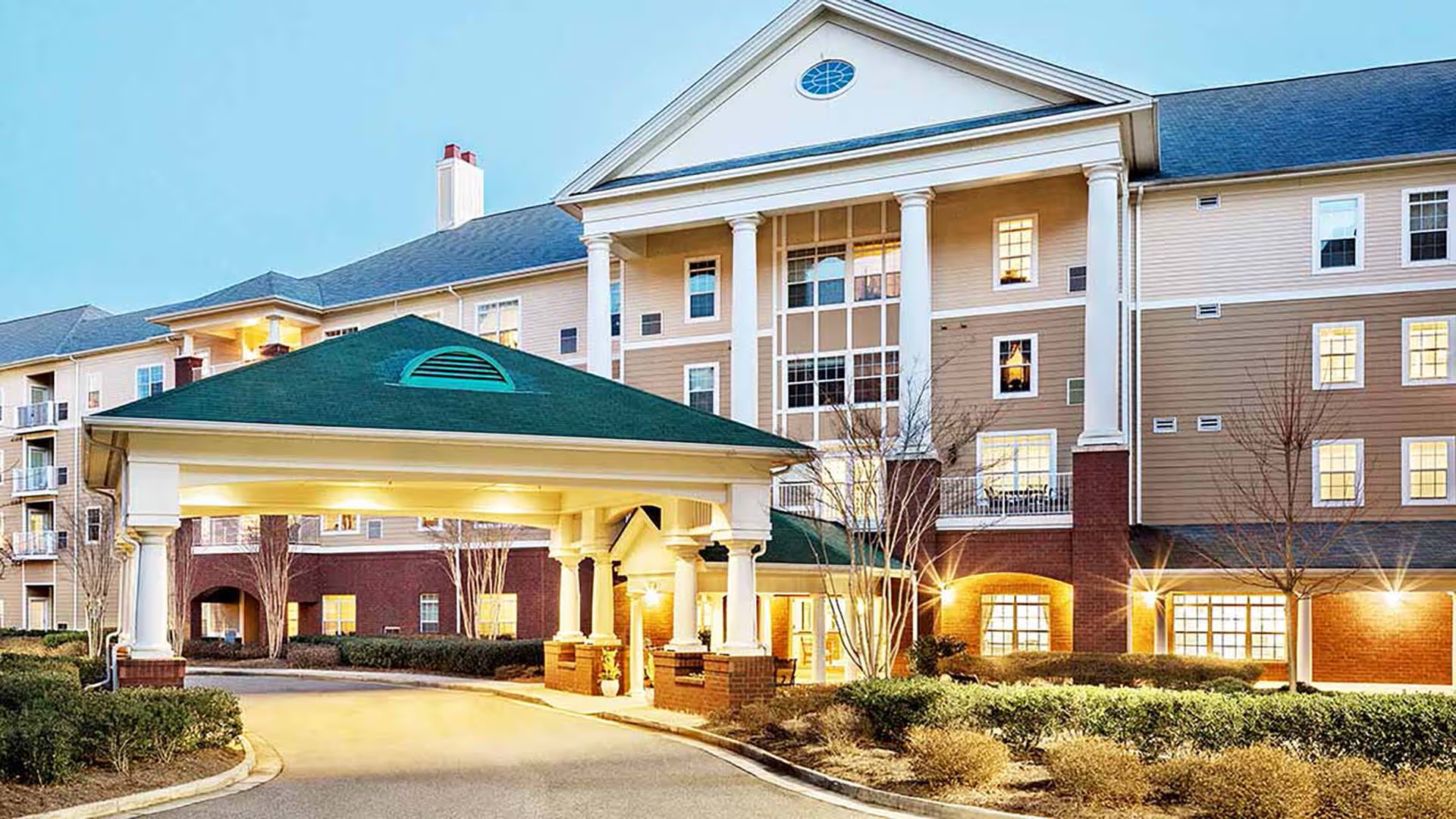
Brickmont Roswell presents as a modern, well-appointed senior living community that many families find attractive on the basis of its physical plant and some aspects of care. The facility is repeatedly described as clean, hotel-like in its common areas, and furnished with private and spacious apartment-style units. Admissions and sales personnel are generally seen as helpful, and the community’s all-inclusive pricing model and proximity are cited as good value relative to alternatives in the area.
Direct-care staffing is a prominent strength for numerous families: reviewers often highlight compassionate aides, med-techs and nurses and an engaged executive director who is visible and hands-on. When staffing and leadership are stable, families describe responsive nursing support and staff who educate and encourage residents’ participation while respecting individual pace. Maintenance of indoor and outdoor communal spaces is also a recurring positive.
However, a consistent pattern of operational concerns appears across reviews. Staffing instability and high turnover have produced variability in day-to-day care: inconsistent ADL assistance, slower call-button response times, and service delays were described. Several families raised concerns about medication-management processes and at least a few cited medication errors, which suggests gaps in clinical controls and oversight that merit attention. Room-cleaning and linen management were also reported as inconsistent in some units.
Dining and activities are mixed areas. Some families enjoy the food and the assisted-living dining environment, but others describe declining meal quality, slow dining service, and a desire for more home-cooked options. Activity programming appears to be uneven—particularly in memory-care neighborhoods—where reviewers noted limited engagement, dark or less-stimulating environments, and periods with no dedicated activities leadership. There are indications that the community has been recruiting activity staff and that programming may improve once those positions are filled.
Management and administrative issues are another recurring theme. Ownership and leadership transitions have created periods of uncertainty: billing and communication problems, unexpected rent increases after a sale, and difficulties getting timely responses from managers or owners were reported. While some reviewers say early issues were resolved satisfactorily and credit leadership for corrective action, others described poor family communication and a lack of clear authority to address problems.
Notable patterns for prospective residents and families: the facility’s physical resources and many frontline staff are strengths, but operational inconsistencies—particularly around staffing stability, medication management, activities (memory care), and administrative communication—can affect the experience. Several reviewers advised exercising caution about memory care readiness in the near term while activity programming, staffing, and clinical processes continue to stabilize. Visitors touring the community should evaluate current staffing levels, ask about medication-safety protocols, review linen/housekeeping procedures, clarify contract and billing policies after ownership changes, and confirm the current activities schedule and leadership before making a placement decision.